
Encyclopedic Reference
A History of Space Exploration
From Robert Goddard's 2.5-second flight in a Massachusetts field to the 16.7-million-pound thrust of Starship. Eight decades of rocketry, orbital mechanics, and the persistent human impulse to leave Earth. This is the story told through the vehicles that made it possible, drawn from the 53 vehicles documented in the Space Heritage archive.
Contents
The Theoretical Foundations
The dreamers who did the math
Space exploration began not with hardware but with equations. In 1903, the Russian schoolteacher Konstantin Tsiolkovsky published 'Exploration of Outer Space by Means of Rocket Devices', deriving the fundamental relationship between exhaust velocity, propellant mass, and achievable speed. The Tsiolkovsky rocket equation remains the governing constraint of all spaceflight to this day.
In the United States, Robert Goddard built and flew the first liquid-fueled rocket on 16 March 1926 in Auburn, Massachusetts. The flight lasted 2.5 seconds, reached 41 feet, and traveled 184 feet downrange. The New York Times mocked him. Goddard continued working in near-isolation in Roswell, New Mexico, developing gyroscopic stabilization, fuel pumps, and combustion chamber cooling. Nearly every technique used in modern rocketry traces back to his patents.
In Germany, Hermann Oberth's 1923 work 'Die Rakete zu den Planetenraumen' inspired an entire generation of engineers, including a teenager named Wernher von Braun. The Verein fur Raumschiffahrt (Society for Space Travel) formed in 1927, conducting liquid-fueled rocket experiments that would eventually attract military attention. By the late 1930s, the theoretical foundations were in place. What was missing was a reason to fund them.
“Earth is the cradle of humanity, but one cannot remain in the cradle forever.”
Konstantin Tsiolkovsky, 1911
Key Moments
The Weapon That Opened Space
From the V-2 to Sputnik
The A4 rocket, designated V-2 by Nazi propaganda, first reached the boundary of space on 3 October 1942 when a test vehicle launched from Peenemunde reached an altitude of 84.5 kilometers. It was the first human-made object to cross the Karman line. The rocket was designed by a team led by Wernher von Braun and powered by an engine designed in part by Walter Thiel. It burned a mixture of liquid oxygen and ethanol, producing 56,000 pounds of thrust.
After the war, the V-2's legacy split between two superpowers. Operation Paperclip brought von Braun and over 100 German engineers to the United States, where they continued rocket development at White Sands and later at the Army Ballistic Missile Agency in Huntsville, Alabama. The Soviet Union captured V-2 production facilities, test hardware, and a smaller number of engineers. Sergei Korolev, recently released from the Gulag, was tasked with reverse-engineering and then surpassing the V-2.
Korolev's R-7, designated 8K71, was the world's first intercontinental ballistic missile. It first flew successfully on 21 August 1957. Two months later, on 4 October 1957, a modified R-7 launched Sputnik 1 into orbit. The 83.6-kilogram satellite transmitted a simple radio pulse that was heard around the world. The space age had begun, and it had begun with a converted weapon.
The R-7's basic design would prove to be one of the most consequential engineering decisions in history. Its descendants, the Soyuz family of rockets, have launched more times than any other rocket family in existence. Over 1,900 flights and counting.
Key Moments
Featured Vehicles
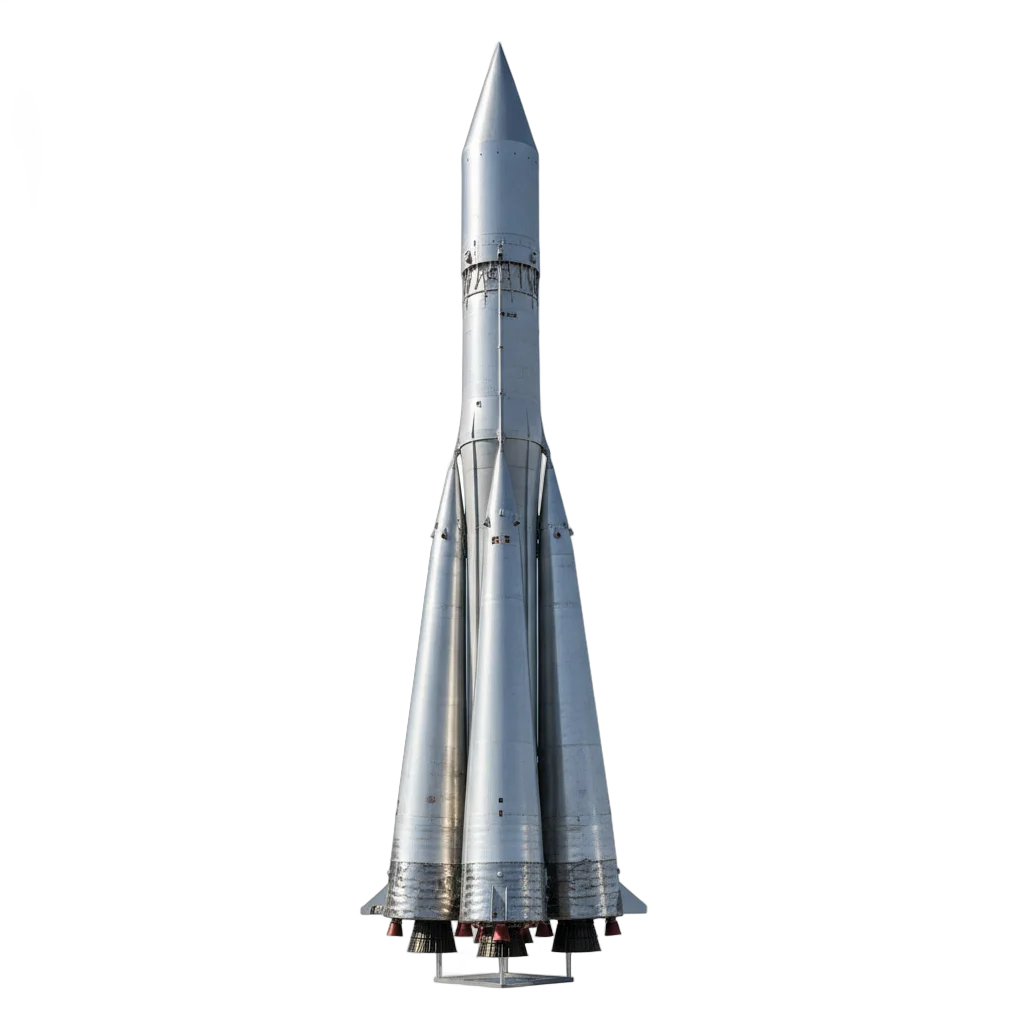
The rocket that started the Space Age. The world''s first intercontinental ballistic missile, it launched Sputnik on October 4, 1957, and carried Yuri Gagarin to orbit on April 12, 1961. Its descendants (the Soyuz family) still fly today.
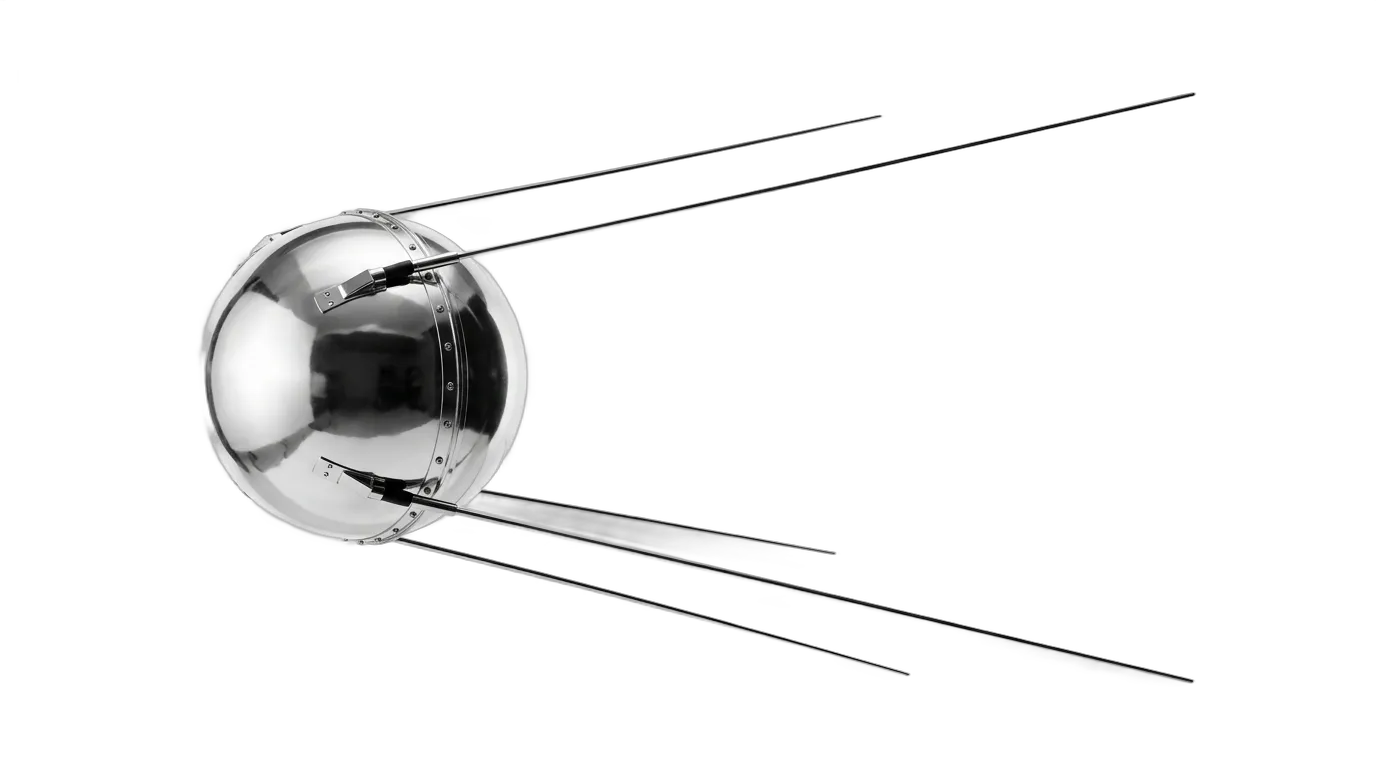
The first artificial satellite, launched October 4, 1957. Its radio beeps, audible to amateur radio operators worldwide, stunned the West, ignited the Space Race, and marked the beginning of the Space Age.
First Steps
Orbits, animals, and the first humans in space
The period between Sputnik and the end of the Mercury program compressed more milestones into six years than any comparable period in exploration history. On 3 November 1957, Sputnik 2 carried the dog Laika into orbit. On 31 January 1958, Explorer 1 confirmed the existence of the Van Allen radiation belts. On 12 April 1961, Yuri Gagarin became the first human in space, completing one orbit aboard Vostok 1 in 108 minutes.
The Vostok spacecraft, designed under Korolev's direction, was a 4,725-kilogram capsule with a spherical descent module. Gagarin ejected at 7,000 meters and parachuted separately from his spacecraft, a detail the Soviet Union concealed for years to protect the flight's official record status. The capsule's automated systems controlled the entire flight. Gagarin was essentially a passenger, though a willing and remarkably calm one.
The American response came on 5 May 1961, when Alan Shepard flew a 15-minute suborbital arc aboard Freedom 7, a Mercury capsule designed by Maxime Faget at NASA's Space Task Group. On 20 February 1962, John Glenn became the first American to orbit Earth, completing three orbits in Friendship 7. The Mercury capsule weighed only 1,355 kilograms, about a third the mass of Vostok.
Twenty days after Gagarin's flight, President Kennedy addressed Congress: 'I believe that this nation should commit itself to achieving the goal, before this decade is out, of landing a man on the Moon and returning him safely to the Earth.' The Space Race, already underway in practice, now had an explicit finish line.
The engineering required to reach that finish line did not yet exist. No one had performed a spacewalk, rendezvoused two vehicles in orbit, or docked in space. The Gemini program was designed to solve all of these problems, one mission at a time.
“We choose to go to the Moon in this decade and do the other things, not because they are easy, but because they are hard.”
John F. Kennedy, 1962
Key Moments
Featured Vehicles
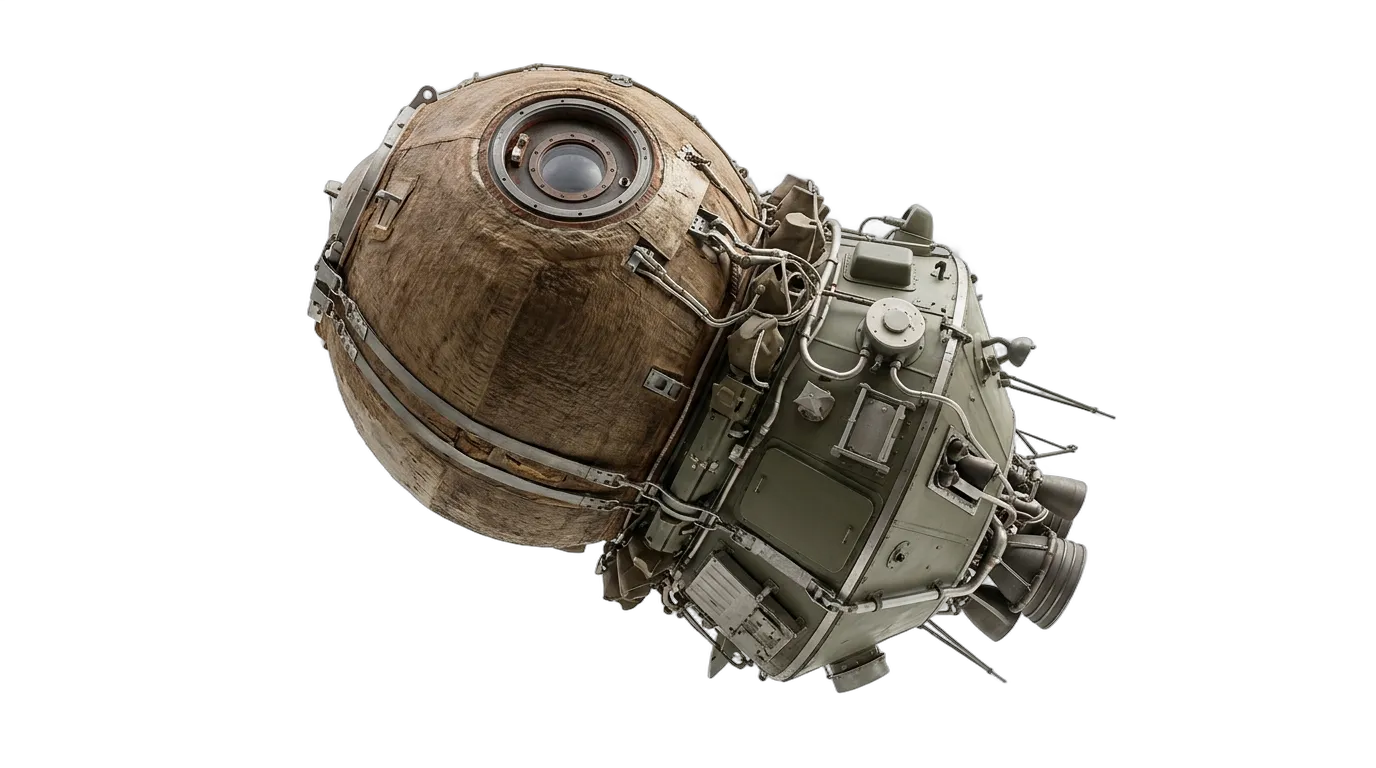
The first spacecraft to carry a human being. Yuri Gagarin flew Vostok 1 on April 12, 1961, orbiting Earth once in 108 minutes. Valentina Tereshkova flew Vostok 6 in 1963, becoming the first woman in space.
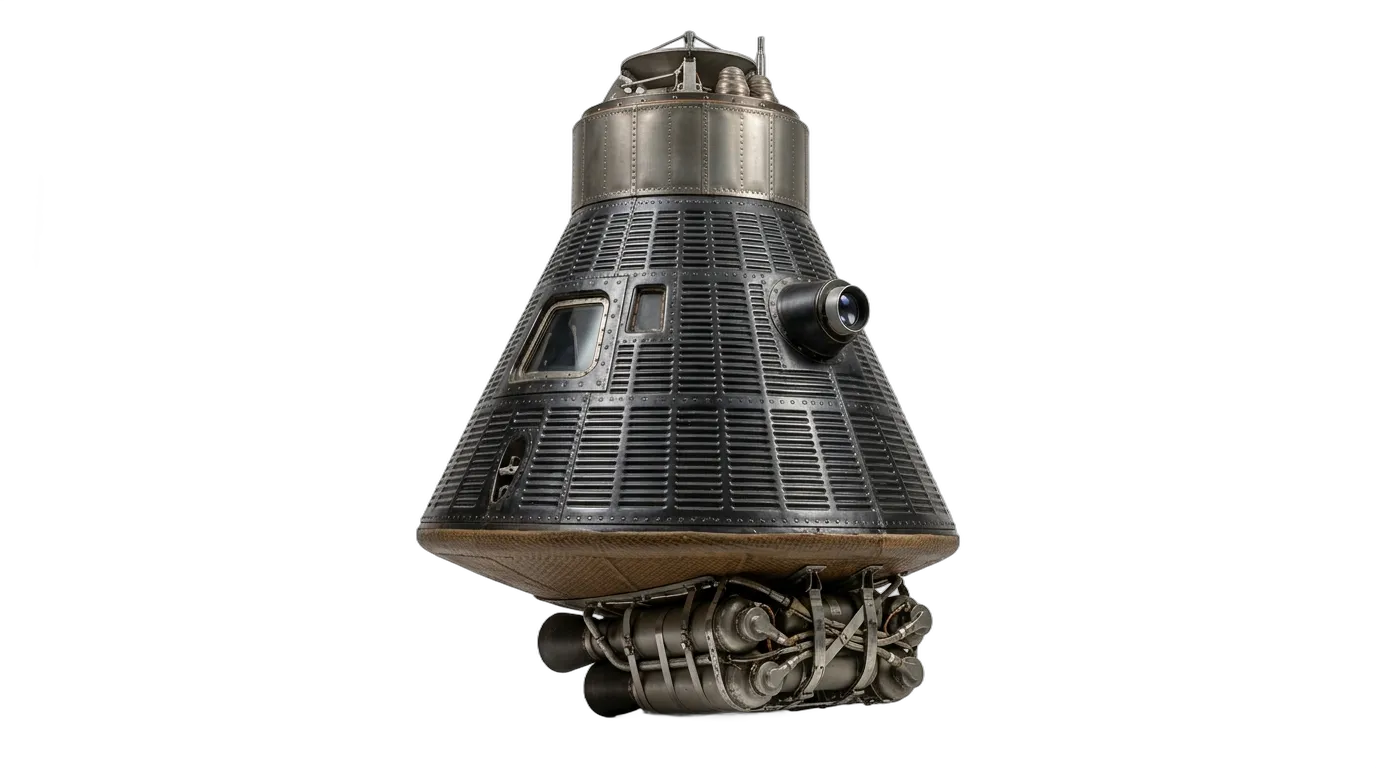
The first American crewed spacecraft. Mercury carried Alan Shepard on a suborbital flight and John Glenn on the first American orbital mission. The capsule proved that humans could function in weightlessness and return safely.
The first artificial satellite, launched October 4, 1957. Its radio beeps, audible to amateur radio operators worldwide, stunned the West, ignited the Space Race, and marked the beginning of the Space Age.
Racing to the Moon
Apollo, the N1, and twelve men on another world
The Gemini program flew ten crewed missions between March 1965 and November 1966. Each mission checked off a capability needed for Apollo: long-duration flight, spacewalks, orbital rendezvous, docking. Ed White became the first American to walk in space on Gemini 4. Gemini 6A and 7 rendezvoused within 30 centimeters of each other. Gemini 8, commanded by Neil Armstrong, performed the first docking with an unmanned Agena target vehicle.
While Gemini solved the operational problems, the Saturn V solved the propulsion problem. Designed under von Braun's direction at NASA's Marshall Space Flight Center, the Saturn V remains the most powerful rocket ever to complete a successful flight. Its first stage, powered by five F-1 engines built by Rocketdyne, produced 7.5 million pounds of thrust. The F-1 burned RP-1 kerosene and liquid oxygen at a rate of 15 tons per second.
The Soviet counterpart, Korolev's N1, was a 30-engine monster that never flew successfully. Korolev died in January 1966, and the program never recovered from the loss of its chief architect. All four N1 test flights between 1969 and 1972 ended in failure. The Soviet Moon program was quietly cancelled.
Apollo 11 launched on 16 July 1969. Four days later, the Lunar Module Eagle landed on the Sea of Tranquility with fewer than 25 seconds of fuel remaining. Armstrong's descent was partly manual, overriding the computer to avoid a boulder field. At 20:17 UTC on 20 July 1969, Armstrong radioed Houston: 'The Eagle has landed.' Six hours later, he became the first human to walk on the surface of another world.
Five more landings followed. Apollo 12 through Apollo 17 (excluding the aborted Apollo 13) returned 382 kilograms of lunar samples, deployed scientific instruments, and drove the Lunar Roving Vehicle across the surface. Gene Cernan, the last person to walk on the Moon, departed on 14 December 1972. No one has returned since.
Twelve human beings have walked on the Moon. All were American. All were men. All flew on Saturn V rockets. The youngest, Charlie Duke, was 36. The oldest, Alan Shepard, was 47. Their collective time on the lunar surface totaled roughly 80 hours.
“That's one small step for man, one giant leap for mankind.”
Neil Armstrong, 1969
Key Moments
Featured Vehicles
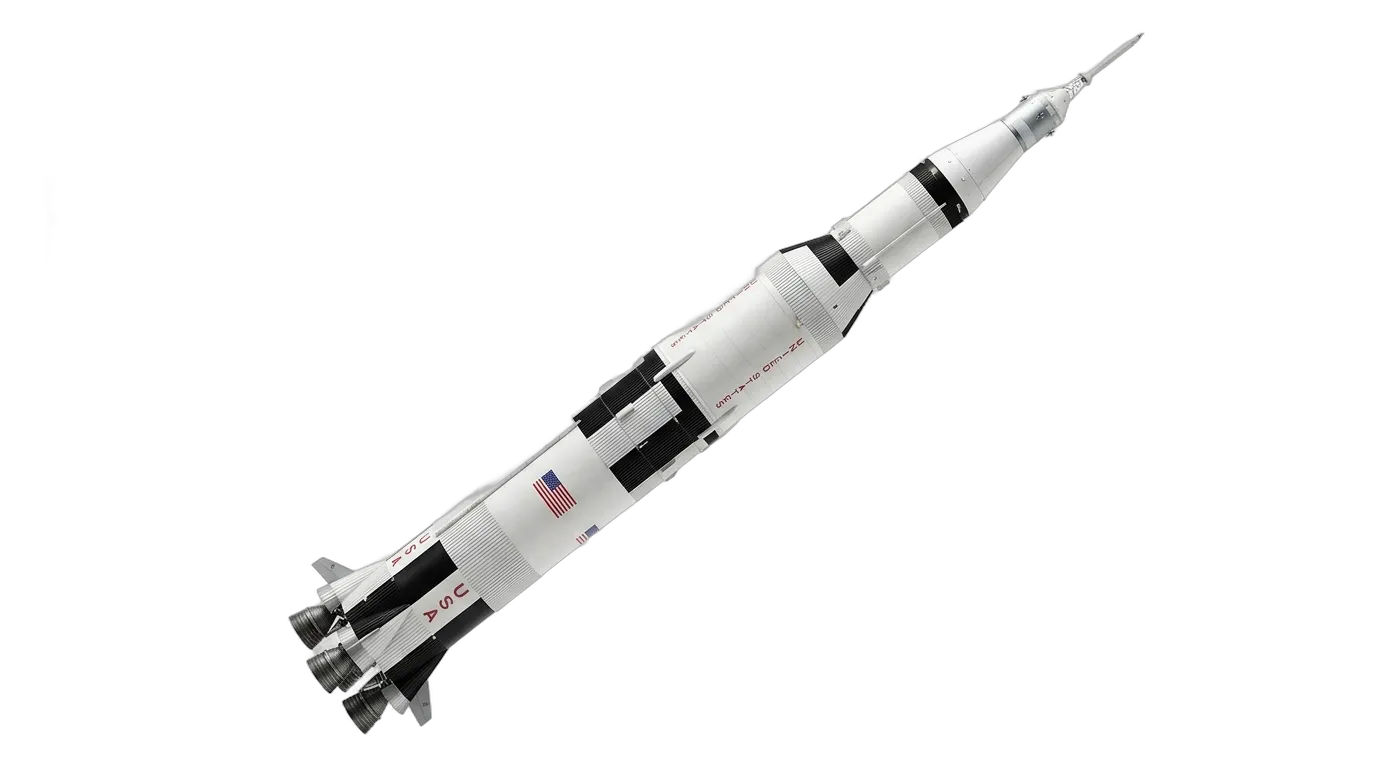
The most powerful rocket ever successfully flown, with a perfect 13-for-13 record. Saturn V carried every Apollo crew to the Moon and delivered Skylab to orbit. Each of its five F-1 first-stage engines produced 1.5 million pounds of thrust, burning three tonnes of propellant per second.
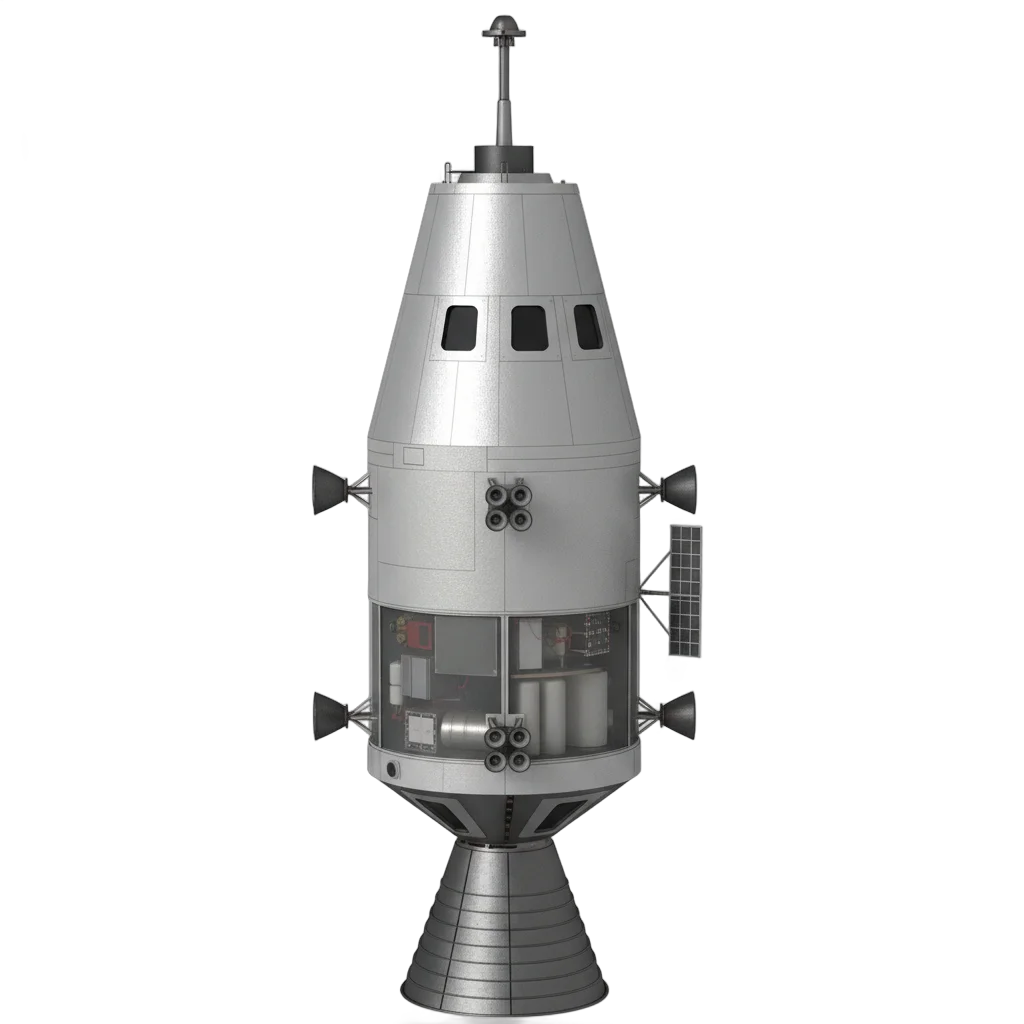
The spacecraft that carried astronauts to the Moon and back. Twelve men walked on the lunar surface and returned safely in this vehicle. Apollo 13''s safe return after an oxygen tank explosion remains the greatest rescue in spaceflight history.
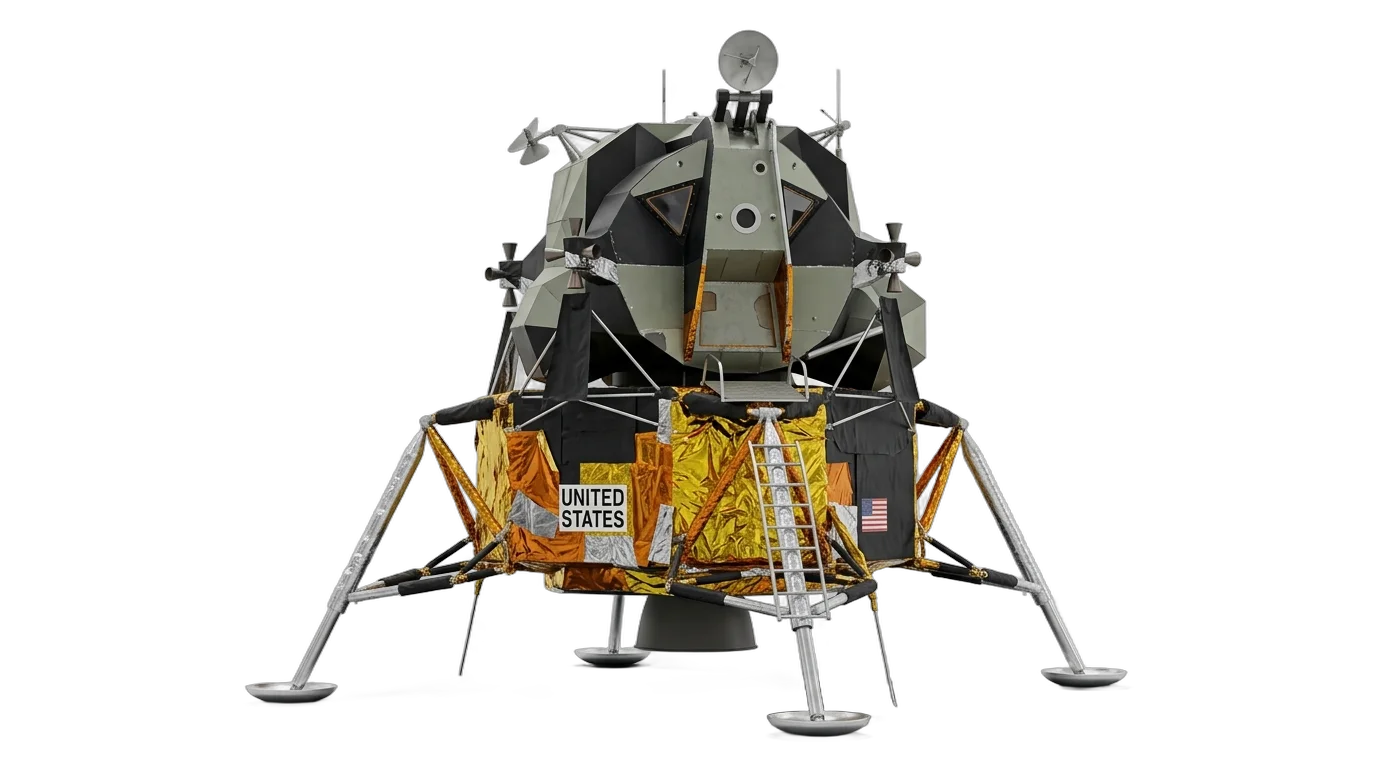
The first vehicle designed exclusively for operation in space, with no aerodynamic surfaces, no heat shield, and no ability to survive in an atmosphere. Six Lunar Modules landed humans on the Moon. A seventh saved the Apollo 13 crew as an emergency lifeboat.
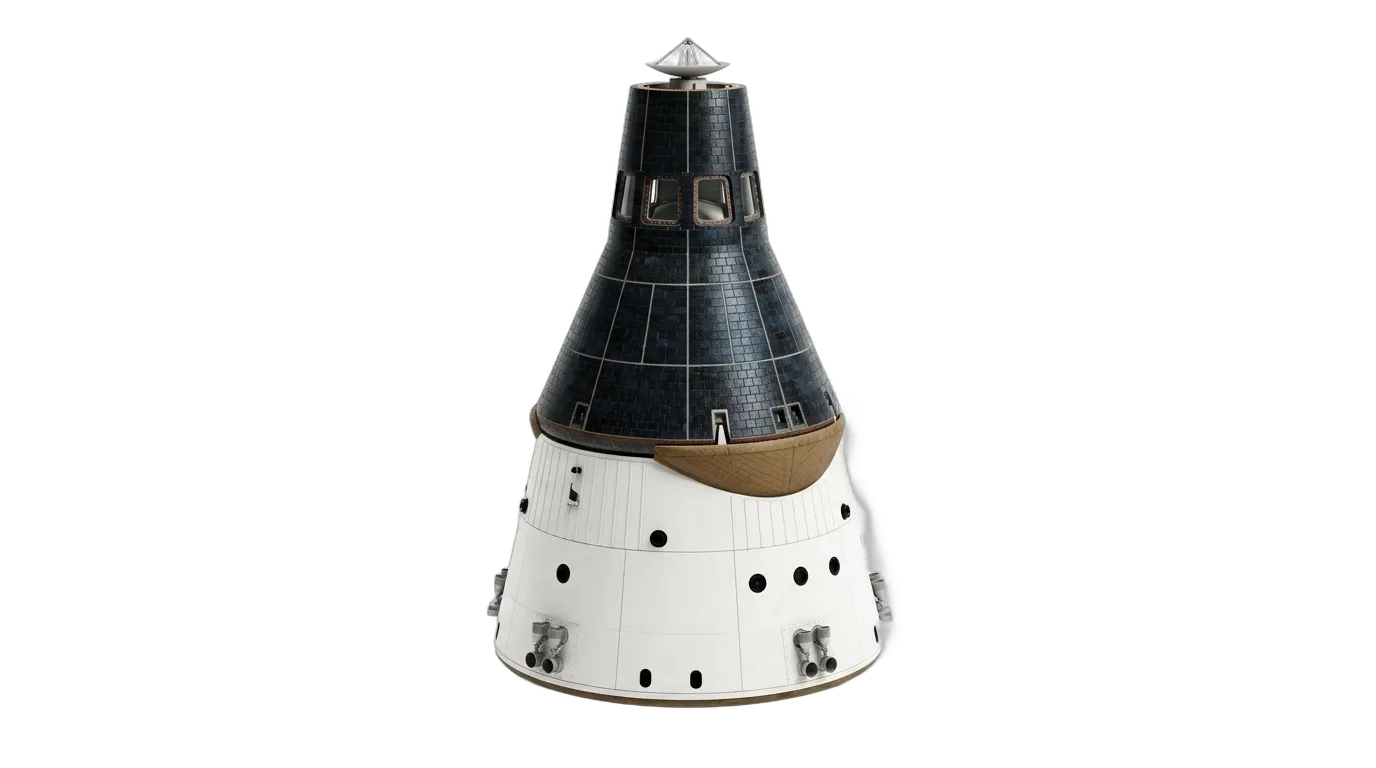
Gemini pioneered every technique needed for Apollo: spacewalks, orbital rendezvous, docking, and long-duration spaceflight up to 14 days. Ten crewed missions in less than two years made it the most intensive crewed program ever.
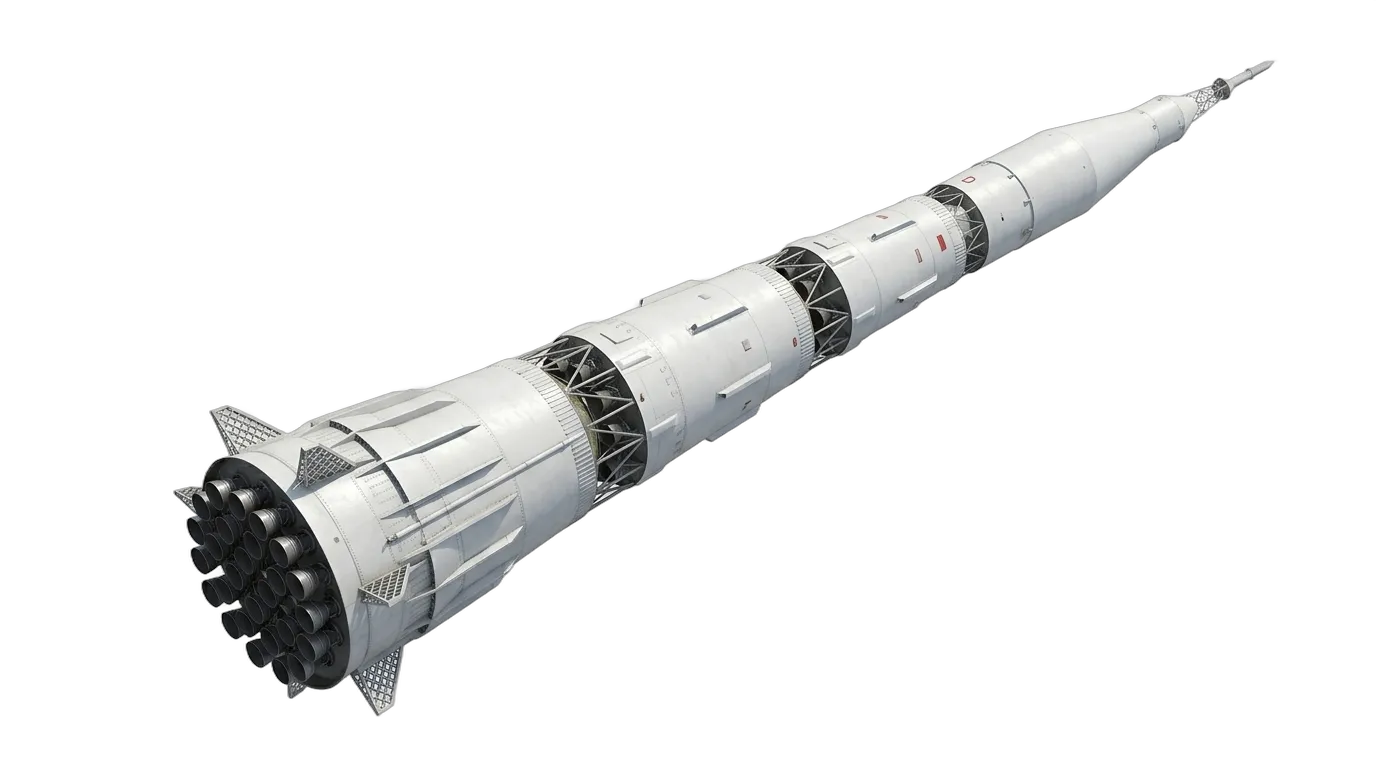
The Soviet Moon rocket, designed to match and exceed Saturn V. Its 30 first-stage engines proved fatally complex. All four launch attempts failed, including one that produced the largest non-nuclear explosion in history. The program was secretly cancelled.
Space Stations and the Deep Frontier
Endurance in orbit, robots beyond Mars
With the Moon race won and budgets contracting, the 1970s pivoted to two questions: could humans live in space for extended periods, and could robots reach the outer planets? Both answers came back decisively positive.
Skylab, built from a converted Saturn V third stage, was America's first space station. Launched on 14 May 1973, it hosted three crews over 171 days of habitation. The station proved that humans could work productively in microgravity for months, not just days. The Soviet Salyut program ran in parallel, with Salyut 6 (1977-1982) achieving continuous habitation for the first time.
The Soyuz spacecraft, originally designed by Korolev's bureau for the lunar program, was repurposed as the workhorse crew transport. It remains in service today, more than half a century after its first flight. The basic design has proven so reliable that NASA purchased Soyuz seats for over a decade after the Space Shuttle's retirement.
Beyond Earth orbit, the 1970s belonged to the robots. Pioneer 10 became the first spacecraft to traverse the asteroid belt and fly past Jupiter in December 1973. Viking 1 landed on Mars on 20 July 1976, exactly seven years after the Moon landing, and transmitted the first photographs from the Martian surface. But the crown achievement was the Voyager program.
Voyager 1 and Voyager 2, launched in 1977, exploited a rare planetary alignment that occurs once every 175 years to visit Jupiter, Saturn, Uranus, and Neptune. Voyager 1 is now the most distant human-made object, over 24 billion kilometers from Earth. Its 23-watt transmitter, about the power of a refrigerator light bulb, still sends data back to the Deep Space Network. The signal takes over 22 hours to arrive.
“Look again at that dot. That's here. That's home. That's us.”
Carl Sagan, 1994
Key Moments
Featured Vehicles
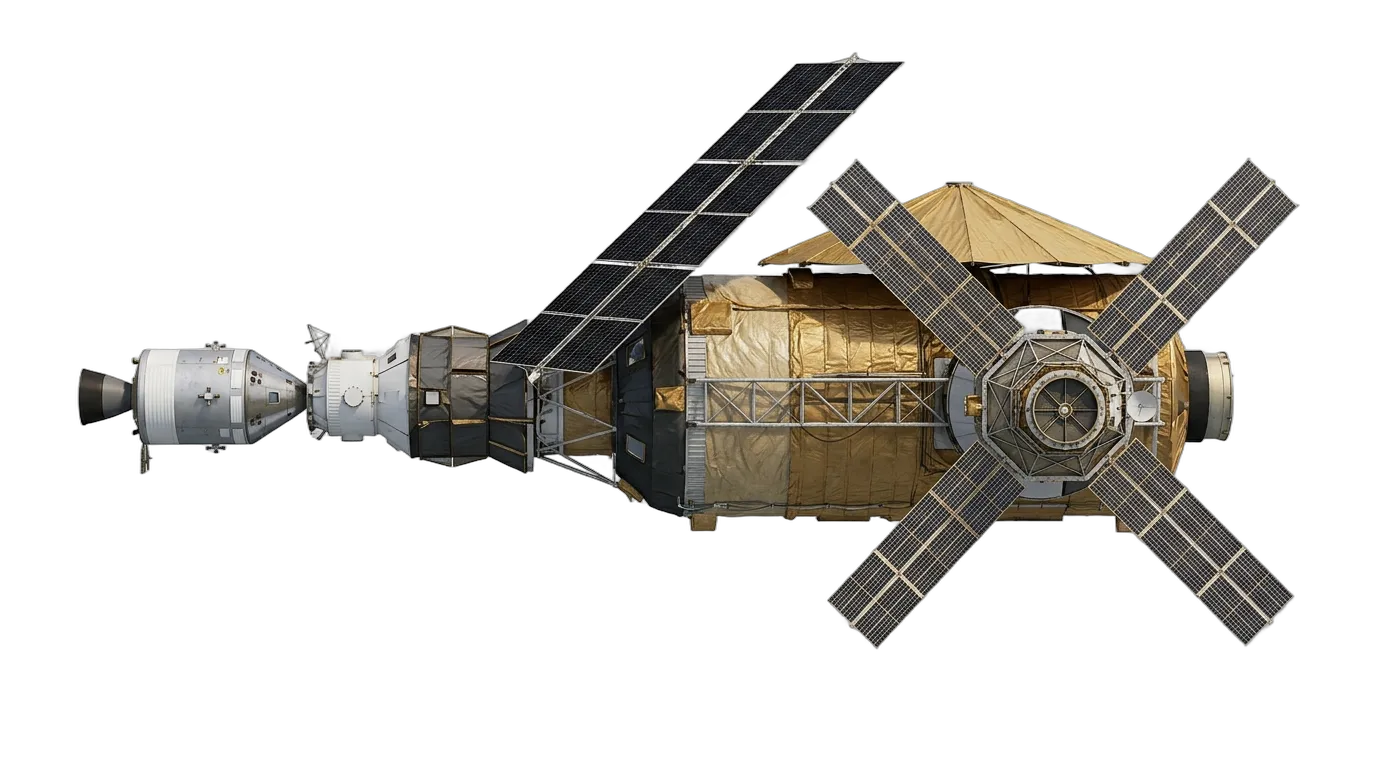
America''s first space station, ingeniously repurposed from the third stage of a Saturn V rocket. Three crews lived aboard Skylab in 1973-1974, conducting solar observations and medical experiments that laid the groundwork for long-duration spaceflight.
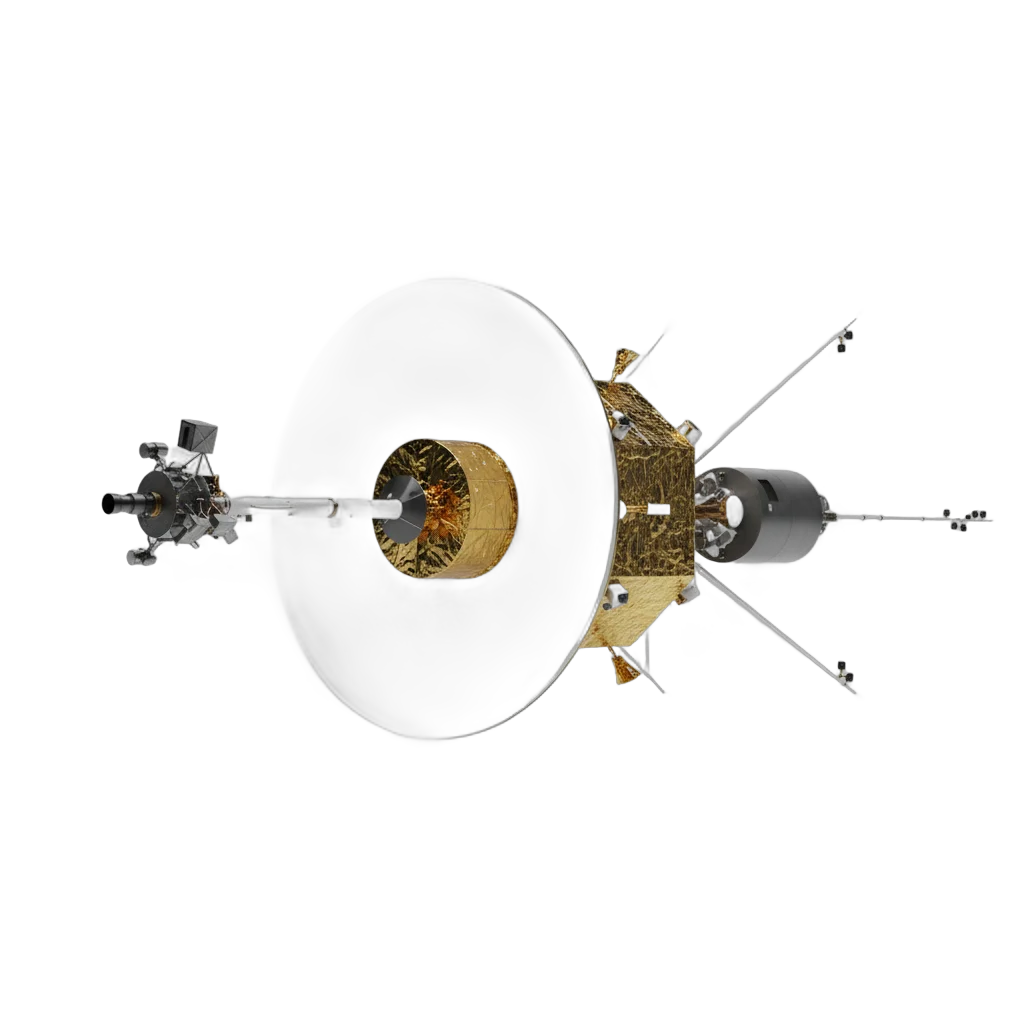
The farthest human-made object from Earth, now in interstellar space over 15 billion miles away. Voyager 1 discovered active volcanoes on Jupiter''s moon Io, detailed Saturn''s rings, and carries the Golden Record -- a message from Earth to the cosmos.
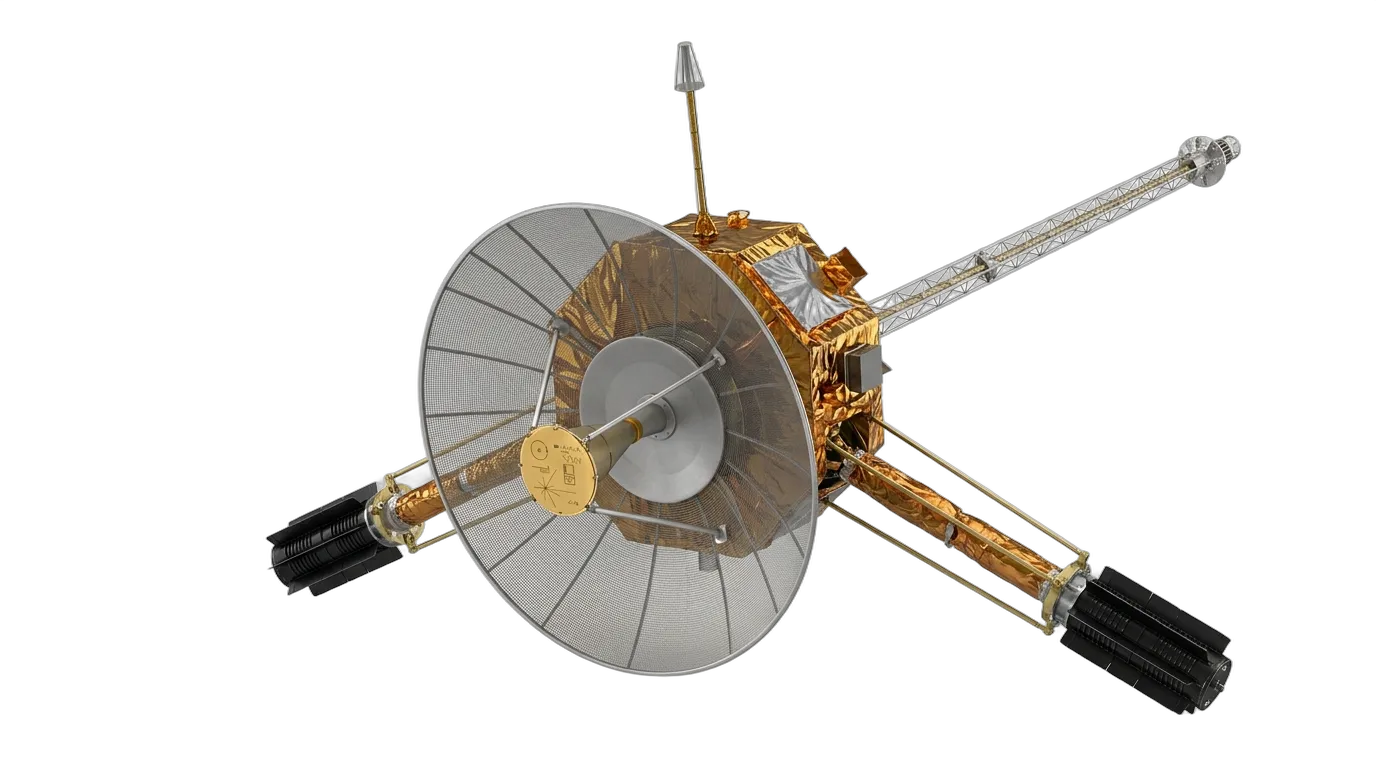
The first spacecraft to traverse the asteroid belt, the first to fly by Jupiter, and the first to achieve escape velocity from the solar system. Pioneer 10 carries a gold-anodized plaque depicting humans and Earth''s location.
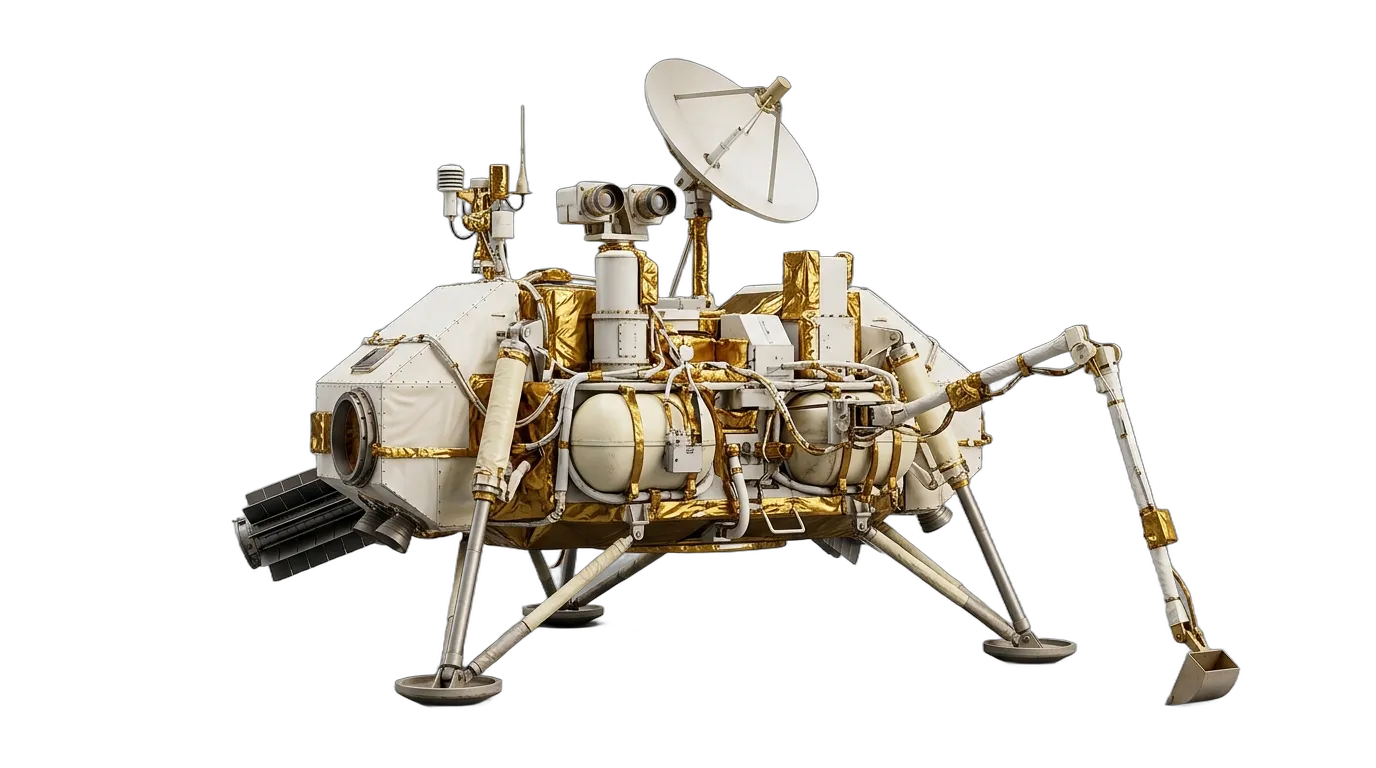
The first spacecraft to successfully land on Mars and return photographs from the surface. Viking 1''s lander operated for over six years on Mars, and its biology experiments -- designed to detect life -- produced results that scientists debated for decades.
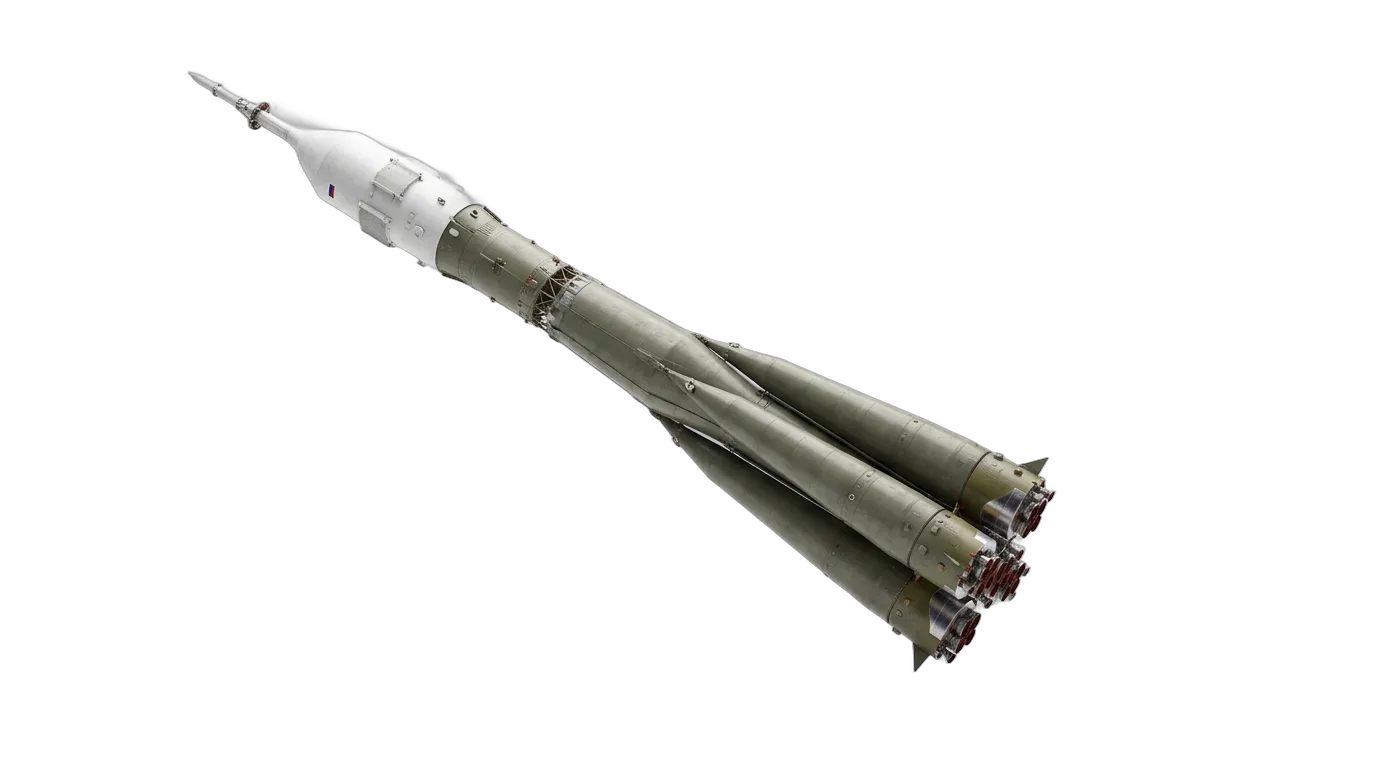
The most-launched rocket family in history with over 1,900 flights. Descended from Korolev''s R-7, the same design that launched Sputnik. For nearly a decade after the Shuttle retired, Soyuz was the only vehicle carrying astronauts to the International Space Station.
The Shuttle Era
Reusability, tragedy, and the telescope that changed everything
The Space Shuttle was the most complex flying machine ever built. Part rocket, part glider, part cargo truck, it was designed to make spaceflight routine by using a reusable orbiter. Columbia first flew on 12 April 1981, exactly twenty years after Gagarin's flight. Over 30 years, five orbiters flew 135 missions.
The Shuttle deployed satellites, carried science laboratories, repaired the Hubble Space Telescope, and assembled the International Space Station. It also killed fourteen astronauts. Challenger broke apart 73 seconds after launch on 28 January 1986, caused by O-ring failure in a solid rocket booster. Columbia disintegrated during reentry on 1 February 2003, caused by foam insulation damage to its thermal protection system. Both accidents were foreseeable. Both were preceded by warnings that were overridden by schedule pressure.
The Hubble Space Telescope, deployed from the Shuttle in April 1990, transformed our understanding of the universe. After a servicing mission in December 1993 corrected its flawed mirror, Hubble produced images of unprecedented clarity: the Pillars of Creation, the Hubble Deep Field, the expansion rate of the universe. Hubble has generated over 1.5 million observations and more than 20,000 peer-reviewed papers.
In the Soviet Union, the Energia-Buran system represented the most ambitious rocket program outside Apollo. The Energia booster, powered by four RD-170 engines (the most powerful liquid-fuel rocket engines ever built), could lift 100 tonnes to low Earth orbit. The Buran orbiter completed one unmanned flight on 15 November 1988, landing autonomously. The program was cancelled after the Soviet collapse. Only one flight ever took place.
The European Ariane program, meanwhile, established ESA as an independent launch provider. Ariane 5, first flying in 1996, would become the backbone of commercial satellite launch for two decades, completing over 110 successful flights.
Key Moments
Featured Vehicles
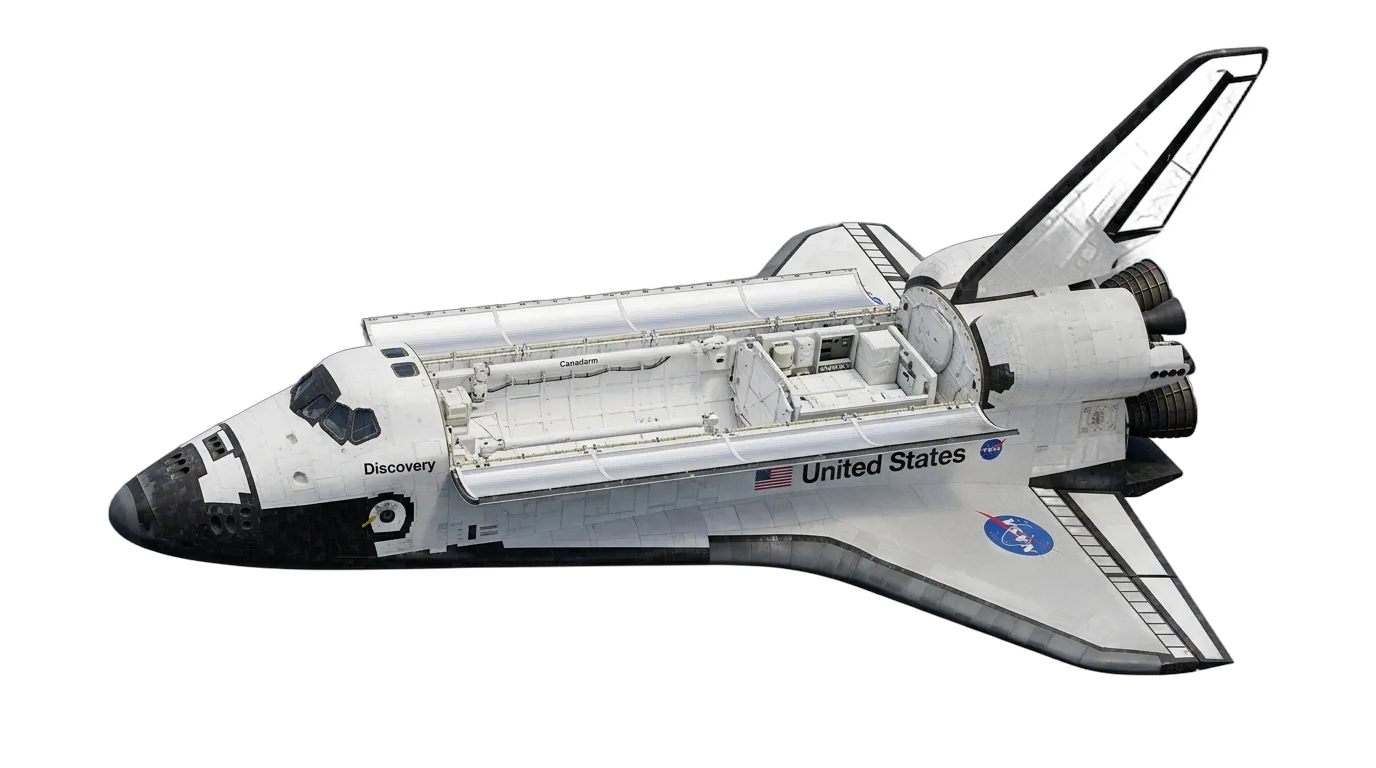
The world''s first reusable crewed spacecraft. Over 30 years and 135 missions, the Shuttle deployed and serviced the Hubble Space Telescope, built the International Space Station, and carried 355 individual astronauts to orbit. Its losses -- Challenger in 1986 and Columbia in 2003 -- remain the deadliest disasters in spaceflight history.
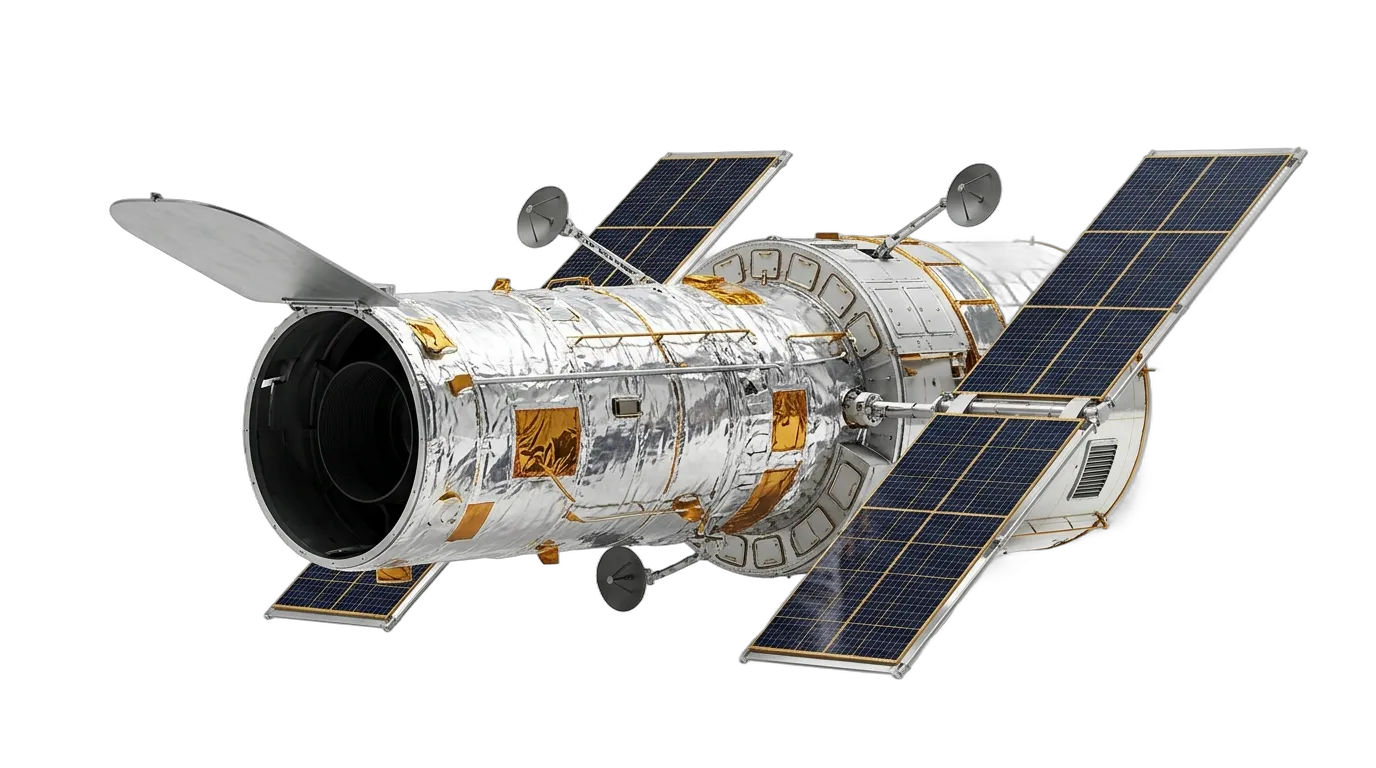
The most scientifically productive instrument in the history of astronomy. Hubble determined the age of the universe, confirmed the existence of supermassive black holes, and produced images that became cultural icons. Five Space Shuttle servicing missions kept it alive for over three decades.
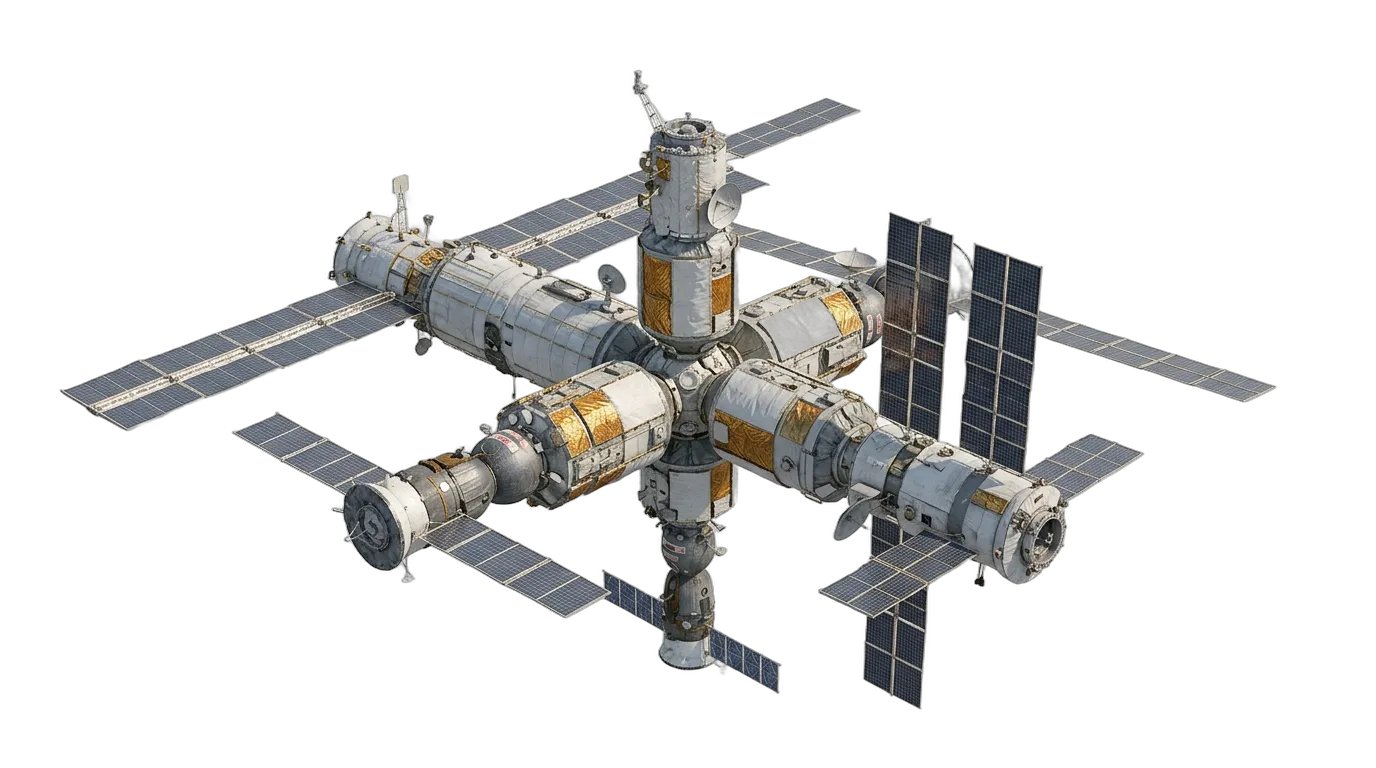
The first modular space station, assembled in orbit from six modules over a decade. Mir was continuously occupied for a record 3,644 days and hosted astronauts from 12 nations. It survived fires, collisions, and the collapse of the Soviet Union.
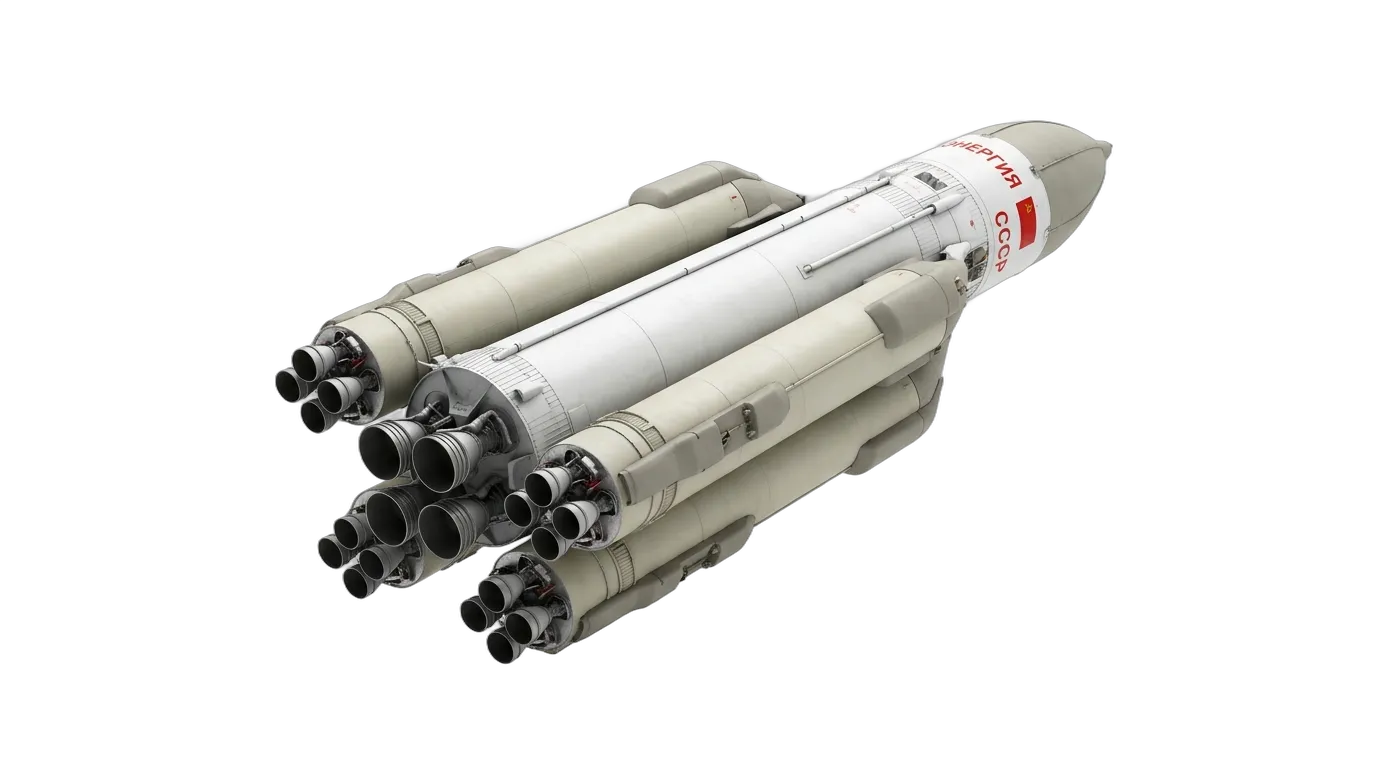
The second most powerful rocket ever flown when it launched in 1987. Energia could lift 100 tonnes to low Earth orbit and was designed to launch the Buran space shuttle. Only flew twice before the Soviet Union collapsed.
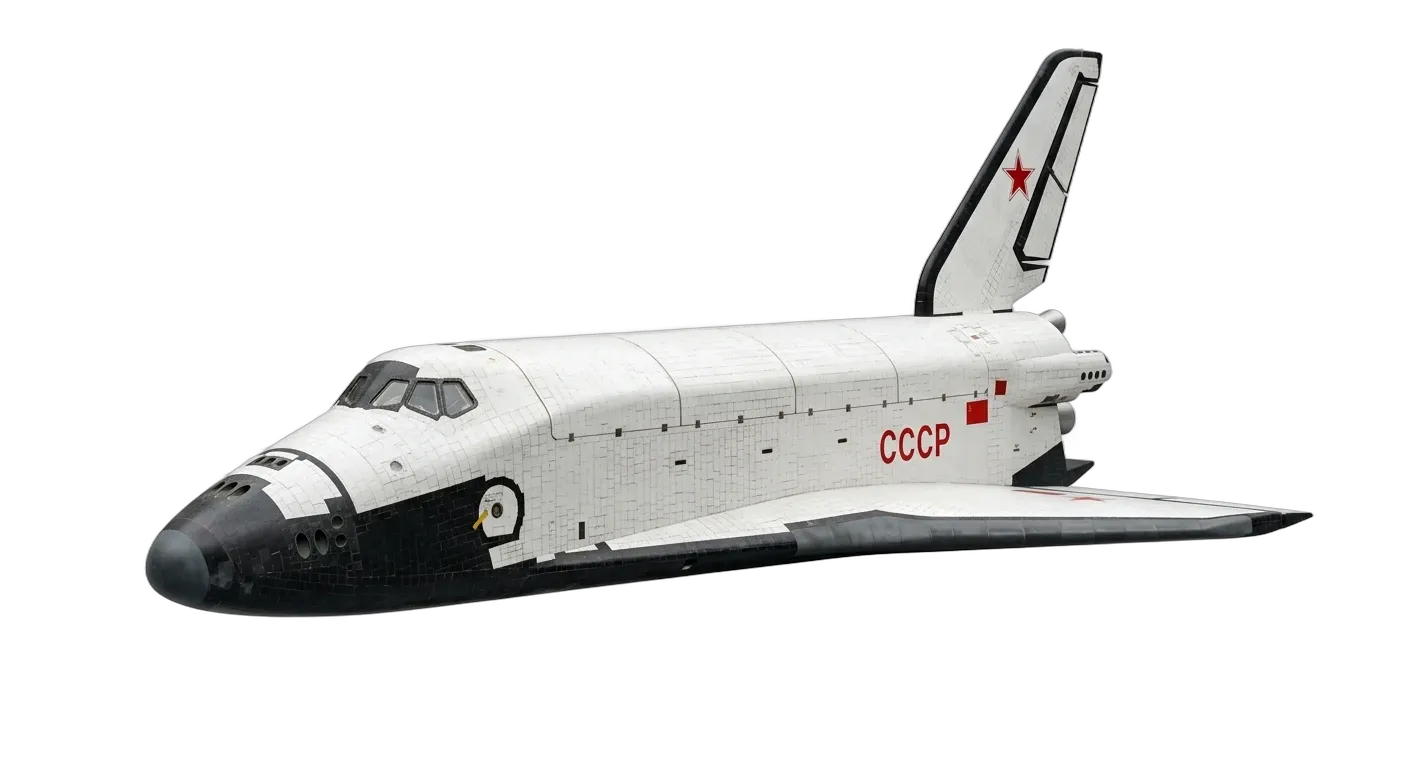
The Soviet space shuttle flew only once, on November 15, 1988, in a fully automated, uncrewed mission -- a feat the American Shuttle never attempted. The orbiter completed two orbits and landed autonomously in a crosswind, demonstrating flight control capabilities ahead of its time.
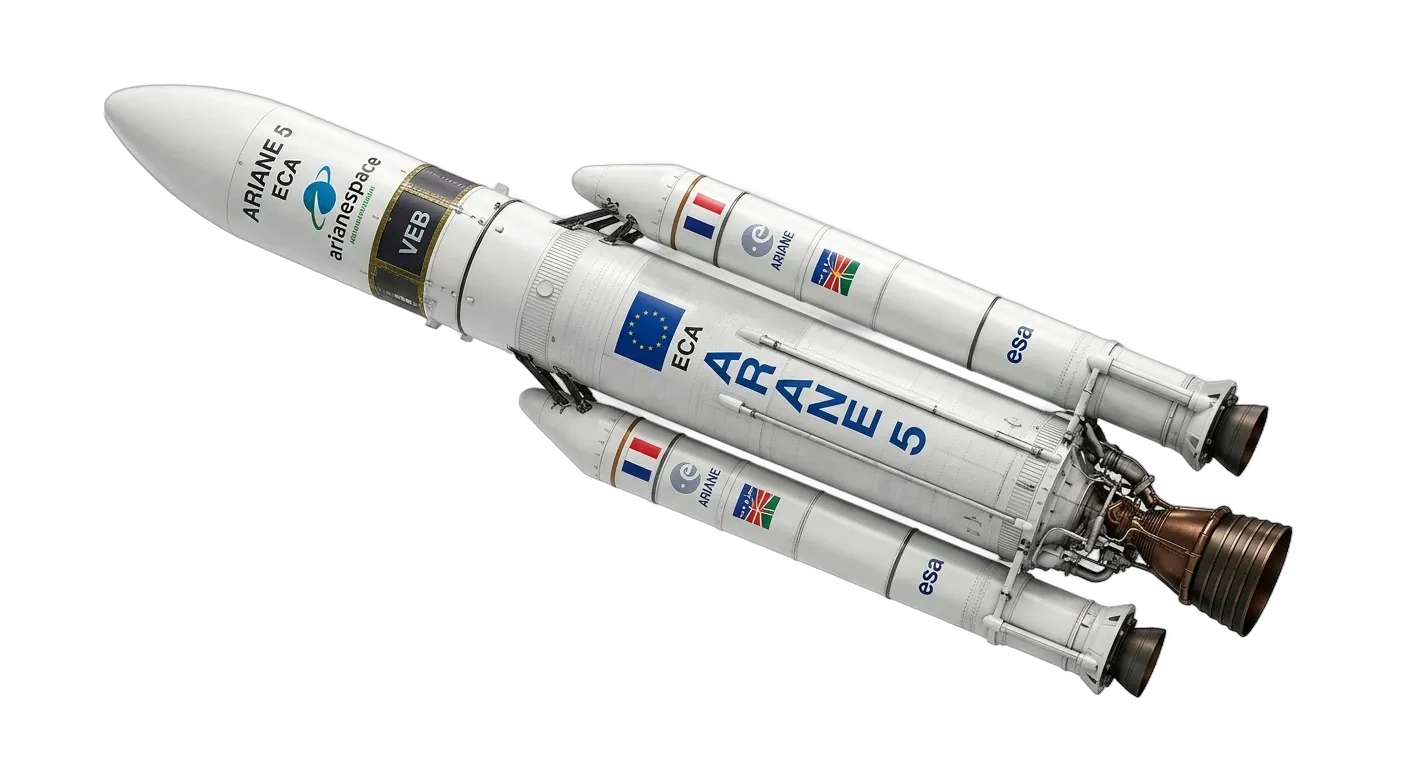
Europe''s heavy-lift workhorse for 27 years. Ariane 5 launched the James Webb Space Telescope so precisely that it doubled the telescope''s expected operational lifetime. It dominated the commercial geostationary satellite market and flew 117 missions.
The International Space Station
Permanent presence in orbit, rovers on Mars
The ISS is the largest structure ever built in space. Assembly began on 20 November 1998 with the launch of the Russian Zarya module. It has been continuously inhabited since 2 November 2000, the longest unbroken human presence in space. The station spans 109 meters, has a pressurized volume roughly equivalent to a Boeing 747, and orbits at approximately 408 kilometers altitude, completing one orbit every 92 minutes.
Fifteen nations contributed to the ISS. It required 42 assembly flights: 37 by the Space Shuttle and 5 by Russian Proton and Soyuz rockets. More than 260 individuals from 20 countries have visited. The station hosts experiments in biology, physics, meteorology, and human physiology that are impossible to conduct on Earth.
On Mars, the twin rovers Spirit and Opportunity landed in January 2004 for what was planned as a 90-day mission. Spirit operated for six years. Opportunity operated for fourteen years and drove over 45 kilometers across the Martian surface, the farthest any off-Earth wheeled vehicle has traveled. The Cassini-Huygens mission, meanwhile, orbited Saturn for thirteen years and landed the Huygens probe on Titan, the first landing in the outer solar system.
By the end of the decade, the architecture of space exploration was shifting. Government agencies were no longer the only organizations capable of reaching orbit. A small company in Hawthorne, California, was about to change everything.
Key Moments
Featured Vehicles
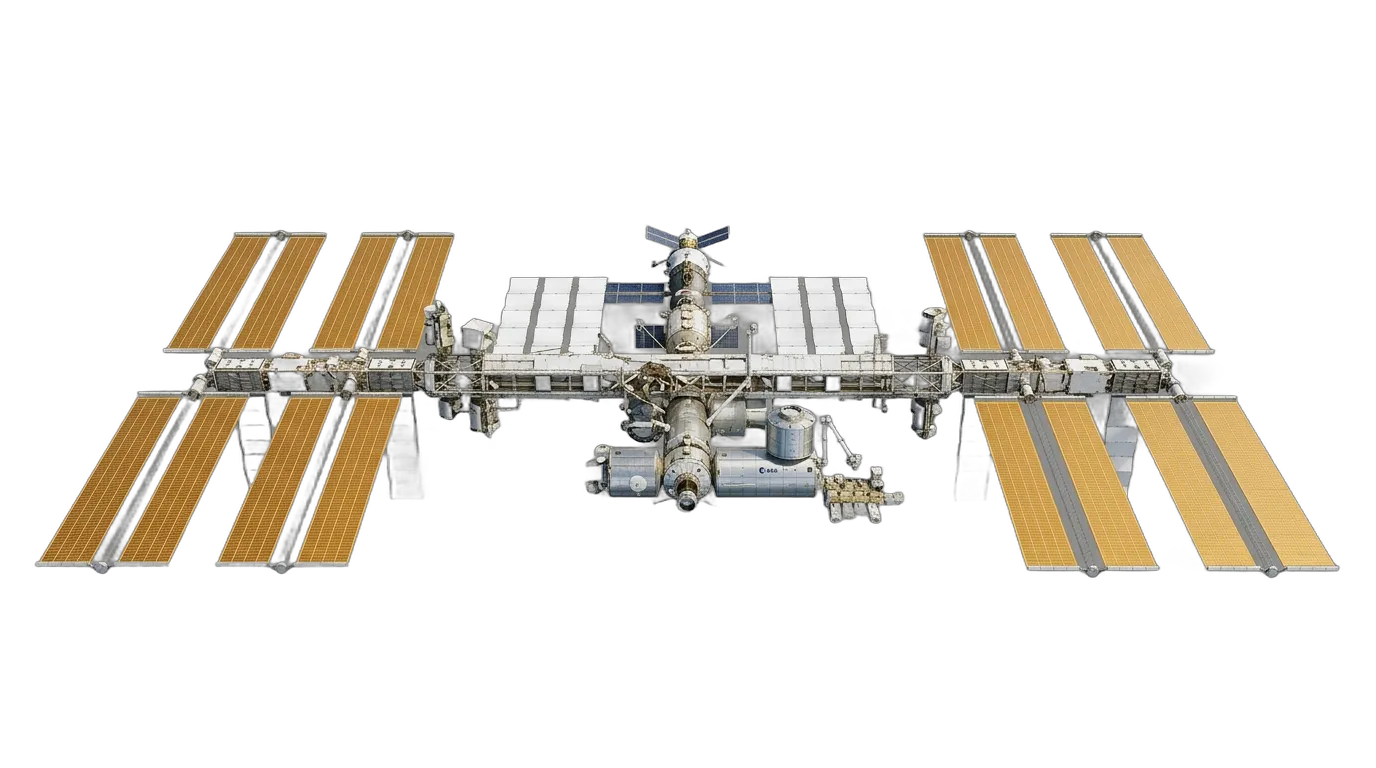
The largest structure ever built in space, weighing over 420 metric tons and continuously occupied since November 2000. Over 270 people from 21 countries have lived and worked aboard. At over $150 billion, it is the most expensive object ever constructed and the most ambitious international engineering collaboration in history.
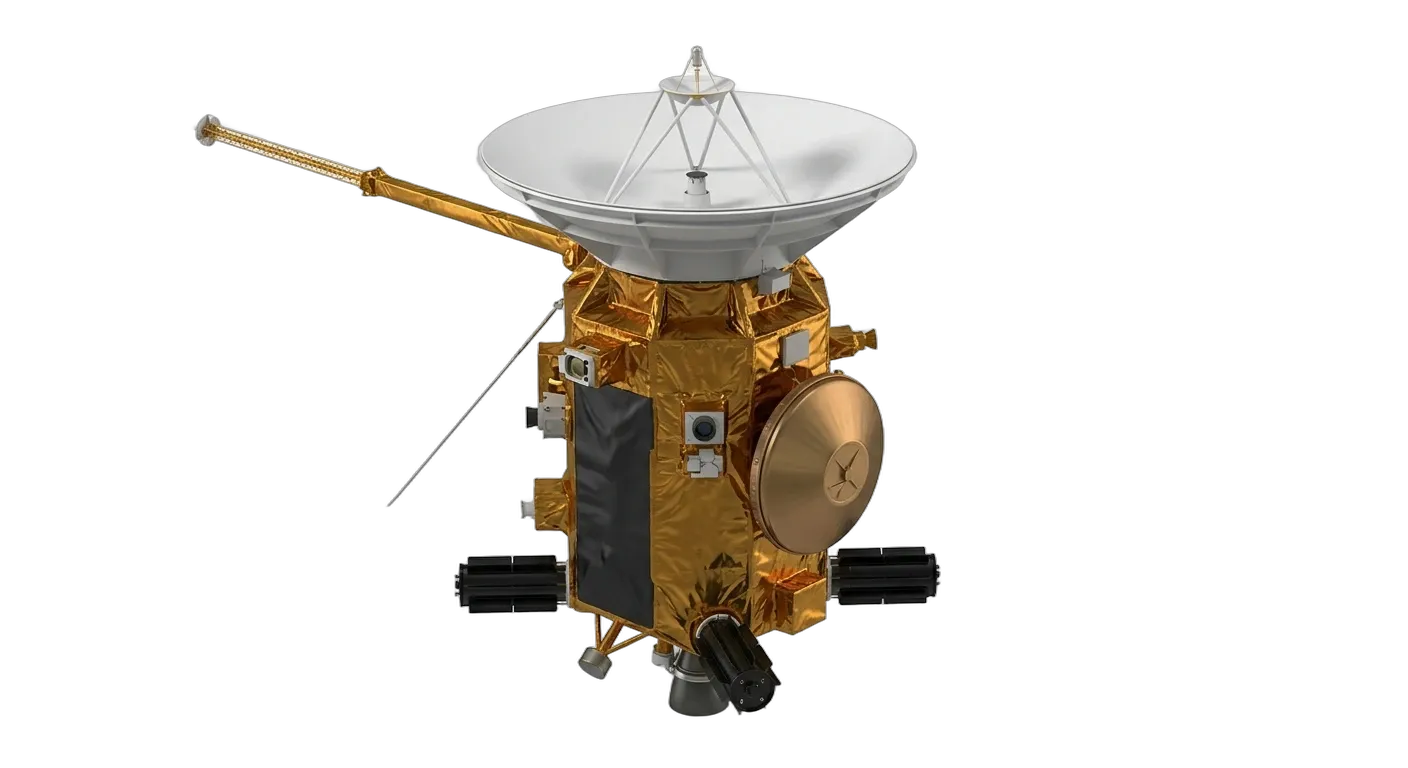
Orbited Saturn for 13 years, revolutionizing our understanding of the ringed planet and its moons. The Huygens probe landed on Titan -- the most distant landing ever achieved -- revealing lakes of liquid methane. Cassini discovered water geysers erupting from the moon Enceladus.
The Commercial Revolution
Reusable rockets and the end of government monopoly
On 28 September 2008, Falcon 1 became the first privately developed liquid-fueled rocket to reach orbit. SpaceX had spent six years and nearly all of its funding on four launches. The first three failed. The fourth worked. Elon Musk later said the company was one launch away from bankruptcy.
Falcon 9, first flying in June 2010, was designed from the start with reusability in mind. On 21 December 2015, a Falcon 9 first stage landed vertically at Cape Canaveral after delivering satellites to orbit. It was the first orbital-class rocket booster to achieve a propulsive landing. The economics of spaceflight changed that night. A first stage that had cost roughly $30 million to build could now fly again.
Tom Mueller, SpaceX's founding propulsion engineer, designed the Merlin engine that powers both Falcon 1 and Falcon 9. The Merlin 1D produces 190,000 pounds of thrust with a thrust-to-weight ratio exceeding 150:1, among the highest ever achieved by a rocket engine. Nine Merlins power the Falcon 9 first stage; their combined output exceeds that of the Saturn V's J-2 upper-stage engines.
On 30 May 2020, Crew Dragon carried NASA astronauts Doug Hurley and Bob Behnken to the ISS, ending a nine-year gap in American human spaceflight capability. It was the first crewed orbital flight by a commercial spacecraft.
The impact extended beyond SpaceX. Rocket Lab's Electron, designed by Peter Beck in New Zealand, pioneered small-satellite launch with carbon-composite construction and electric turbopump engines. Blue Origin developed the New Shepard suborbital vehicle. ULA, Arianespace, and national programs in China, India, and Japan all accelerated development in response to commercial competition.
Key Moments
Featured Vehicles
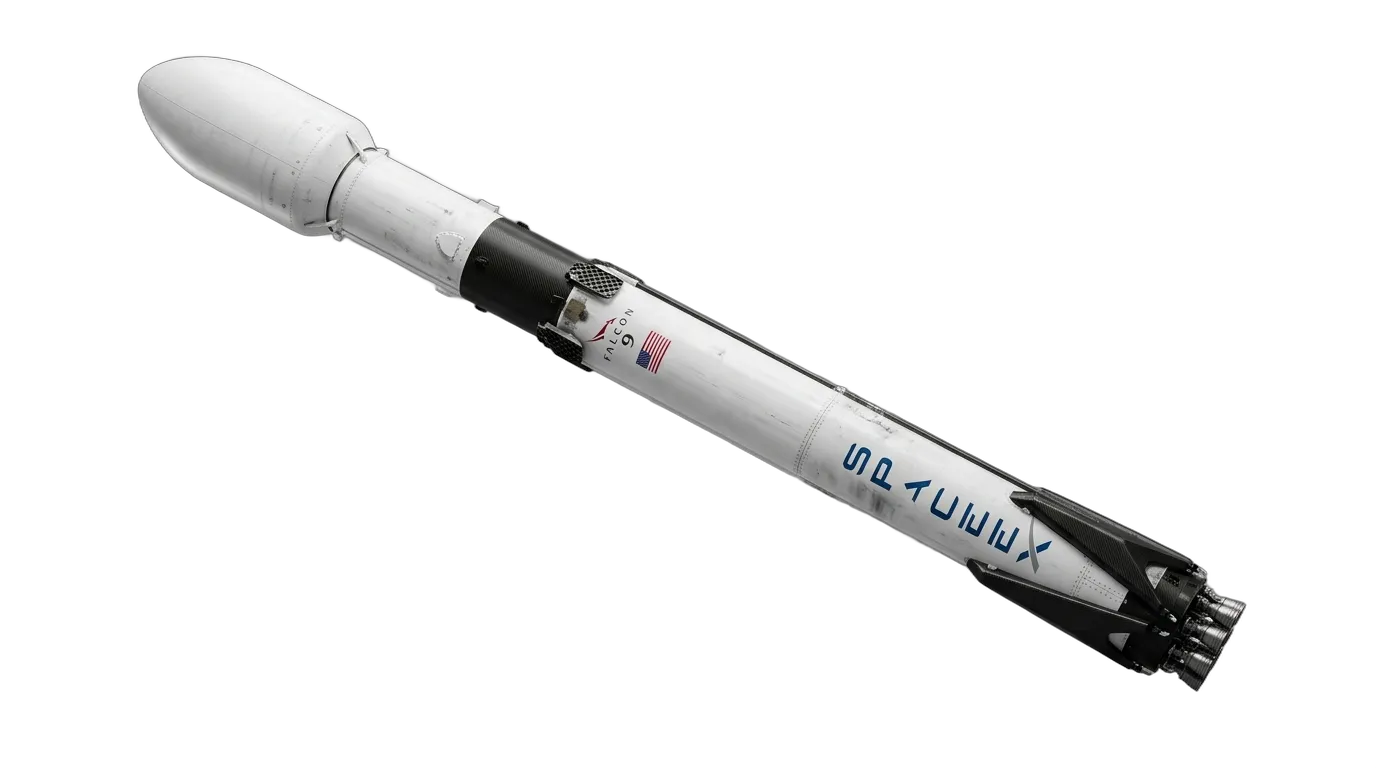
The rocket that proved orbital-class boosters could land and fly again. Falcon 9 shattered launch cost records and became the most frequently launched orbital rocket in history, with over 400 flights. Its first stage has landed over 300 times.
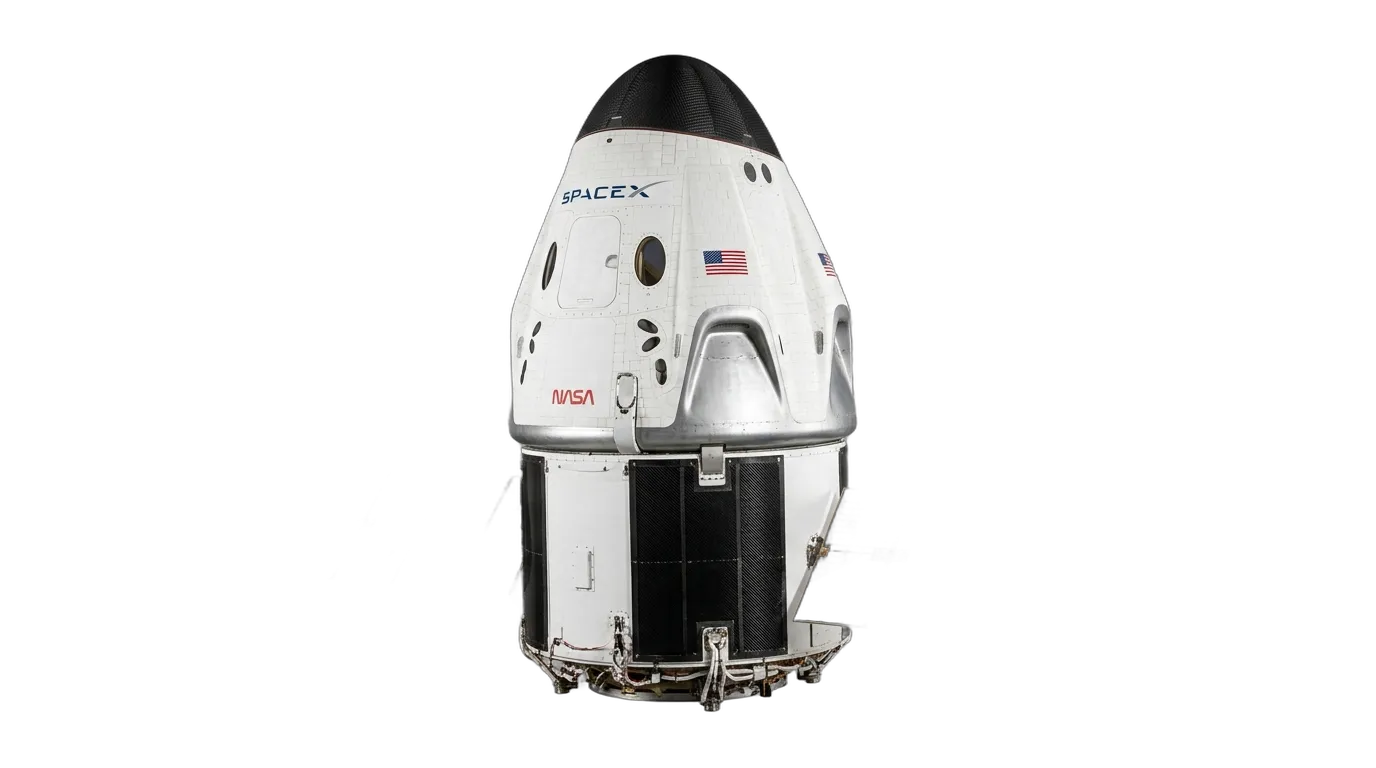
The first commercial crewed orbital spacecraft. Crew Dragon ended America''s nine-year dependence on Russian Soyuz for ISS crew transport and introduced touchscreen-based spacecraft interfaces to human spaceflight.
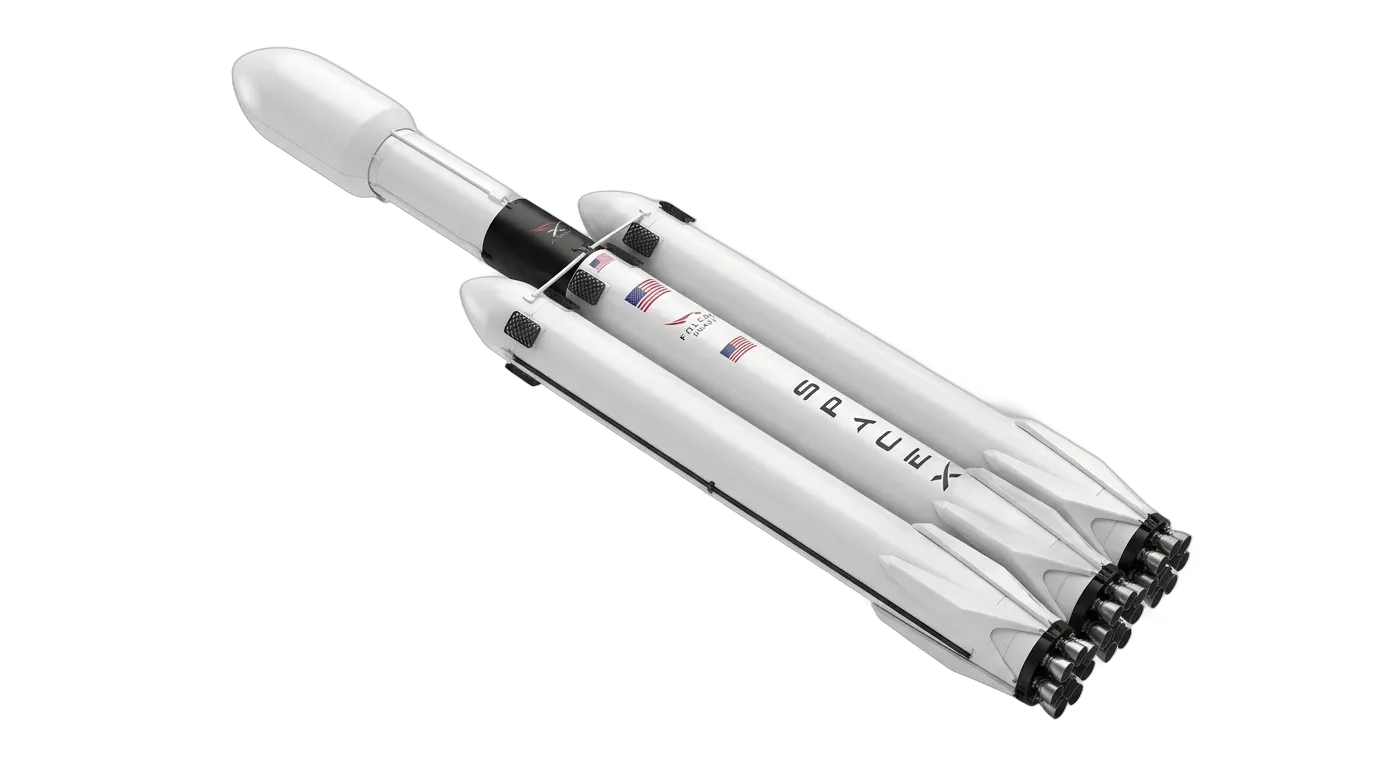
The most powerful operational rocket at its debut in 2018. Three Falcon 9 cores strapped together, producing 5.1 million pounds of thrust. Its maiden flight launched Elon Musk''s Tesla Roadster into a heliocentric orbit past Mars.
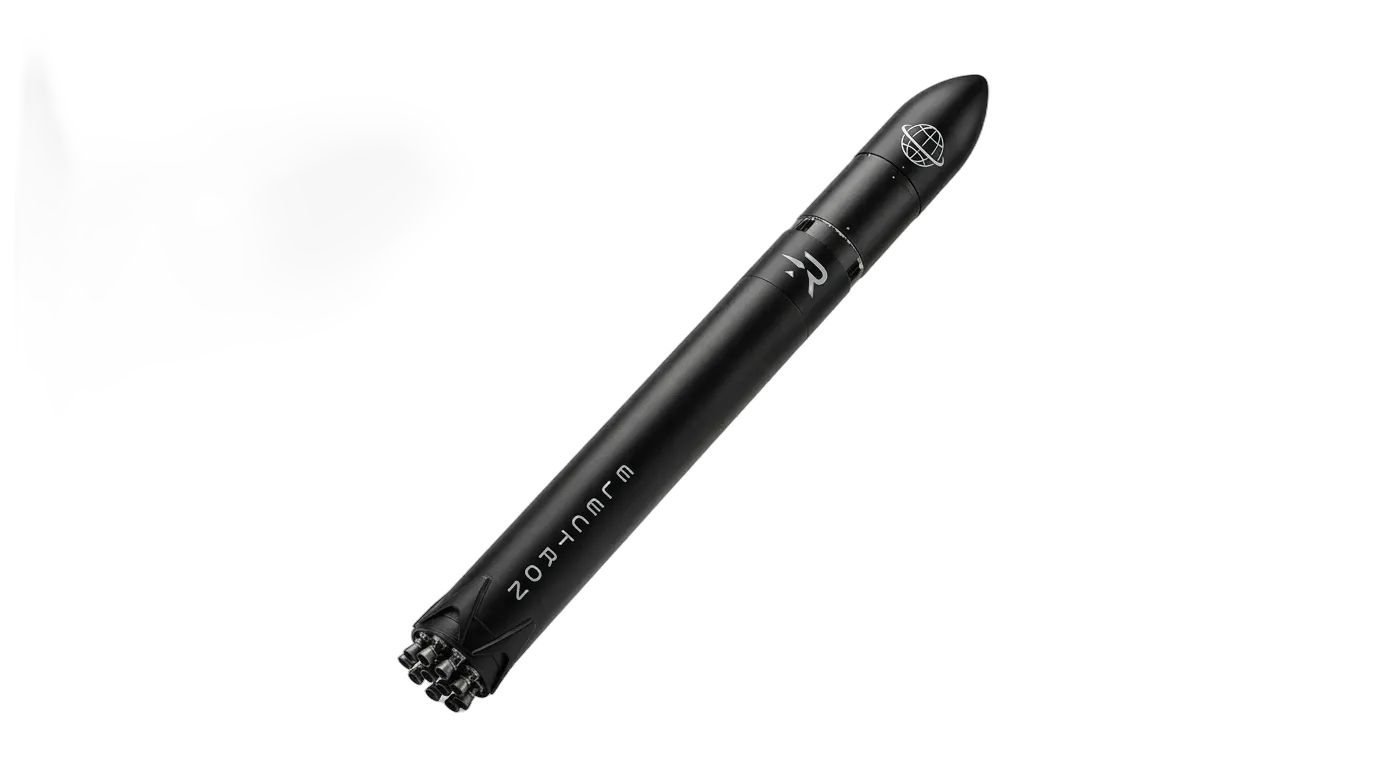
The first orbital rocket with electric-pump-fed engines and the first privately developed orbital rocket from the Southern Hemisphere. Electron pioneered high-cadence small satellite launch and 3D-printed engine components.
The New Space Age
Starship, Webb, and a return to the Moon
The James Webb Space Telescope launched on 25 December 2021 aboard an Ariane 5 rocket. It traveled 1.5 million kilometers to the Sun-Earth L2 point, deployed a 6.5-meter primary mirror and a tennis-court-sized sunshield through 344 single-point-of-failure mechanisms, and began producing images that made Hubble look near-sighted. Webb observes in infrared, seeing the universe as it was 13.5 billion years ago. Its first deep field image, released on 11 July 2022, contained galaxies whose light had traveled for over 13 billion years to reach the mirror.
SpaceX's Starship is the largest and most powerful rocket ever built. The Super Heavy booster, powered by 33 Raptor engines burning liquid methane and liquid oxygen, produces approximately 16.7 million pounds of thrust at liftoff, more than double the Saturn V. The entire vehicle stands 121 meters tall. It is designed to be fully reusable, with both the booster and the upper stage intended to land and fly again.
NASA's Space Launch System and Orion capsule flew their first mission, Artemis I, in November 2022, sending an uncrewed Orion around the Moon and back. The Artemis program aims to return astronauts to the lunar surface for the first time since 1972, with the goal of establishing a sustained presence.
China's Tiangong space station reached full operational capability in 2022, making China only the third nation to independently operate a crewed space station. India's Chandrayaan-3 achieved a soft landing near the lunar south pole on 23 August 2023, making India the fourth nation to land on the Moon and the first to land near the south pole. The Ingenuity helicopter on Mars completed 72 flights, proving powered flight is possible in the thin Martian atmosphere.
The pace of launch has accelerated dramatically. In 2023, there were over 210 orbital launch attempts worldwide, more than double the rate a decade earlier. SpaceX alone accounted for nearly half, launching a Falcon 9 approximately every three days. The cost of access to orbit has fallen by roughly 95% since the Shuttle era.
Key Moments
Featured Vehicles
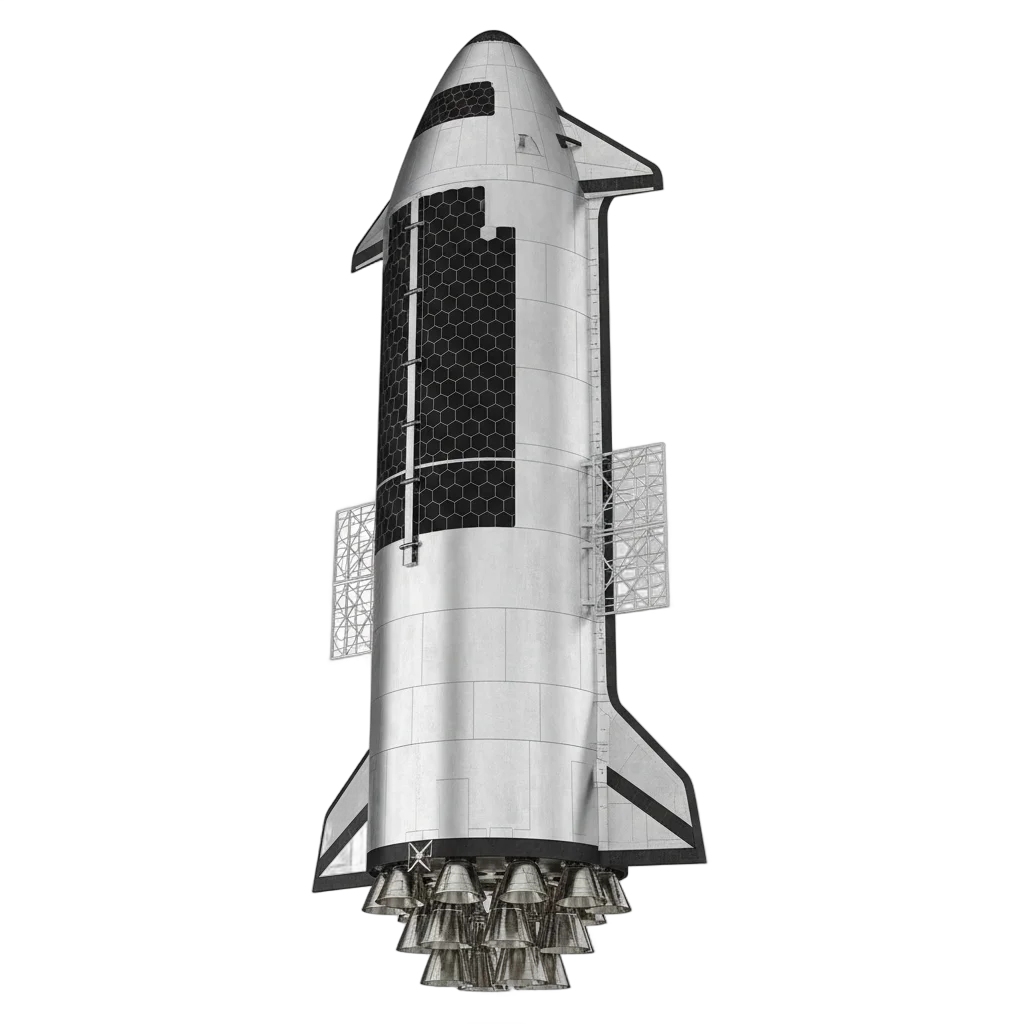
The largest and most powerful rocket ever built, designed for full reusability. Its 33 Raptor engines produce 16.7 million pounds of thrust, more than twice Saturn V. The Super Heavy booster''s mid-air catch by the launch tower''s mechanical arms in October 2024 was a watershed moment in spaceflight history.
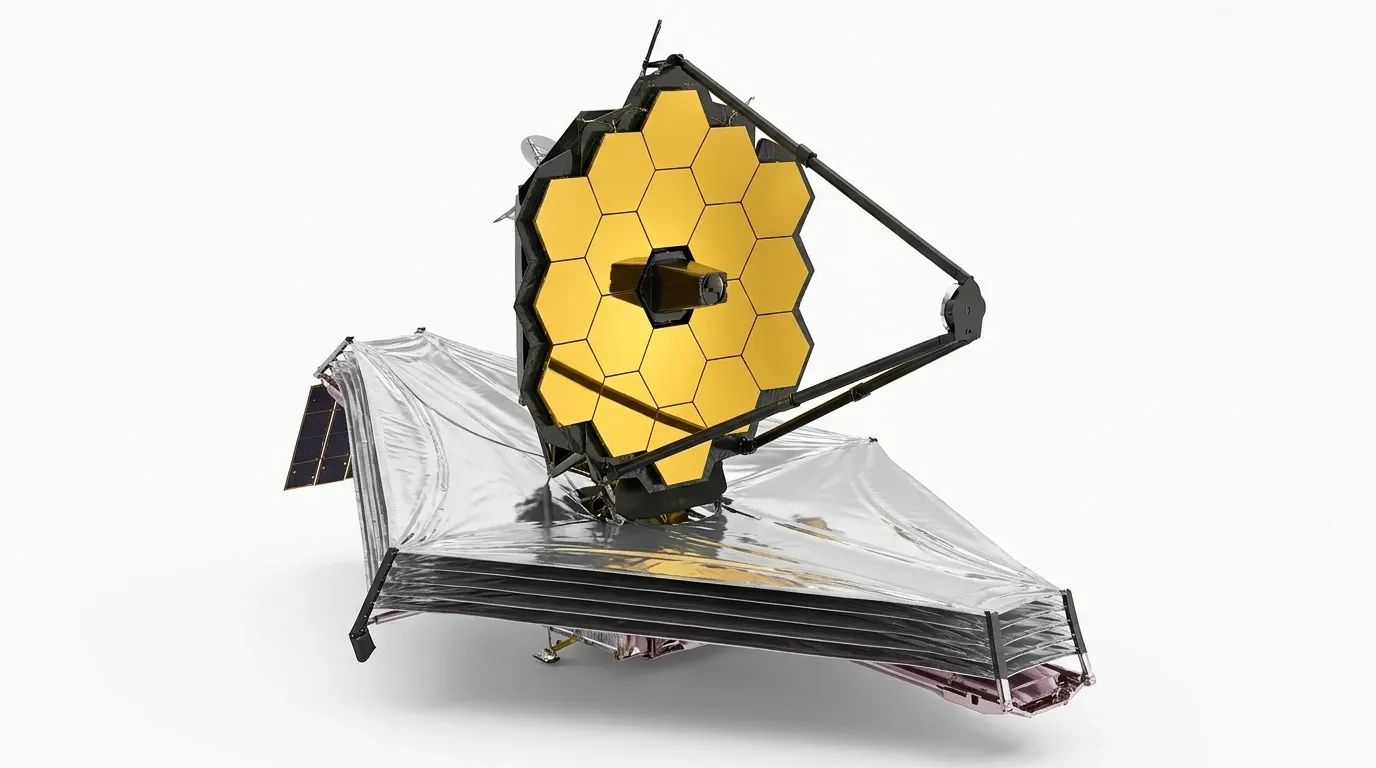
The most powerful space telescope ever built. Orbiting a million miles from Earth at the L2 Lagrange point, Webb observes the universe in infrared, revealing the first galaxies formed after the Big Bang and analyzing the atmospheres of exoplanets for signs of habitability.
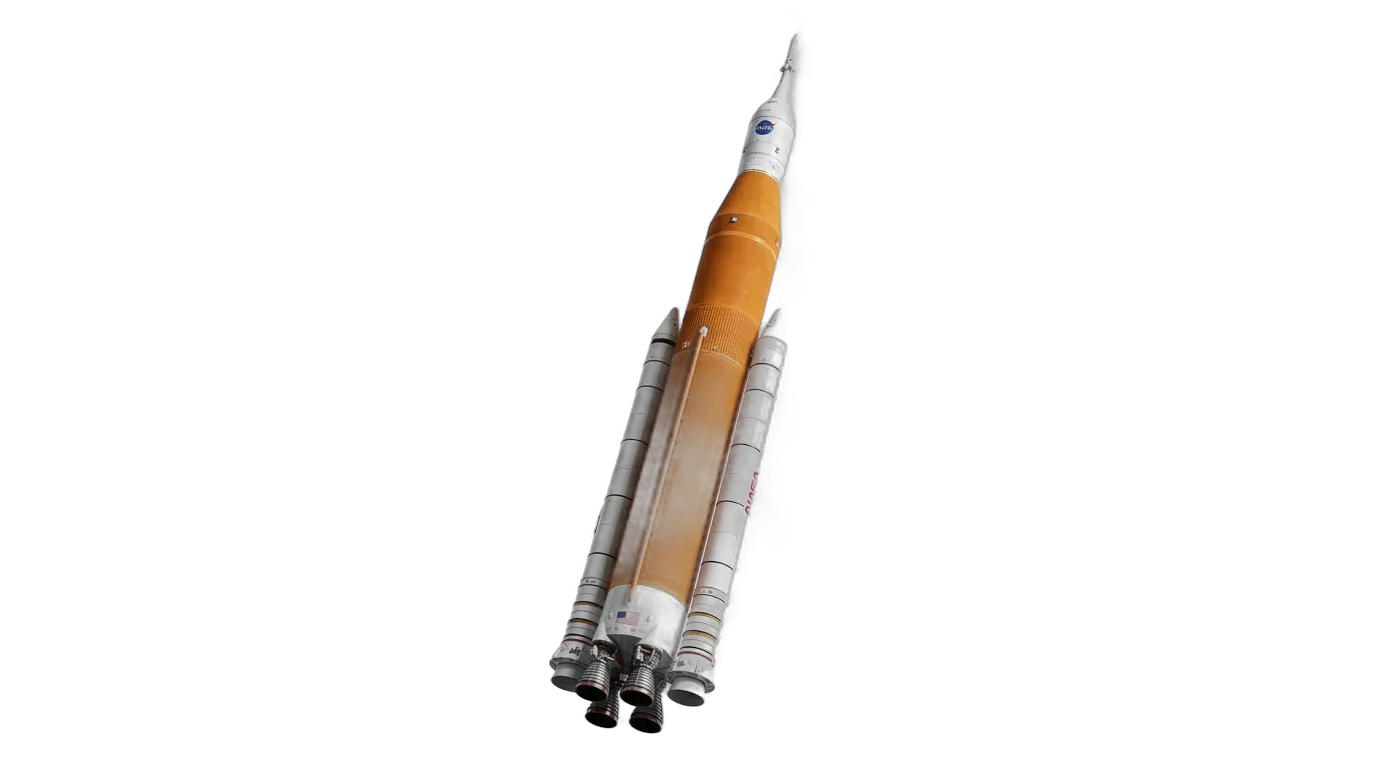
The most powerful rocket to fly when it launched Artemis I in November 2022. SLS uses four Space Shuttle-era RS-25 engines and two five-segment solid rocket boosters, producing 8.8 million pounds of thrust. It is NASA''s vehicle for returning humans to the Moon.
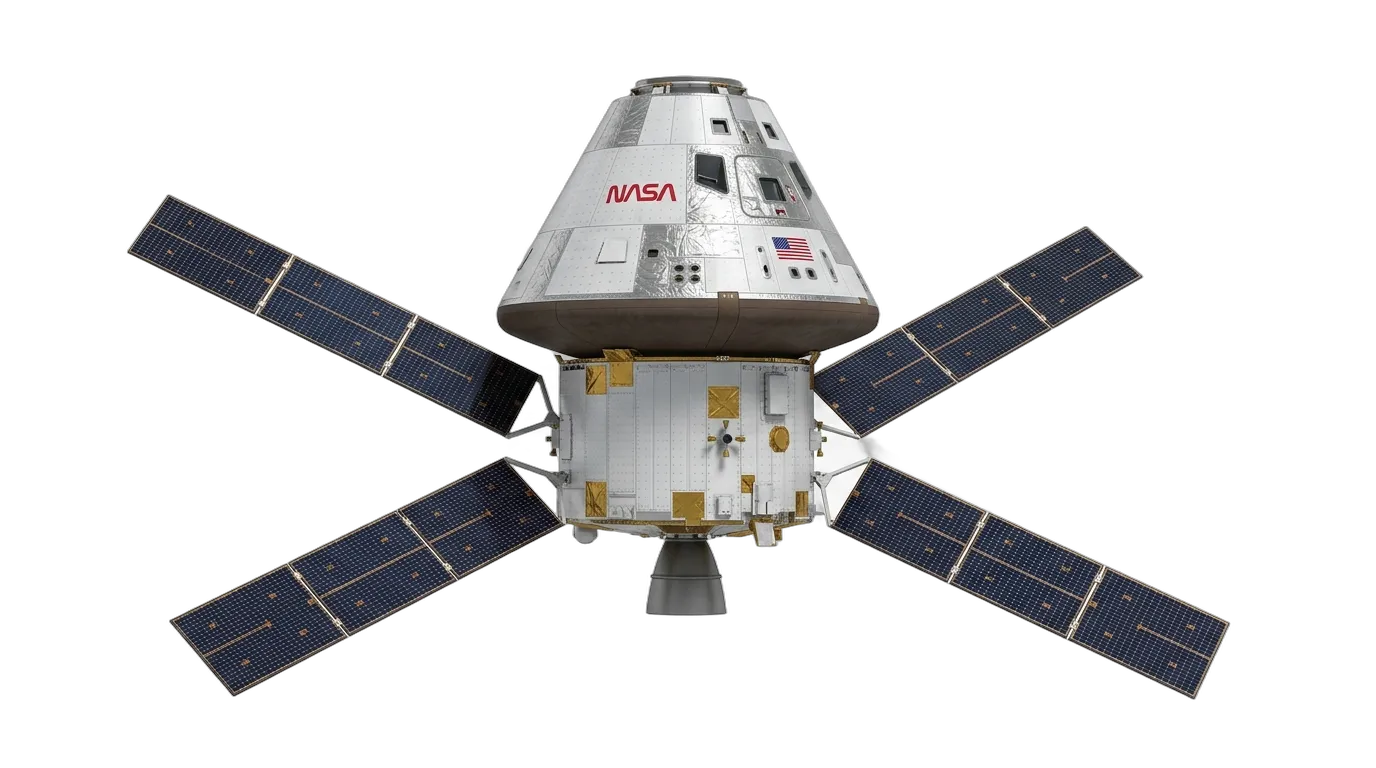
NASA''s deep-space crew vehicle for the Artemis Moon program. Orion flew farther from Earth than any spacecraft designed for humans when it traveled 268,563 miles during Artemis I. It is the only active vehicle designed to return crews from lunar distances.
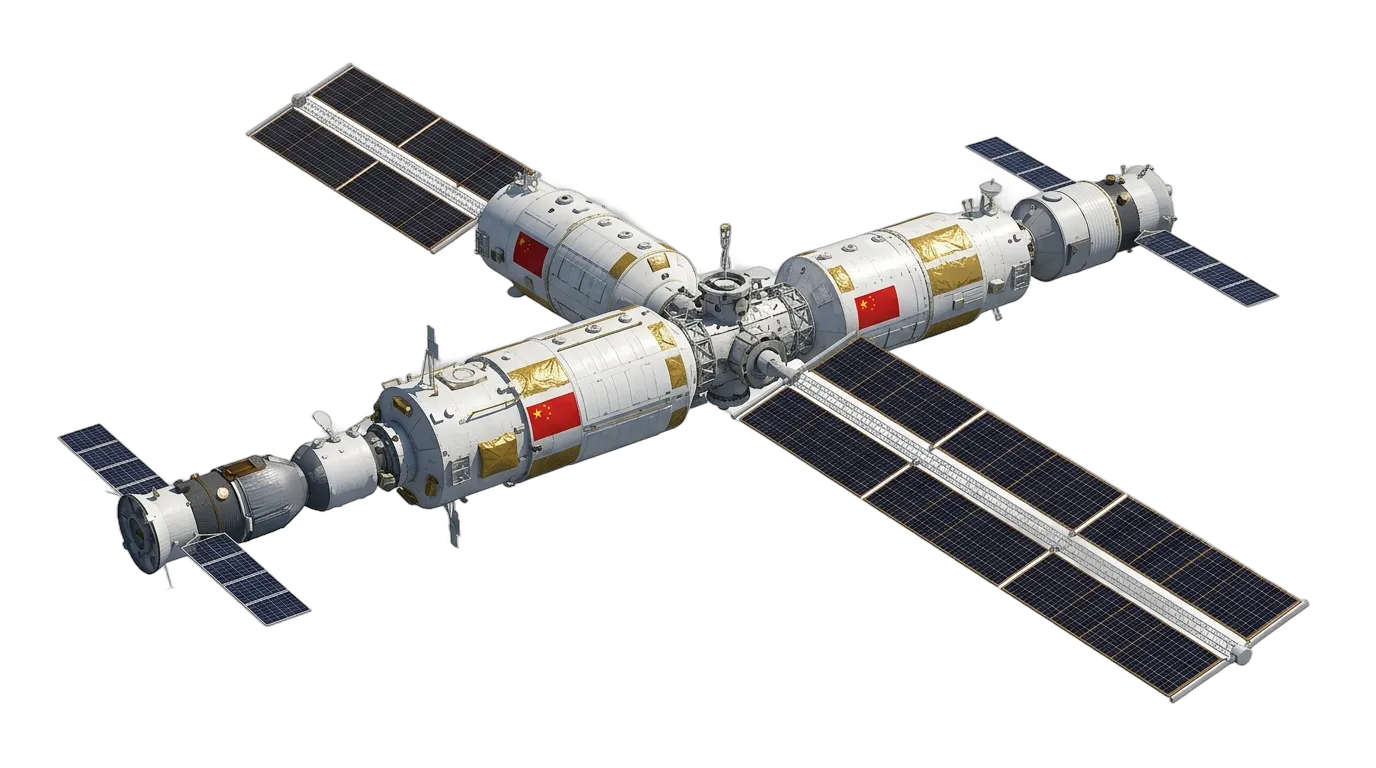
China''s permanent modular space station, the third multi-module station after Mir and the ISS. Continuously crewed since June 2022, Tiangong represents China''s emergence as one of only two nations operating a crewed orbital facility.
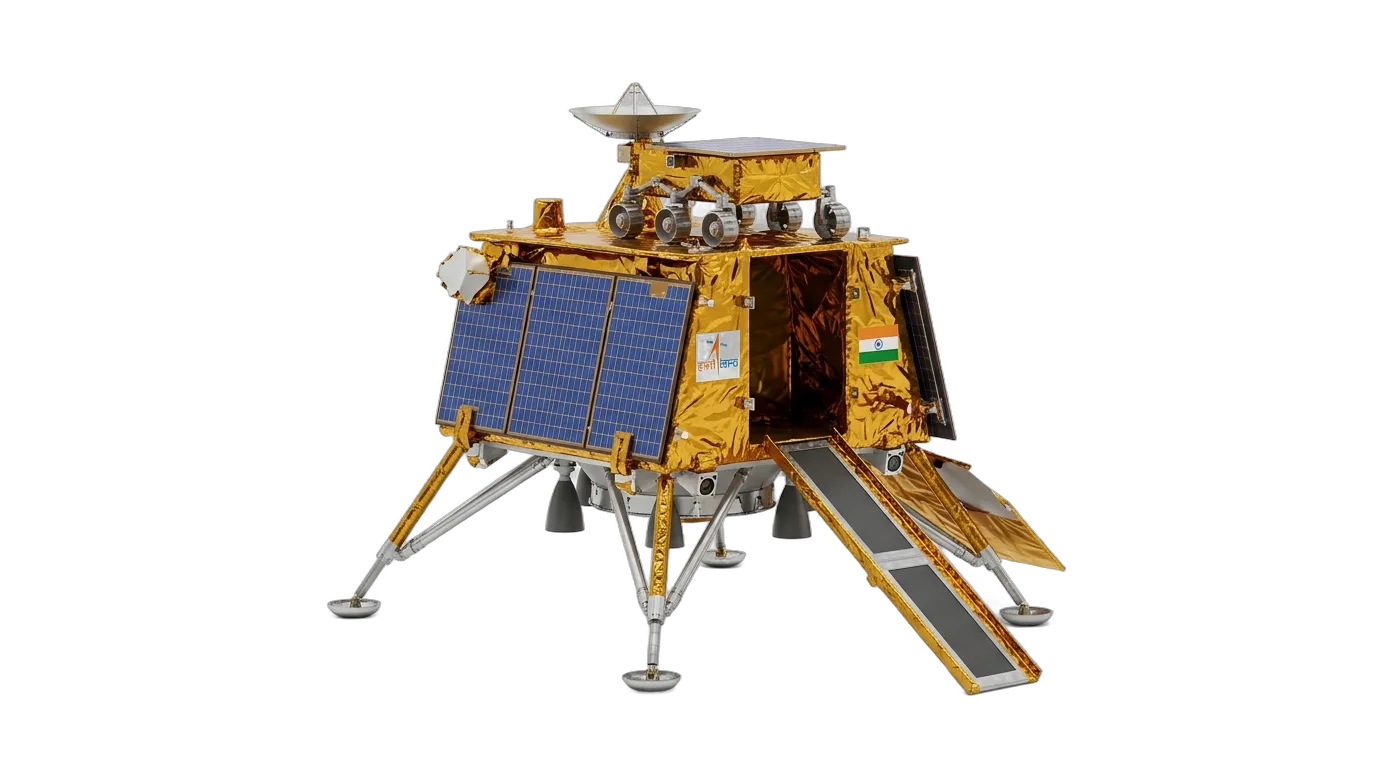
Made India the fourth nation to soft-land on the Moon and the first to land near the lunar south pole. The Vikram lander and Pragyan rover operated for one lunar day, detecting sulfur and other elements in the south polar soil.
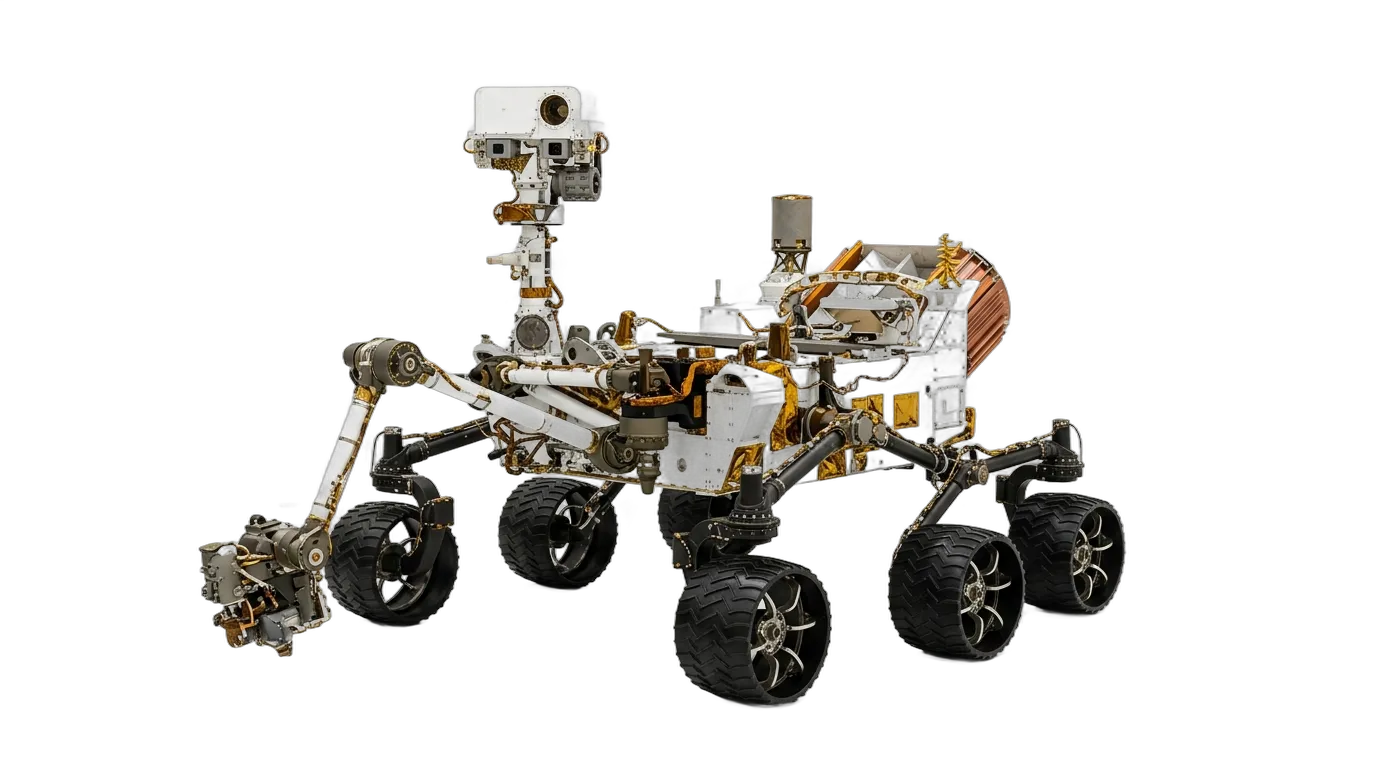
Collecting and caching Mars samples for a future return mission to Earth. Perseverance carried Ingenuity, the first aircraft to achieve powered flight on another planet. The rover is the most advanced mobile laboratory ever sent to another world.
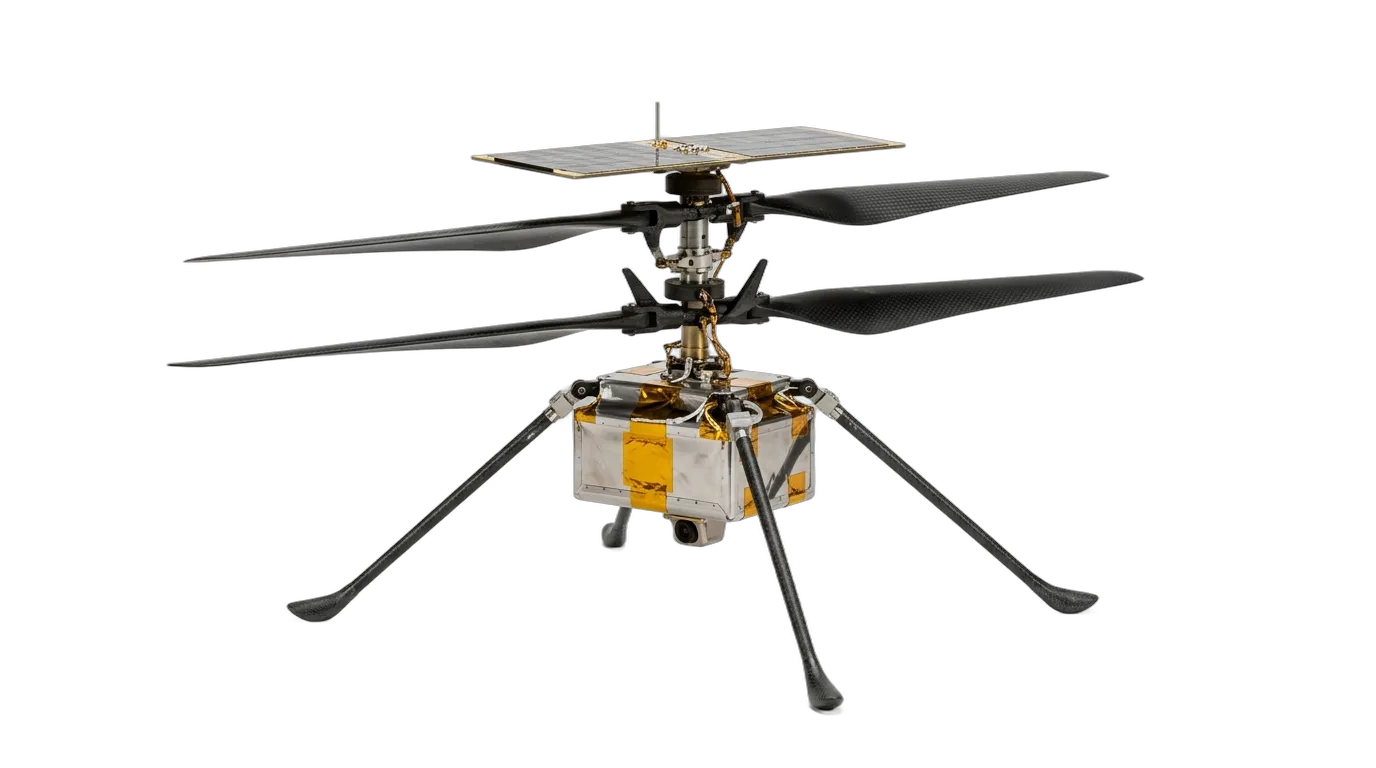
The first powered aircraft to fly on another planet. Designed for five flights, Ingenuity completed 72 over nearly three years, fundamentally proving that aerial exploration of Mars is possible.
What Comes Next
Mars, lunar bases, and the interplanetary horizon
Mars is, at closest approach, roughly 55 million kilometers from Earth. A crewed mission would take six to nine months each way, require radiation shielding that does not yet exist in flight-proven form, and demand in-situ resource utilization to produce return propellant. Starship is designed with Mars colonization as its explicit purpose. Whether that timeline is measured in years or decades remains an open question.
Closer to home, the Artemis program envisions a sustained lunar presence through the Gateway orbital station and permanent surface habitats near the south pole, where permanently shadowed craters may contain water ice. China has announced plans for a joint lunar research station with Russia. The Moon is becoming a destination again, not for flags and footprints, but for infrastructure.
The trajectory is clear. In 1957, reaching orbit required the resources of a superpower. In 2024, it requires a Series B funding round. The cost curve is still falling. The number of spacefaring nations is still rising. The vehicles documented in this archive represent the first eight decades of a story that, by every measure, is accelerating.
Continue exploring
The vehicles in this history are documented in full in the Space Heritage archive: verified specifications, multi-angle imagery, engineer attribution, and primary source references.