Space Shuttle
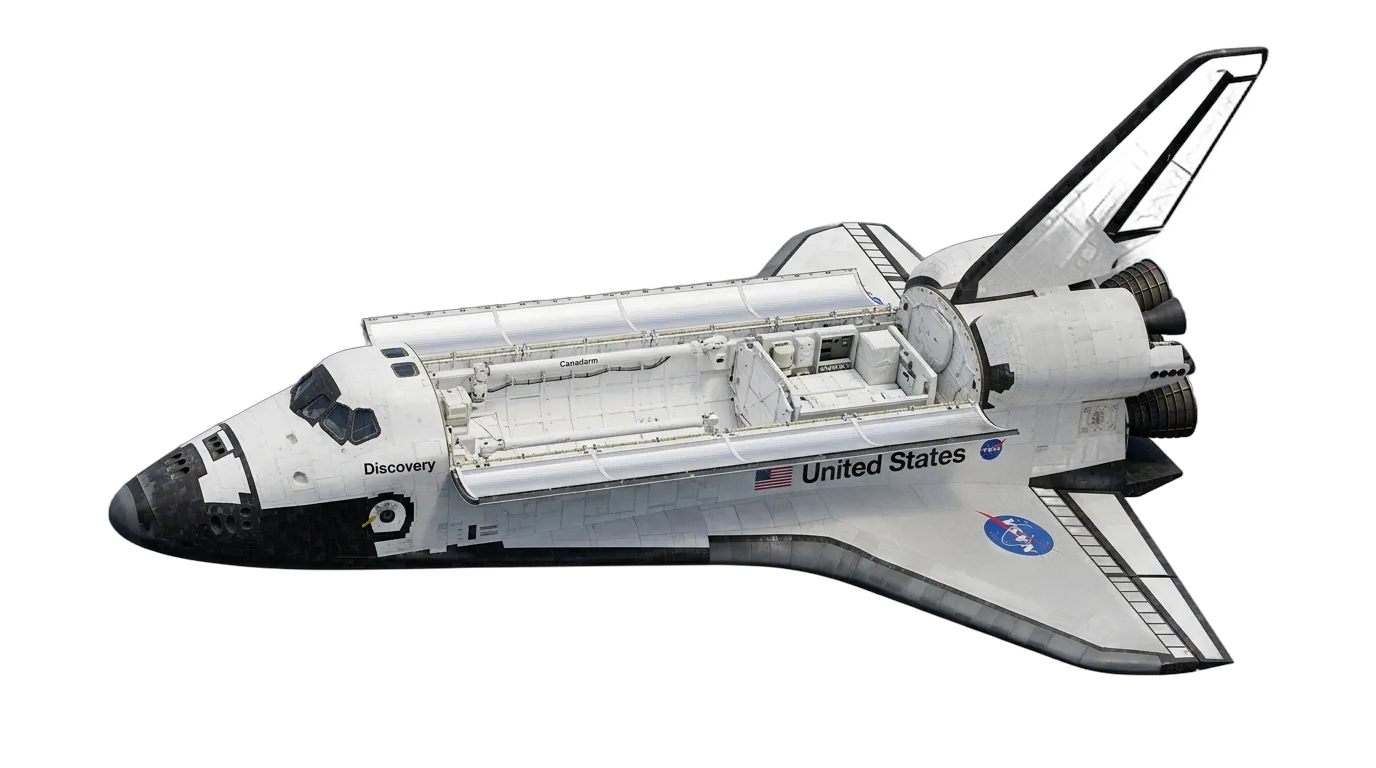
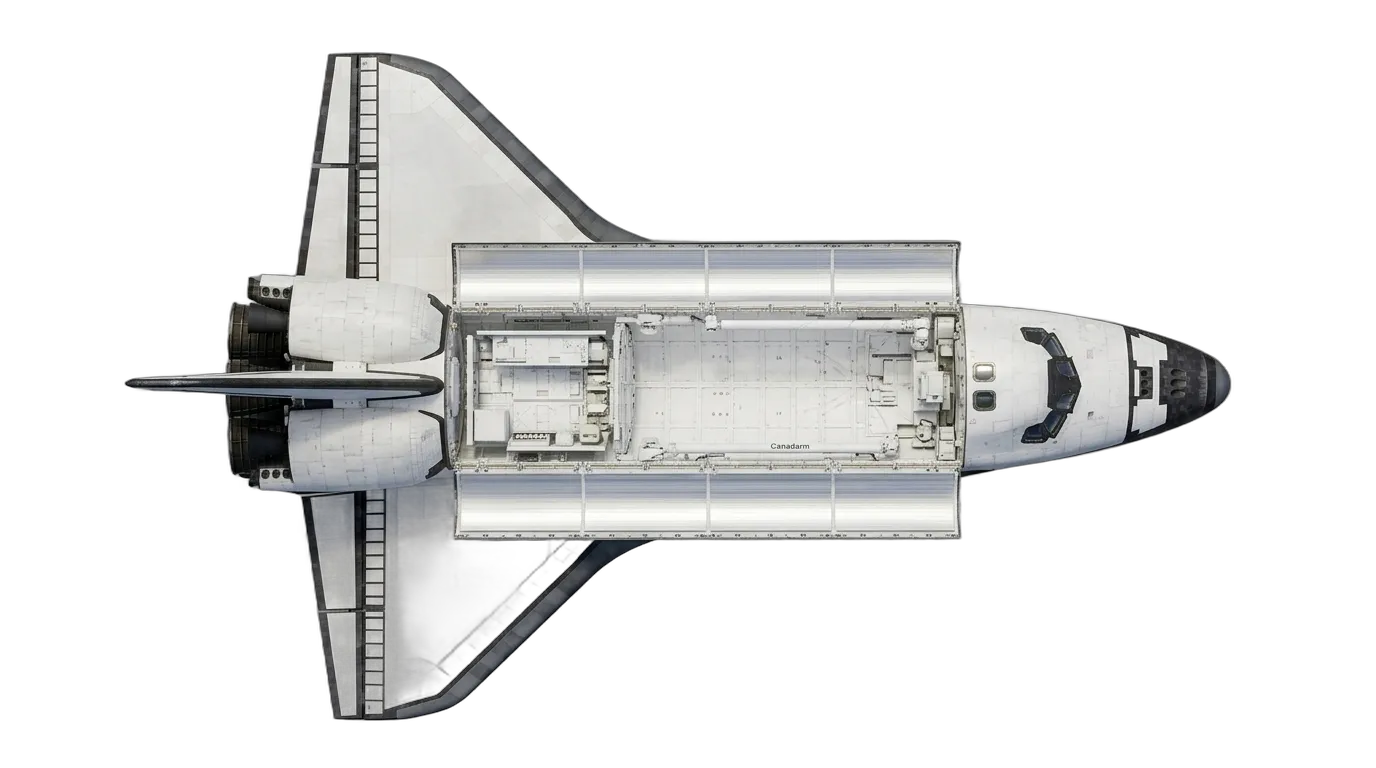
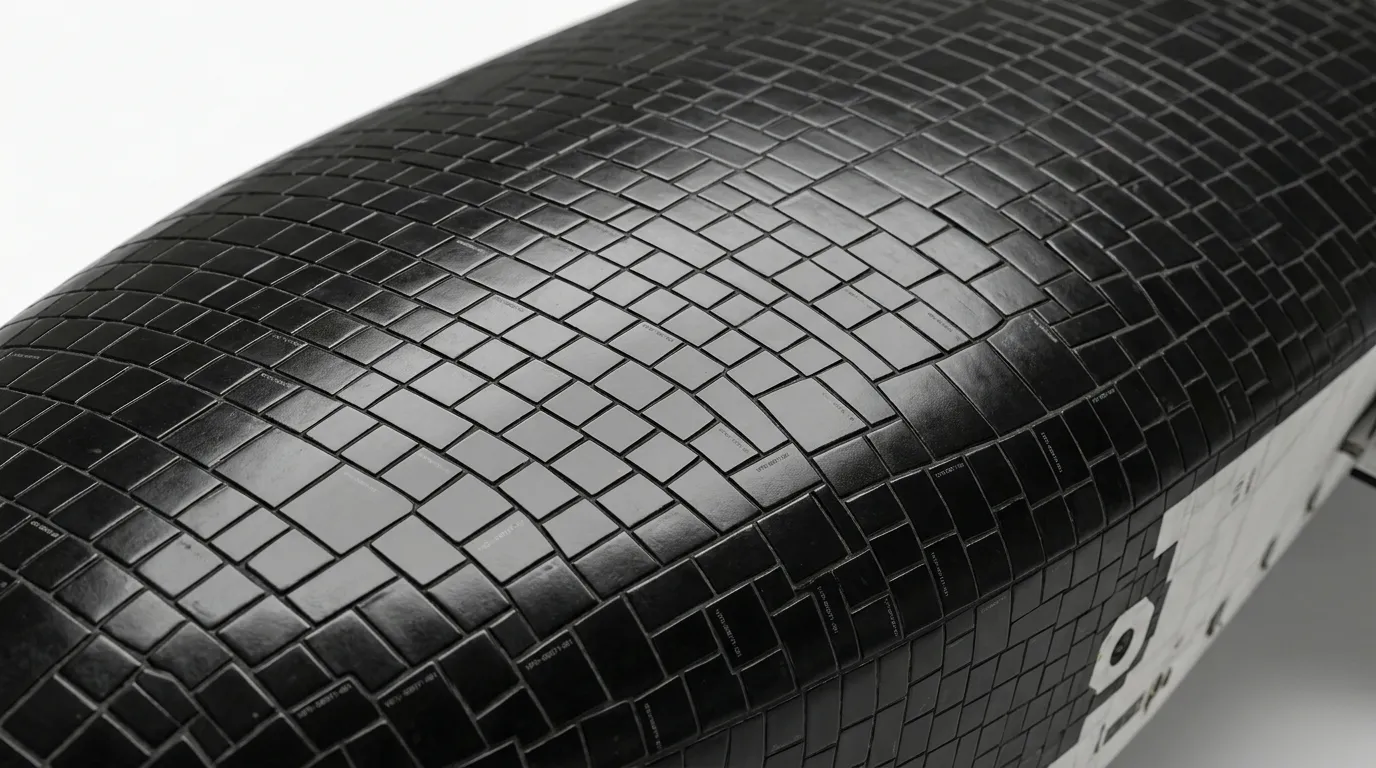
The world''s first reusable crewed spacecraft. Over 30 years and 135 missions, the Shuttle deployed and serviced the Hubble Space Telescope, built the International Space Station, and carried 355 individual astronauts to orbit. Its losses -- Challenger in 1986 and Columbia in 2003 -- remain the deadliest disasters in spaceflight history.
History
After Apollo, NASA sought a vehicle that could make space access routine and affordable. The Space Transportation System was designed to launch vertically like a rocket and land horizontally like a glider, with a promised turnaround time of two weeks between flights. That vision proved devastatingly optimistic -- actual turnaround required months and cost approximately $1.5 billion per flight.
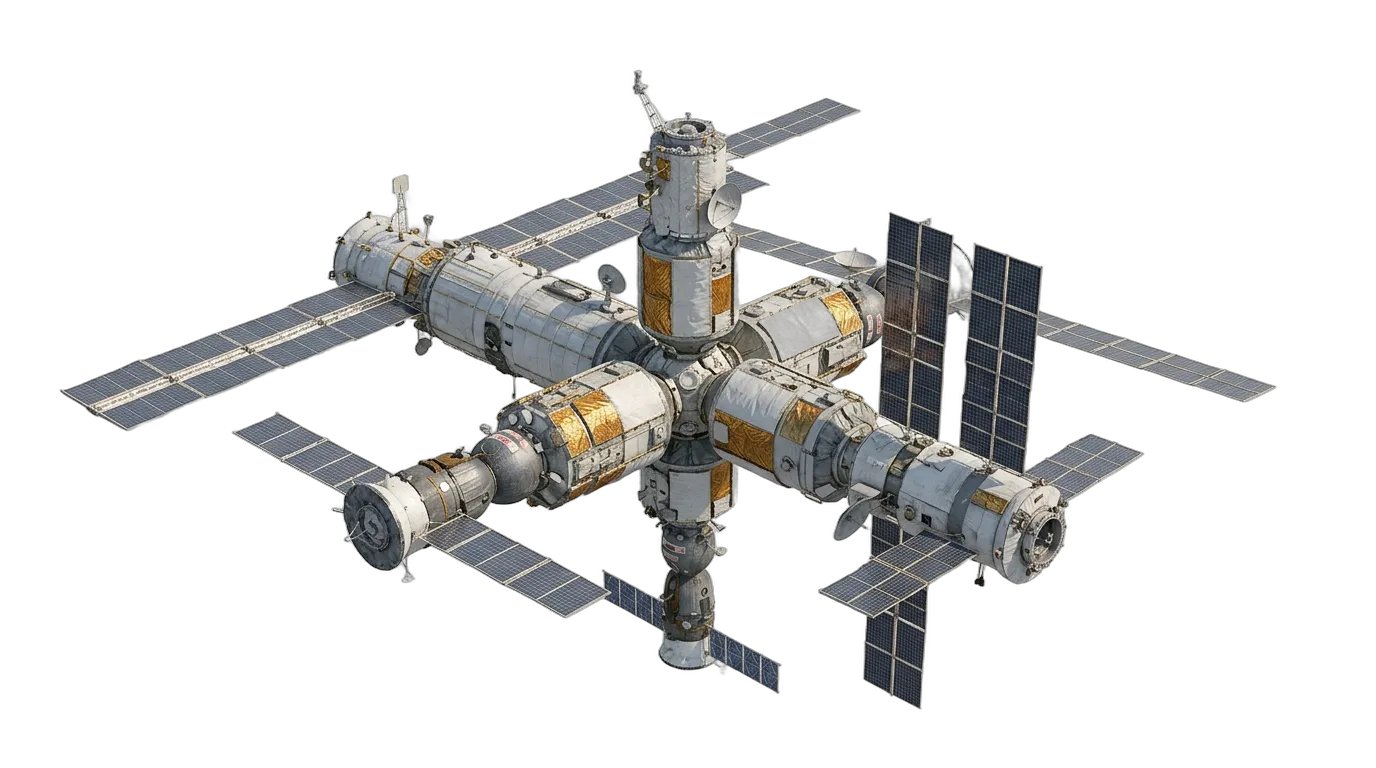
But the Shuttle''s capabilities were genuinely unmatched. Its 60-foot payload bay could carry 55,000 pounds to low Earth orbit. Astronauts could deploy satellites, retrieve and repair them, conduct experiments in the Spacelab pressurized module, and assemble structures in space. The Shuttle built the International Space Station over the course of 37 assembly missions, carrying the station''s largest components in its cavernous cargo bay.
The five orbiters -- Columbia, Challenger, Discovery, Atlantis, and Endeavour -- flew 135 missions between April 1981 and July 2011. The program''s two tragedies reshaped how NASA and the aerospace industry approach risk. Challenger''s destruction 73 seconds after launch on January 28, 1986, was caused by a failed O-ring in a solid rocket booster, a known design flaw that managers had accepted as an operational risk. Columbia broke apart during reentry on February 1, 2003, after foam insulation from the external tank damaged its heat shield during launch.
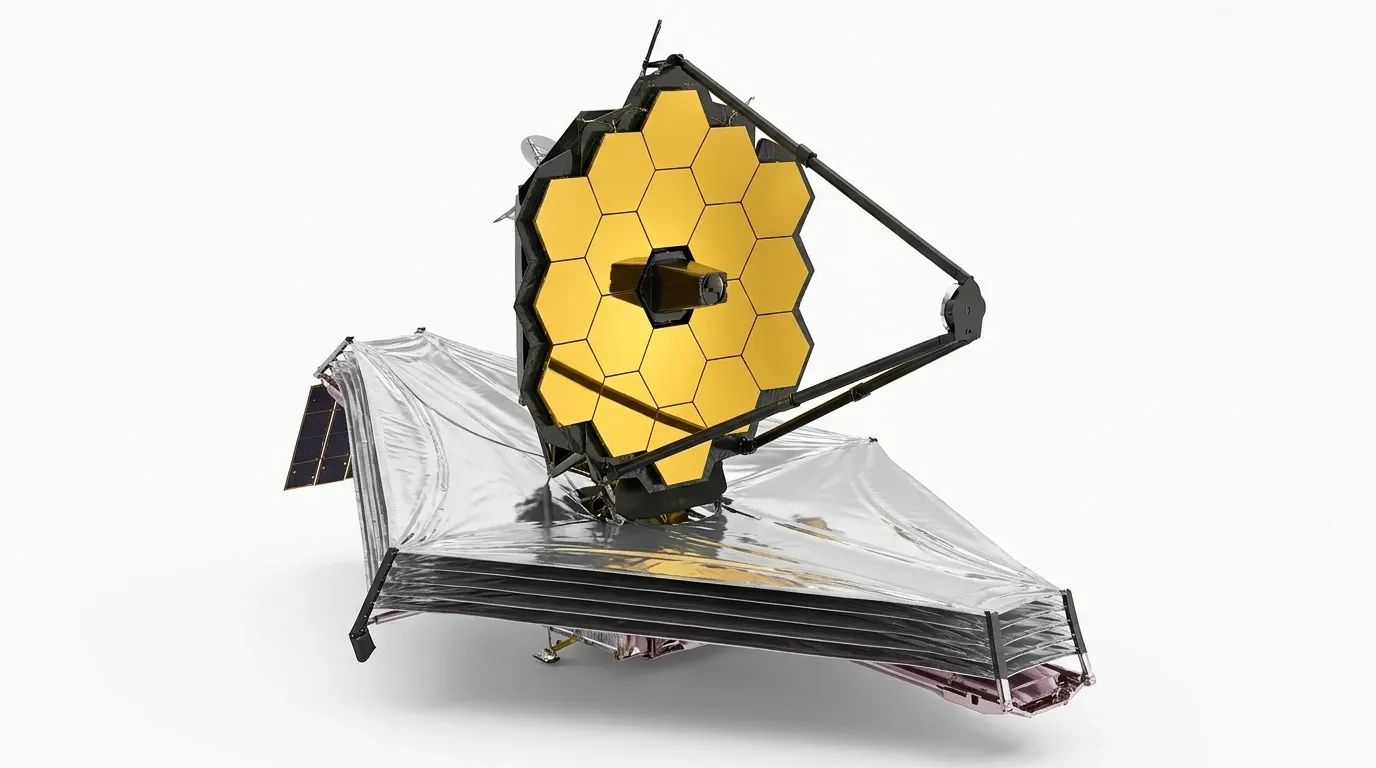
The Shuttle serviced the Hubble Space Telescope five times, transforming it from an embarrassing failure (its mirror was slightly wrong) into the most productive scientific instrument ever placed in orbit. It carried the Chandra X-ray Observatory, the Magellan Venus probe, and the Galileo Jupiter probe. It launched 355 individual astronauts from 16 countries. When Atlantis touched down on July 21, 2011, it ended the most versatile -- and most controversial -- chapter in human spaceflight.
Timeline
Launch Heritage
- Hubble Space Telescope
- ISS assembly
- Challenger STS-51-L
- Columbia STS-107
Technical Specifications
Propulsion
Performance
Dimensions
Mass
Mission
Power & Systems
Source: NASA
Tags
Designed by Maxime Faget