
Saturn V
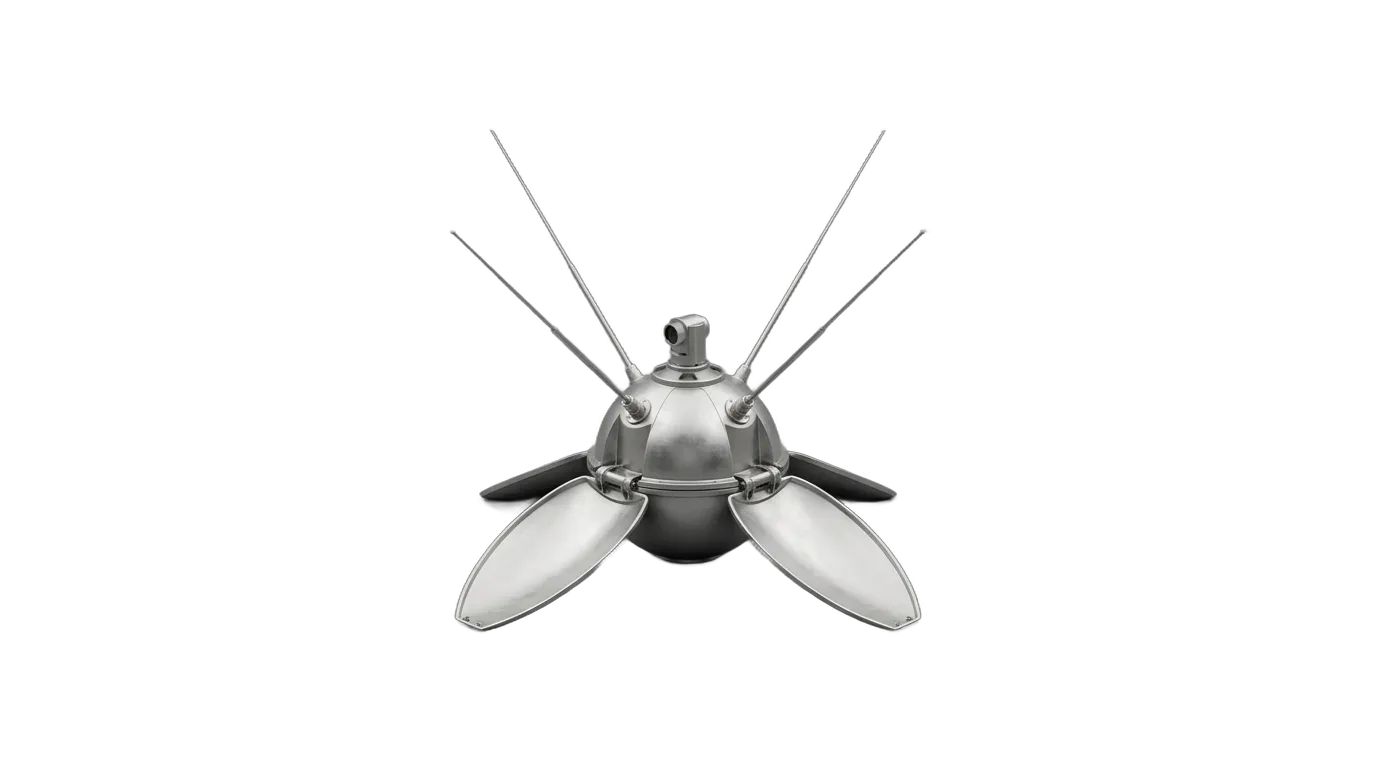
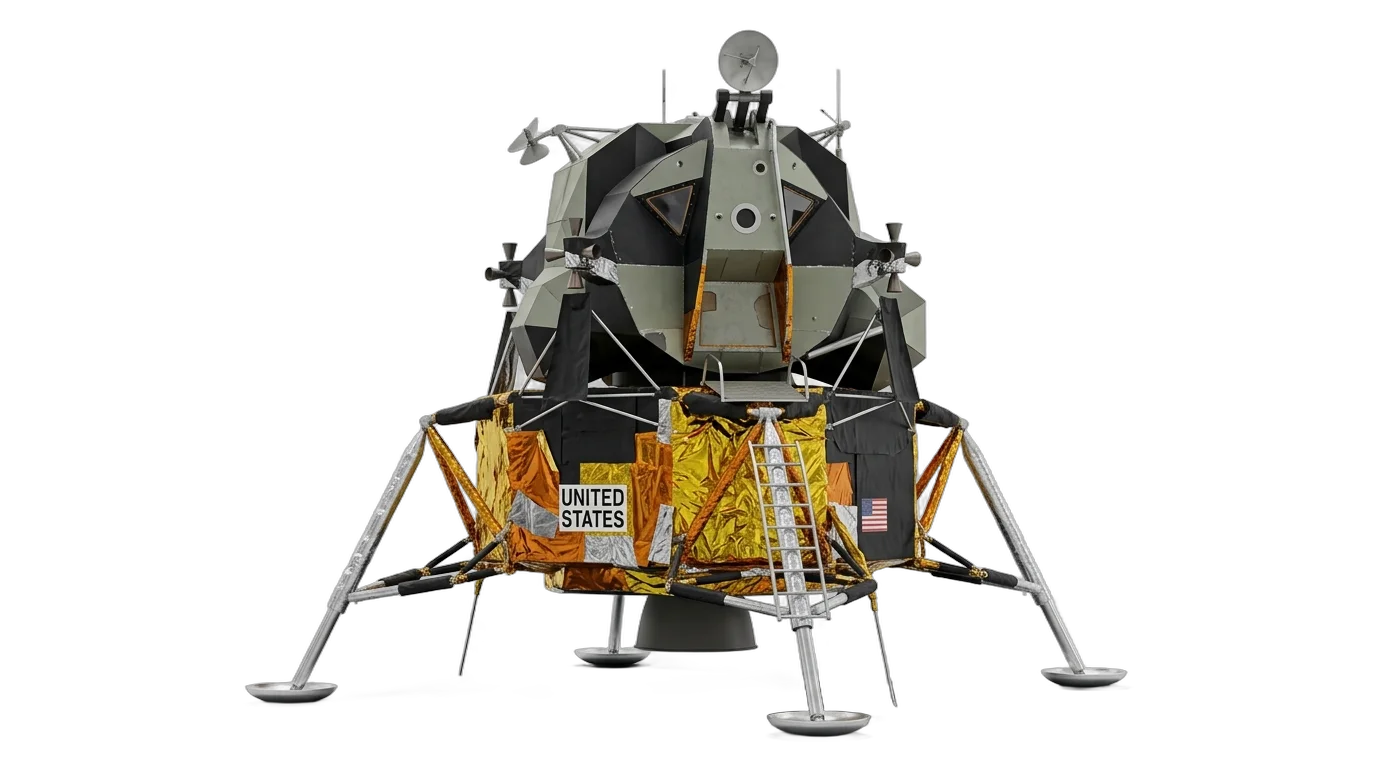
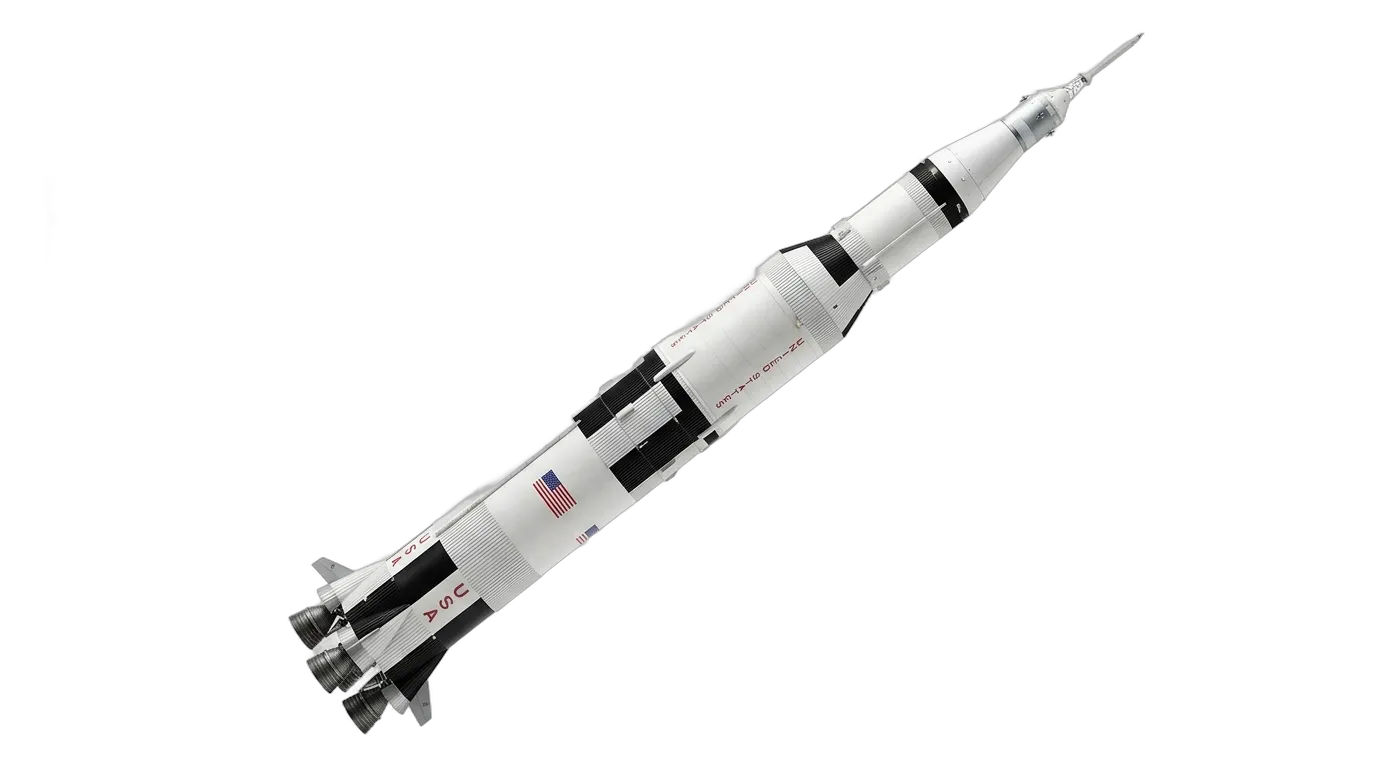
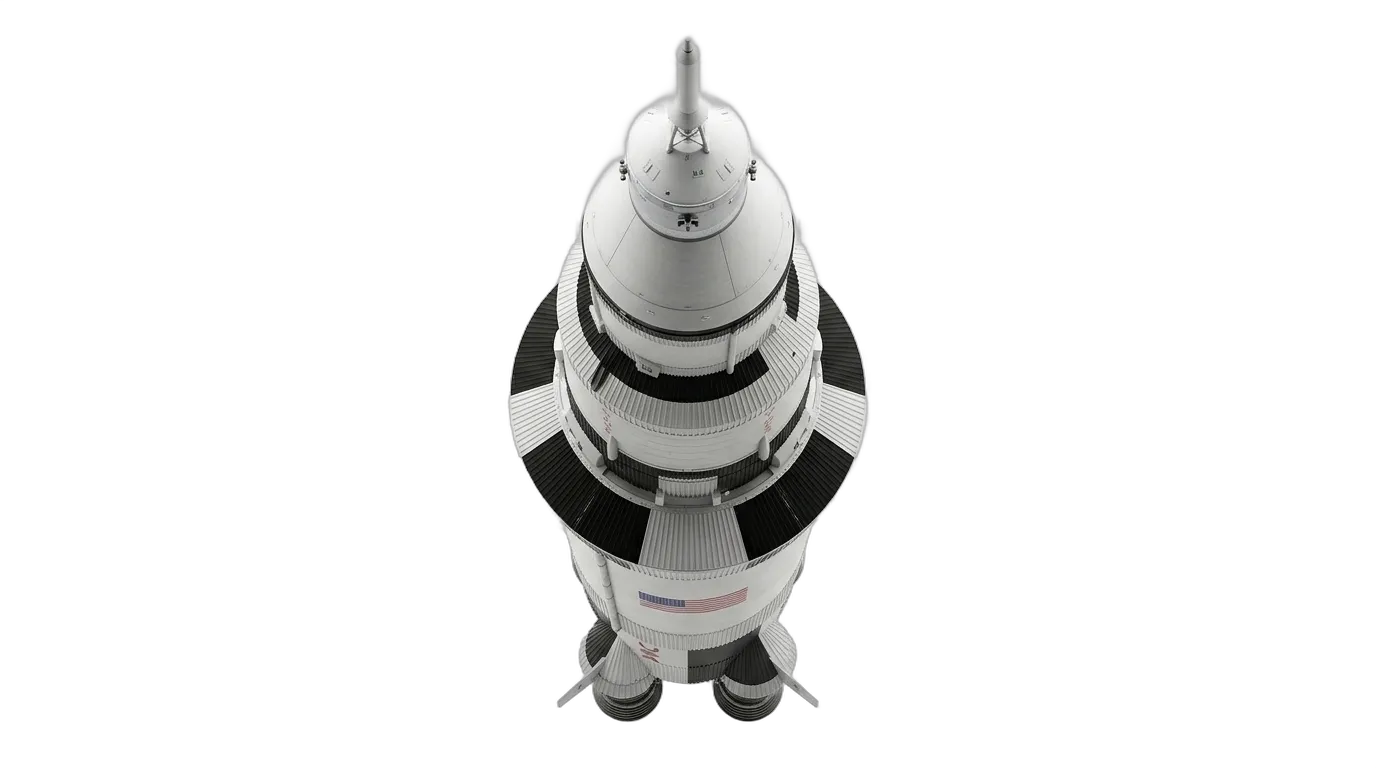
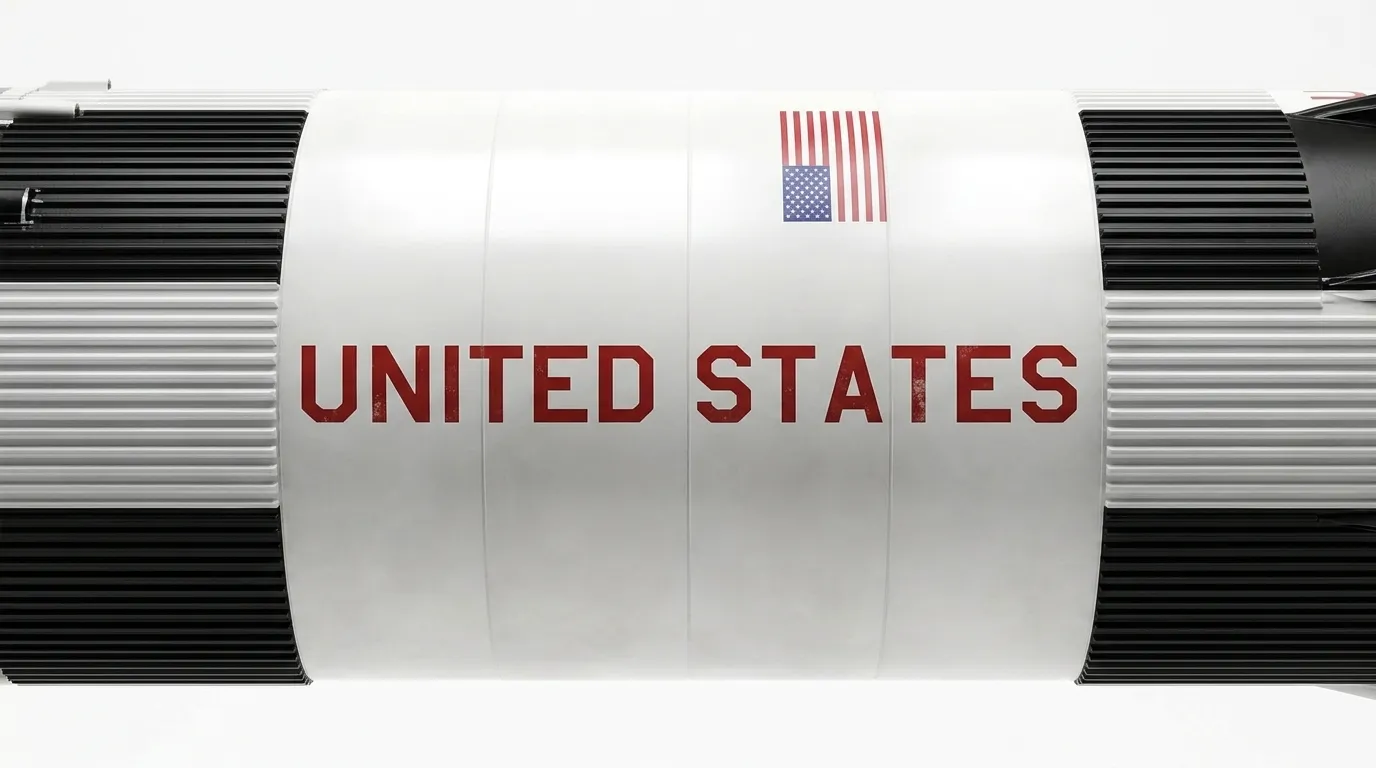
The most powerful rocket ever successfully flown, with a perfect 13-for-13 record. Saturn V carried every Apollo crew to the Moon and delivered Skylab to orbit. Each of its five F-1 first-stage engines produced 1.5 million pounds of thrust, burning three tonnes of propellant per second.
History
The Saturn V was born from President Kennedy''s 1961 challenge to land a man on the Moon before the decade''s end. Under the direction of Wernher von Braun at NASA''s Marshall Space Flight Center in Huntsville, Alabama, the rocket grew from concept to flight hardware in just six years -- an engineering timeline that remains almost incomprehensible by modern standards.
The vehicle stood 363 feet tall, taller than the Statue of Liberty, and weighed 6.5 million pounds fully fueled. Its three stages were built by different contractors: Boeing built the S-IC first stage in New Orleans, North American Aviation built the S-II second stage in Seal Beach, California, and Douglas Aircraft built the S-IVB third stage in Huntington Beach. The massive components were transported by barge through the Panama Canal and up the Atlantic coast to Cape Kennedy.
The first stage''s five F-1 engines produced 7.5 million pounds of thrust at liftoff. The turbopump on a single F-1 engine generated 55,000 horsepower -- more than a nuclear submarine. Engineers solved the critical problem of combustion instability by deliberately detonating small bombs inside the combustion chamber during tests and studying how the flames recovered. It was engineering by controlled destruction.
Saturn V''s first unmanned test flight, Apollo 4, on November 9, 1967, was so powerful that the vibrations shook the CBS broadcast building three miles away, sending ceiling tiles cascading down onto Walter Cronkite during his live broadcast. Every subsequent flight succeeded. The vehicle launched 24 astronauts toward the Moon across nine lunar missions, placing 12 men on the lunar surface. Its final flight launched the Skylab space station on May 14, 1973.
Three unused Saturn V rockets were sent to museums rather than scrapped, where they remain among the most popular exhibits in American aerospace history. The decision to end production and destroy the tooling has been called one of the greatest mistakes in space policy -- when NASA needed heavy-lift capability again decades later, it had to start essentially from scratch.
Timeline
Launch Heritage
- Apollo 8 (first lunar orbit, Dec 1968)
- Apollo 11 (first Moon landing, Jul 1969)
- Apollo 12-17 (lunar exploration missions)
- Skylab launch (final flight, May 1973)
Technical Specifications
Propulsion
Performance
Dimensions
Mass
Mission
Power & Systems
Source: NASA
Tags
Designed by Wernher von Braun
Featured in
Featured in Collections


Keep Exploring
View all vehicles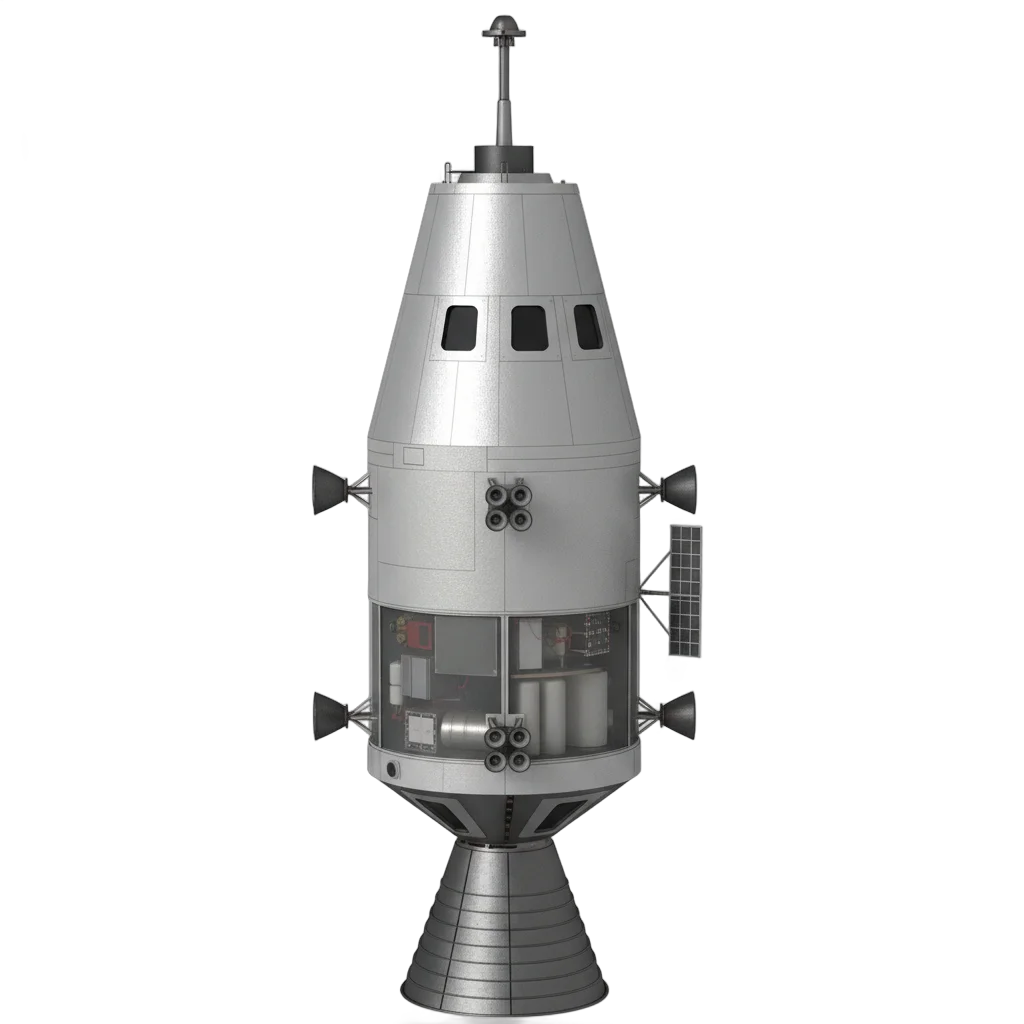
North American Aviation
Apollo Command/Service Module
1966 - 1975 · Crewed Spacecraft
NASA/JPL
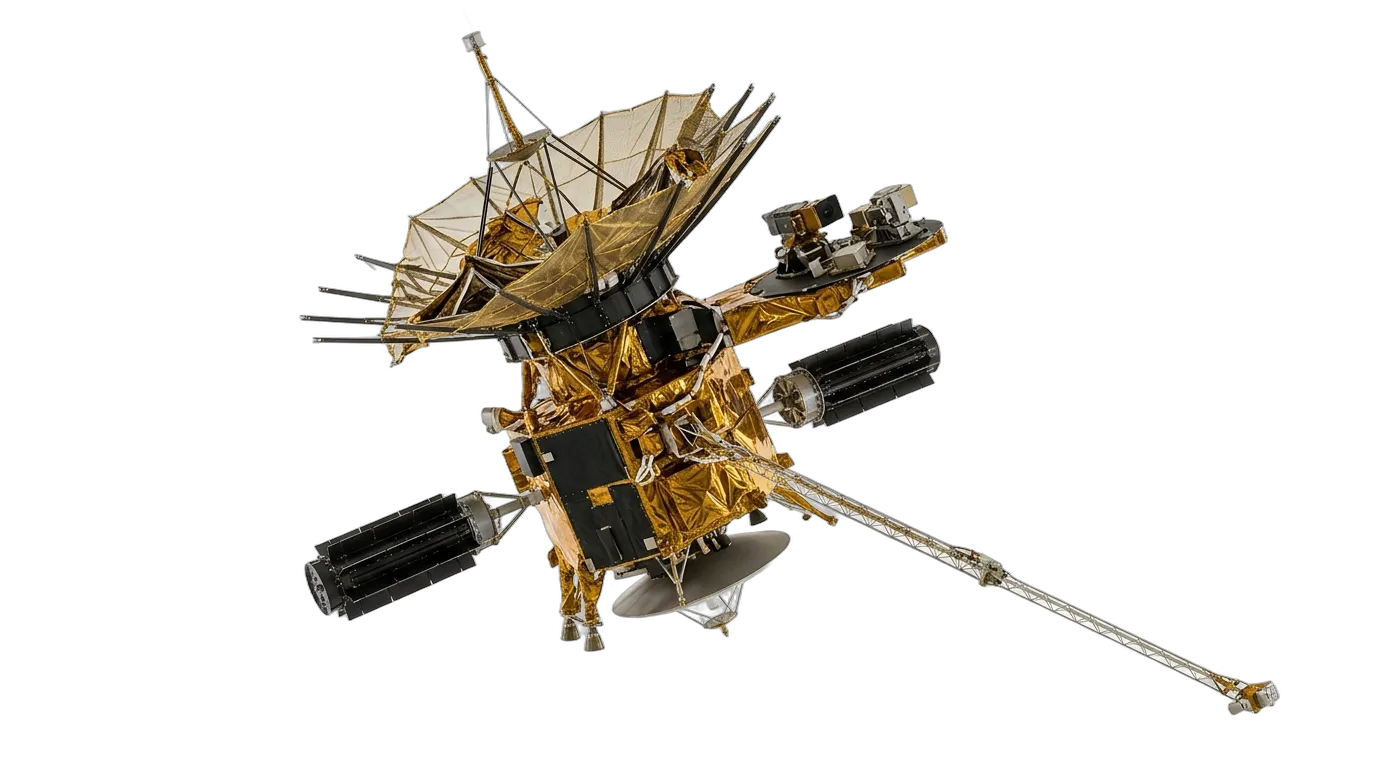
Galileo
1989 - 2003 · Interplanetary Probe
Boeing
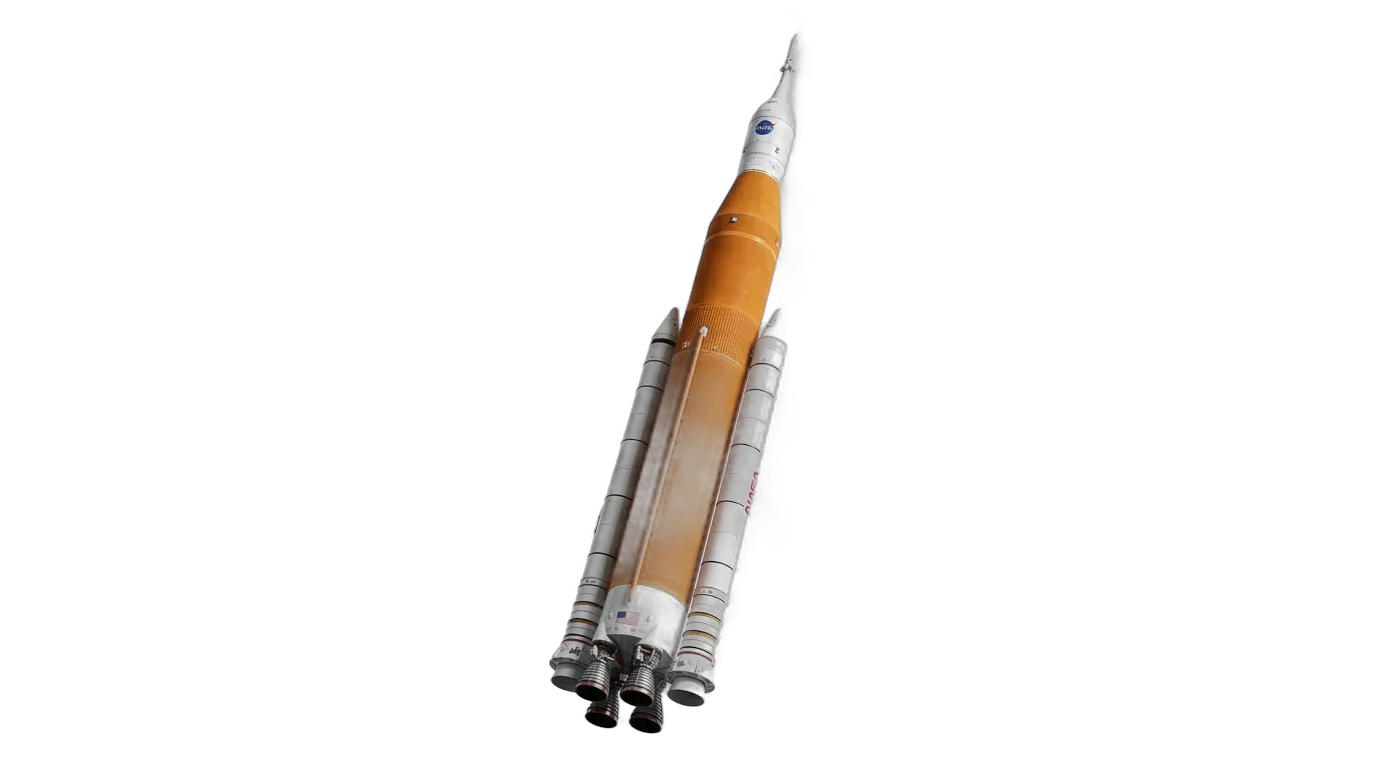
Space Launch System
2022 · Launch Vehicle
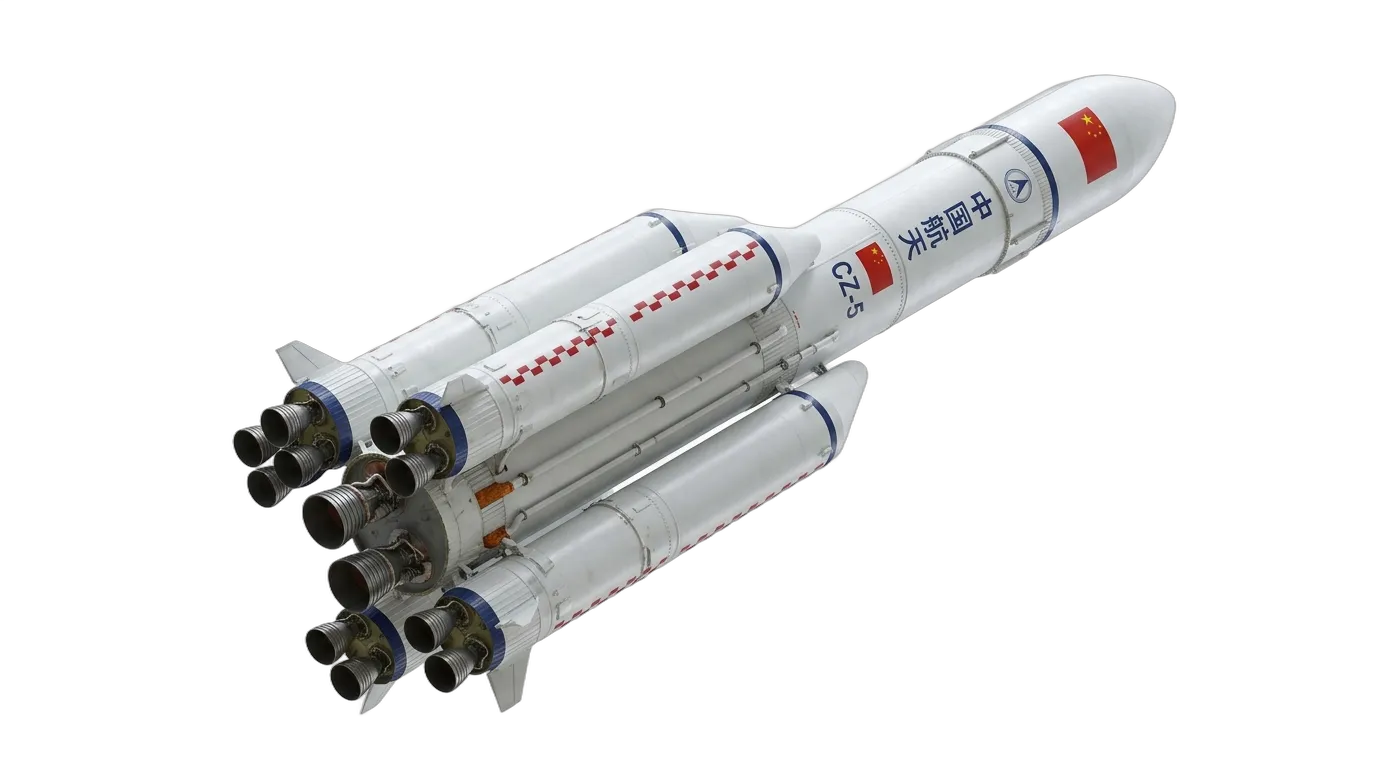
CALT
Long March 5
2016 · Launch Vehicle
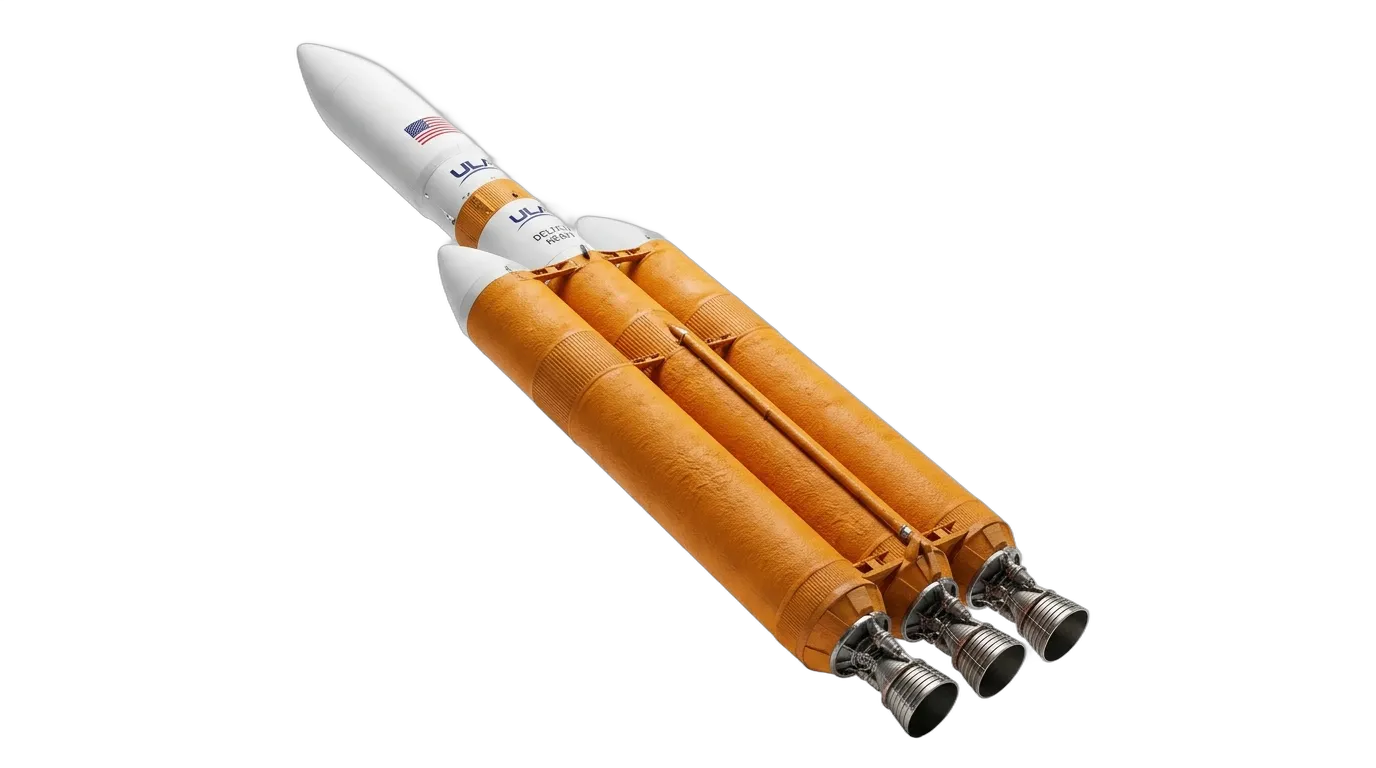
ULA
Delta IV Heavy
2004 - 2024 · Launch Vehicle
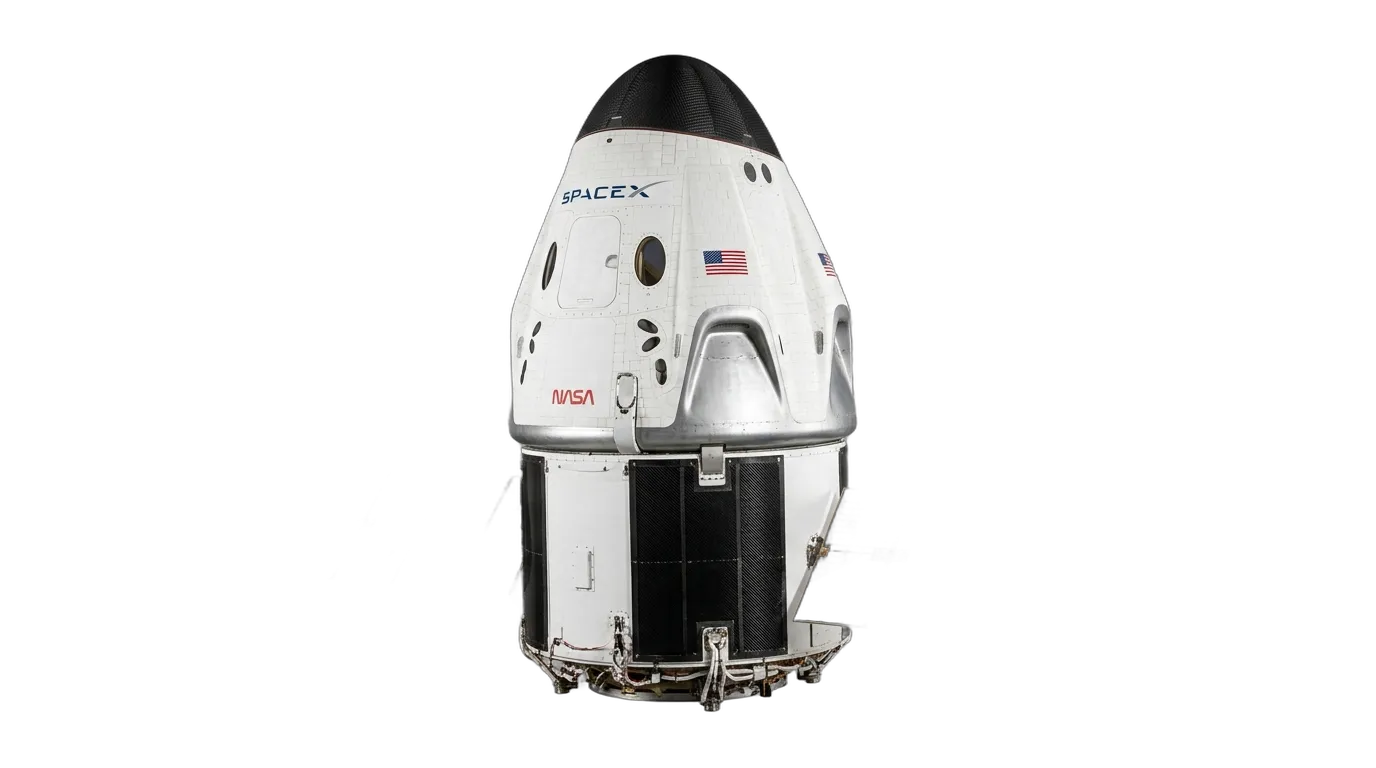
SpaceX
Crew Dragon
2020 · Crewed Spacecraft