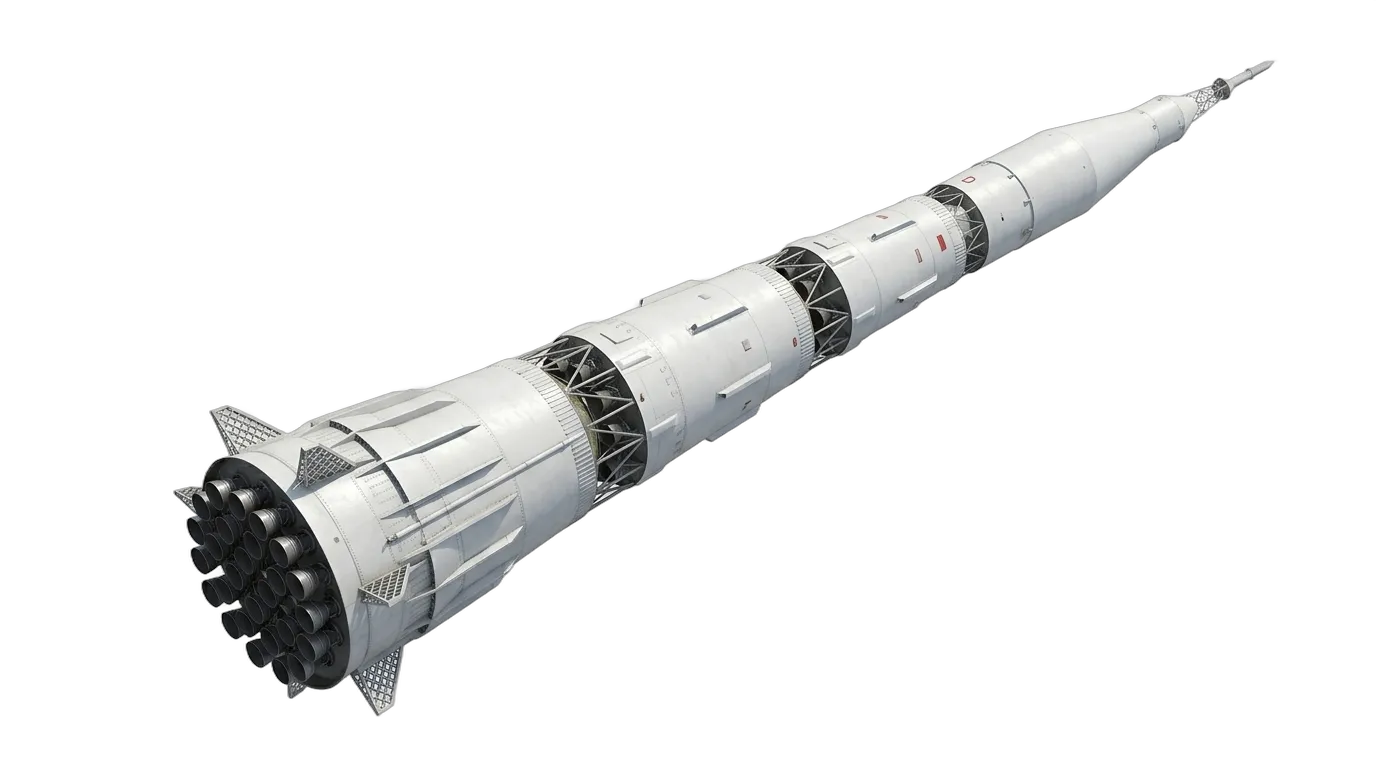
Vostok Capsule
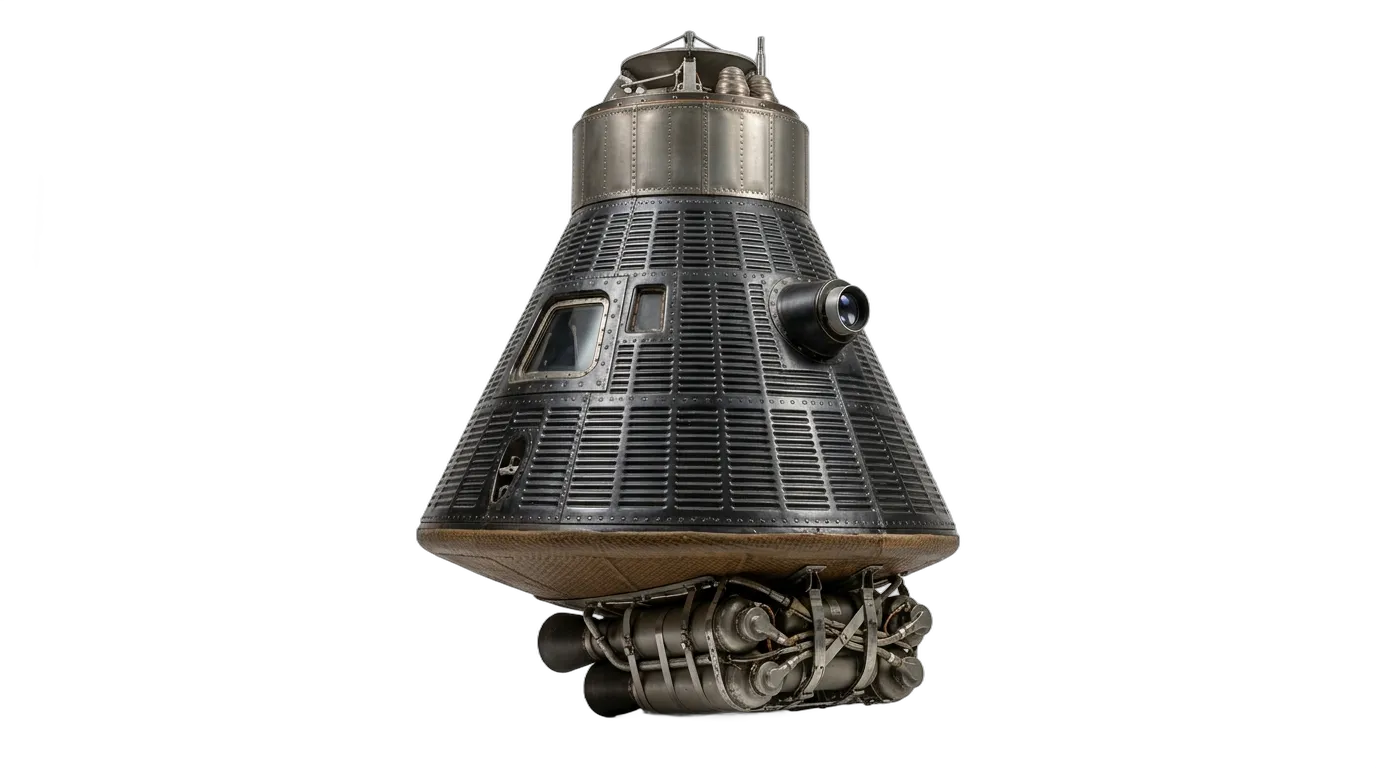
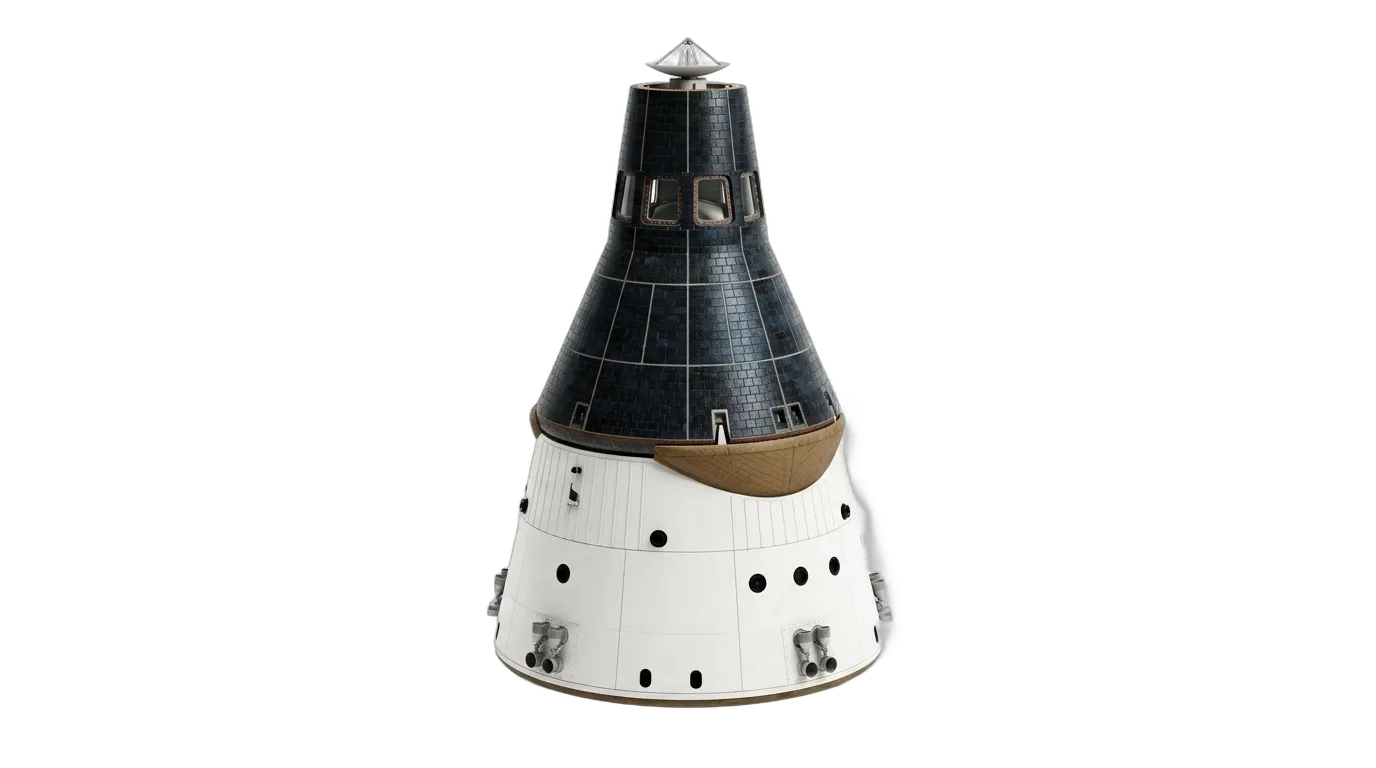
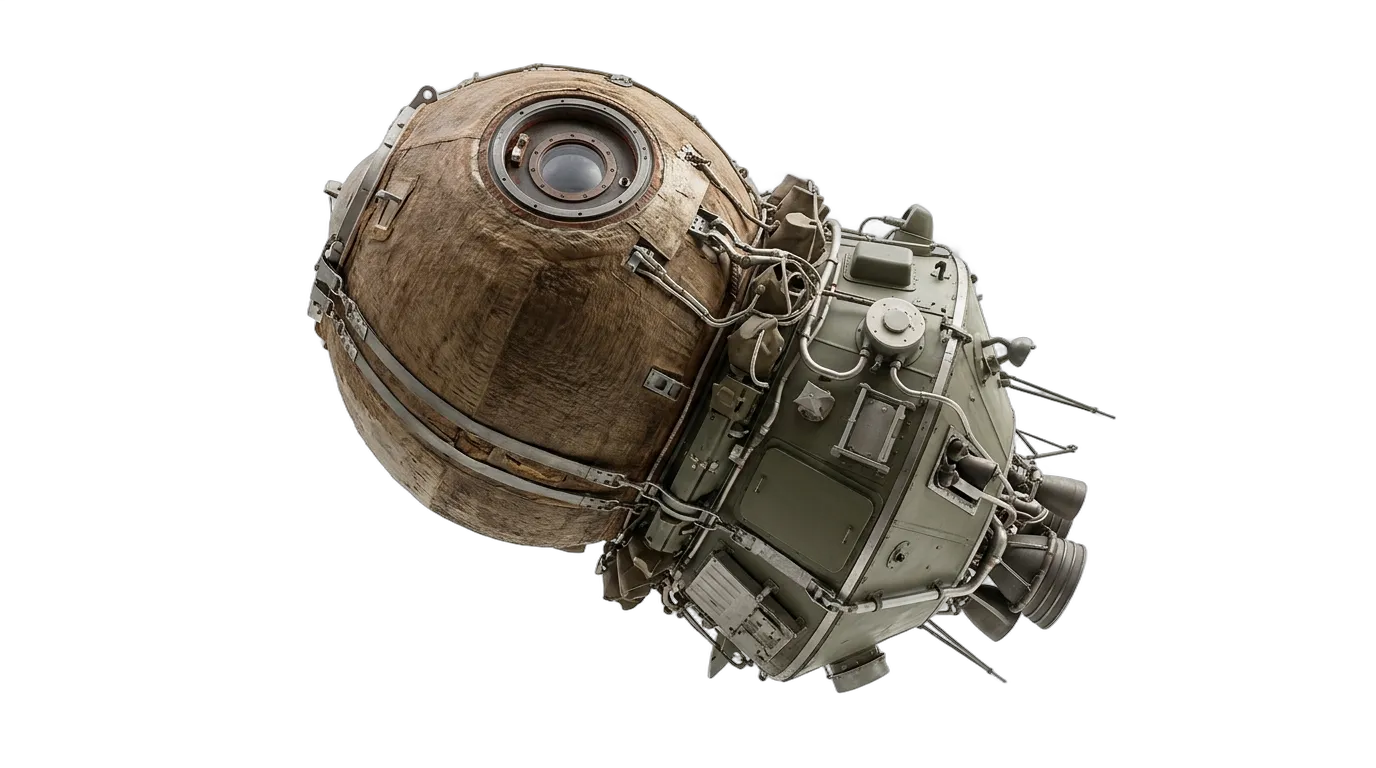
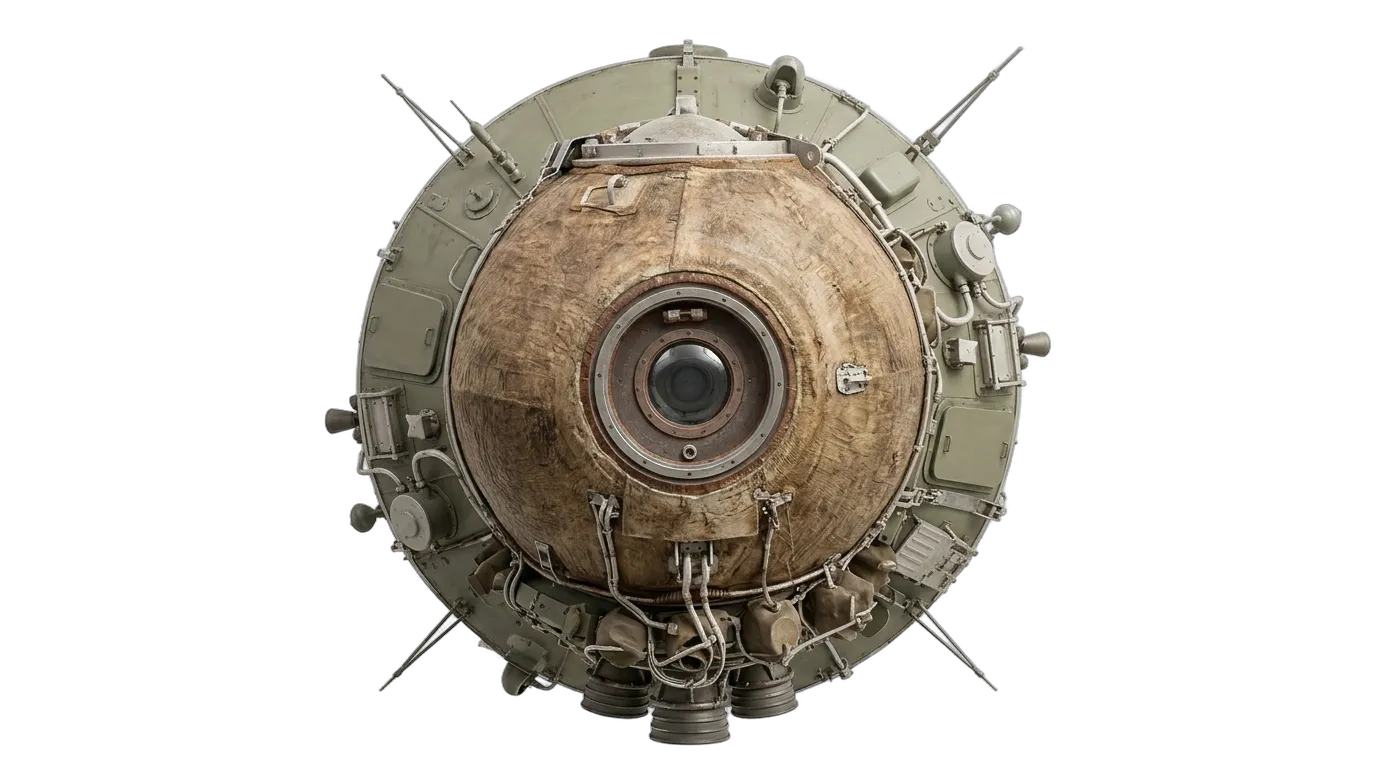
The first spacecraft to carry a human being. Yuri Gagarin flew Vostok 1 on April 12, 1961, orbiting Earth once in 108 minutes. Valentina Tereshkova flew Vostok 6 in 1963, becoming the first woman in space.
History
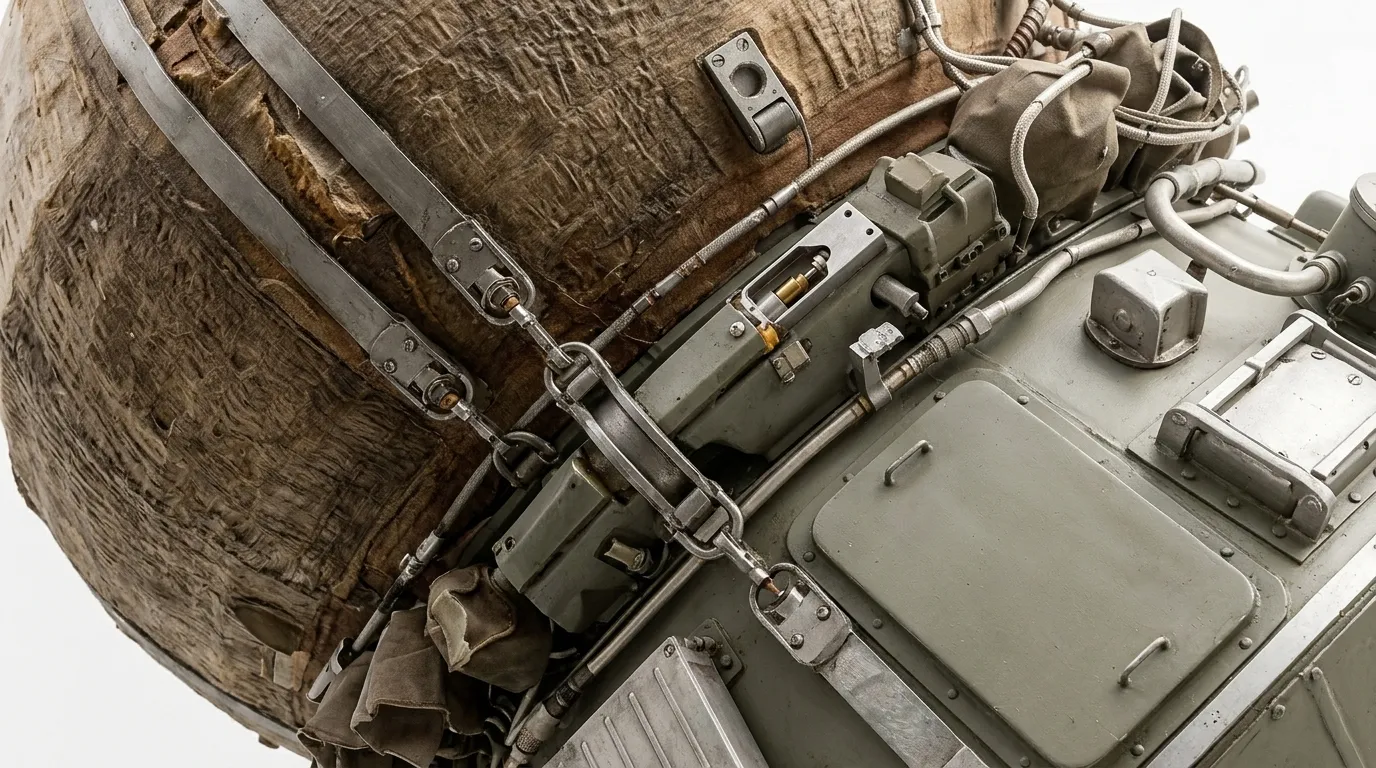
Vostok was designed under extreme time pressure. Sergei Korolev and his team at OKB-1 knew that the Americans were preparing their own crewed program, and the political imperative to put a Soviet citizen in space first was absolute. The resulting design was elegant in its simplicity: a spherical reentry capsule (chosen because a sphere is aerodynamically stable at any angle, eliminating the need for precise orientation during reentry) attached to a cylindrical instrument module.
On April 12, 1961, Yuri Gagarin launched from Baikonur Cosmodrome aboard Vostok 1, becoming the first human being in space. The flight lasted 108 minutes, completing one orbit of the Earth. Gagarin ejected from the capsule at 23,000 feet altitude and parachuted to the ground separately -- the capsule''s own parachute system was not considered reliable enough for a safe landing with the cosmonaut aboard. This detail was concealed by the Soviet Union for years, as FAI rules required the pilot to land with the spacecraft for the record to be valid.
Five more Vostok missions followed, including Vostok 6 in June 1963, which carried Valentina Tereshkova, the first woman in space. She orbited Earth 48 times over nearly three days, logging more flight time than all American Mercury astronauts combined. No other woman would fly in space for 19 years, until Sally Ride flew on the Space Shuttle in 1983.
Timeline
Launch Heritage
- Vostok 1 (Yuri Gagarin, first human in space)
- Vostok 6 (Valentina Tereshkova, first woman in space)
Technical Specifications
Propulsion
Performance
Dimensions
Mass
Mission
Power & Systems
Source: Roscosmos
Tags
Designed by Sergei Korolev