The most powerful space telescope ever built. Orbiting a million miles from Earth at the L2 Lagrange point, Webb observes the universe in infrared, revealing the first galaxies formed after the Big Bang and analyzing the atmospheres of exoplanets for signs of habitability.
History
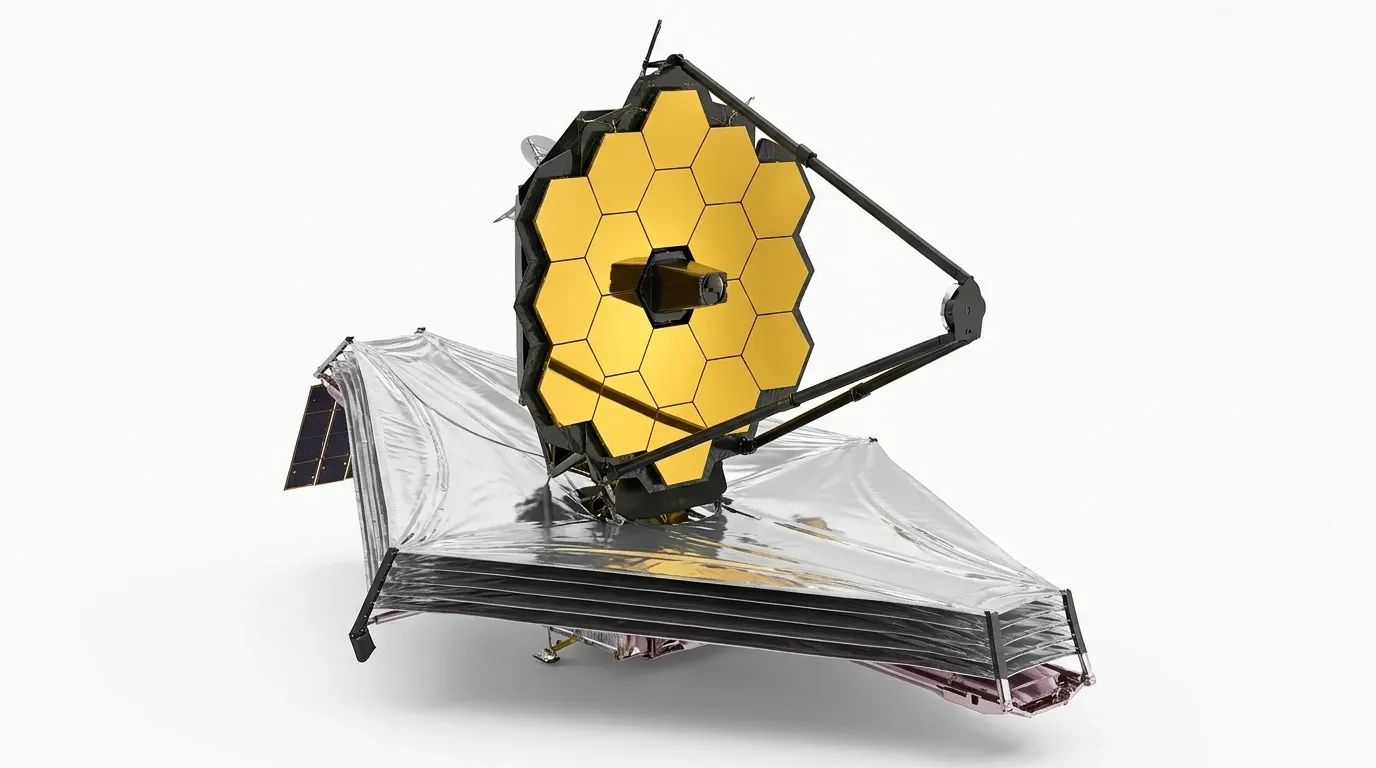
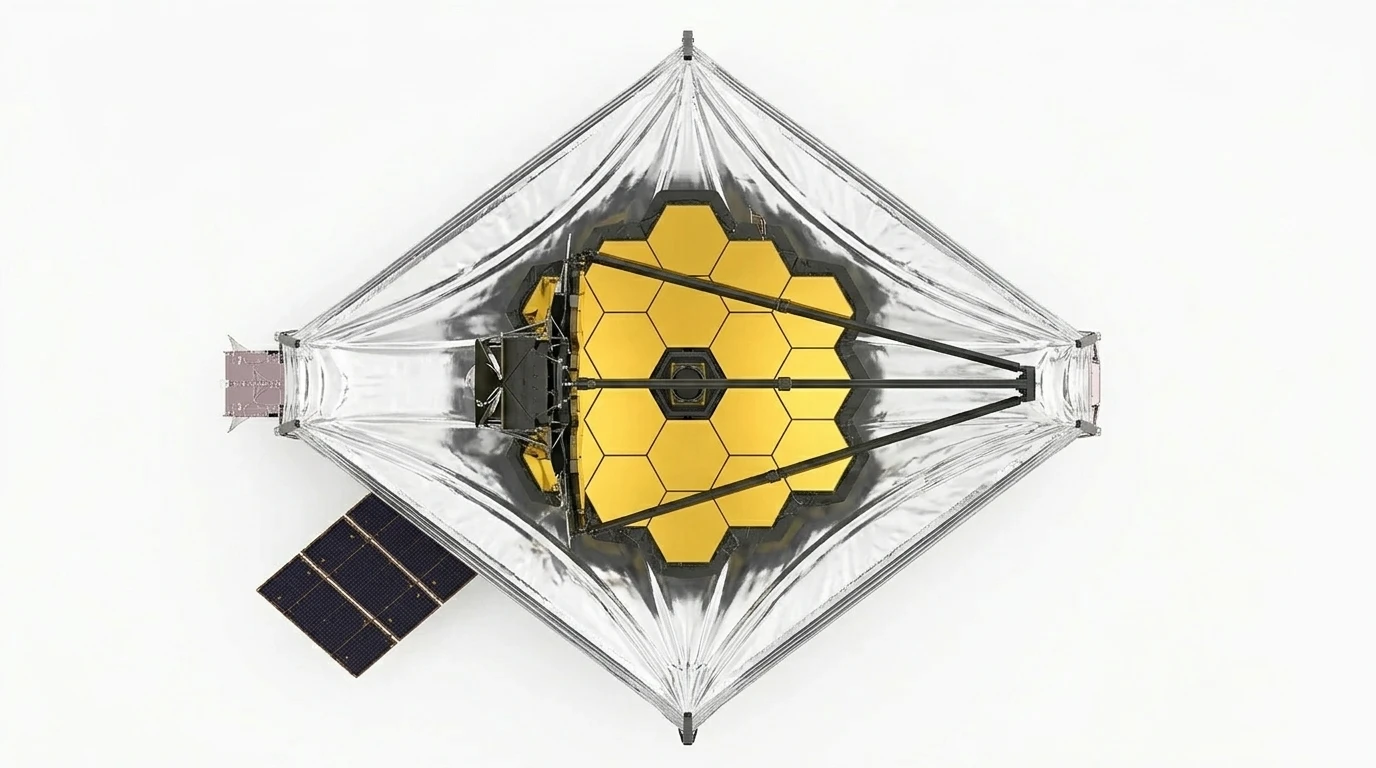
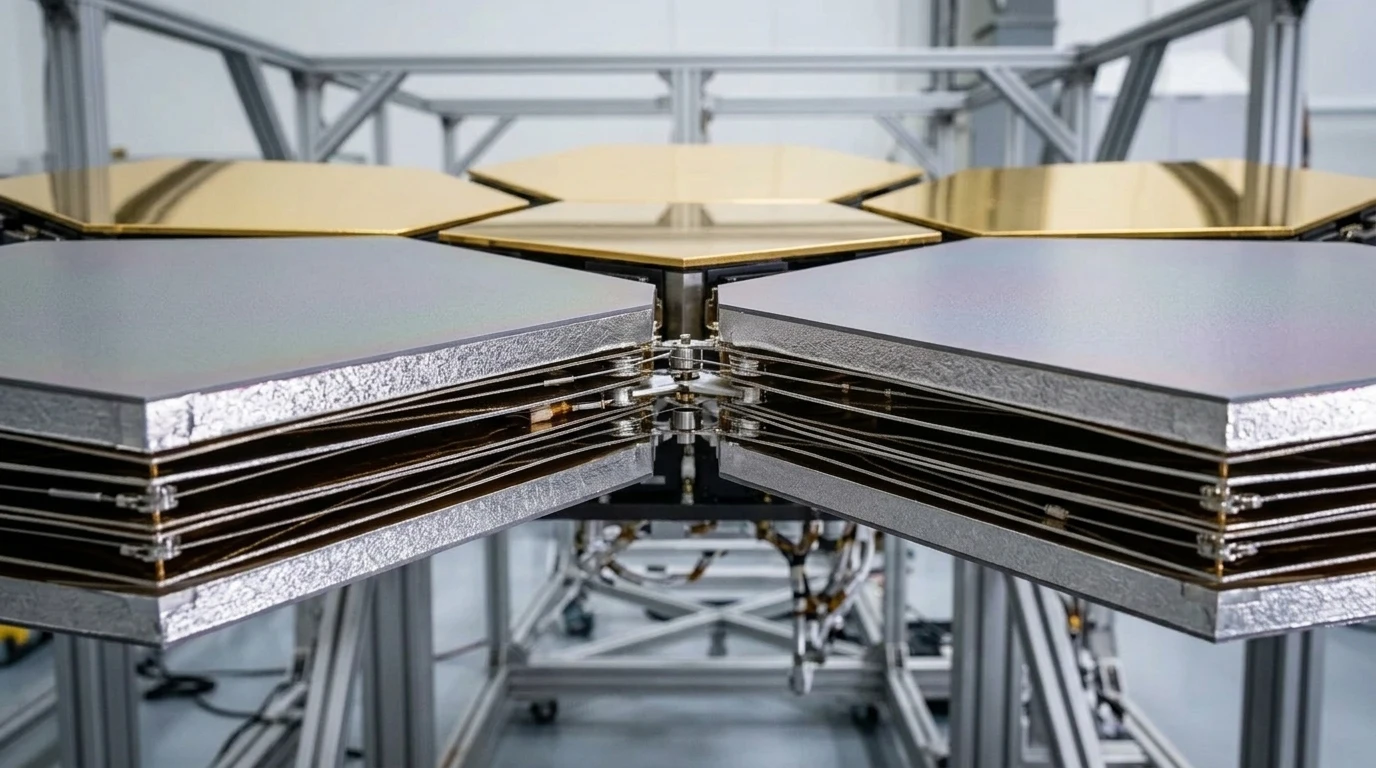
The James Webb Space Telescope was first proposed in the 1990s as Hubble''s successor, but its development stretched across two decades, survived multiple near-cancellations, and consumed over $10 billion. The engineering challenges were immense: a 6.5-meter primary mirror made of 18 gold-coated beryllium segments, too large to fit inside any rocket fairing in a single piece, had to fold like origami and unfurl in space with micrometer precision.
A five-layer sunshield the size of a tennis court had to deploy flawlessly to keep the infrared instruments at their operating temperature of minus 233 degrees Celsius. Unlike Hubble, which orbits 340 miles above Earth and could be serviced by the Space Shuttle, Webb operates at the L2 Lagrange point 1.5 million kilometers from Earth -- far beyond the reach of any repair mission. Every mechanism had to work perfectly the first time.
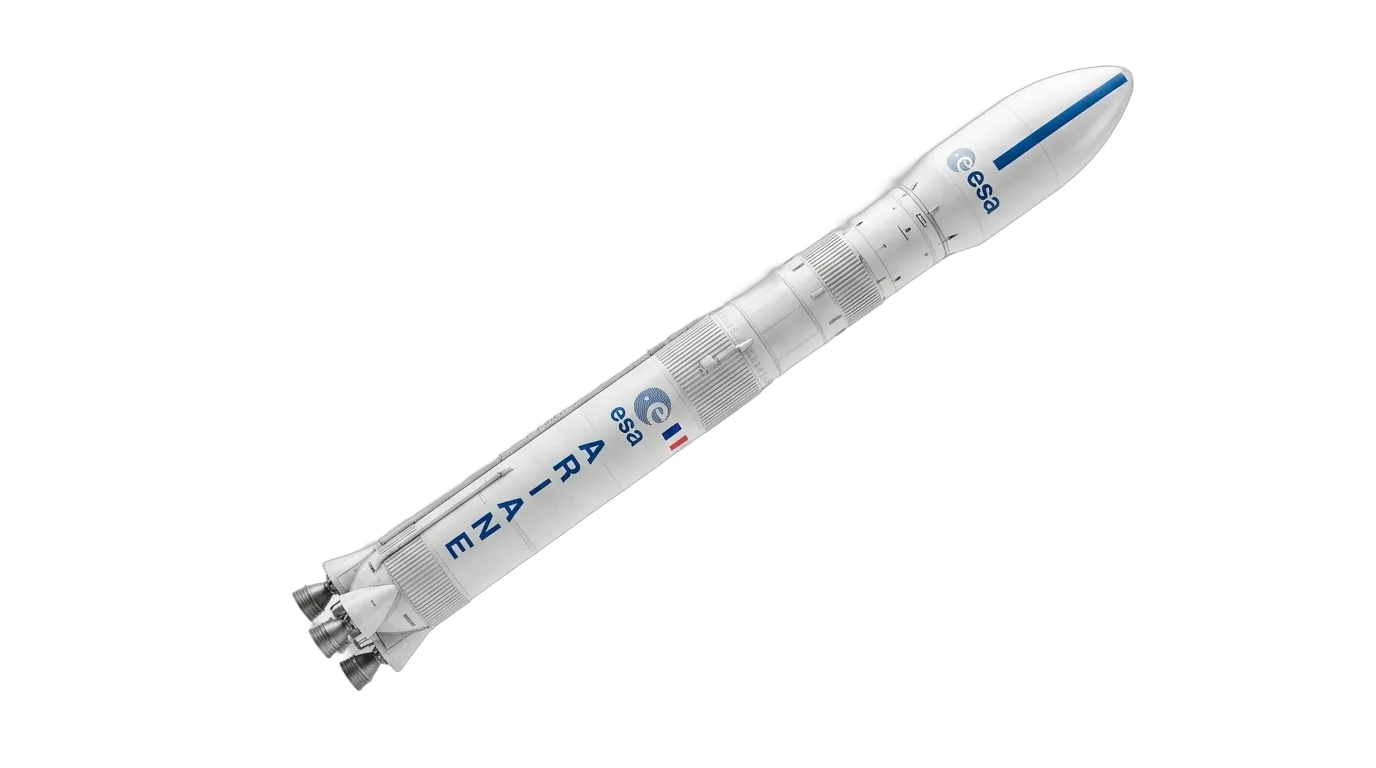
On Christmas Day 2021, an Ariane 5 rocket launched Webb on its journey to L2. Over the following month, 344 single-point-of-failure deployment steps -- each of which could have ended the mission if it failed -- executed flawlessly. The sunshield unfolded, the mirror segments deployed and aligned, and the instruments cooled to their operating temperatures.
Webb''s first images, released in July 2022, revealed the universe in unprecedented infrared detail. The telescope has since observed galaxies forming less than 300 million years after the Big Bang, analyzed the atmospheres of exoplanets for water vapor and carbon dioxide, peered into the hearts of stellar nurseries hidden behind thick dust clouds, and provided new insights into the formation of planetary systems. The Ariane 5 launch was so precise that it used far less fuel than expected for trajectory corrections, effectively doubling Webb''s operational lifetime to an estimated 20 years or more.
Timeline
Launch Heritage
- First deep field image
- Exoplanet atmosphere analysis
- Most distant galaxies observed
Technical Specifications
Performance
Dimensions
Mass
Mission
Power & Systems
Source: NASA/ESA/CSA
Tags
Designed by NASA/GSFC / Northrop Grumman / Ball Aerospace