Space Stations
Humanity's outposts in orbit. From Salyut to the ISS, permanent homes above the atmosphere.
4 vehicles
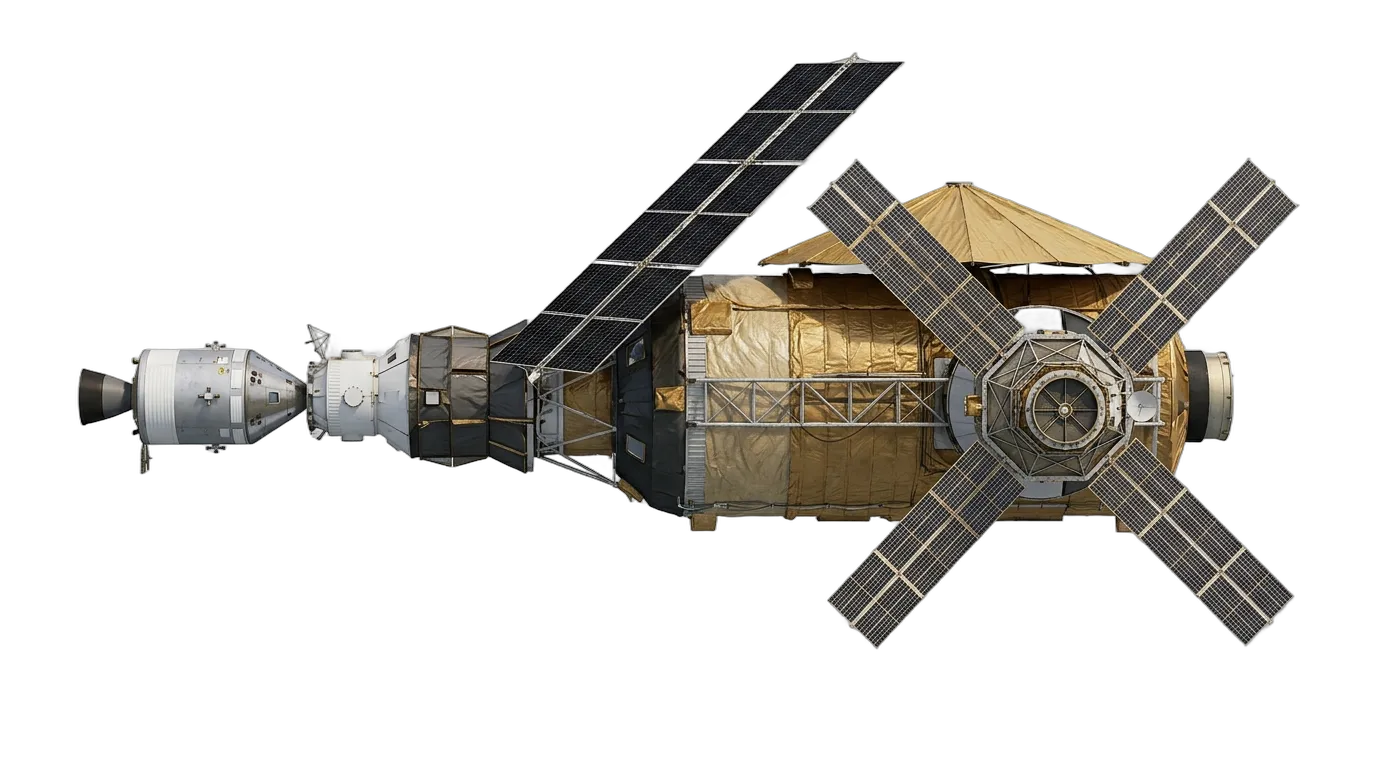
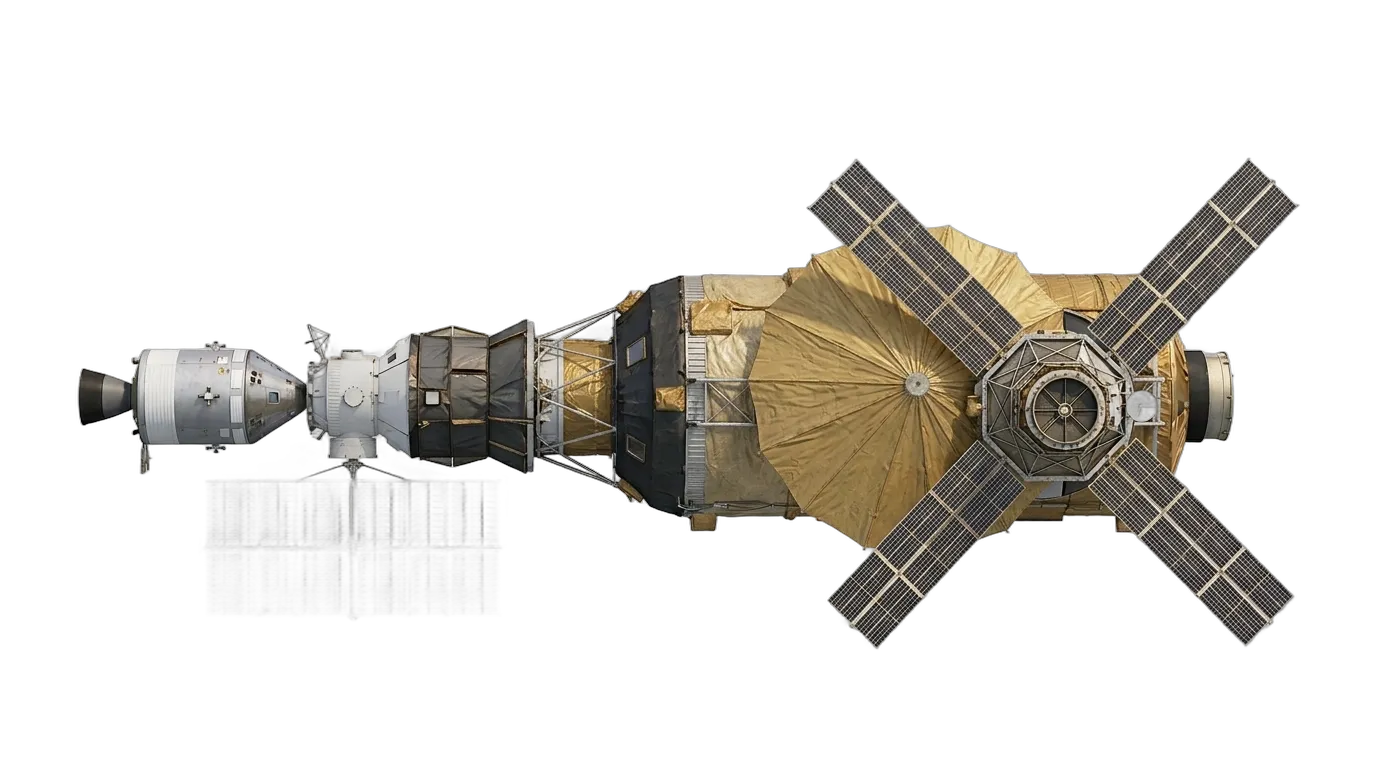
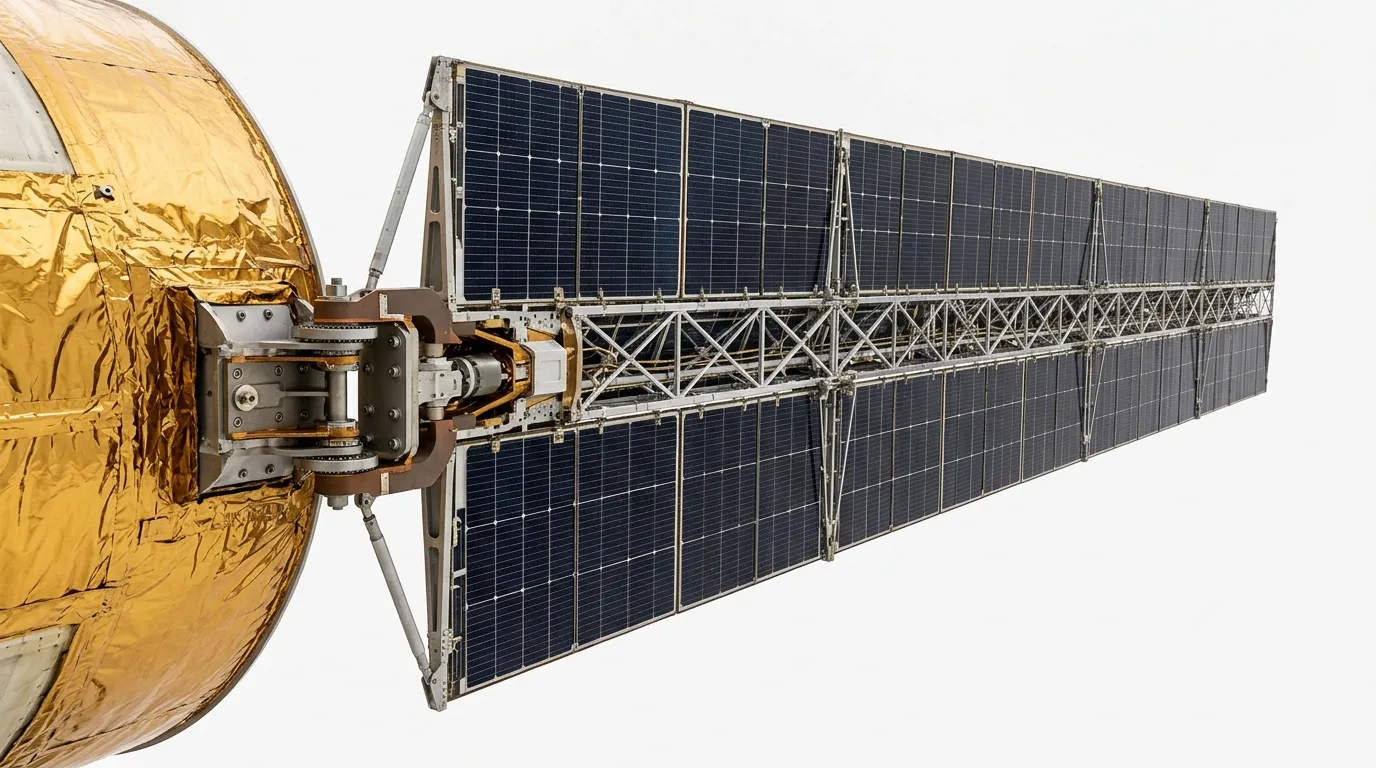
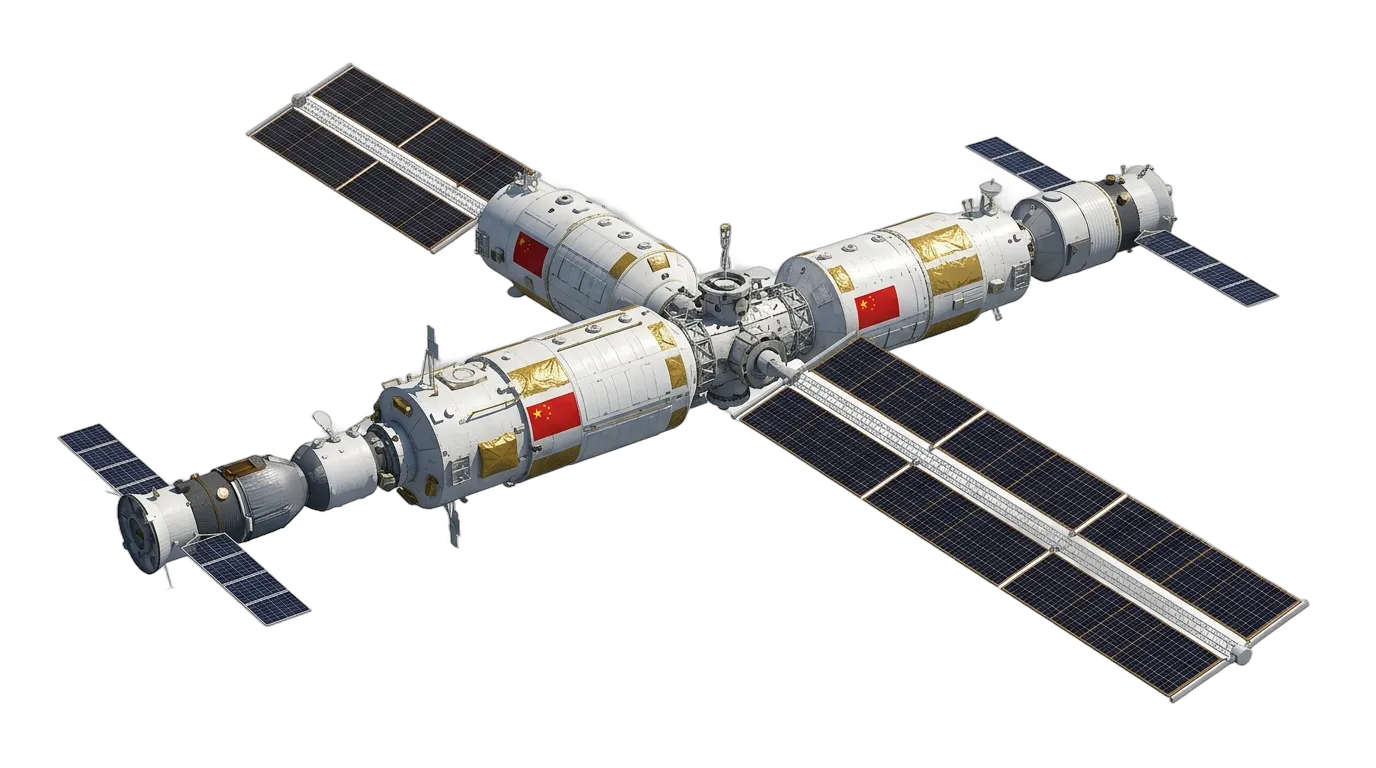
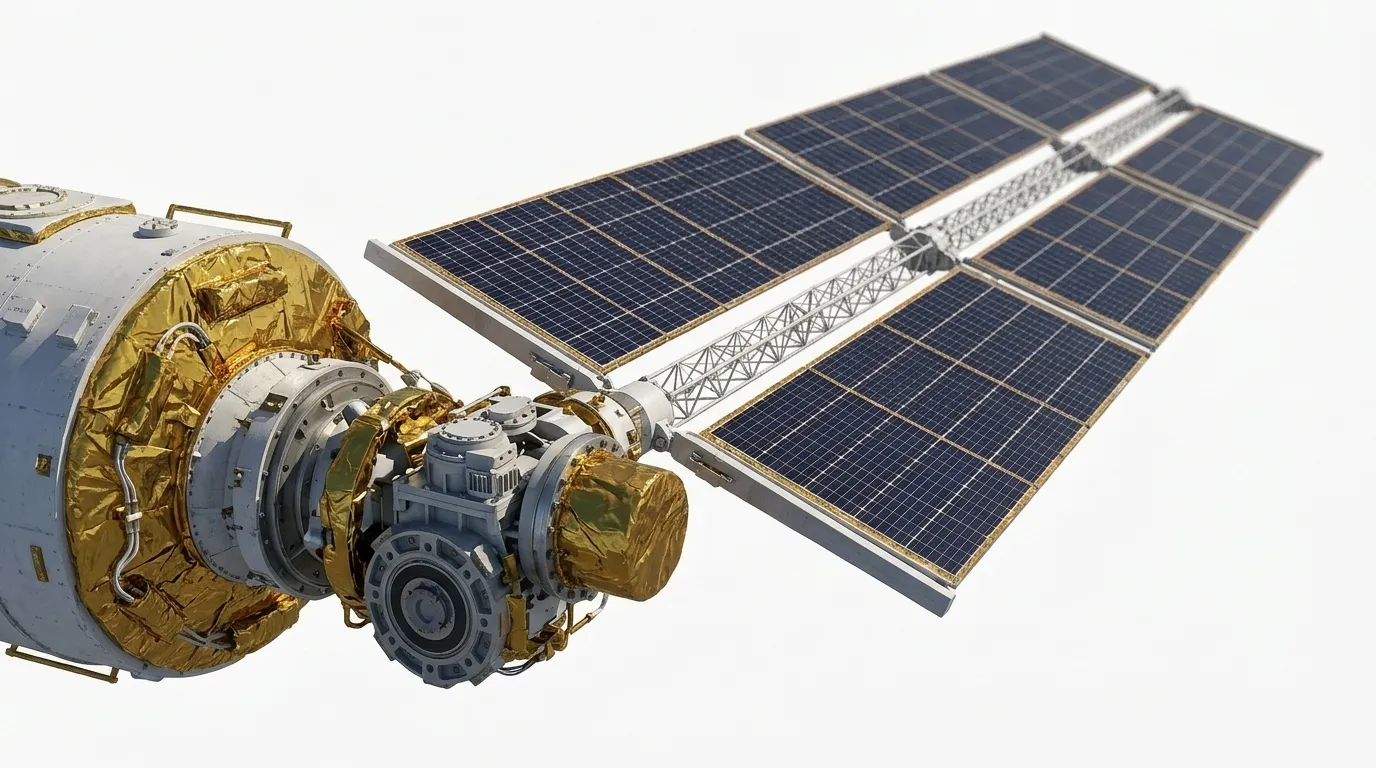
Living in space requires solving problems that visiting space does not. Air, water, food, waste, exercise, radiation shielding, psychological isolation -- every challenge multiplies with duration. Space stations are the laboratories where humanity has learned to exist beyond Earth. They are not vehicles that go somewhere; they are places where people live.
The Soviet Pioneers
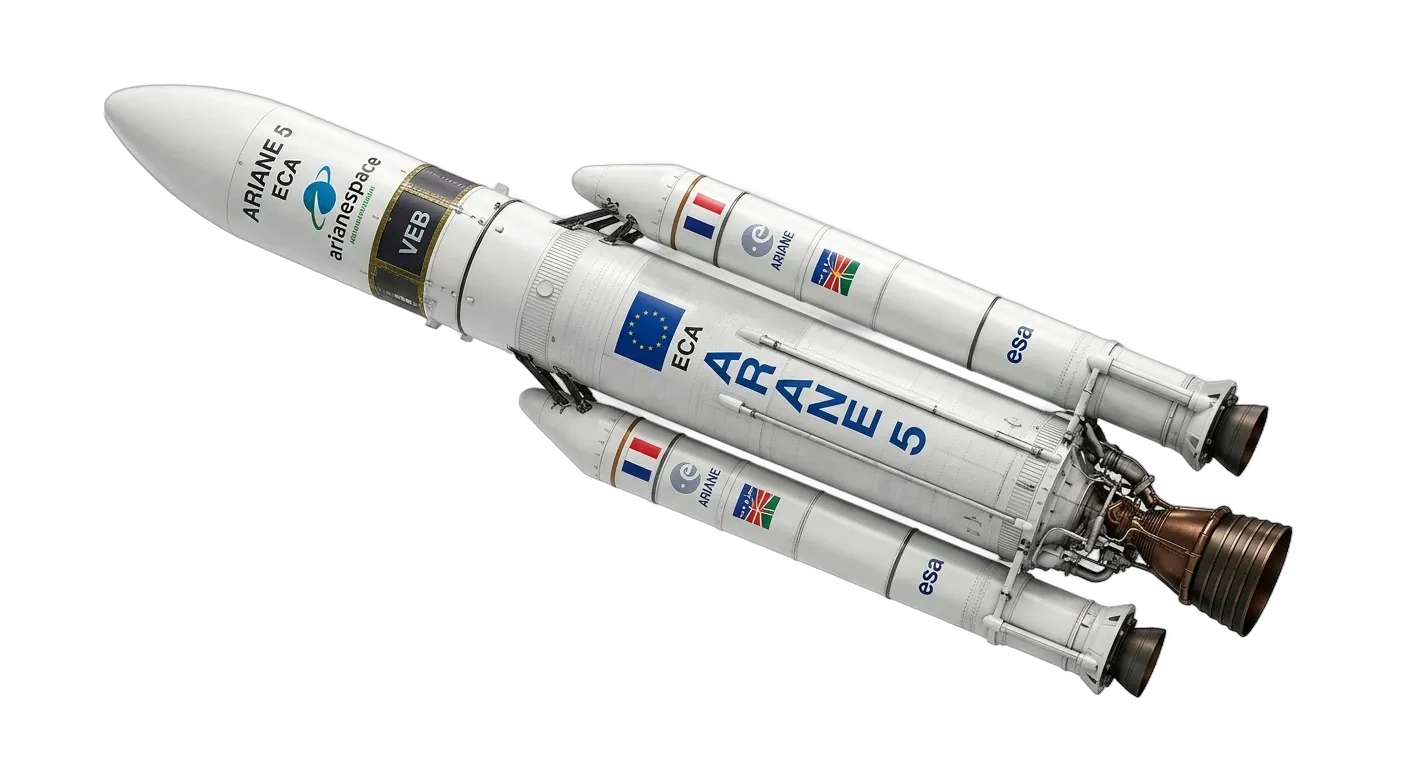
The Soviet Union launched the world's first space station, Salyut 1, in 1971. The program continued through Salyut 7, each station more capable than the last. Cosmonauts set endurance records that stood for decades. The Soviets understood something the Americans initially missed: long-duration spaceflight was not just a stunt. It was the only way to learn if humans could live permanently in space.
Mir: The First True Home
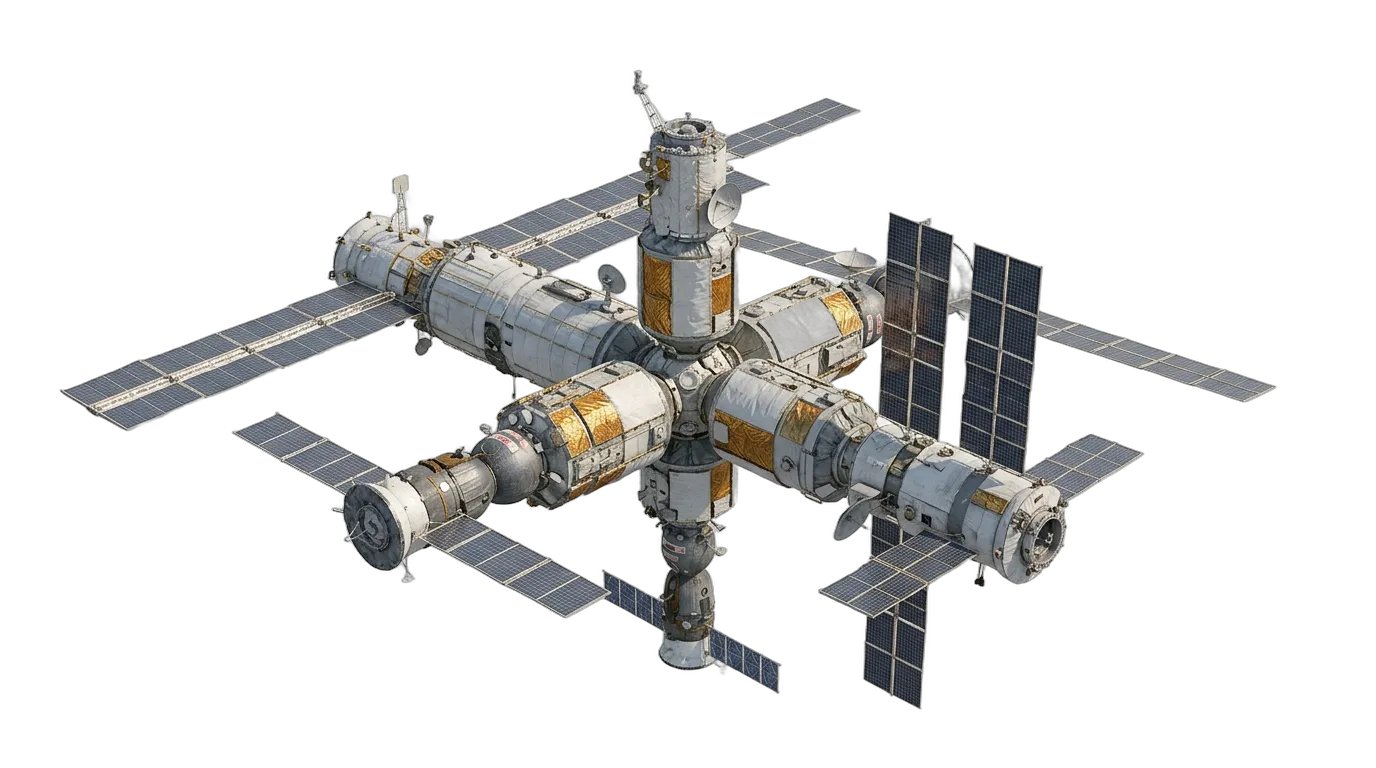
Mir operated for 15 years, from 1986 to 2001, and was continuously occupied for a record 3,644 days. It was the first modular space station, assembled in orbit from six modules launched over a decade. Mir survived fires, collisions, and political upheaval. It hosted astronauts from 12 nations and proved that international cooperation in space was possible even between former adversaries.
The International Space Station
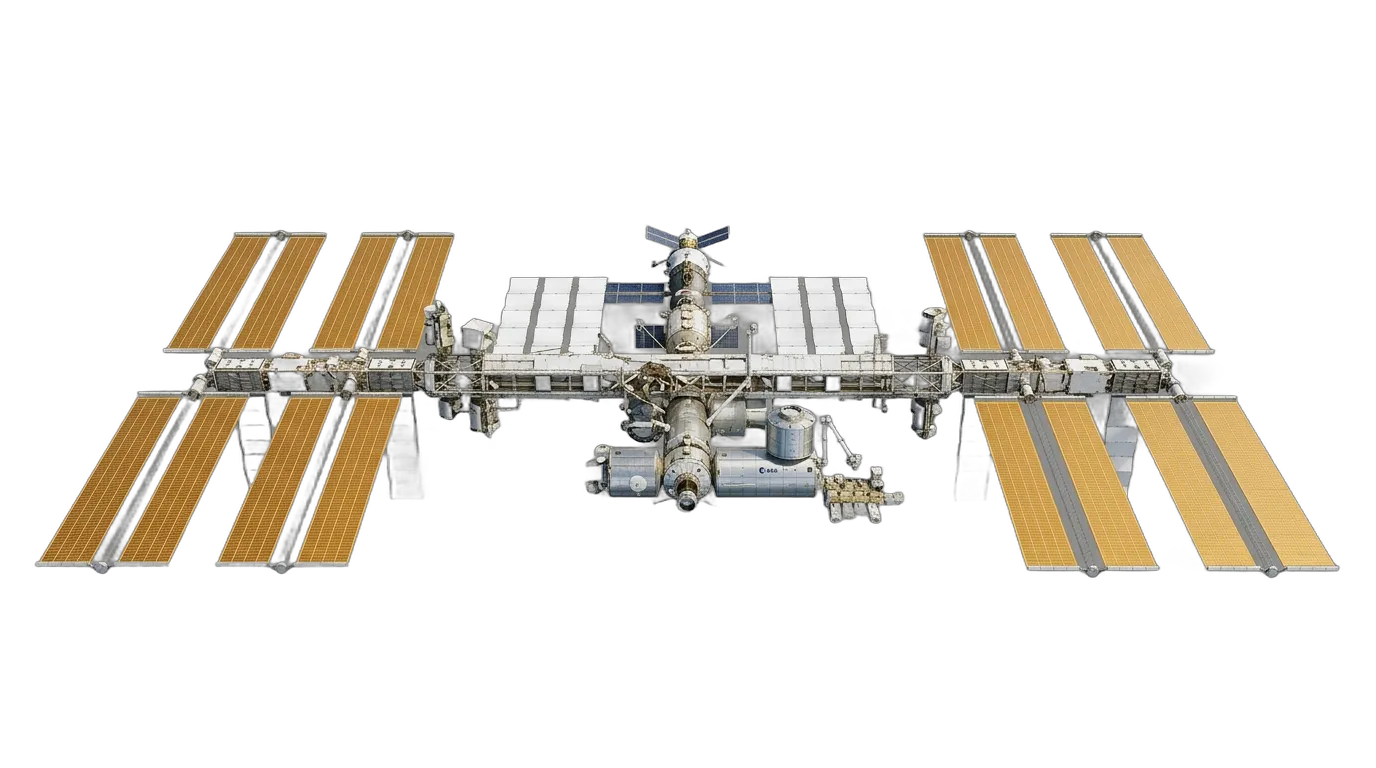
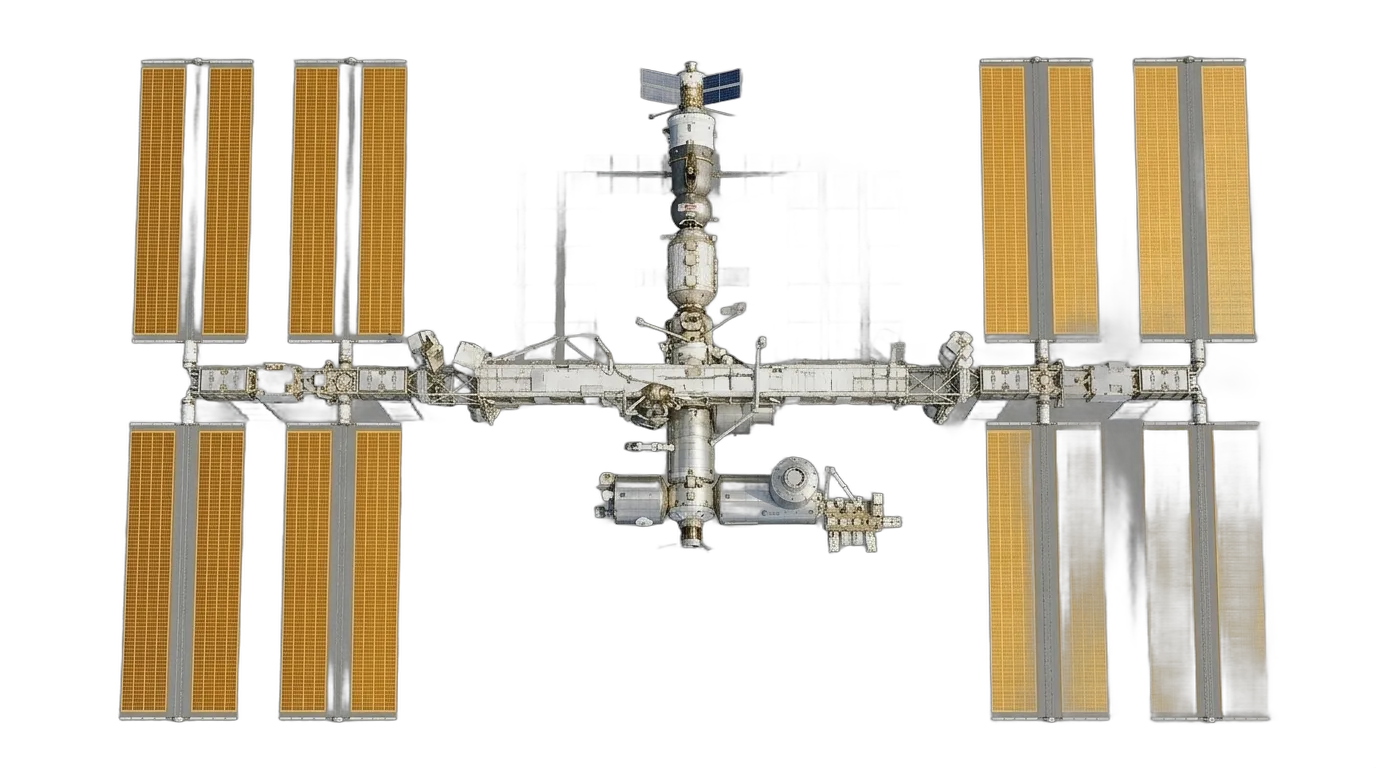
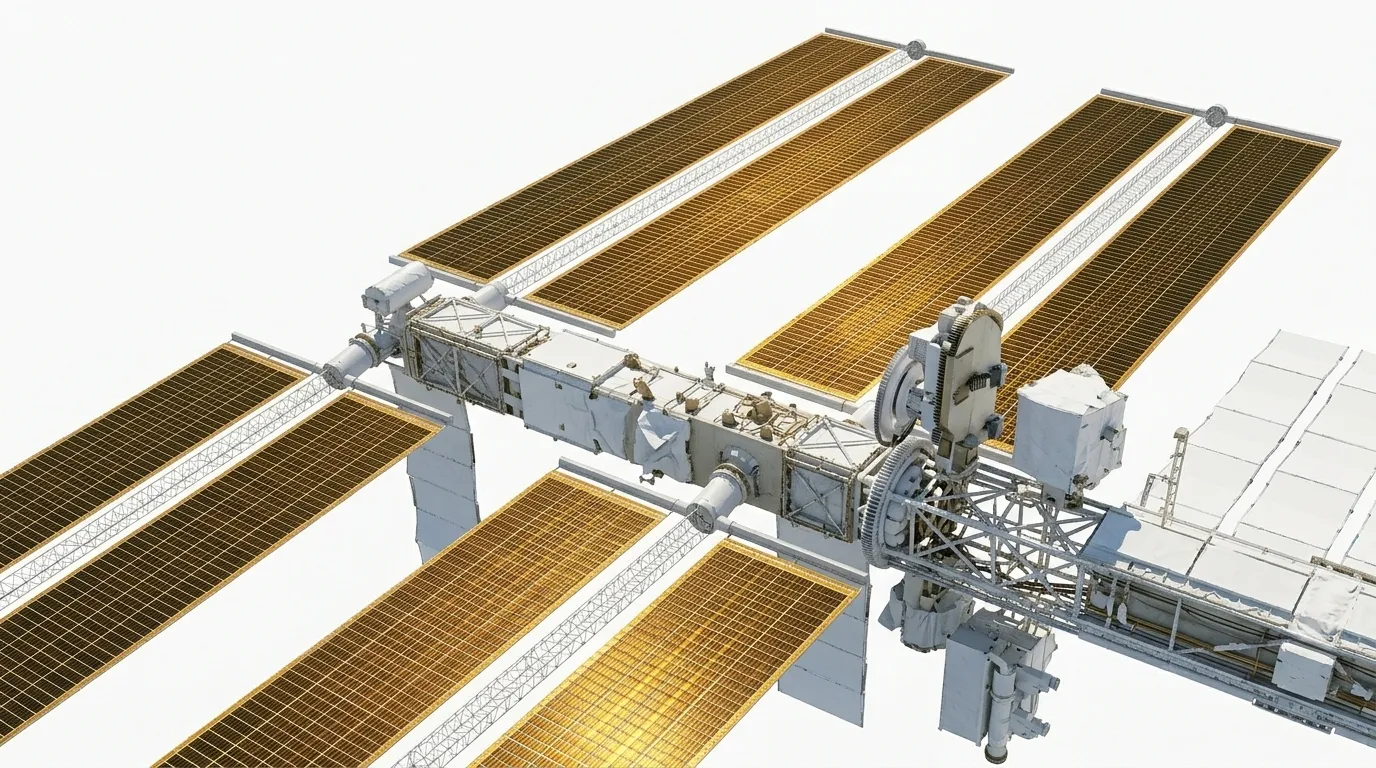
The ISS is the largest structure ever built in space: 356 feet across, with a pressurized volume equivalent to a Boeing 747. Assembled over 13 years from modules launched by five space agencies, it has been continuously occupied since November 2000 -- the longest continuous human presence in space. Over 270 people from 21 countries have lived and worked aboard. It is humanity's most complex engineering project and its most successful international collaboration.
Space stations have taught humanity how to live in space, one day at a time. The medical data from decades of orbital habitation -- bone loss, muscle atrophy, fluid shift, radiation exposure -- is the foundation for every future deep-space mission. Without Salyut, Mir, and the ISS, sending humans to Mars would be speculation rather than planning. These stations are not destinations. They are stepping stones.