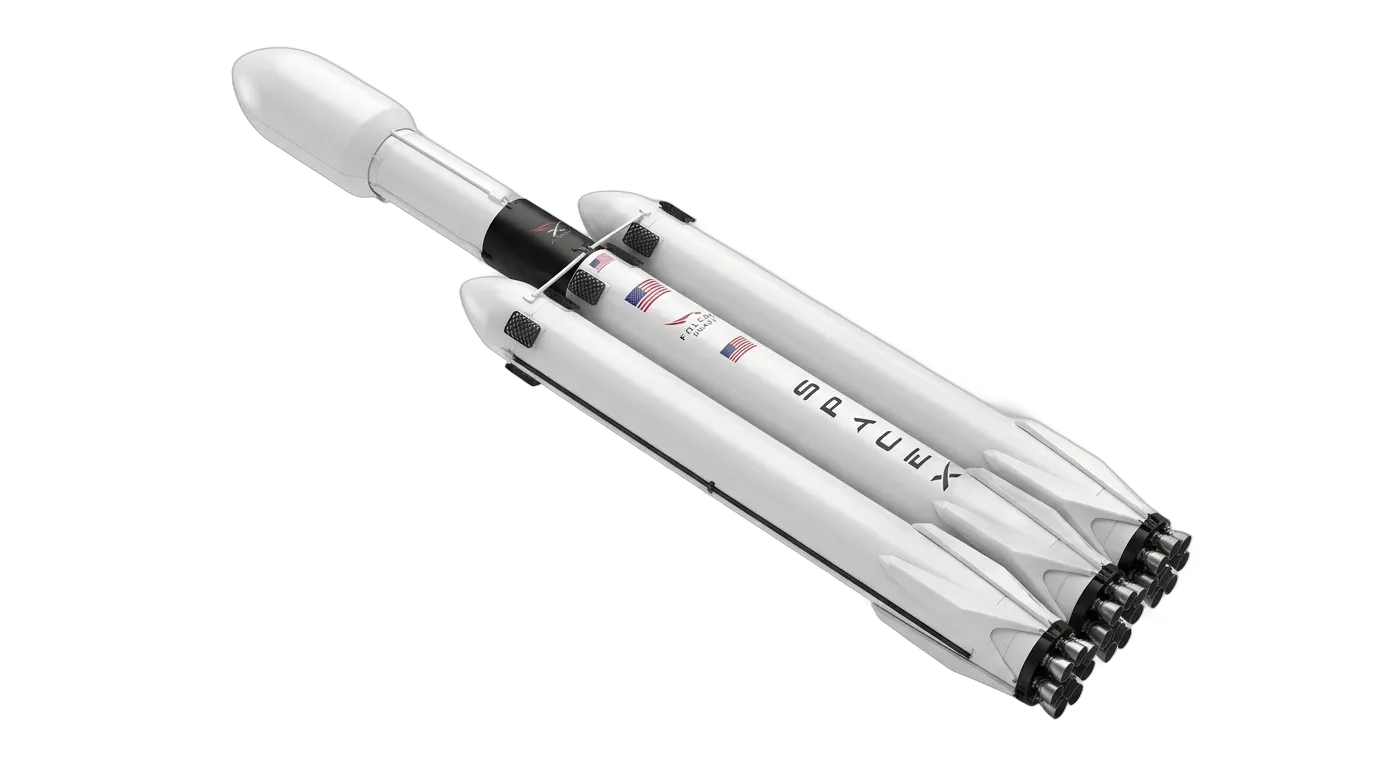
Falcon 9
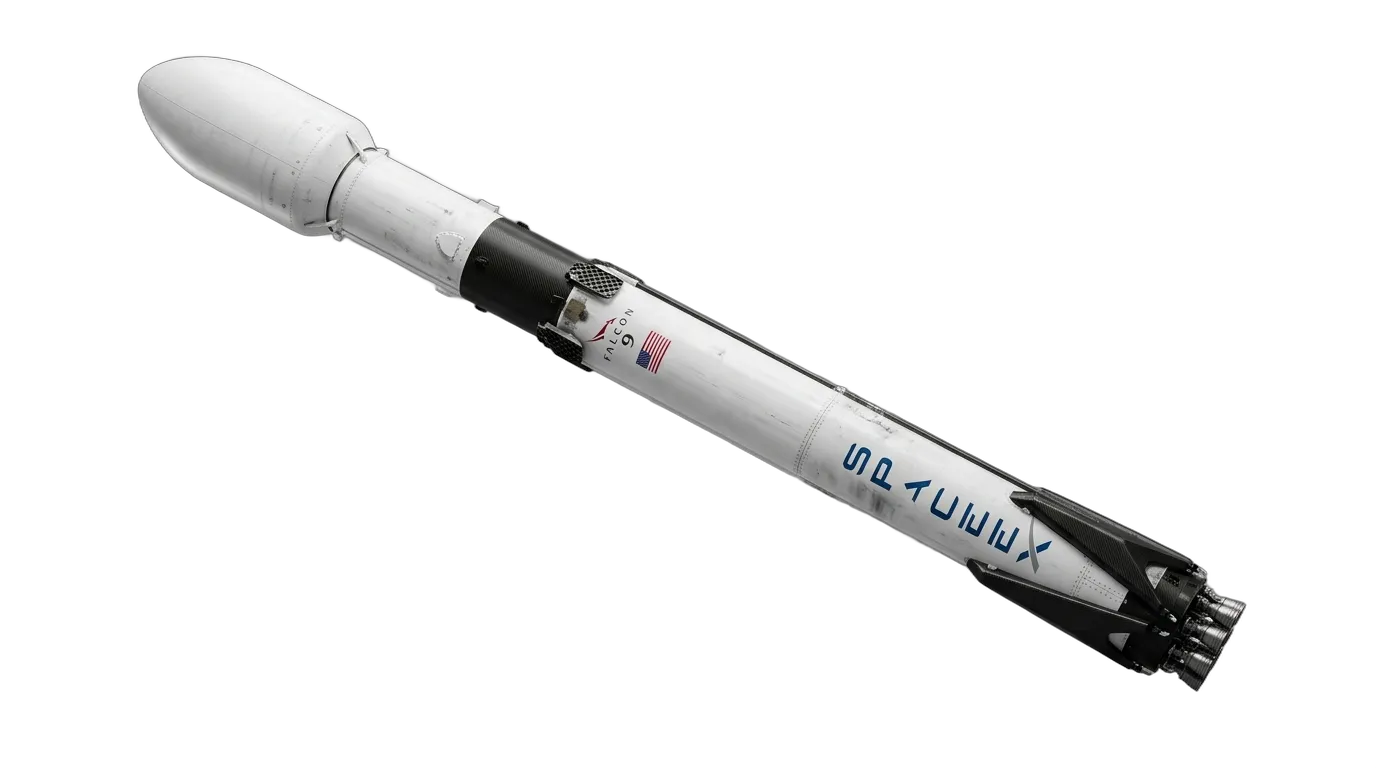
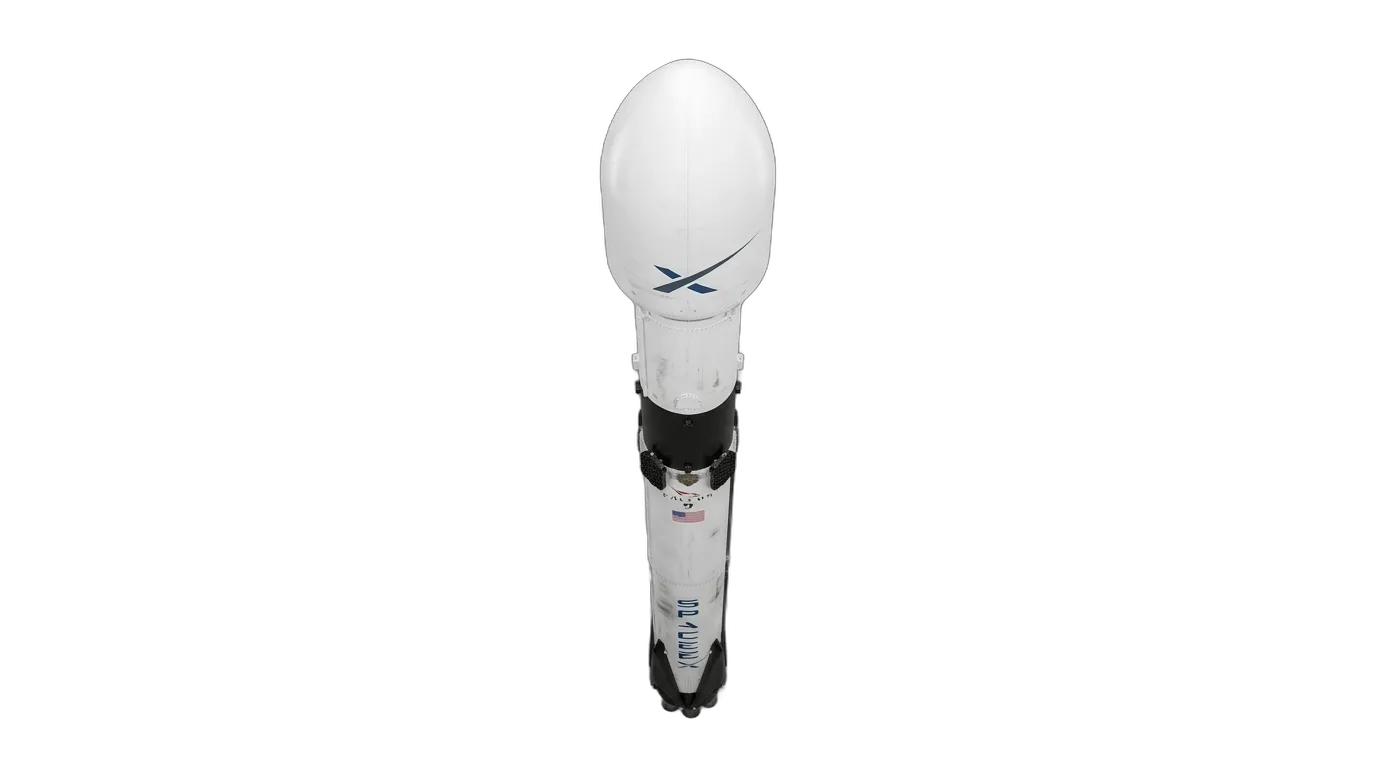
The rocket that proved orbital-class boosters could land and fly again. Falcon 9 shattered launch cost records and became the most frequently launched orbital rocket in history, with over 400 flights. Its first stage has landed over 300 times.
History
When SpaceX began attempting to land Falcon 9 first stages in 2013, most of the aerospace industry considered it a stunt. Rockets were expendable -- that was simply how it was done. After several spectacular failures that became viral videos, the first successful landing came on December 21, 2015, at Cape Canaveral. A second landing on a drone ship at sea followed in April 2016.
Within a few years, booster recovery became routine. SpaceX developed rapid refurbishment processes, and individual boosters began flying five, ten, then twenty or more times each. The Block 5 variant, introduced in 2018, was specifically designed for reusability, with improvements to the heat shield, landing legs, and engine components. The cost per launch dropped below $30 million for internal missions, compared to $150 million or more for comparable expendable rockets.
Falcon 9''s nine Merlin 1D engines produce 1.7 million pounds of thrust at liftoff. The vehicle carries Starlink internet satellites (often 20 or more per flight), Crew Dragon capsules with astronauts to the ISS, and commercial payloads for customers worldwide. By the mid-2020s, Falcon 9 was launching more frequently than all other rockets in the world combined, sometimes flying twice in a single day from different launch pads.
The vehicle''s success transformed the launch industry. Competitors who had dismissed reusability were forced to develop their own reusable systems. Falcon 9 proved that the economics of space access could be fundamentally altered by a single engineering decision: bringing the rocket home instead of throwing it away.
Timeline
Launch Heritage
- Crew Dragon Demo-2
- Starlink constellation
- AMOS-17
- Inspiration4
Technical Specifications
Propulsion
Performance
Dimensions
Mass
Mission
Power & Systems
Source: SpaceX
Tags
Designed by Tom Mueller / Elon Musk