Energia
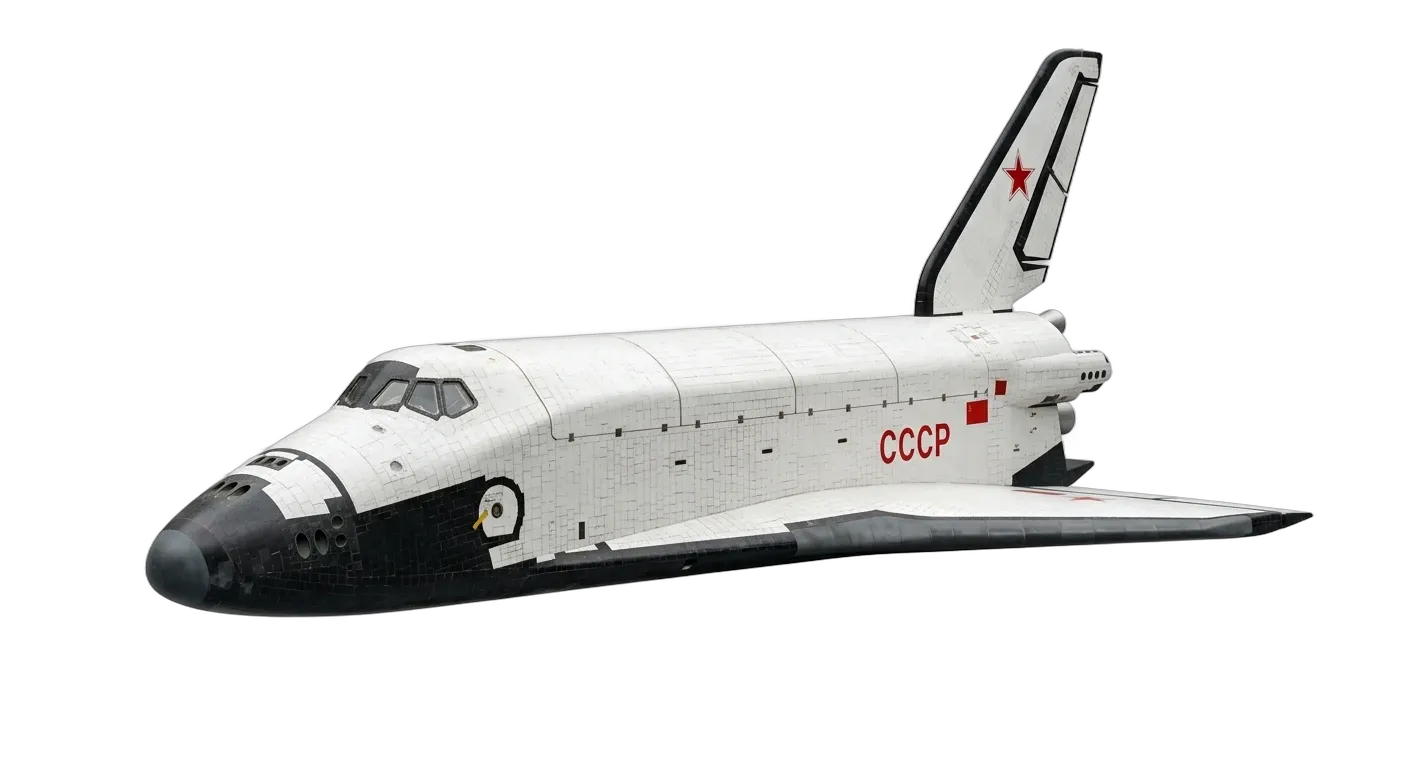
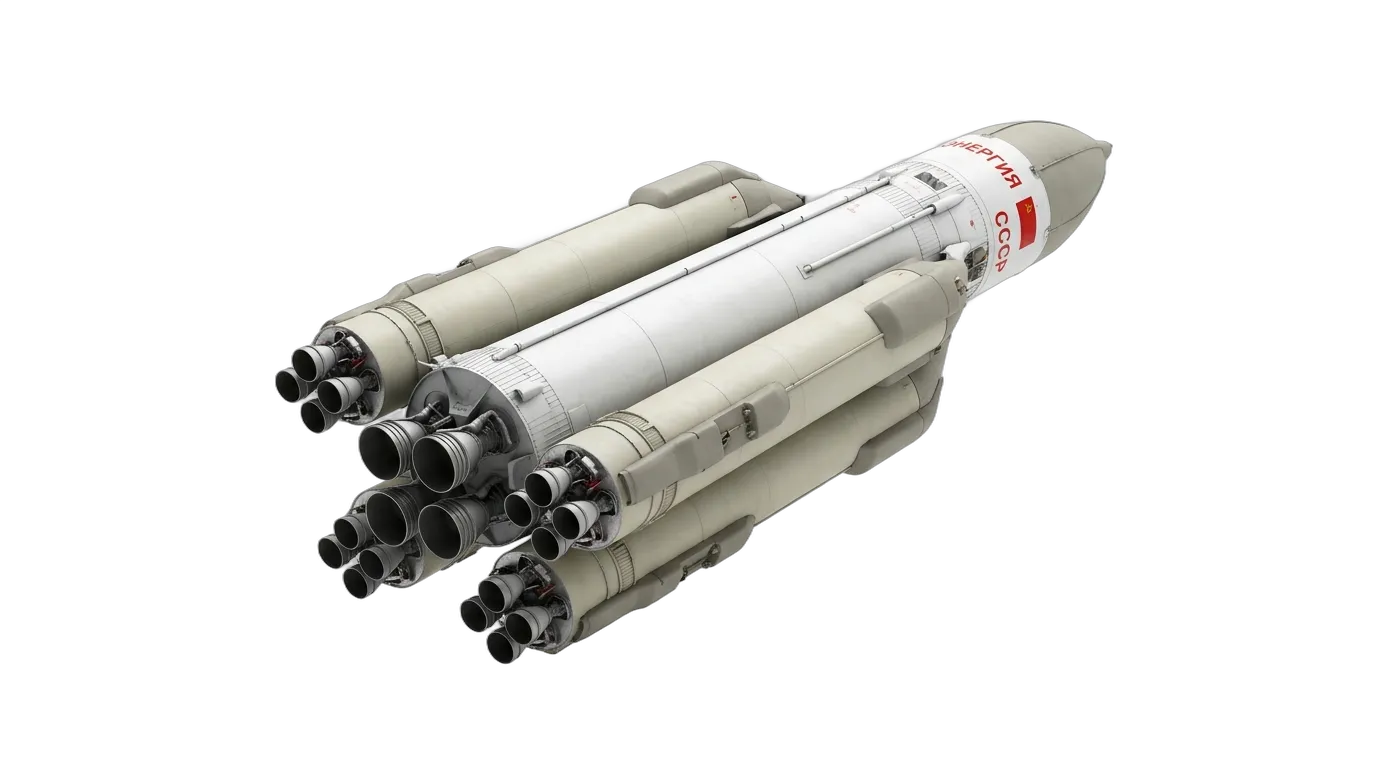
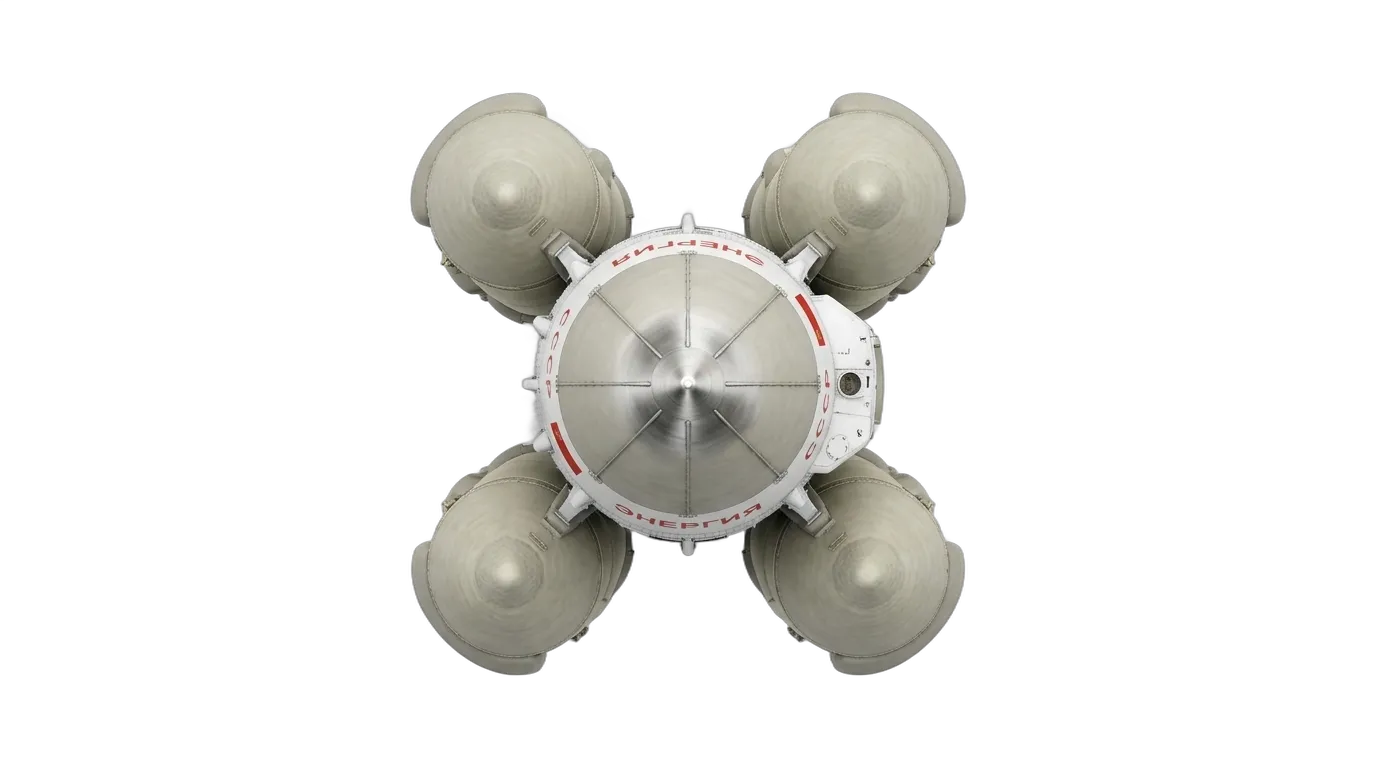
The second most powerful rocket ever flown when it launched in 1987. Energia could lift 100 tonnes to low Earth orbit and was designed to launch the Buran space shuttle. Only flew twice before the Soviet Union collapsed.
History
Energia was the Soviet Union''s last great rocket, and arguably its finest engineering achievement in launch vehicle design. Developed under the leadership of Valentin Glushko at NPO Energia, the rocket was designed as a modular heavy-lift vehicle that could be configured for different payload sizes, including the Buran space shuttle orbiter.
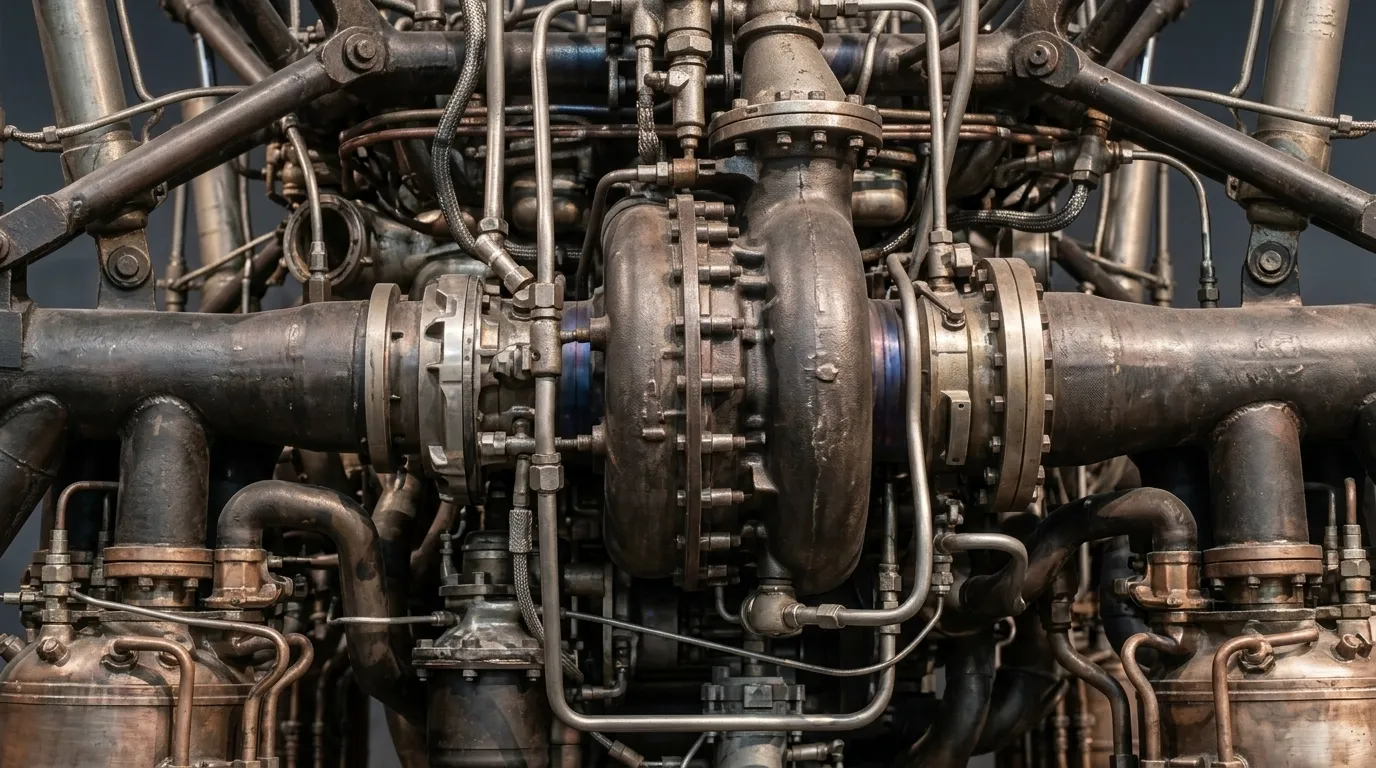
The rocket''s core stage used four RD-0120 engines burning liquid hydrogen and liquid oxygen -- the first time the Soviet Union had mastered hydrogen propulsion at this scale. Four strap-on boosters, each powered by an RD-170 engine (the most powerful liquid-fuel rocket engine ever built, with four combustion chambers and a single turbopump), burned kerosene and liquid oxygen. Together, the system produced 7.8 million pounds of thrust at liftoff.
Energia flew only twice. Its first flight on May 15, 1987, was technically successful, though its experimental payload (the Polyus/Skif-DM orbital weapons platform) failed to reach orbit due to its own guidance error. The second flight on November 15, 1988, launched the Buran space shuttle on its only mission -- an unmanned, fully automated orbital flight and landing that remains one of the most impressive demonstrations of space vehicle autonomy ever achieved.
The collapse of the Soviet Union in 1991 ended Energia''s future. The hardware was abandoned, and the launch pad at Baikonur fell into disrepair. The RD-170 engine, however, lived on: its derivatives power the Atlas V (RD-180) and the Antares rocket (RD-181), and its design philosophy influenced a generation of high-performance engine development.
Timeline
Launch Heritage
- Polyus
- Buran orbital flight
Technical Specifications
Propulsion
Performance
Dimensions
Mass
Mission
Power & Systems
Source: NPO Energia, Roscosmos
Tags
Designed by Valentin Glushko