Space Launch System
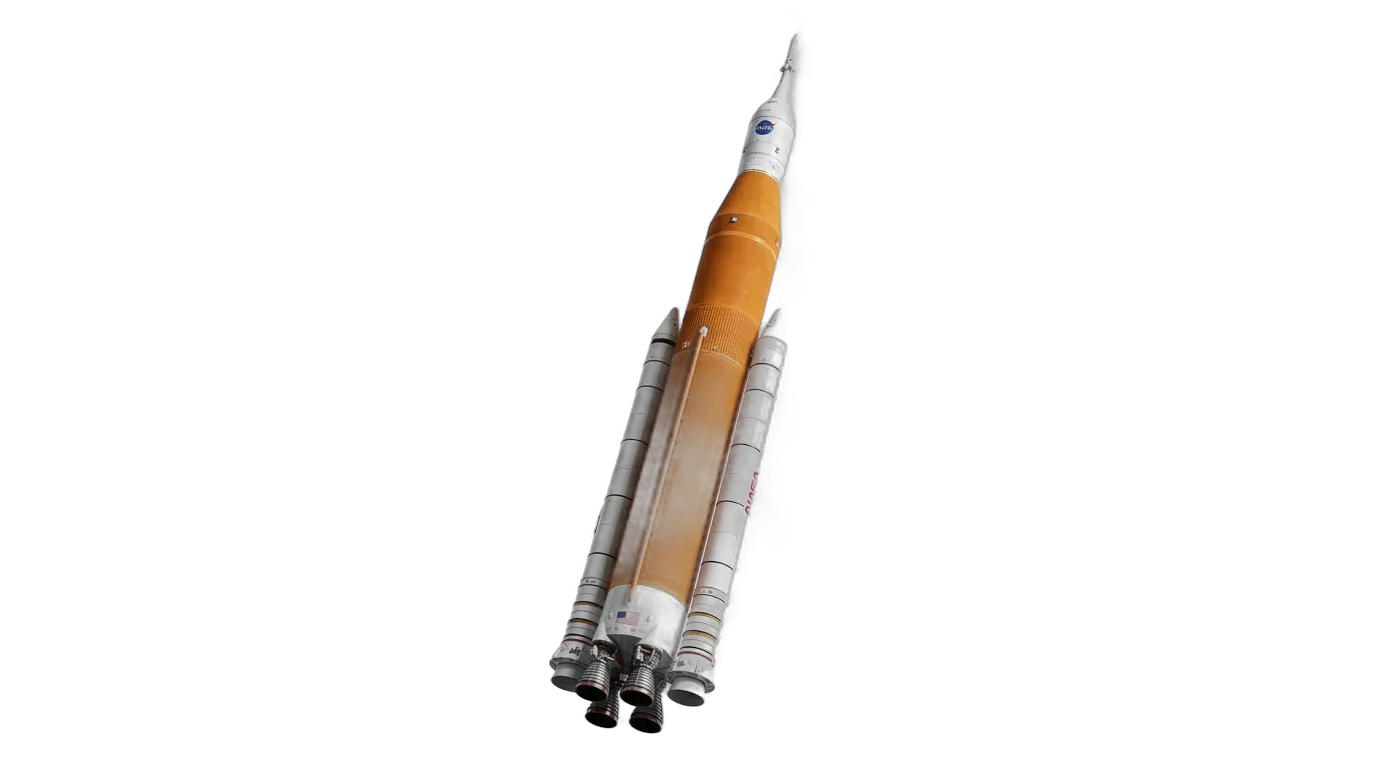
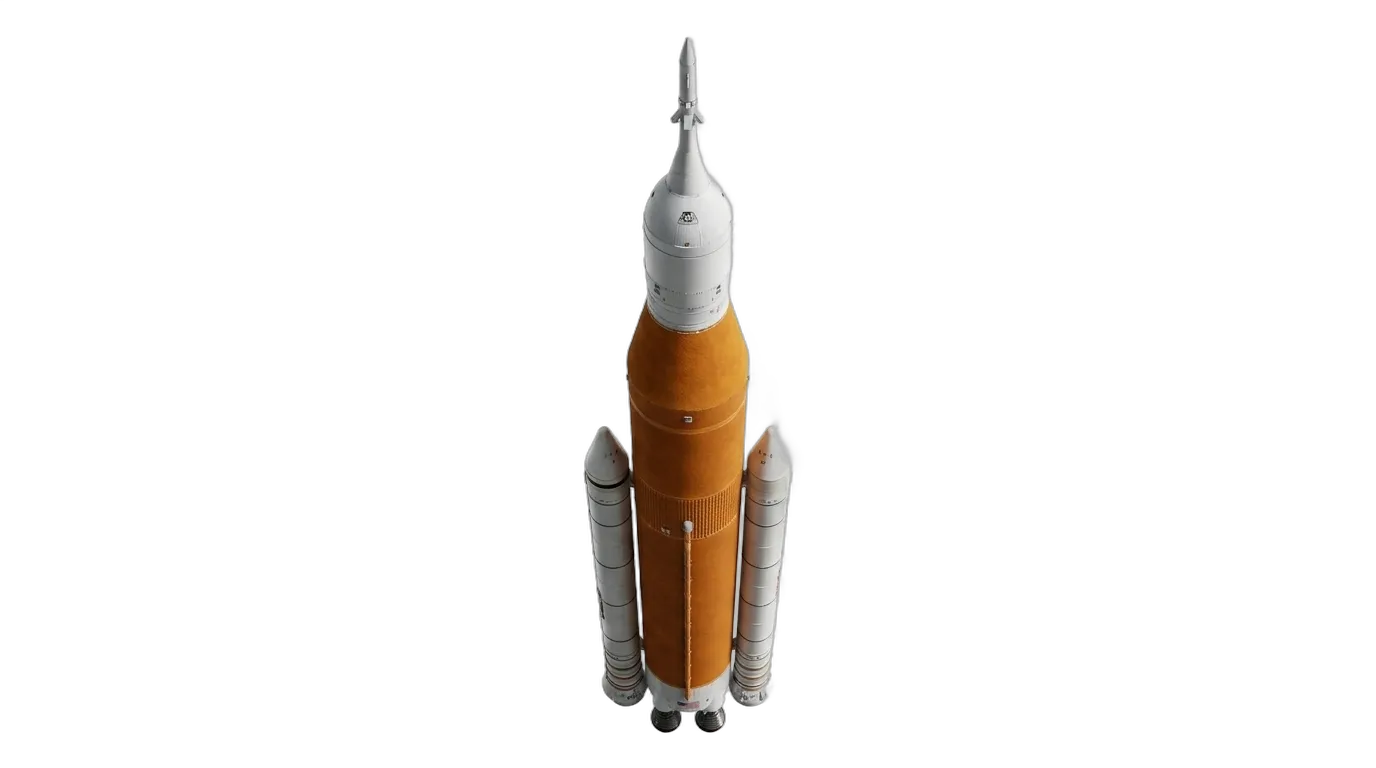
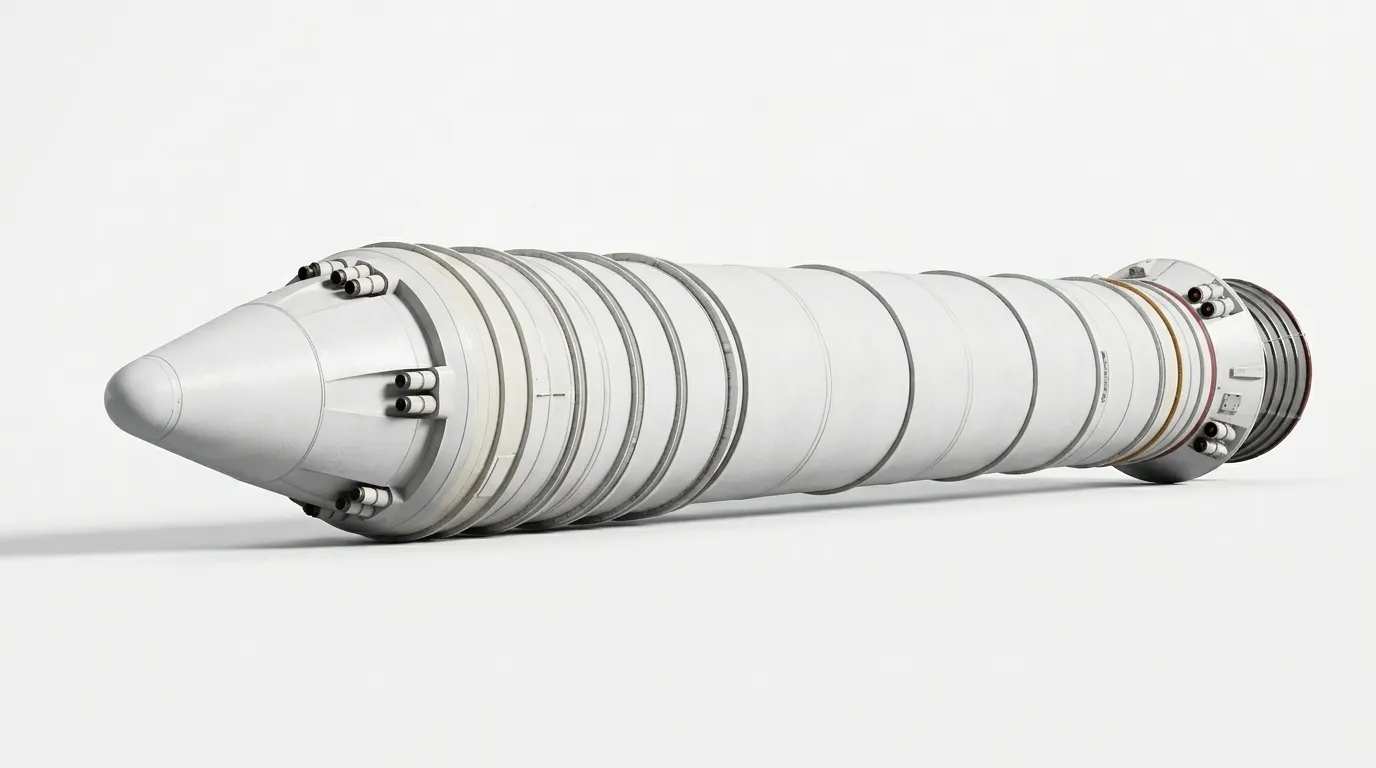
The most powerful rocket to fly when it launched Artemis I in November 2022. SLS uses four Space Shuttle-era RS-25 engines and two five-segment solid rocket boosters, producing 8.8 million pounds of thrust. It is NASA''s vehicle for returning humans to the Moon.
History
The Space Launch System emerged from the cancellation of the Constellation program in 2010, directed by Congress to use existing Space Shuttle hardware and infrastructure to reduce development costs and time. The core stage uses four RS-25 engines (originally built as reusable Space Shuttle Main Engines, now used expendably) and the solid rocket boosters are enlarged versions of the Shuttle''s SRBs.
SLS launched Artemis I on November 16, 2022, sending an uncrewed Orion capsule on a 25-day mission around the Moon and back. The flight was a success, demonstrating the rocket''s performance and the Orion capsule''s heat shield during a high-speed lunar return reentry.
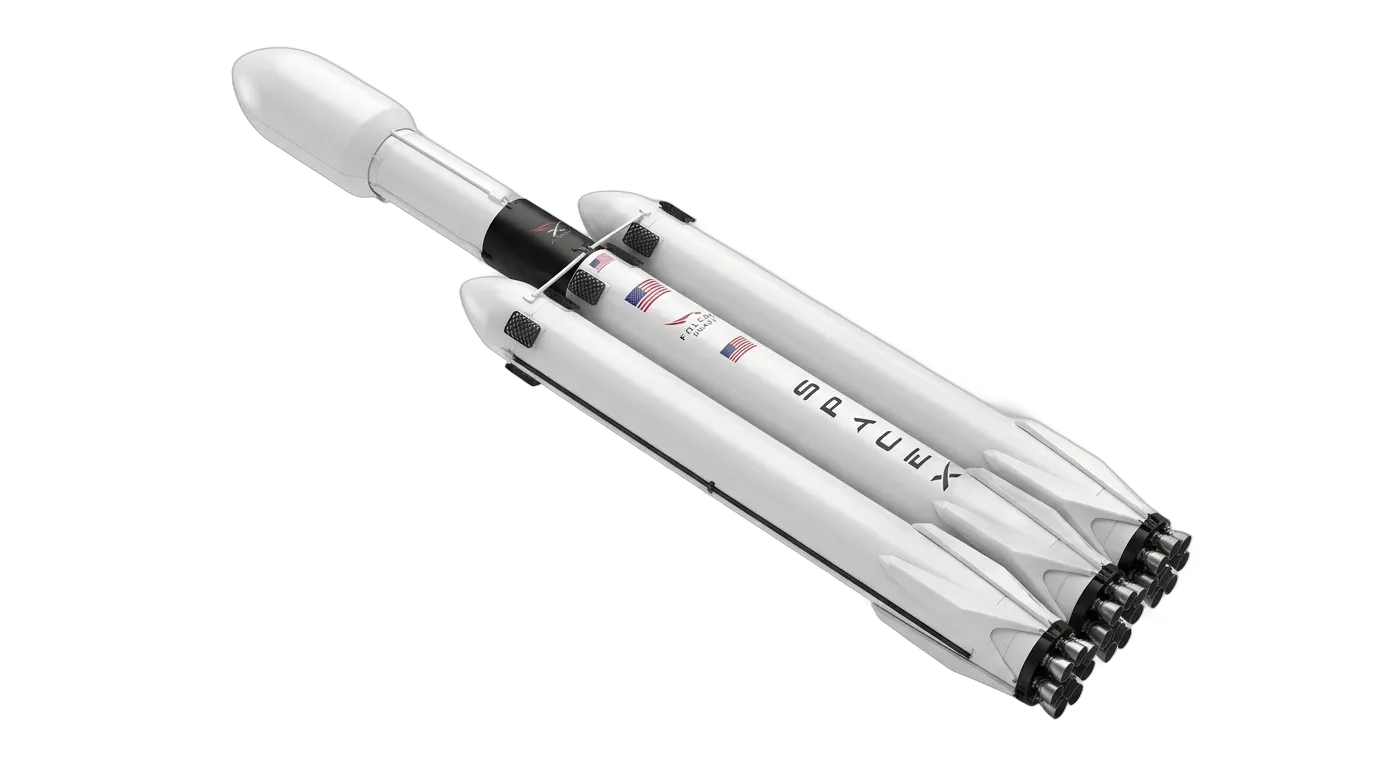
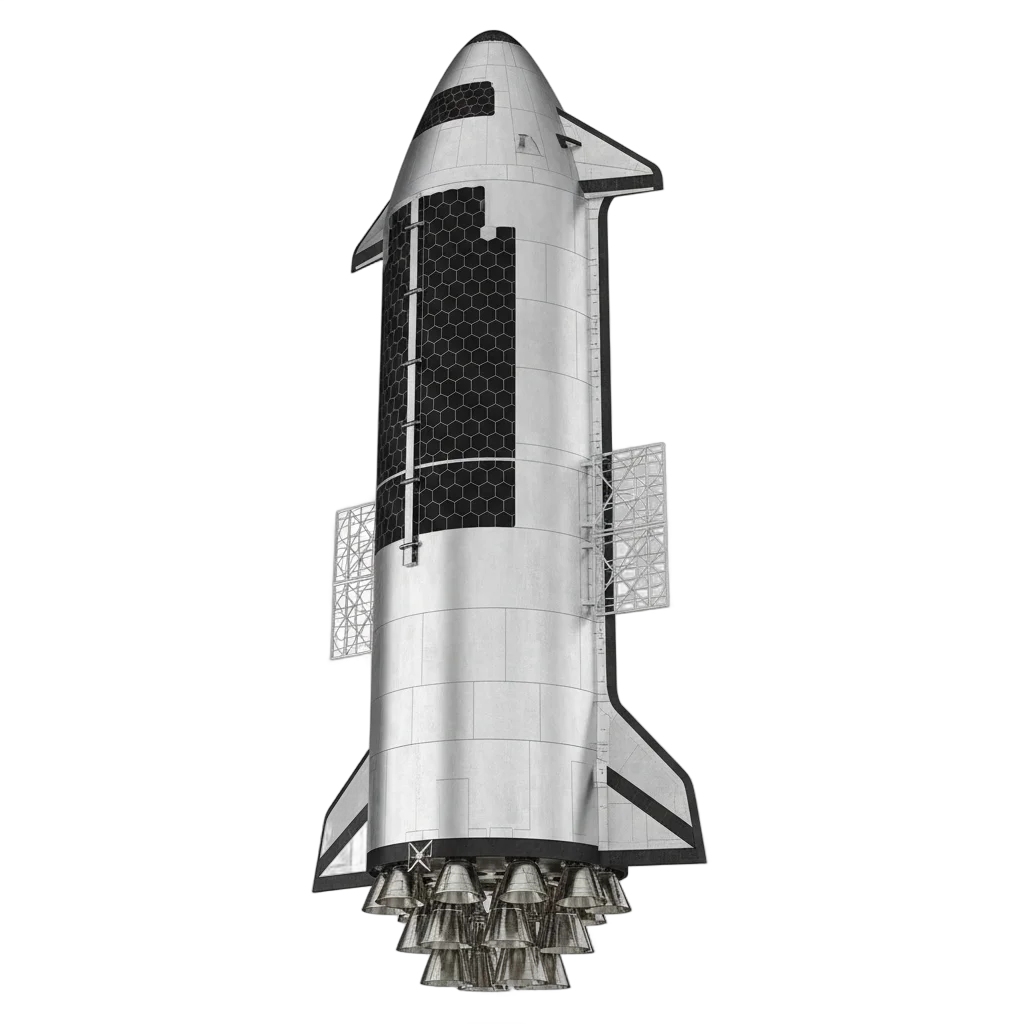
Critics note that SLS costs approximately $2 billion per launch (including amortized development costs) and is fully expendable, while SpaceX''s more powerful Starship is designed for full reusability at a fraction of the cost. Supporters argue that SLS provides a proven, crew-rated heavy-lift capability that is essential for the Artemis program''s ambitious timeline.
Launch Heritage
- Artemis I
Technical Specifications
Propulsion
Performance
Dimensions
Mass
Mission
Power & Systems
Source: NASA
Tags
Designed by NASA / Boeing / Northrop Grumman / Aerojet Rocketdyne