Apollo Lunar Module
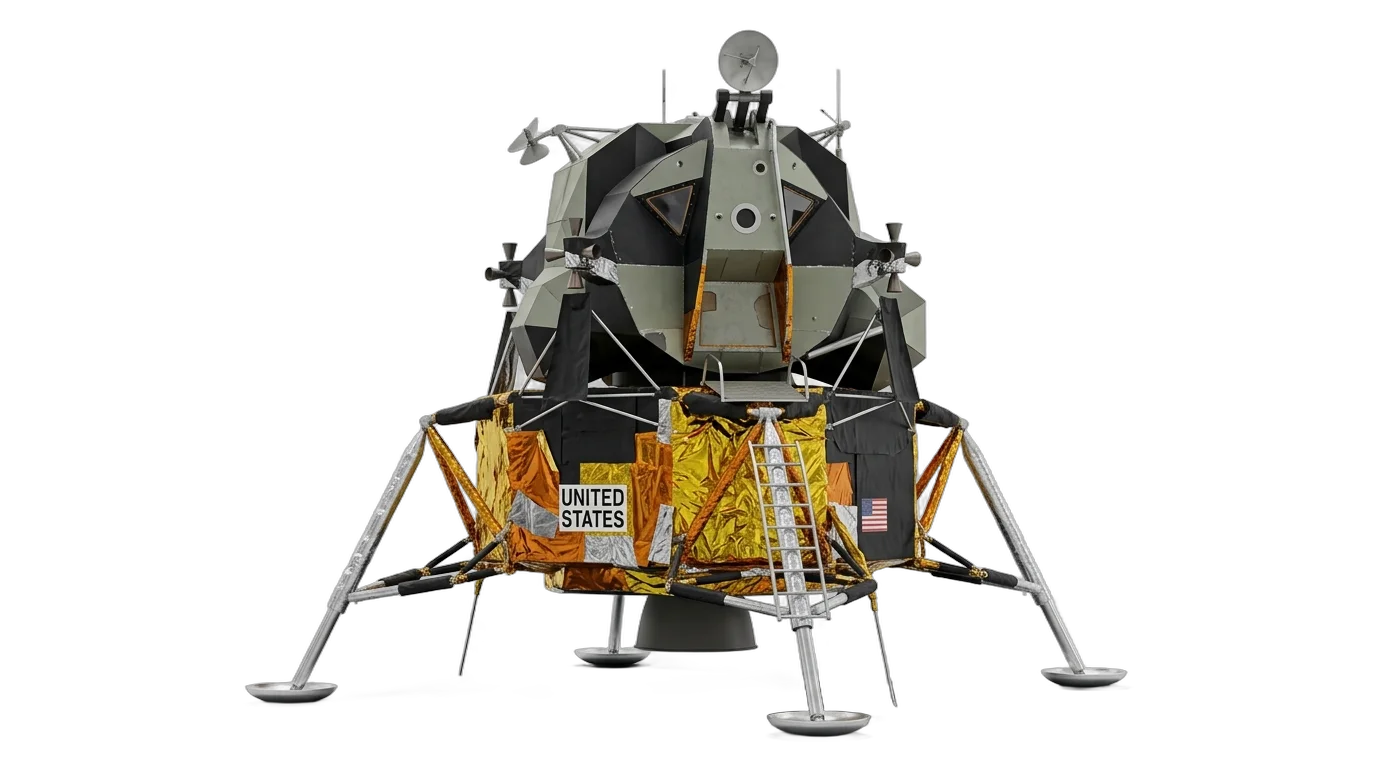
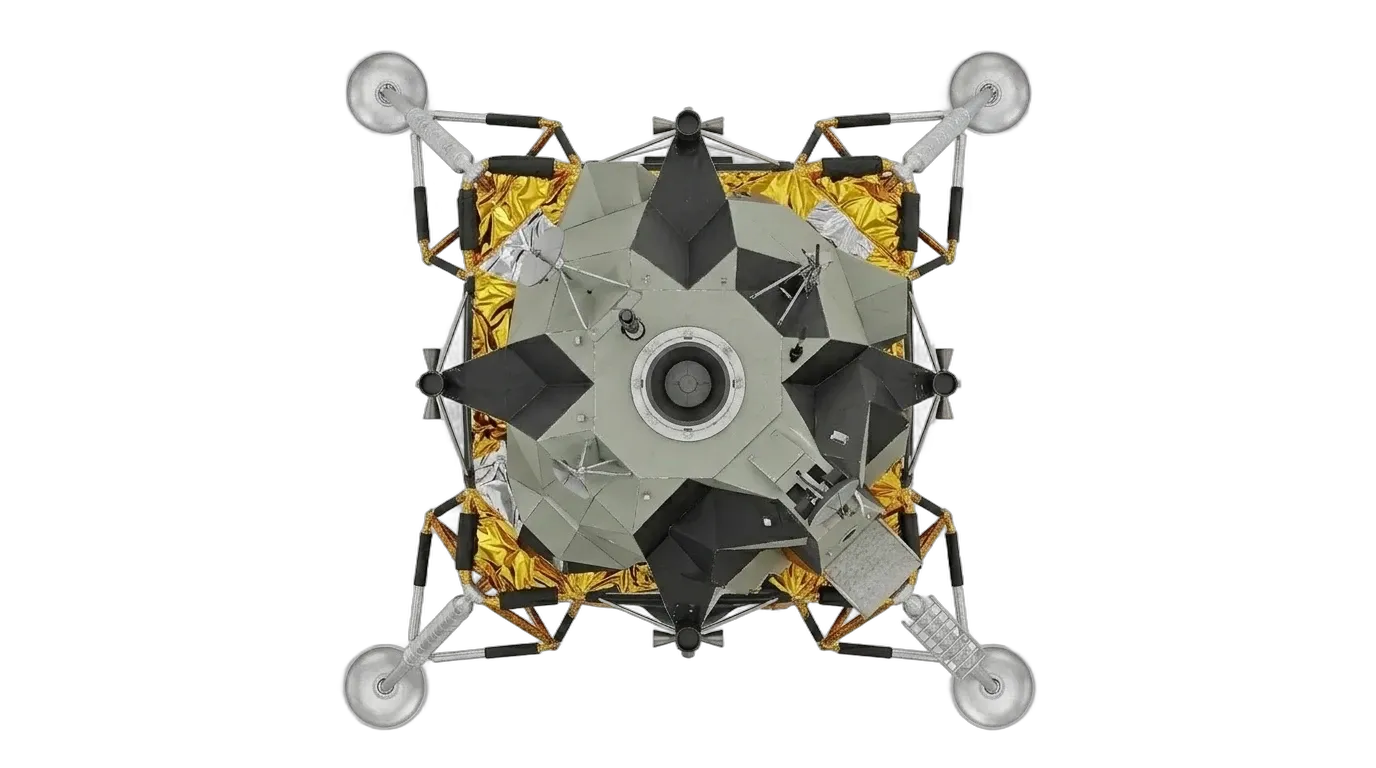
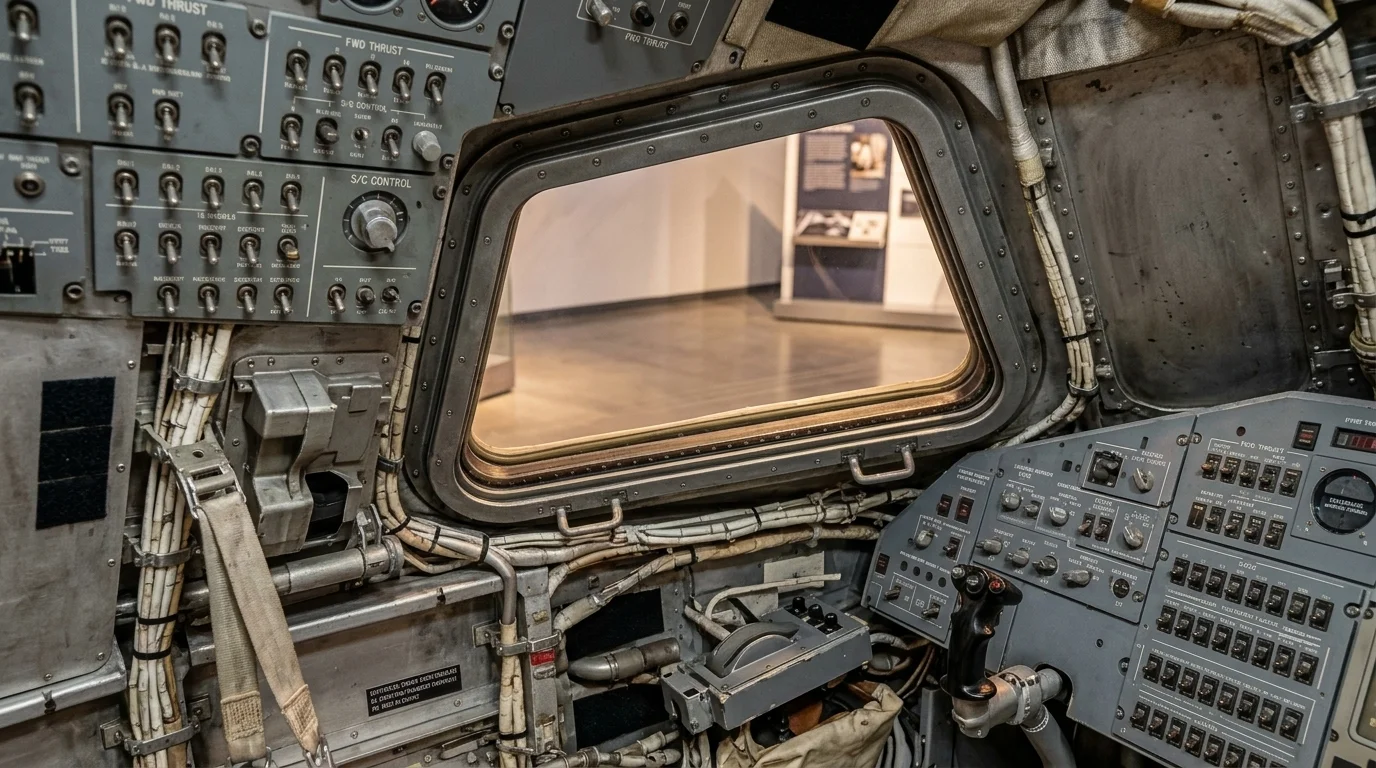
The first vehicle designed exclusively for operation in space, with no aerodynamic surfaces, no heat shield, and no ability to survive in an atmosphere. Six Lunar Modules landed humans on the Moon. A seventh saved the Apollo 13 crew as an emergency lifeboat.
History
The Lunar Module was unlike any vehicle ever built. Designed by Thomas Kelly and his team at Grumman Aerospace, it was a pure spacecraft -- engineered solely for the vacuum of space and the one-sixth gravity of the Moon. Its spindly legs, angular body, and gold foil wrapping looked nothing like the sleek rockets and capsules of popular imagination, but every element served a precise engineering purpose.
The LM consisted of two stages. The descent stage carried the main landing engine, fuel, water, oxygen, and scientific equipment. The ascent stage contained the crew cabin and a smaller engine to lift the astronauts back to lunar orbit. After the crew transferred to the Command Module, the ascent stage was jettisoned. The descent stage remained on the Moon, serving as a launch platform.
Weight was the overriding constraint. Every ounce added to the LM had to be lifted by the Saturn V, so Grumman engineers shaved mass ruthlessly. The walls of the crew cabin were thinner than two sheets of aluminum foil in places -- an astronaut could have punched through the hull with a screwdriver. There were no seats; the two astronauts stood during descent and landing, held in place by restraints.
Six Lunar Modules -- Eagle, Intrepid, Antares, Falcon, Orion, and Challenger -- successfully landed on the Moon between 1969 and 1972. The seventh crewed LM, Aquarius on Apollo 13, served as an emergency lifeboat when an explosion crippled the Command Module, keeping three astronauts alive for four days in a vehicle designed for two people and two days.
Timeline
Launch Heritage
- Apollo 11 Eagle (first Moon landing)
- Apollo 13 Aquarius (lifeboat that saved the crew)
- Apollo 15-17 (extended surface missions with Lunar Rover)
Technical Specifications
Propulsion
Performance
Dimensions
Mass
Mission
Power & Systems
Source: NASA Apollo Program
Tags
Designed by Thomas J. Kelly