Moon Rockets
The titans built to reach the Moon. From Saturn V to SLS, these are the heaviest, most powerful rockets ever launched.
21 vehicles
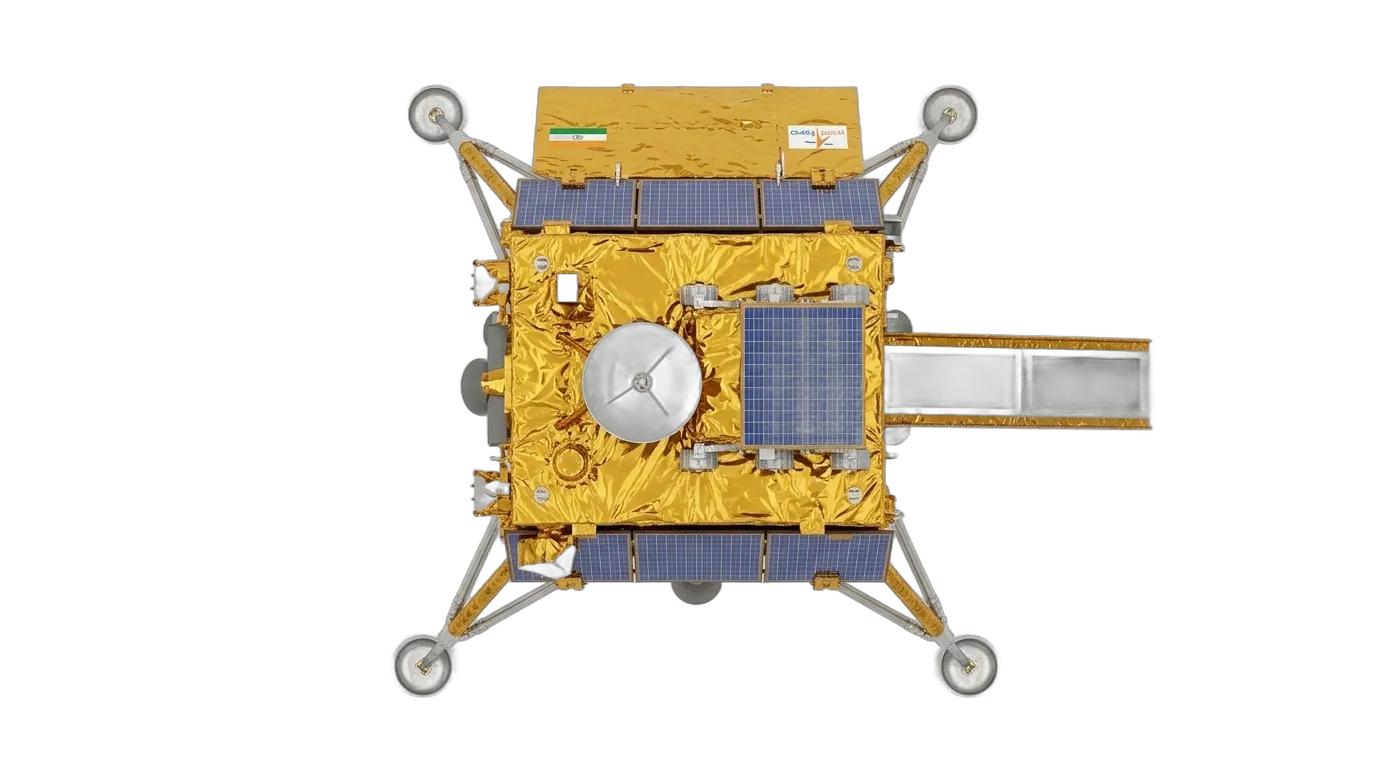
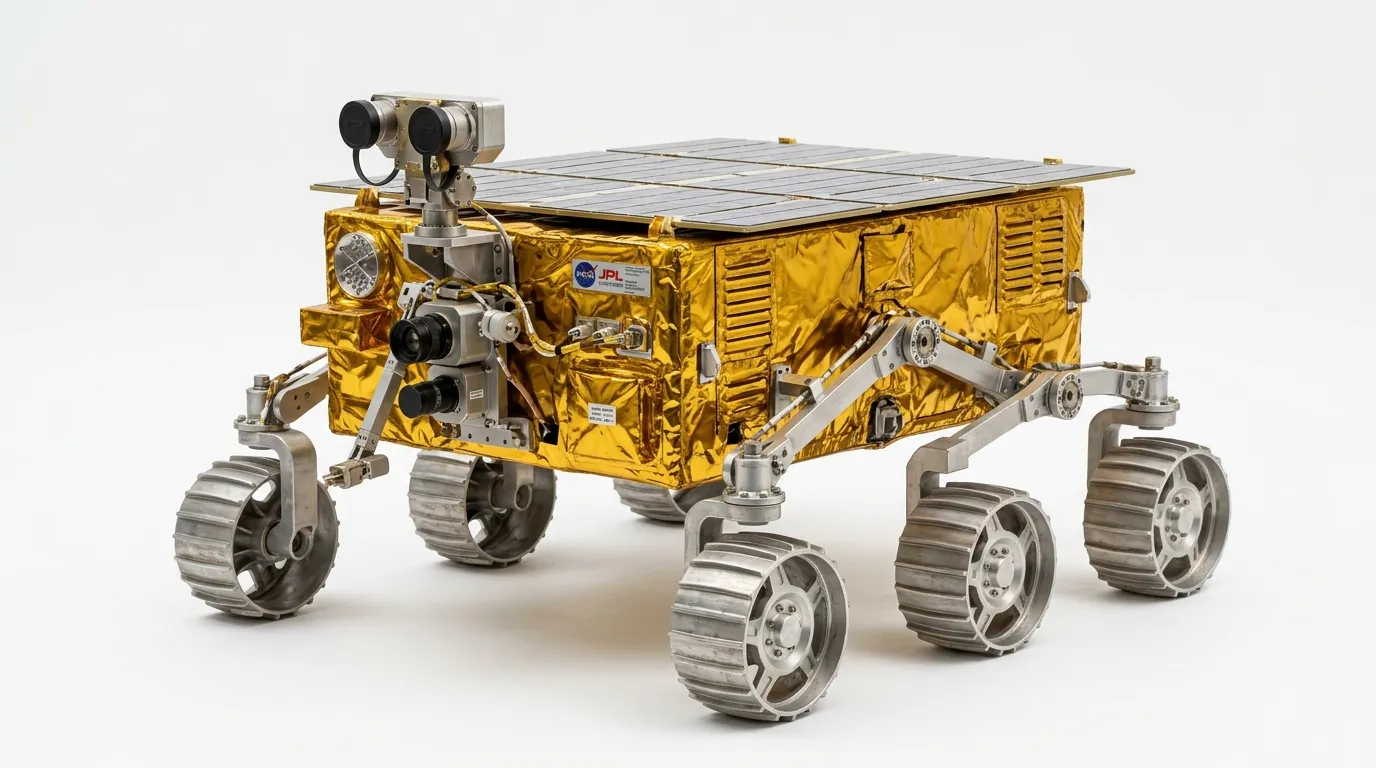
Reaching the Moon required more energy than any other feat of engineering in human history. The rockets in this collection were built to solve that singular problem: escape Earth's gravity with enough payload to land humans on another world and bring them home. Each one represents the absolute limit of what its era could build.
The Saturn V
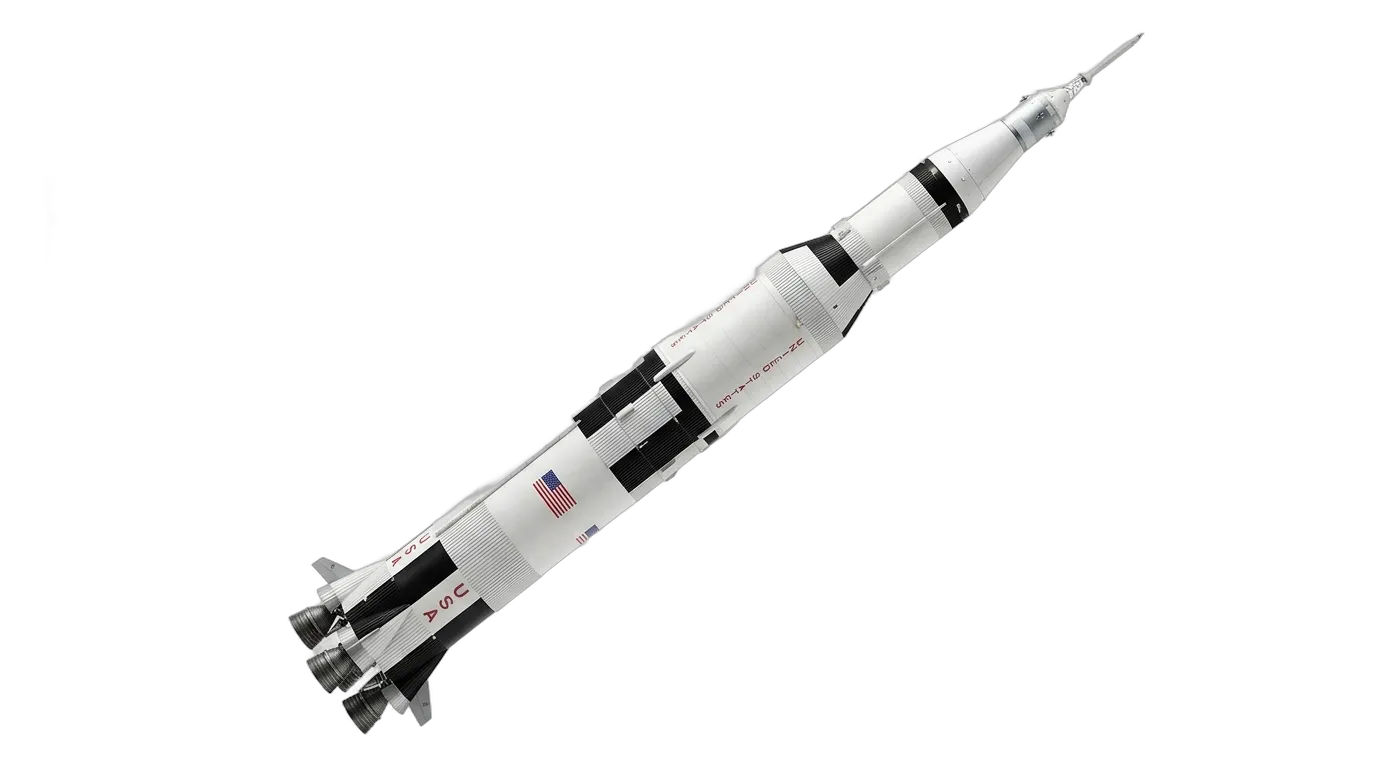
The most powerful rocket ever flown successfully. Designed by Wernher von Braun's team at Marshall Space Flight Center, the Saturn V stood 363 feet tall and produced 7.5 million pounds of thrust at liftoff. It launched every Apollo lunar mission, placing 12 astronauts on the Moon between 1969 and 1972. Its five F-1 engines remain the most powerful single-chamber rocket engines ever flown. No Saturn V ever failed in flight.
The Soviet Moon Shot
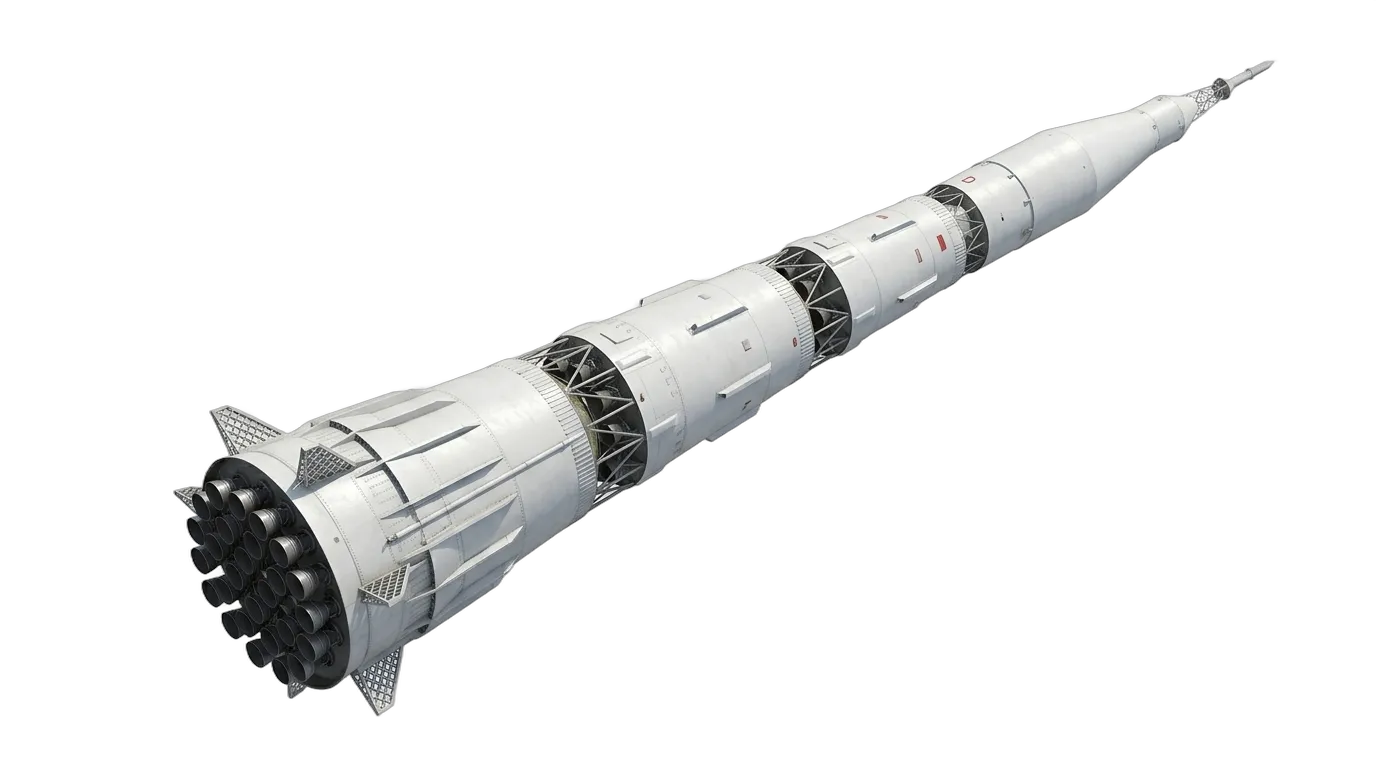
The N1 was the Soviet Union's answer to the Saturn V. Standing taller than its American counterpart at 344 feet, it used 30 NK-15 engines in its first stage -- a complexity that proved fatal. All four launch attempts between 1969 and 1972 ended in failure, including the largest non-nuclear explosion in history when N1-5L detonated on the pad. The program was quietly cancelled, and the Soviet Union never reached the Moon.
Return to the Moon
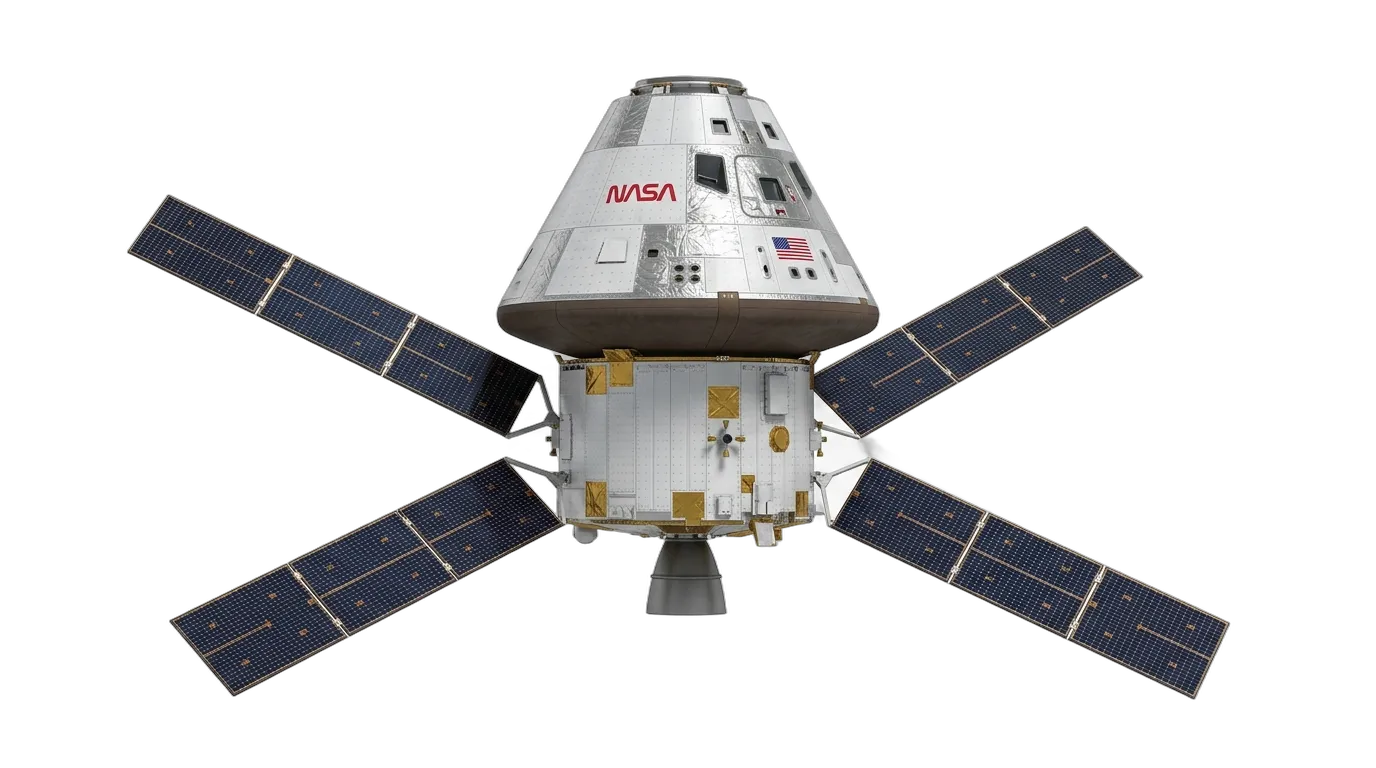
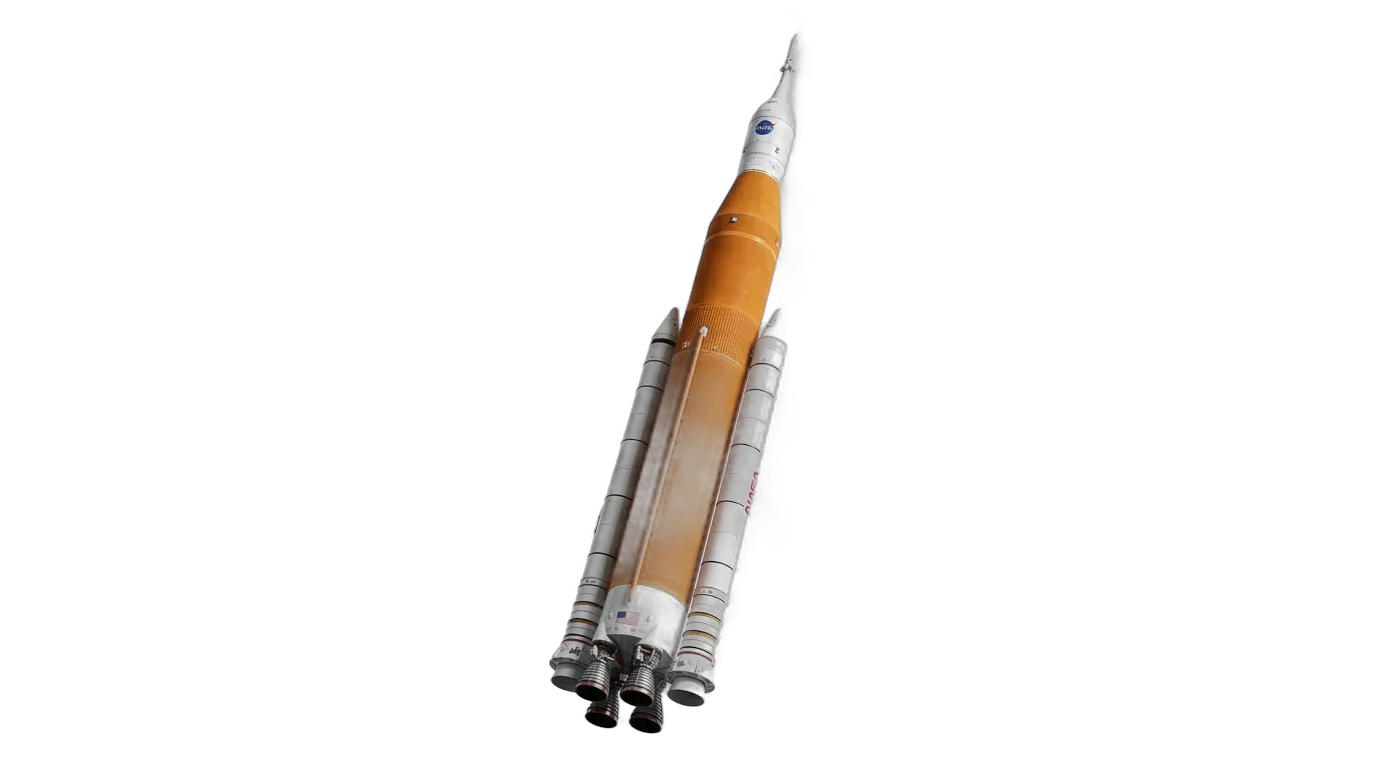
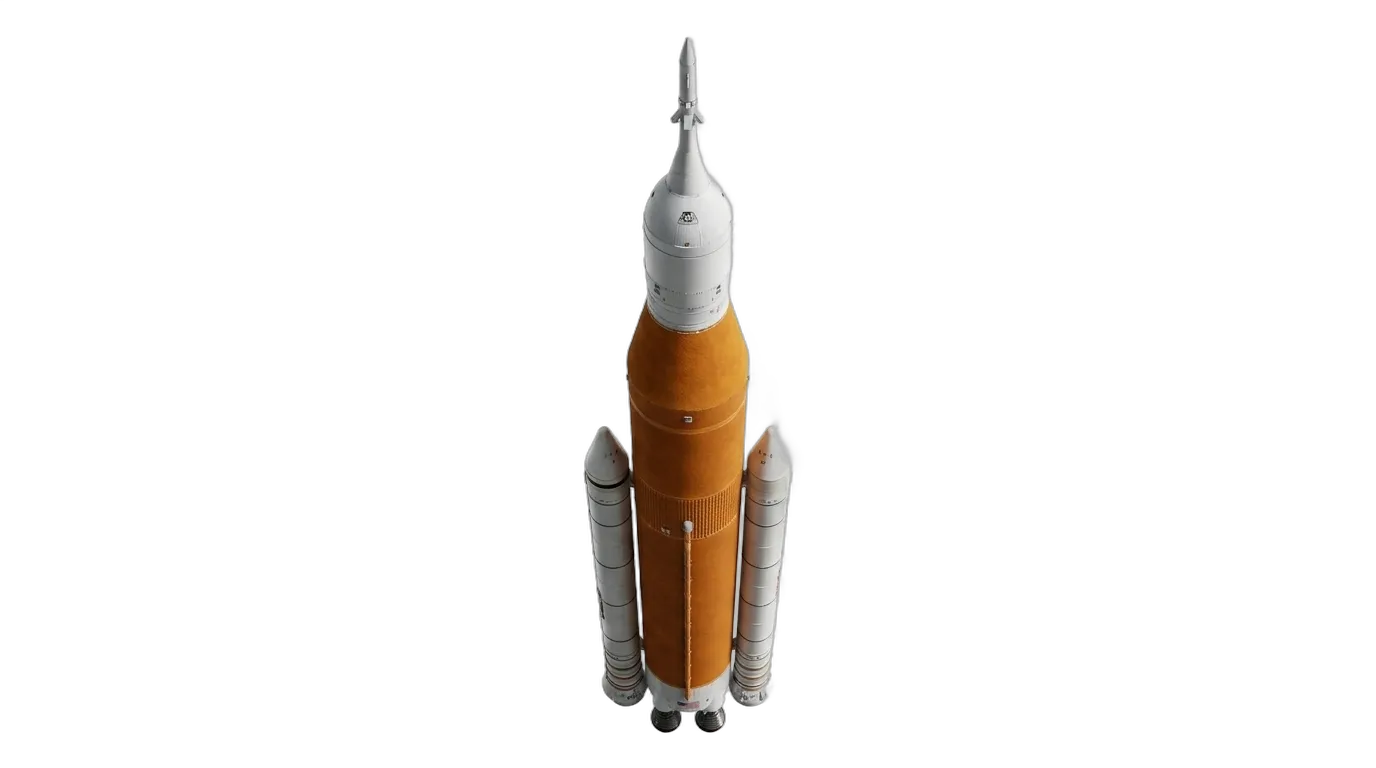
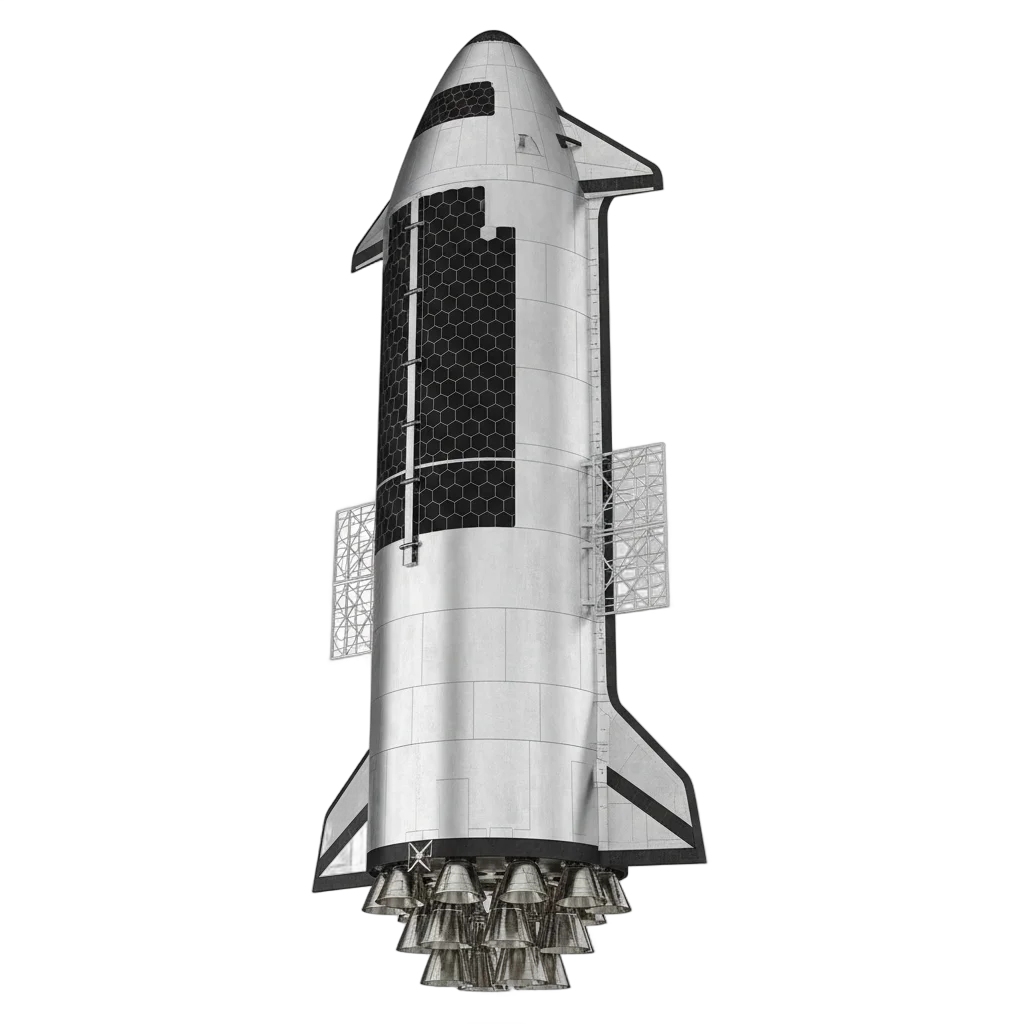
After a half-century gap, the Space Launch System and Starship represent humanity's return to lunar ambitions. SLS, derived from Space Shuttle hardware, launched Artemis I around the Moon in 2022. SpaceX's Starship, selected as the Artemis lunar lander, is designed to carry 100 tonnes to the lunar surface -- dwarfing every previous Moon rocket. The new lunar race involves not two superpowers, but a dozen nations and private companies.
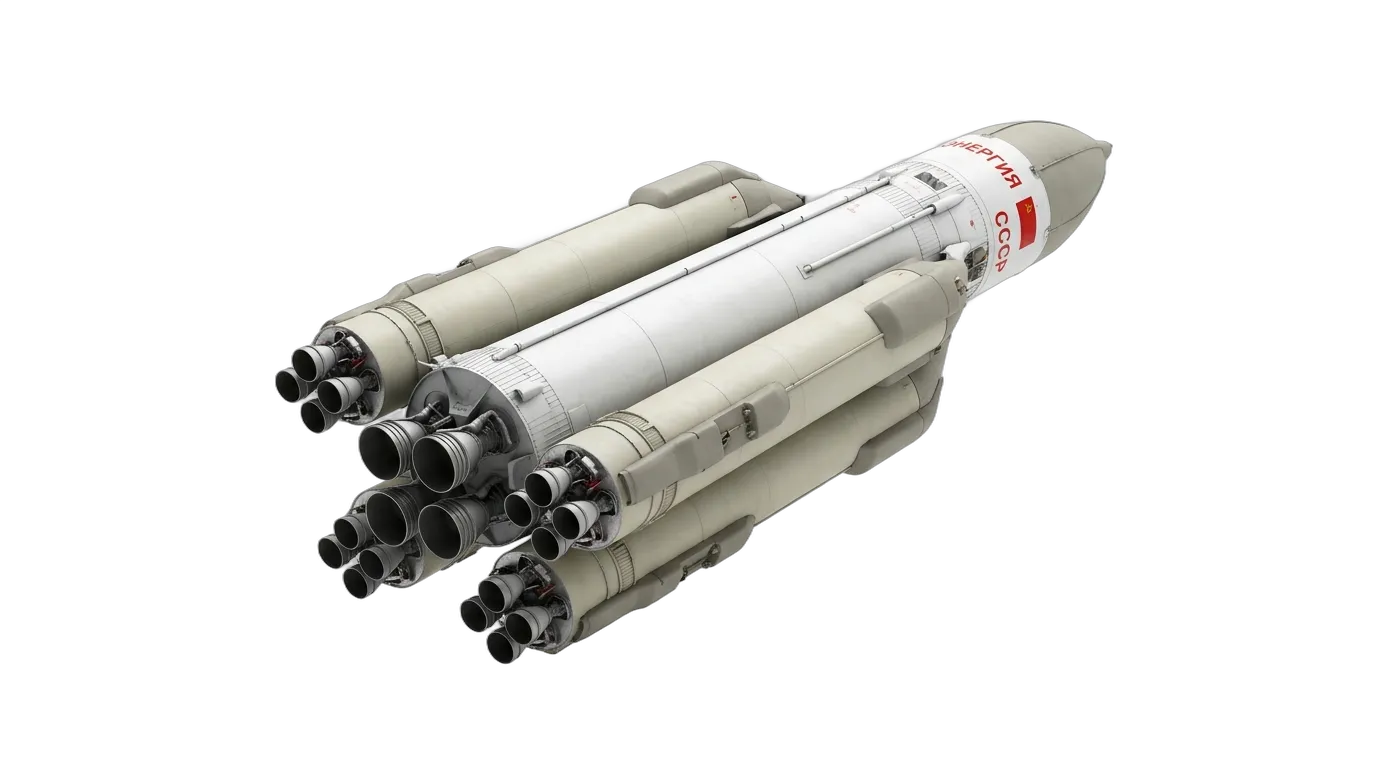
Moon rockets are defined by extremes. Extreme thrust, extreme size, extreme cost, extreme ambition. The Saturn V cost $185 million per launch in 1969 dollars. Starship aims to reduce that by two orders of magnitude. Whatever the economics, the fundamental challenge remains the same: overcome 238,900 miles of vacuum between Earth and the Moon with enough margin to bring everyone home.