Buran
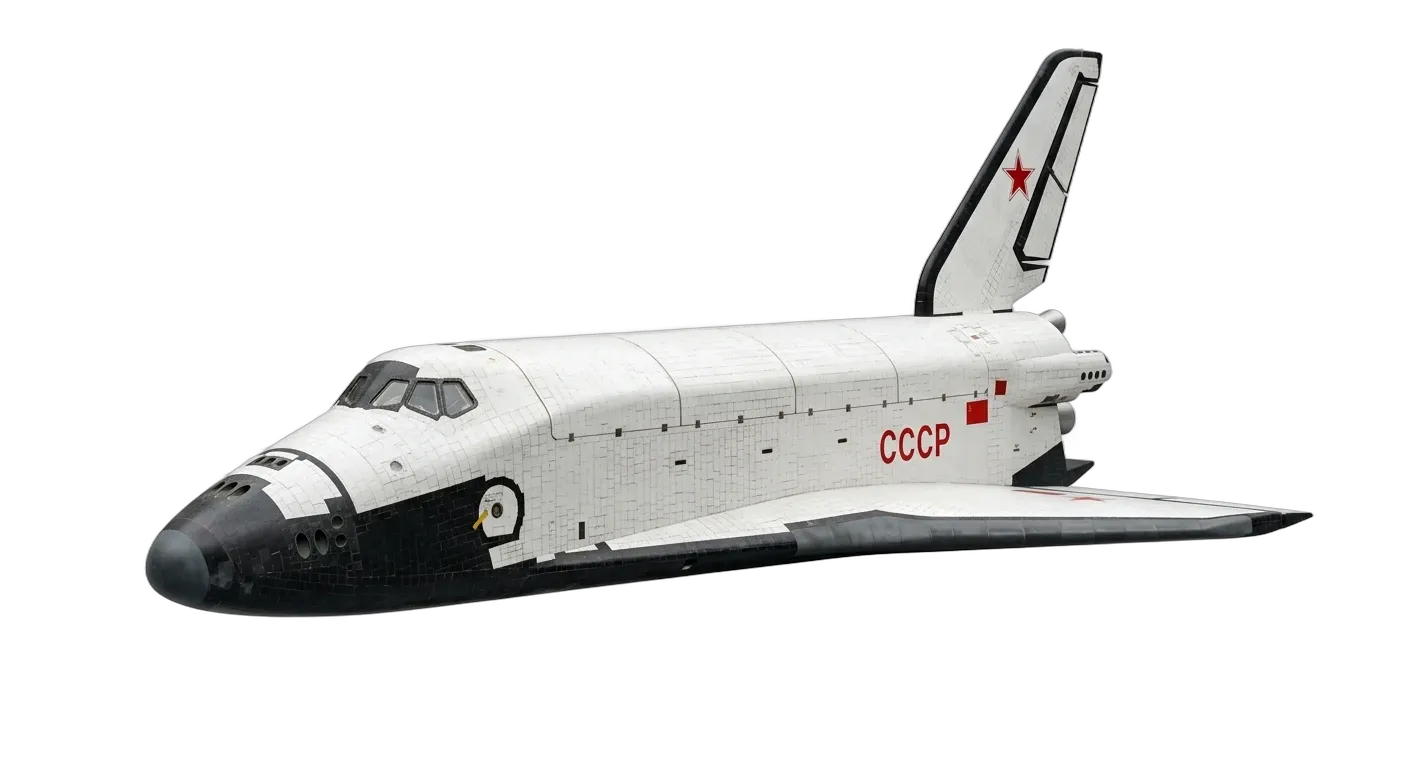
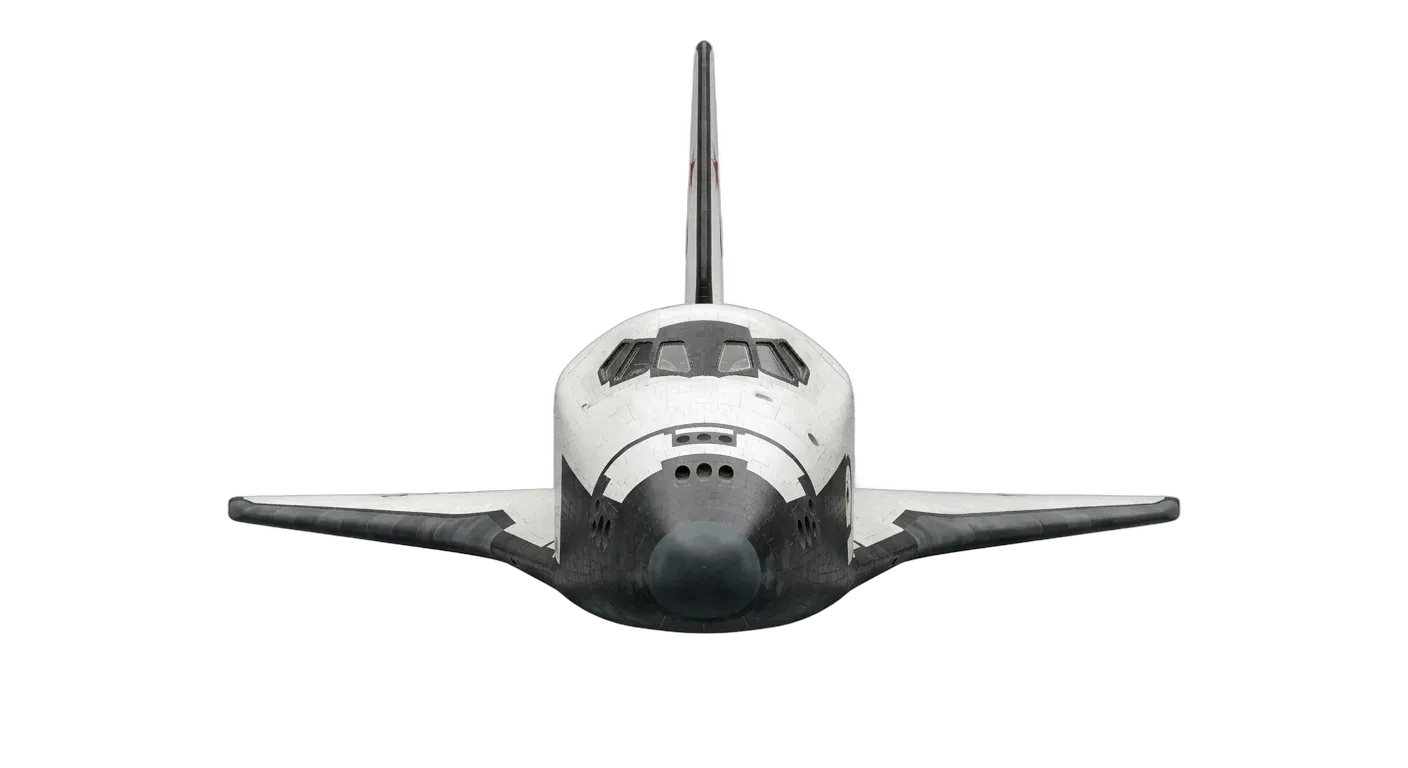
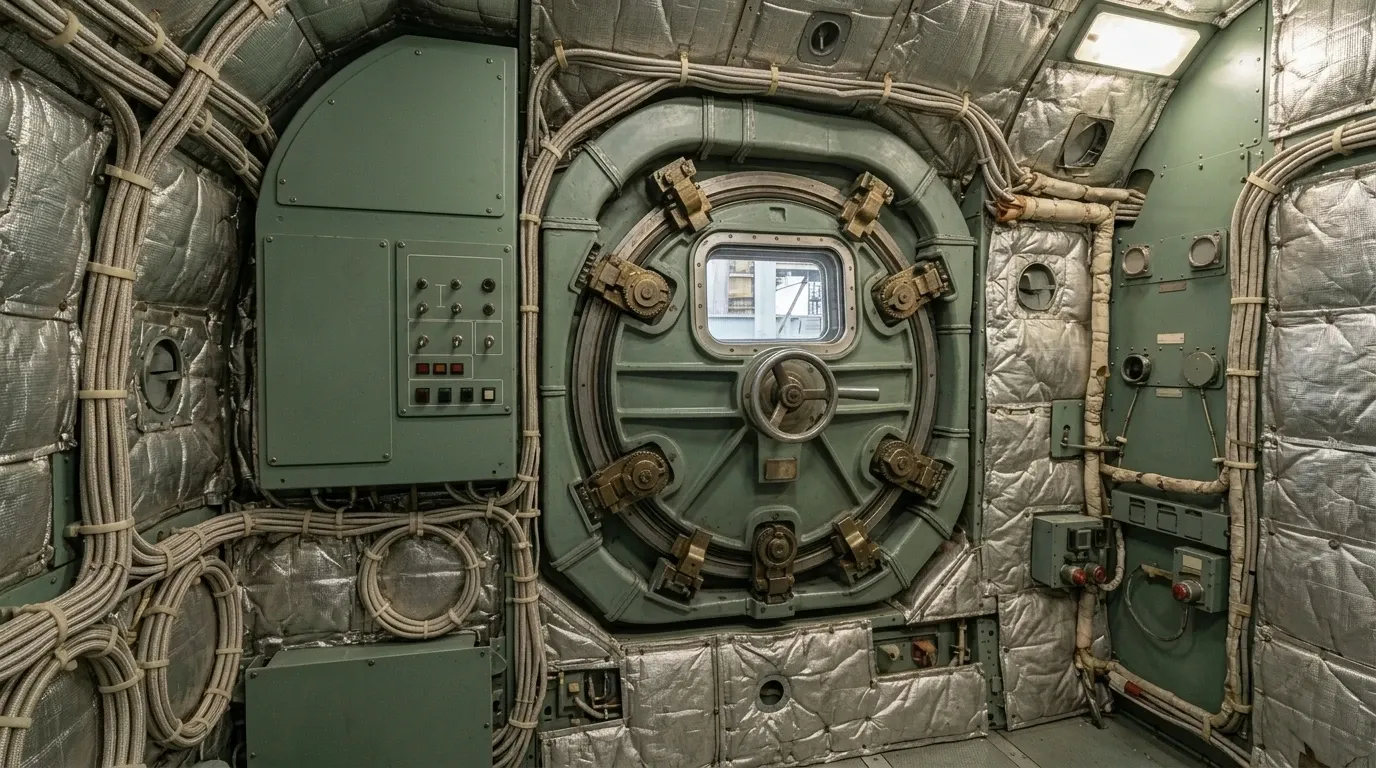
The Soviet space shuttle flew only once, on November 15, 1988, in a fully automated, uncrewed mission -- a feat the American Shuttle never attempted. The orbiter completed two orbits and landed autonomously in a crosswind, demonstrating flight control capabilities ahead of its time.
History
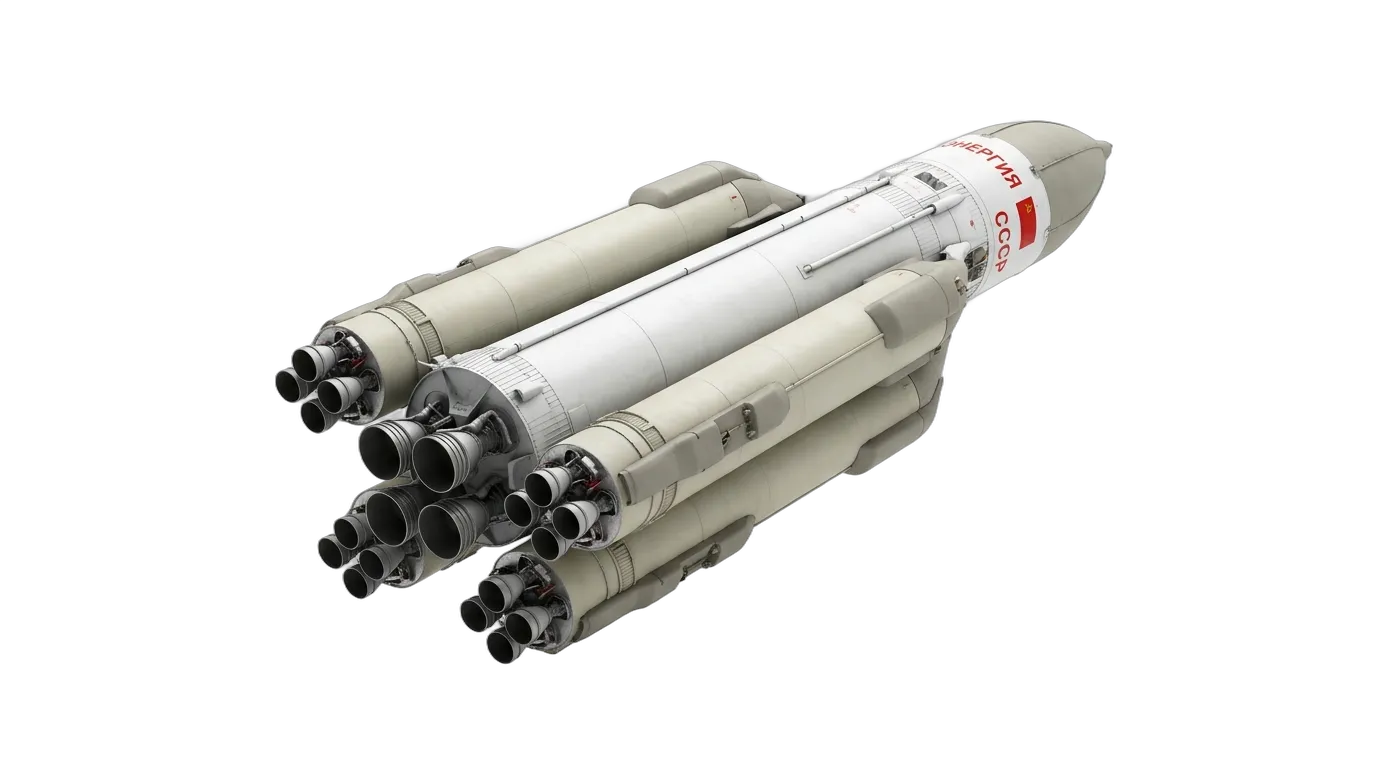
Buran (meaning Snowstorm) was the Soviet Union''s answer to the American Space Shuttle, developed in response to concerns that the Shuttle could be used as a weapon delivery system. While the vehicle visually resembled the US Shuttle, it incorporated significant design differences. Most notably, Buran carried no main engines -- all launch thrust was provided by the Energia rocket. This meant Buran was a pure glider, and the Energia booster could be used independently to launch other heavy payloads.
The Buran program was enormously expensive, consuming resources that the increasingly fragile Soviet economy could ill afford. Over a thousand organizations and enterprises across the Soviet Union contributed to the project. The orbiter was protected by 38,000 heat-resistant tiles, each individually manufactured and applied.
Buran''s sole flight on November 15, 1988, was a stunning technical achievement. The orbiter launched unmanned, completed two orbits of the Earth over 206 minutes, and landed automatically at the Baikonur Cosmodrome -- including a last-minute course correction to account for crosswinds. The autonomous landing, performed entirely by on-board computers, was a capability the American Shuttle never possessed.
The Soviet Union''s dissolution in 1991 sealed Buran''s fate. The program was cancelled in 1993. The flight-qualified orbiter was destroyed in 2002 when the hangar at Baikonur collapsed due to neglect. Other orbiters in various stages of completion are displayed in museums or stored at Baikonur.
Timeline
Launch Heritage
- Unmanned orbital flight 1K1
Technical Specifications
Propulsion
Performance
Dimensions
Mass
Mission
Power & Systems
Source: NASA NSSDC
Tags
Designed by Gleb Lozino-Lozinskiy / NPO Molniya