Eyes in the Sky
The space telescopes and observatories that revealed the universe. Hubble, Webb, Kepler, and beyond.
12 vehicles
Space telescopes see what ground-based observatories cannot. Above Earth's atmosphere, there is no turbulence to blur images, no water vapor to absorb infrared light, and no light pollution to drown faint signals. The observatories in this collection have revealed the age of the universe, discovered thousands of exoplanets, and photographed galaxies as they appeared billions of years ago.
Hubble: The People's Telescope
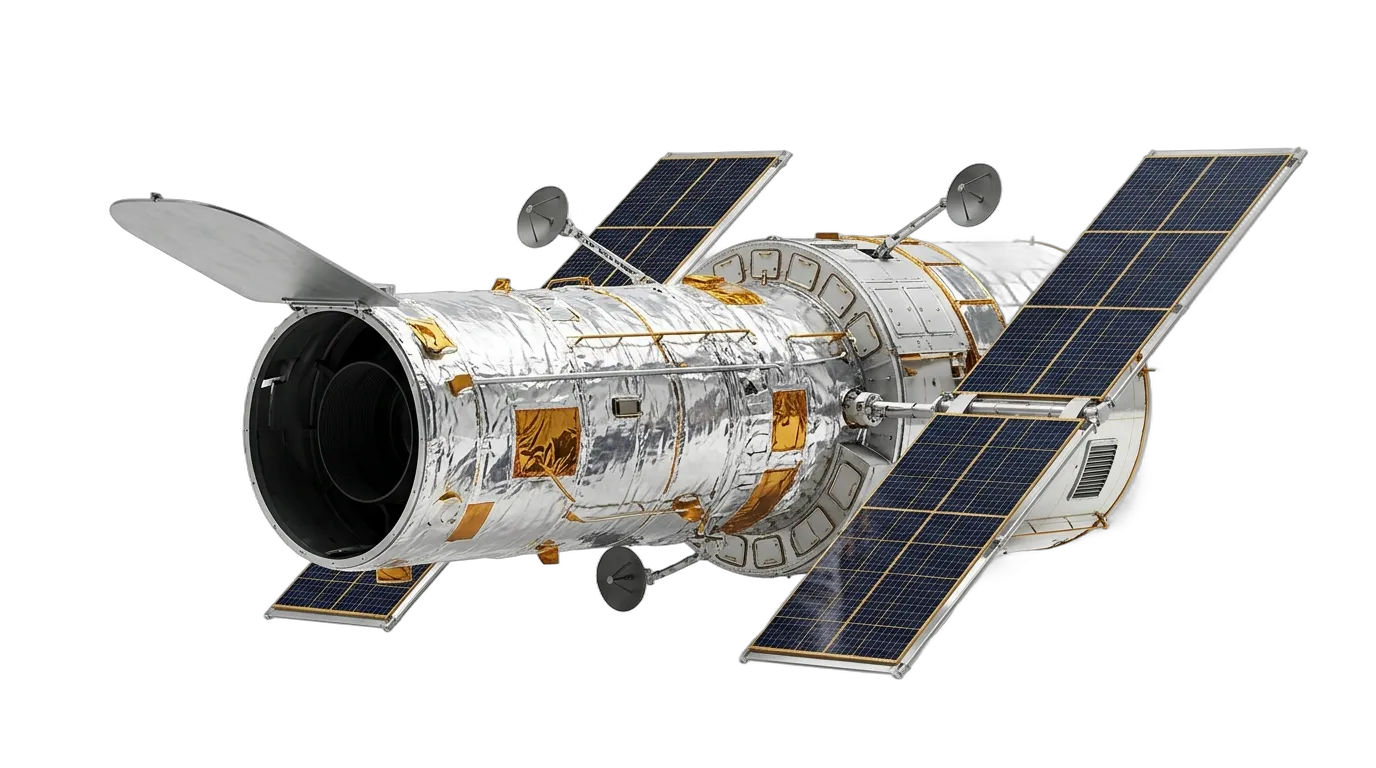
The Hubble Space Telescope has been the most scientifically productive instrument in history. Launched in 1990 with a flawed mirror -- corrected by a daring Shuttle repair mission in 1993 -- Hubble has made over 1.5 million observations. Its Deep Field images revealed thousands of galaxies in a patch of sky previously thought empty. Hubble determined the age of the universe, confirmed the existence of dark energy, and produced images that became cultural icons.
Webb: Seeing the First Light
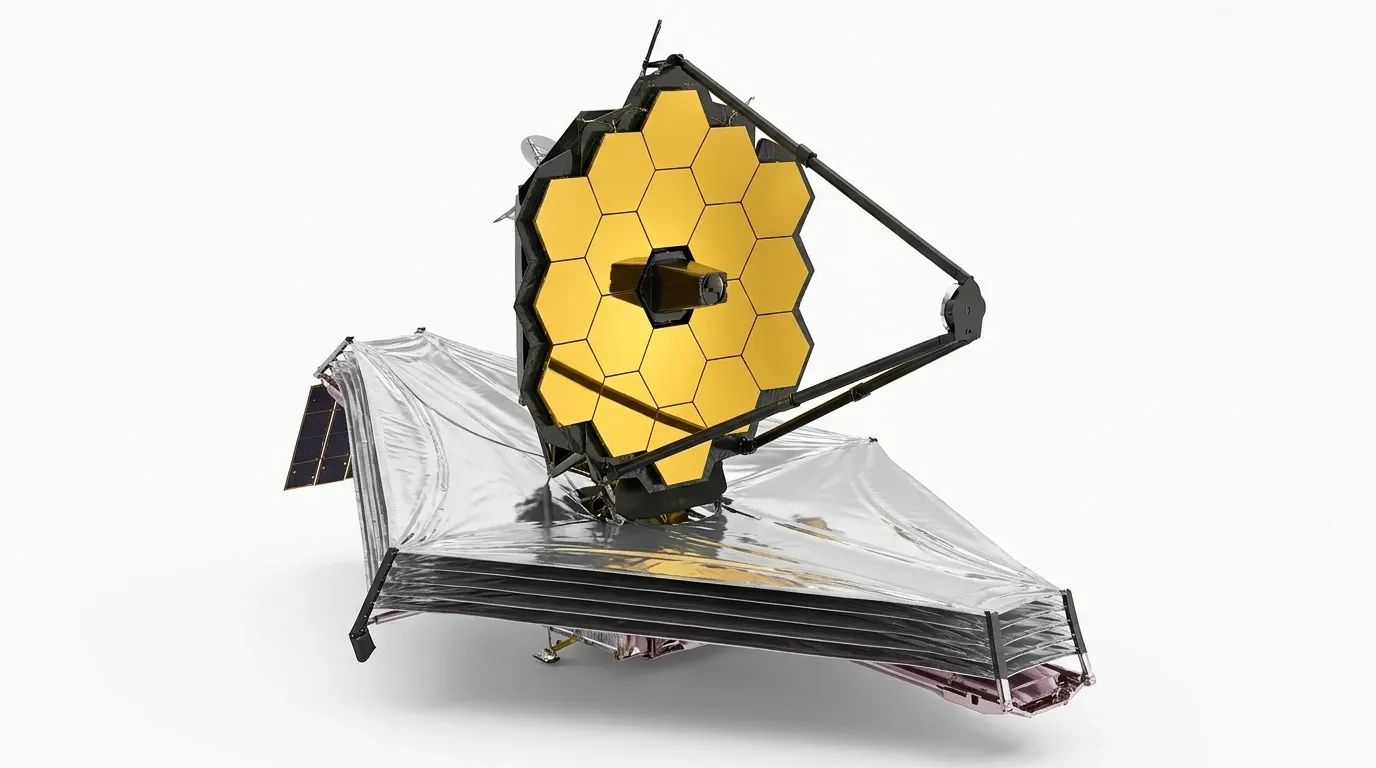
The James Webb Space Telescope, launched in December 2021, is the most powerful space observatory ever built. Its 6.5-meter gold-coated mirror, shielded by a tennis-court-sized sunshade, observes the universe in infrared. Webb has seen galaxies forming 300 million years after the Big Bang, analyzed the atmospheres of exoplanets for signs of habitability, and revealed details of star formation hidden from Hubble's visible-light eyes.
The Planet Hunters
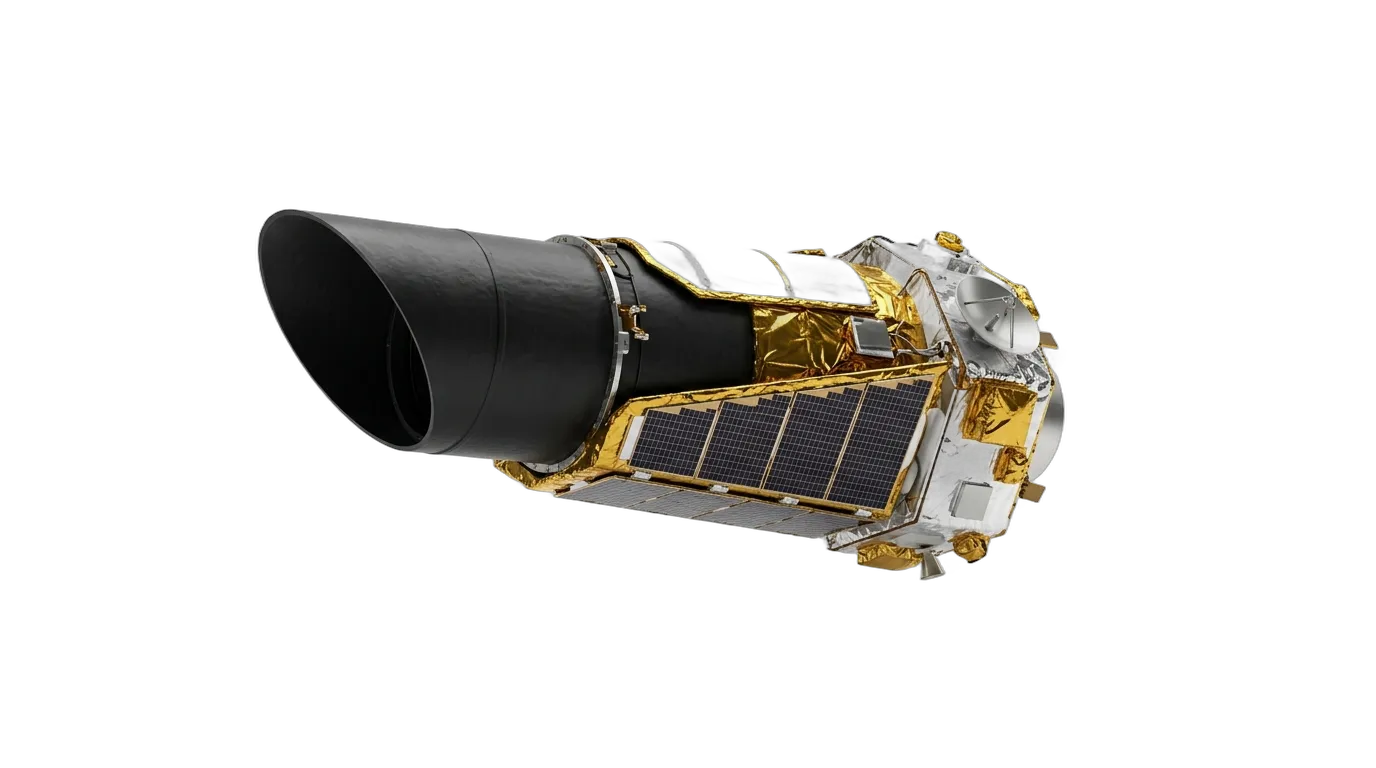
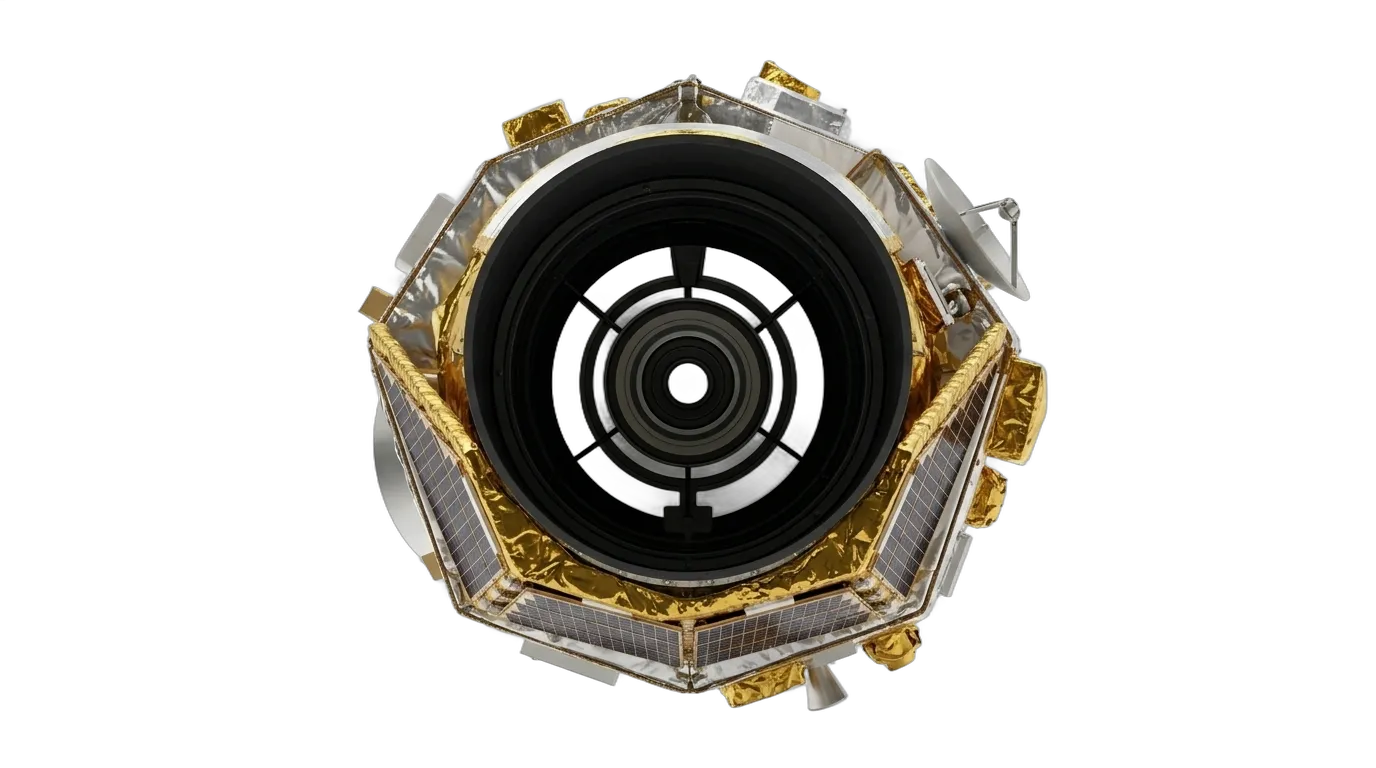
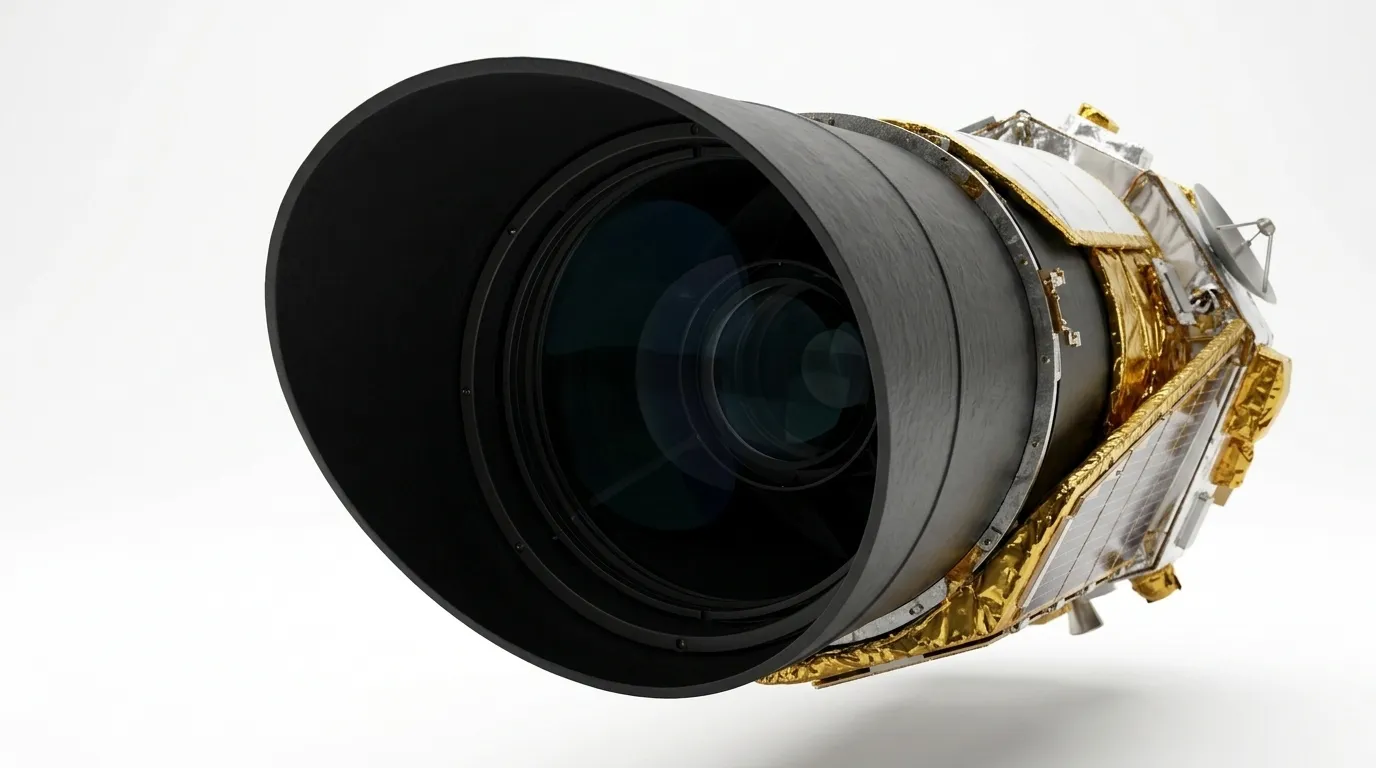
Kepler discovered over 2,600 confirmed exoplanets by staring at 150,000 stars and watching for the tiny dimming caused by a planet crossing in front of its star. Its successor, TESS, surveys the entire sky for nearby exoplanets. Chandra X-ray Observatory peers at black holes, neutron stars, and the superheated gas between galaxies. Each observatory sees the universe in a different wavelength, and together they have revealed a cosmos far stranger and more varied than anyone imagined.
Space telescopes have changed humanity's understanding of its place in the universe more profoundly than any other technology. Before Hubble, we did not know the age of the universe. Before Kepler, we did not know how common planets were. Before Webb, we could not see the first galaxies. These instruments are not just telescopes -- they are time machines, seeing light that has traveled billions of years to reach their mirrors.