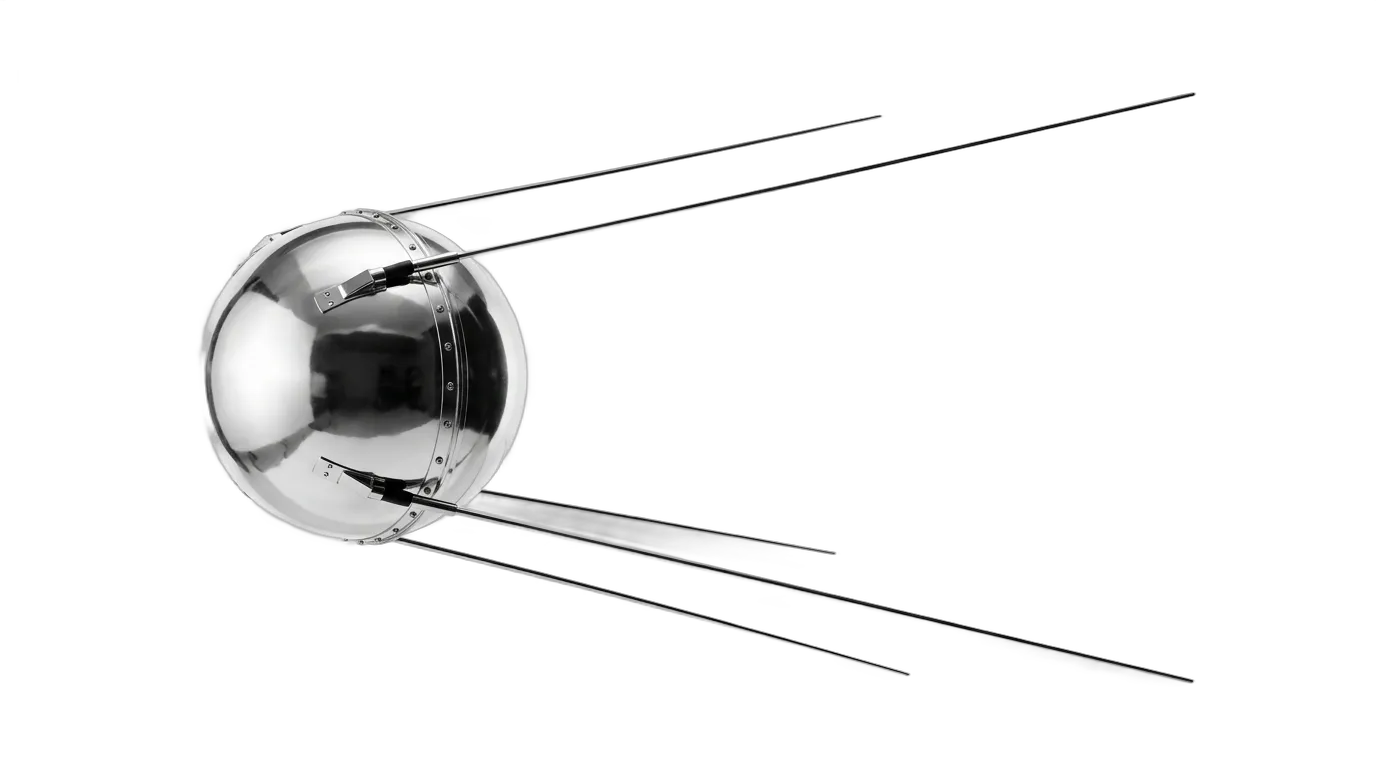
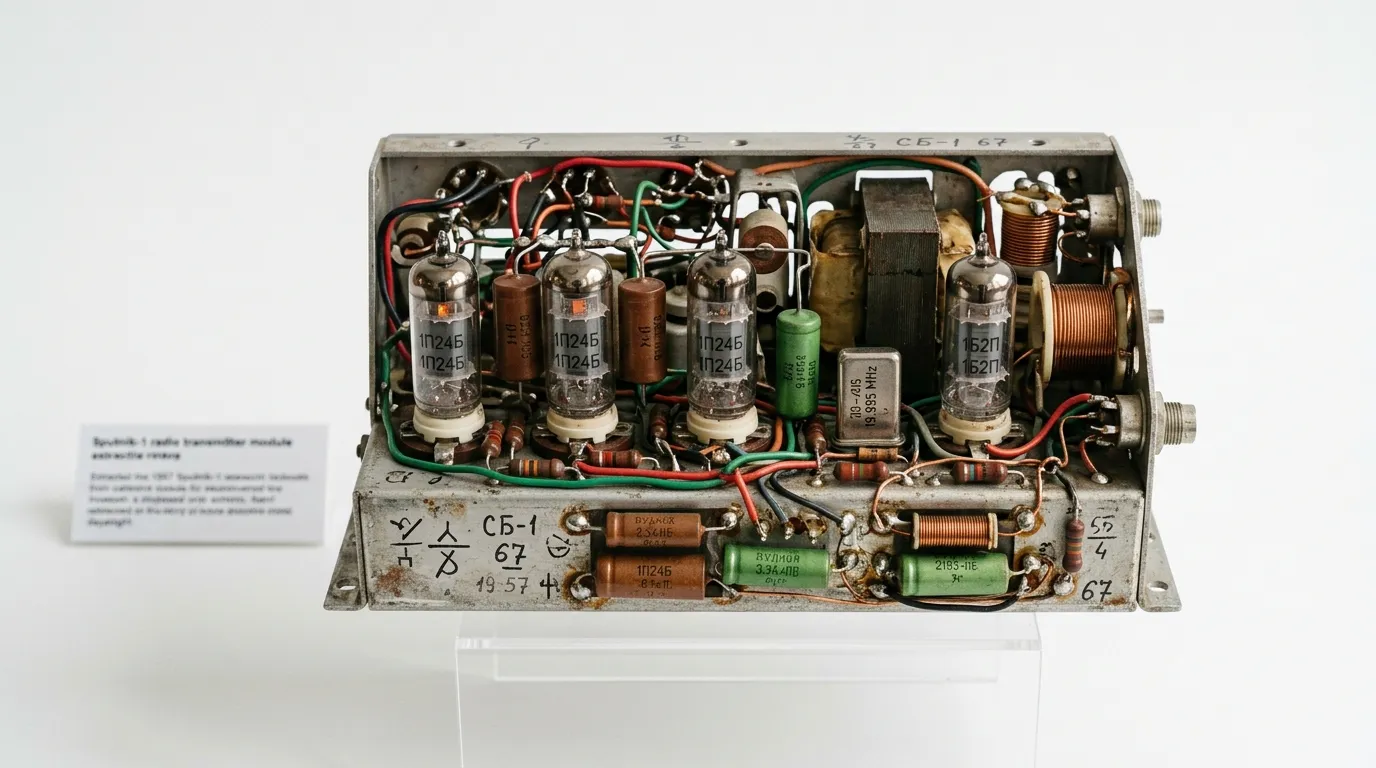
The first artificial satellite, launched October 4, 1957. Its radio beeps, audible to amateur radio operators worldwide, stunned the West, ignited the Space Race, and marked the beginning of the Space Age.
History
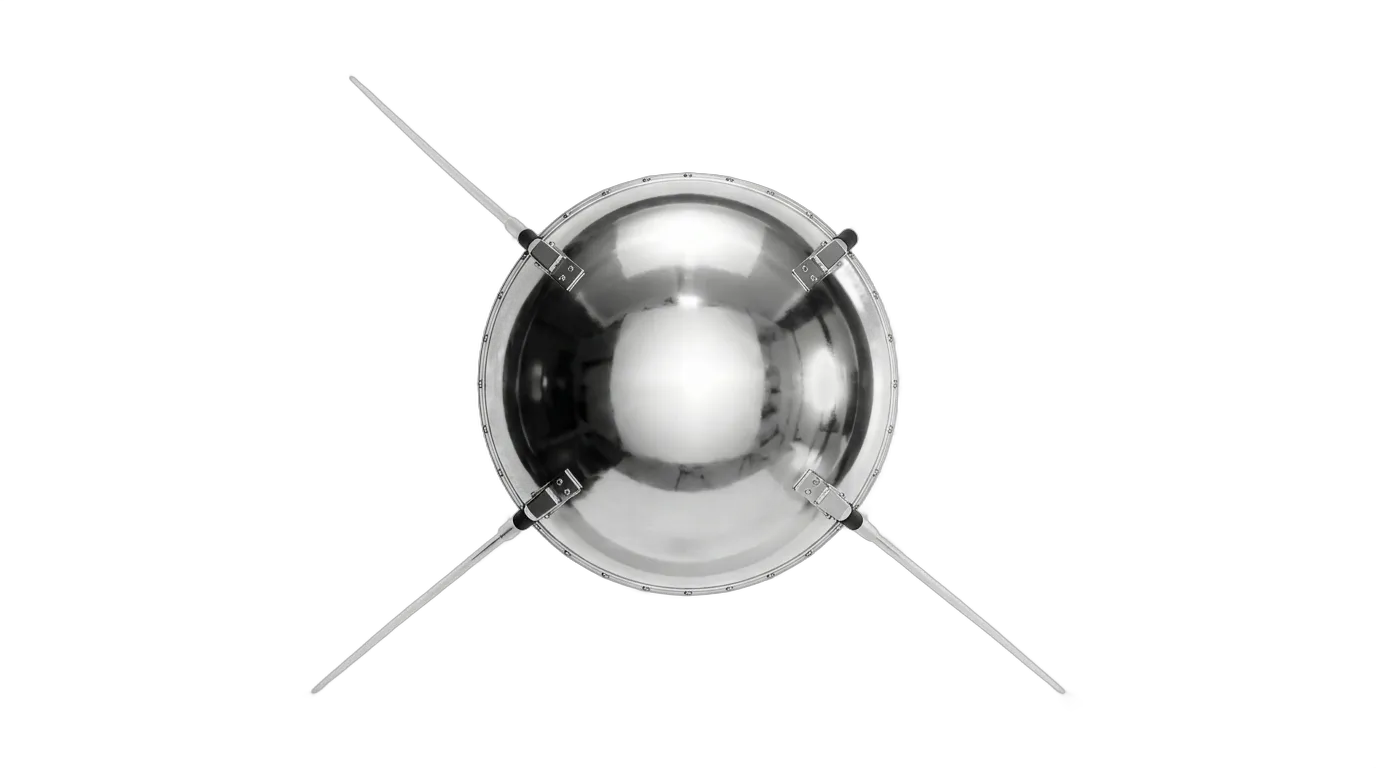
Sputnik 1 was deceptively simple: a polished metal sphere 23 inches in diameter with four trailing antennas, containing a battery-powered radio transmitter and temperature sensors. But its impact was seismic. When the Soviet Union announced on October 4, 1957, that it had placed an artificial satellite in Earth orbit, the reaction in the West ranged from awe to panic.
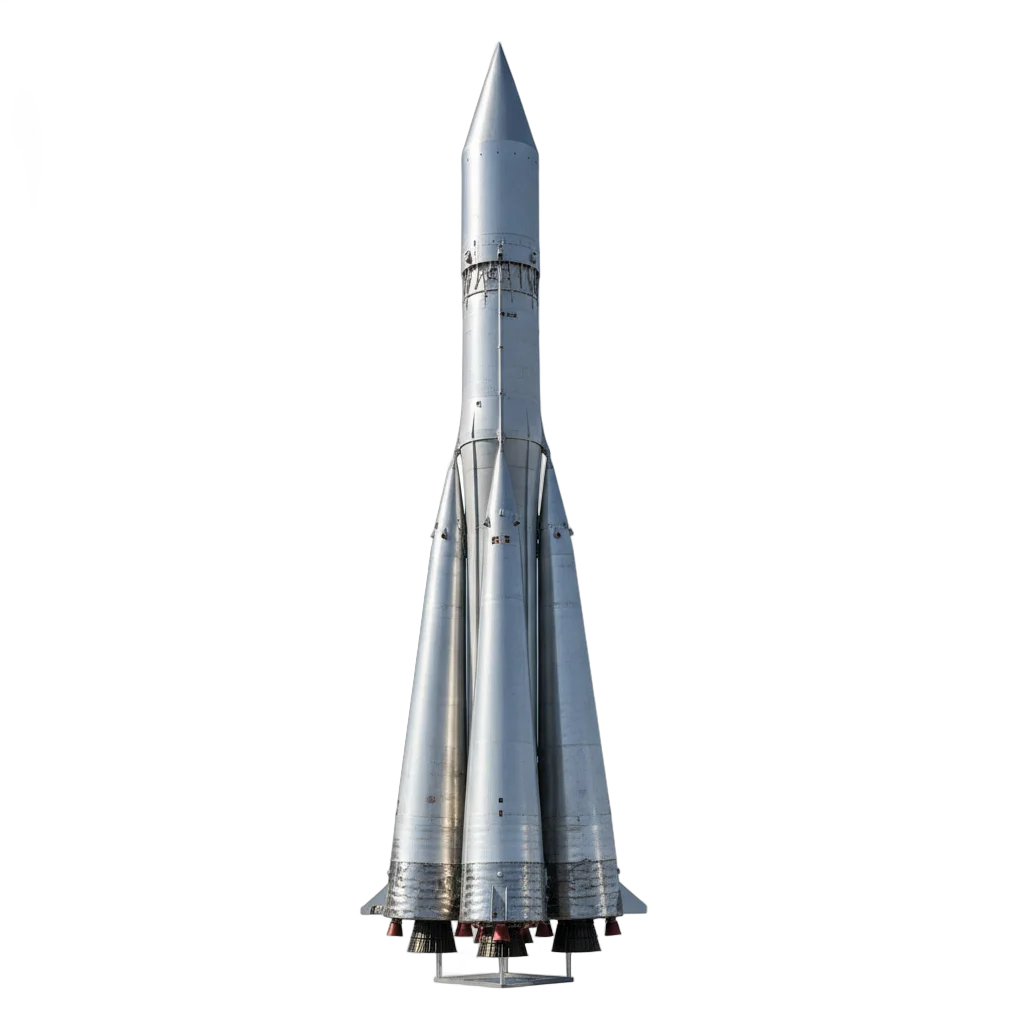
The satellite''s radio signal -- a steady beep-beep-beep on 20.005 and 40.002 MHz -- could be picked up by amateur radio operators worldwide, providing undeniable proof that it was real. Americans could step outside at dusk, look up, and occasionally see the rocket''s upper stage (brighter than Sputnik itself) passing overhead. The psychological impact was devastating: if the Soviets could put a satellite in orbit, they could put a nuclear warhead anywhere on Earth.
Sputnik launched the Space Race. Within months, the United States established NASA, accelerated its own satellite programs, and passed the National Defense Education Act to improve science and mathematics education. President Eisenhower, who had initially downplayed Sputnik''s significance, quickly recognized that space achievement had become a proxy for Cold War competition.
Sputnik 1 orbited for three months, completing 1,440 orbits before reentering the atmosphere on January 4, 1958. Its batteries died after 21 days, silencing the radio beeps. But by then, the Space Age had begun in earnest. Sergei Korolev, whose identity was kept secret by the Soviet government (he was referred to only as the Chief Designer), had changed the course of human history with a 184-pound metal ball.
Timeline
Launch Heritage
- First artificial satellite in orbit
- Transmitted radio signal for 21 days
- Sparked the Space Race between USA and USSR
Technical Specifications
Performance
Dimensions
Mass
Mission
Power & Systems
Source: NASA NSSDC, Roscosmos
Tags
Designed by Sergei Korolev