Mars Explorers
Every craft that reached the Red Planet. Orbiters, landers, and rovers that revealed Mars.
11 vehicles
Mars has destroyed more spacecraft than any other destination in the solar system. Roughly half of all missions sent to the Red Planet have failed. The vehicles in this collection are the ones that survived -- the orbiters that mapped its surface, the landers that tested its soil, and the rovers that drove across its ancient terrain. Each one brought us closer to answering whether life ever existed beyond Earth.
First Contact
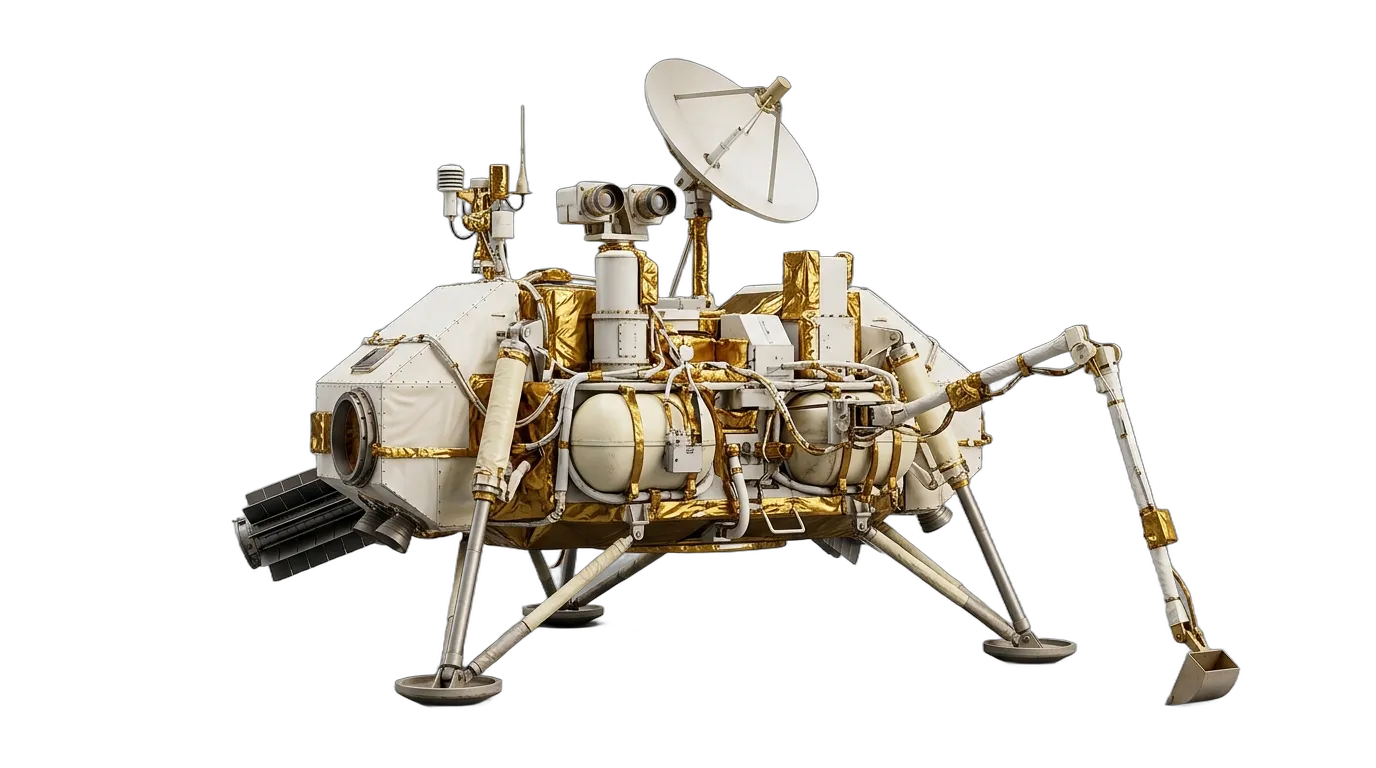
NASA's Viking 1 and Viking 2 landed on Mars in 1976 and returned the first images from the Martian surface. Their biology experiments produced ambiguous results that scientists debated for decades. The Soviet Mars 3 had achieved the first soft landing five years earlier but transmitted for only 14.5 seconds before falling silent. Mars has never been easy.
The Rover Revolution
Mars Pathfinder's Sojourner rover in 1997 proved that mobile exploration was possible. Spirit and Opportunity followed in 2004 -- Opportunity was designed for 90 days and lasted 14 years. Curiosity, the size of a car, has been exploring Gale Crater since 2012 with a nuclear power source. Perseverance landed in 2021 with Ingenuity, the first aircraft to fly on another planet. Each generation was more capable, more autonomous, and more ambitious.
Orbital Eyes
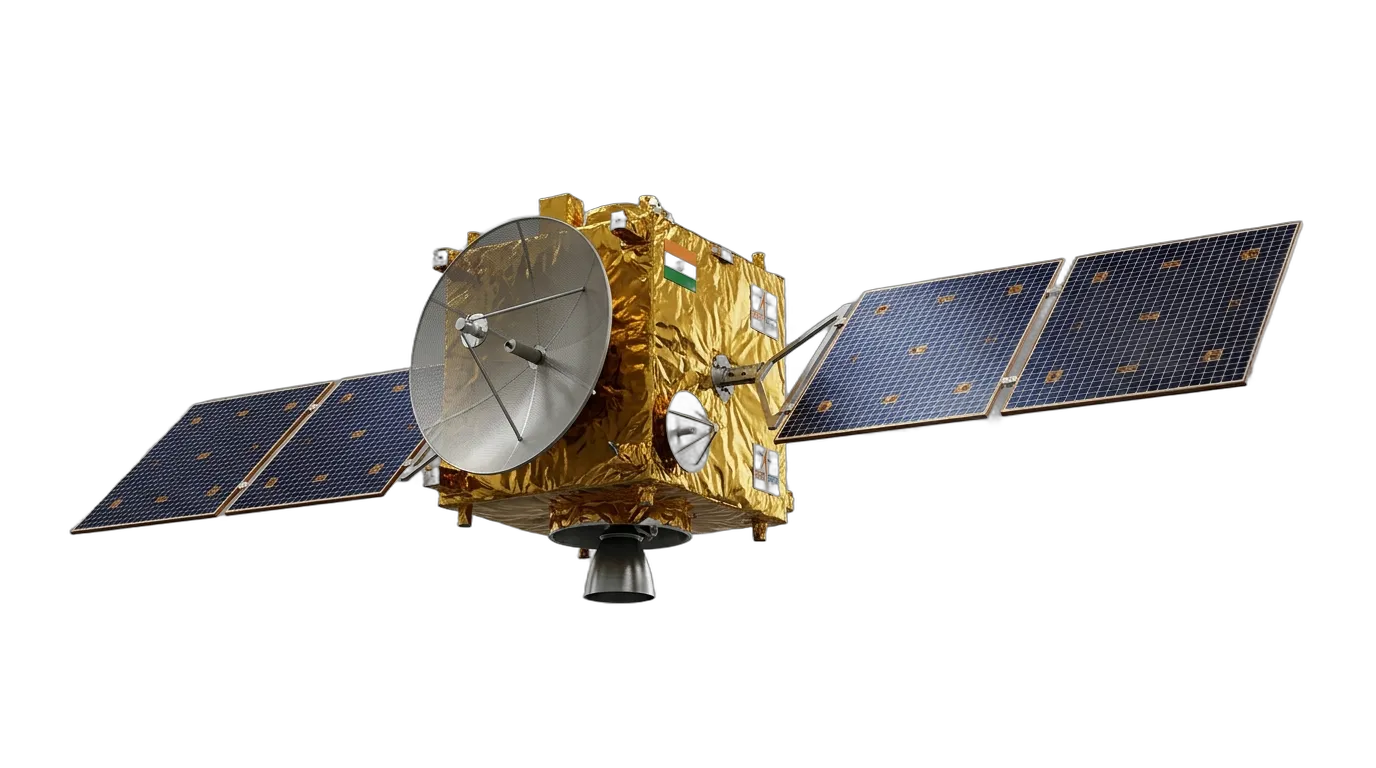
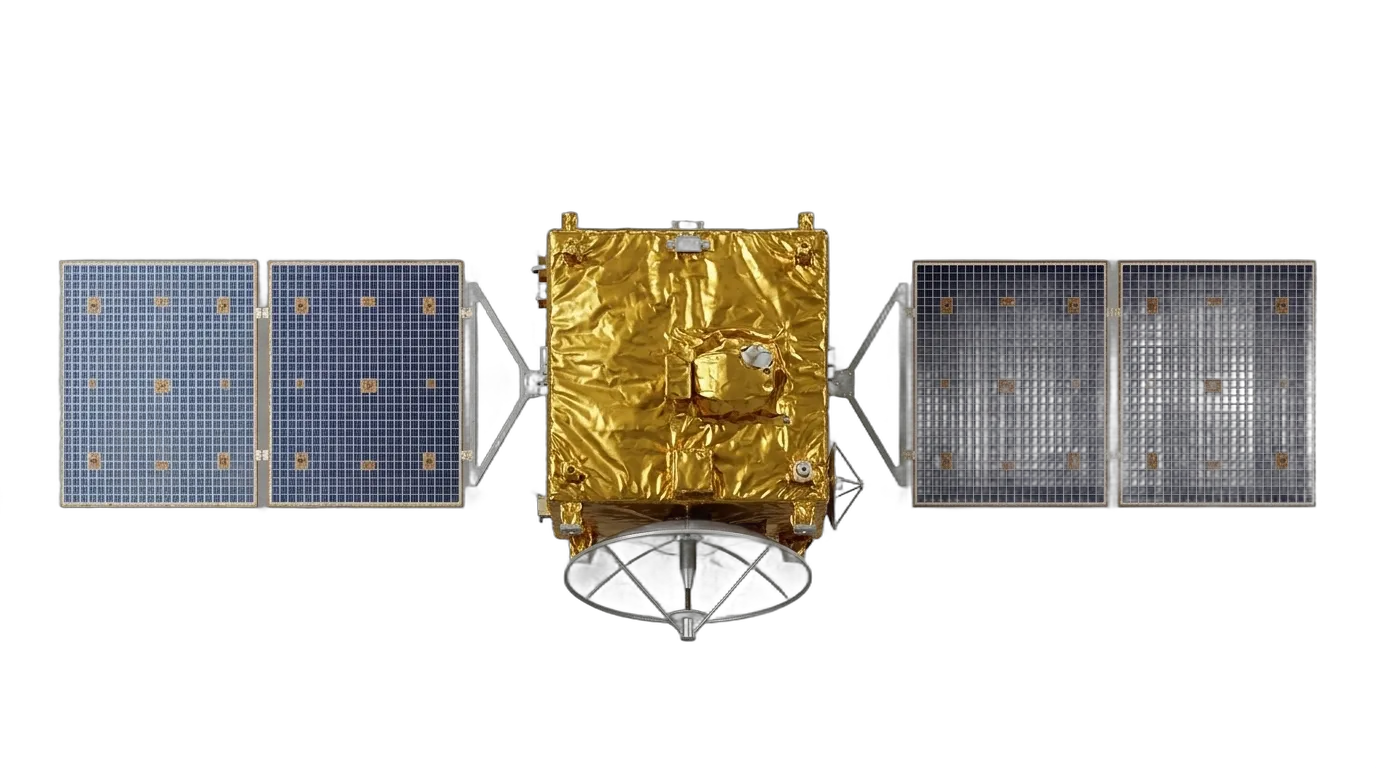
Mars orbiters have mapped the planet in extraordinary detail. Mars Reconnaissance Orbiter can resolve objects smaller than a desk from orbit. MAVEN studies the atmosphere Mars lost billions of years ago. India's Mars Orbiter Mission reached Mars on its first attempt in 2014 at a cost less than most Hollywood films. Together, these spacecraft have revealed a world of ancient river valleys, polar ice caps, and planet-wide dust storms.
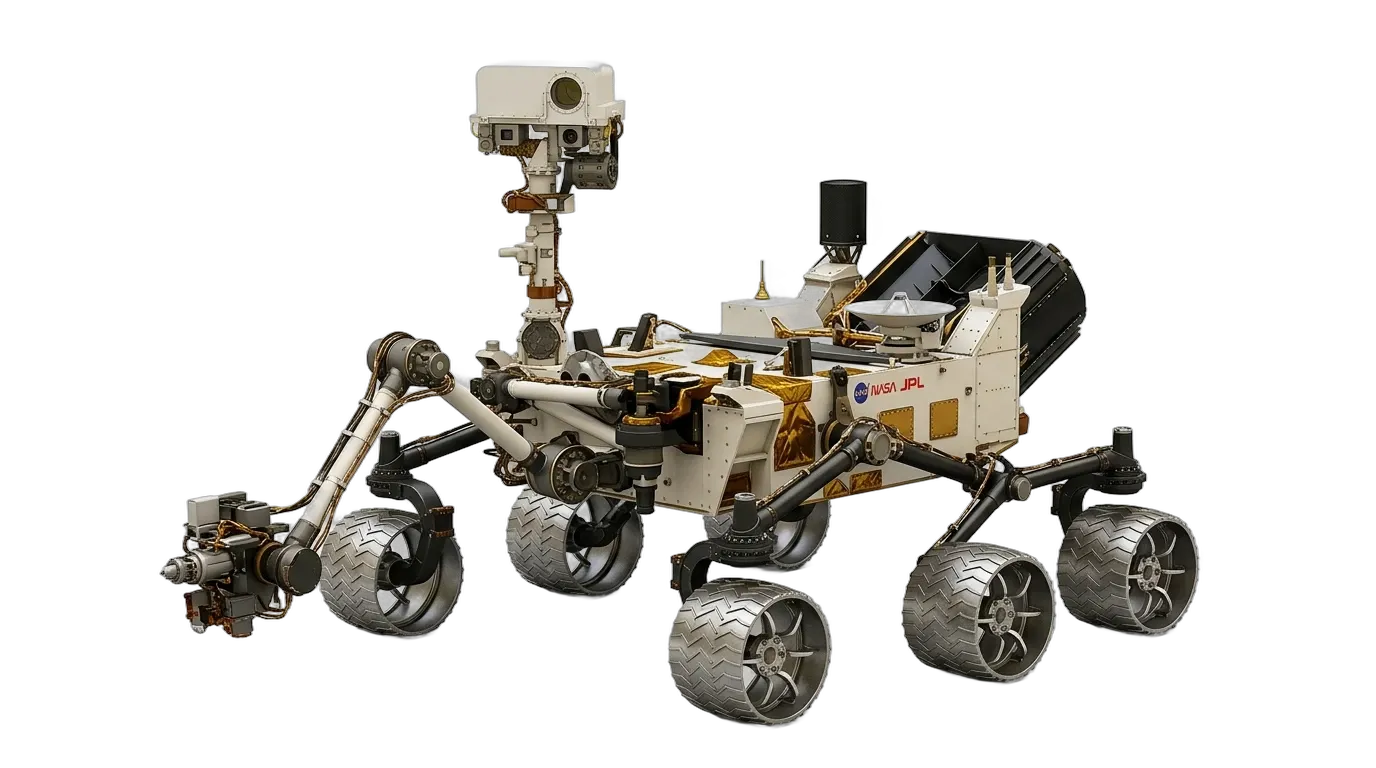
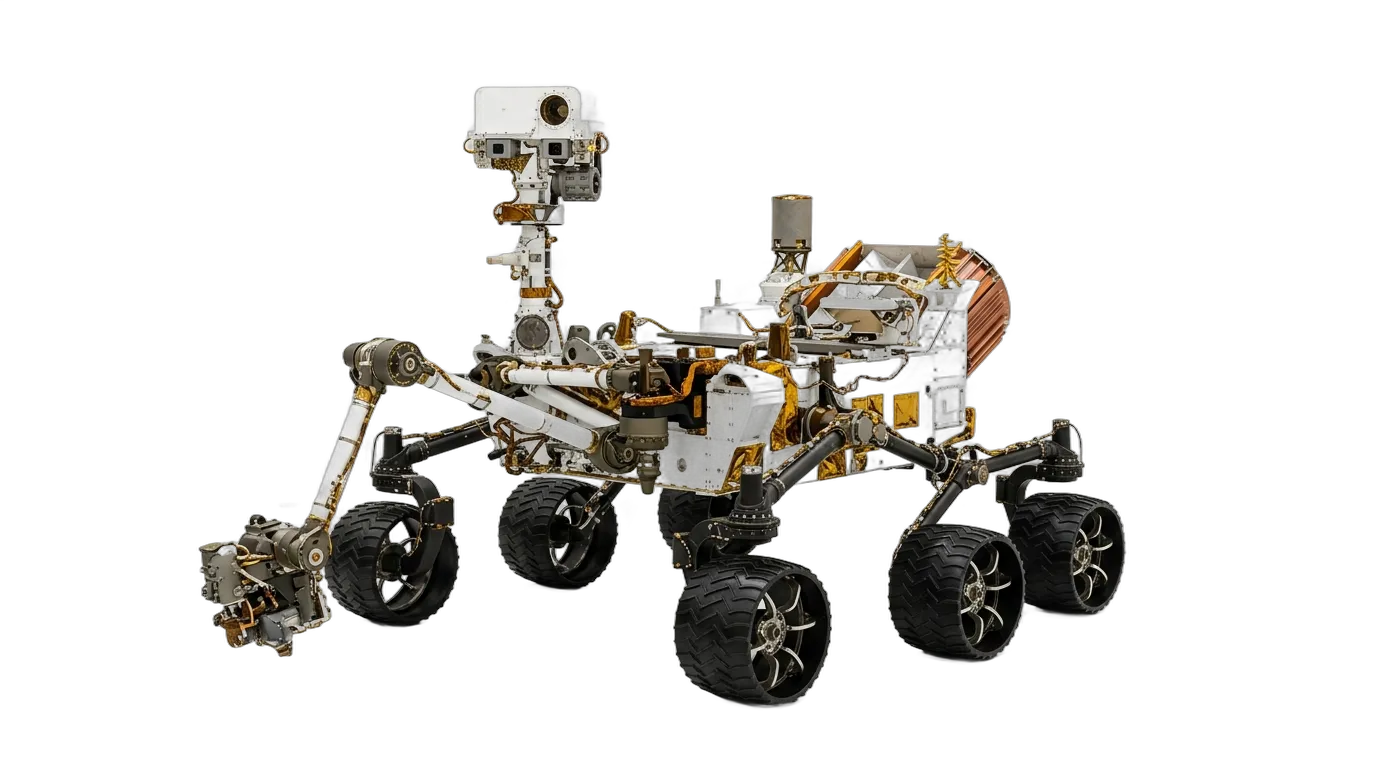
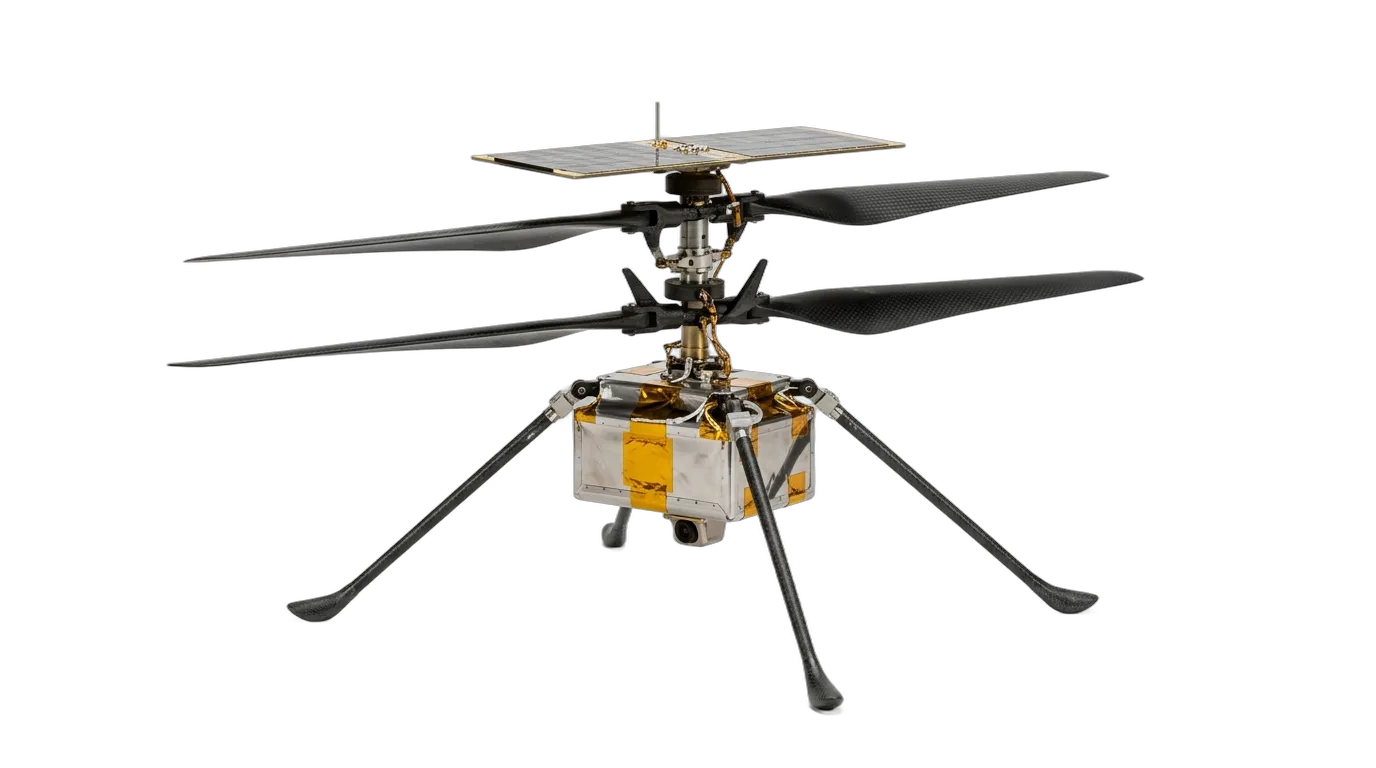
Every Mars mission builds on the ones before it. Viking's data informed Pathfinder's landing site. Opportunity's discoveries shaped Curiosity's mission. Perseverance is caching samples that a future mission will return to Earth. The exploration of Mars is not a series of isolated events -- it is a decades-long campaign, conducted by robots, to prepare for the day humans follow.