Mercury Capsule
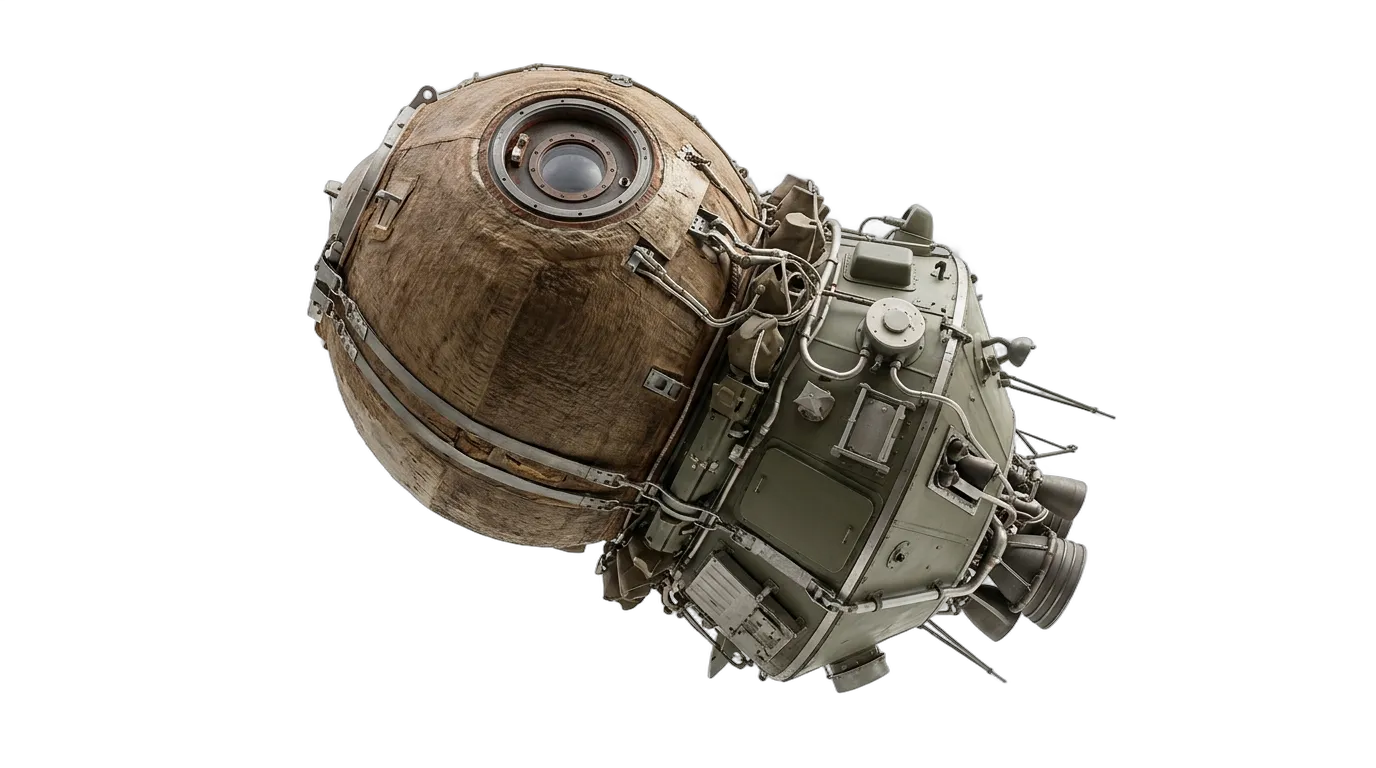
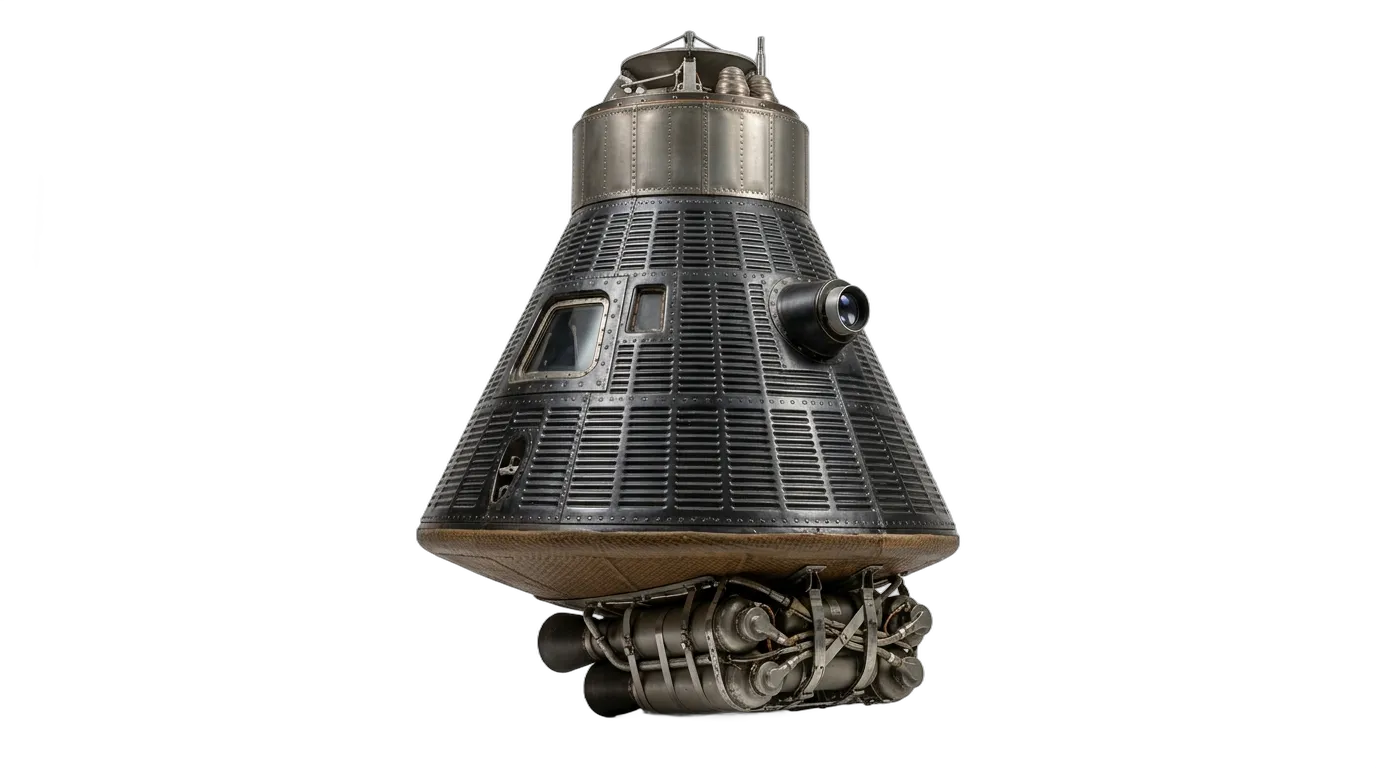
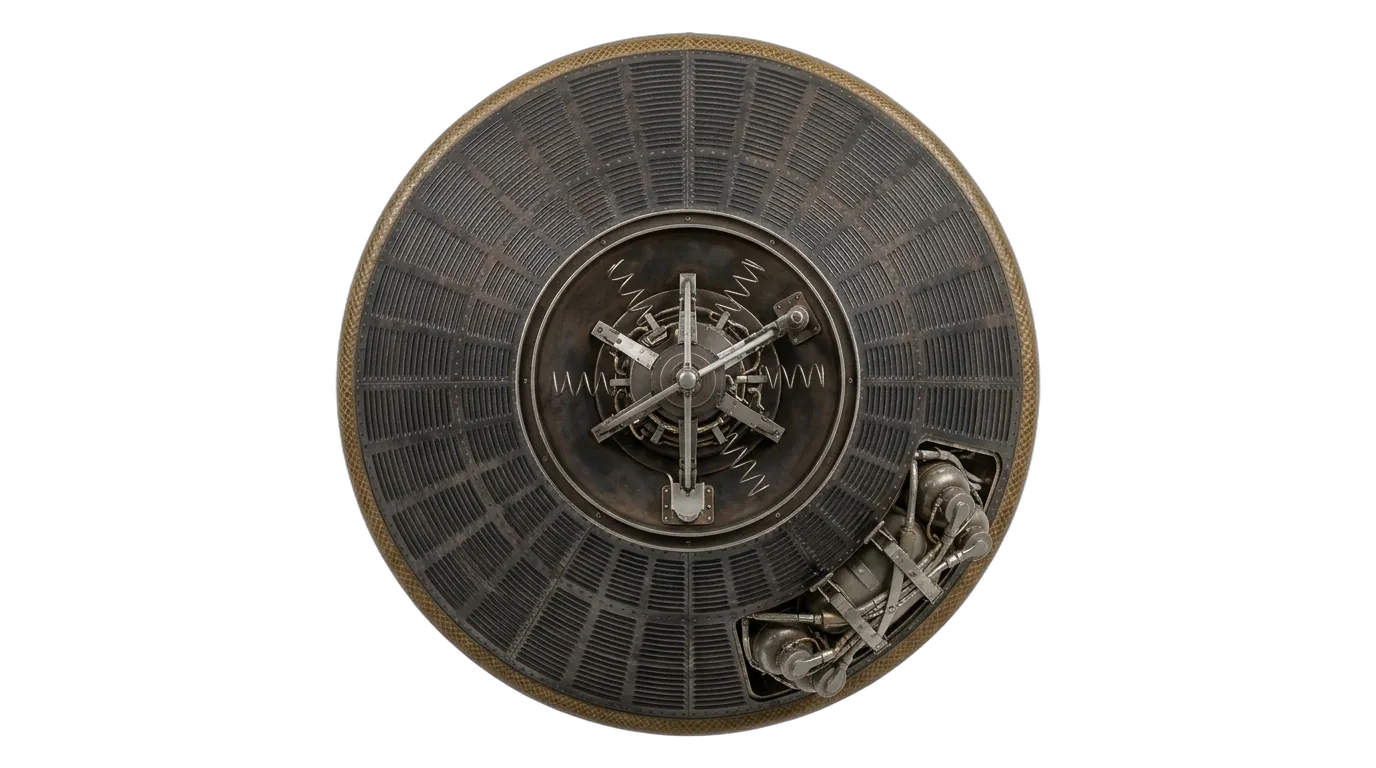
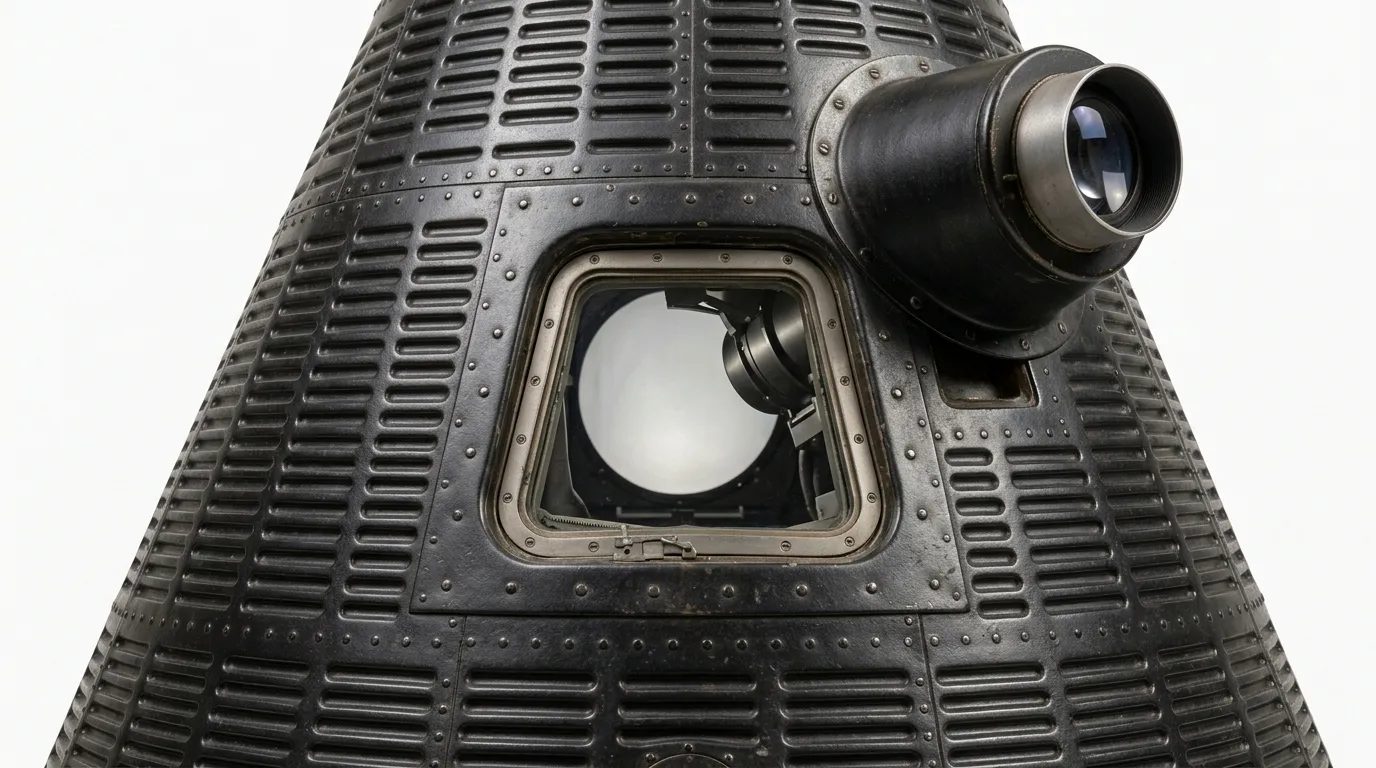
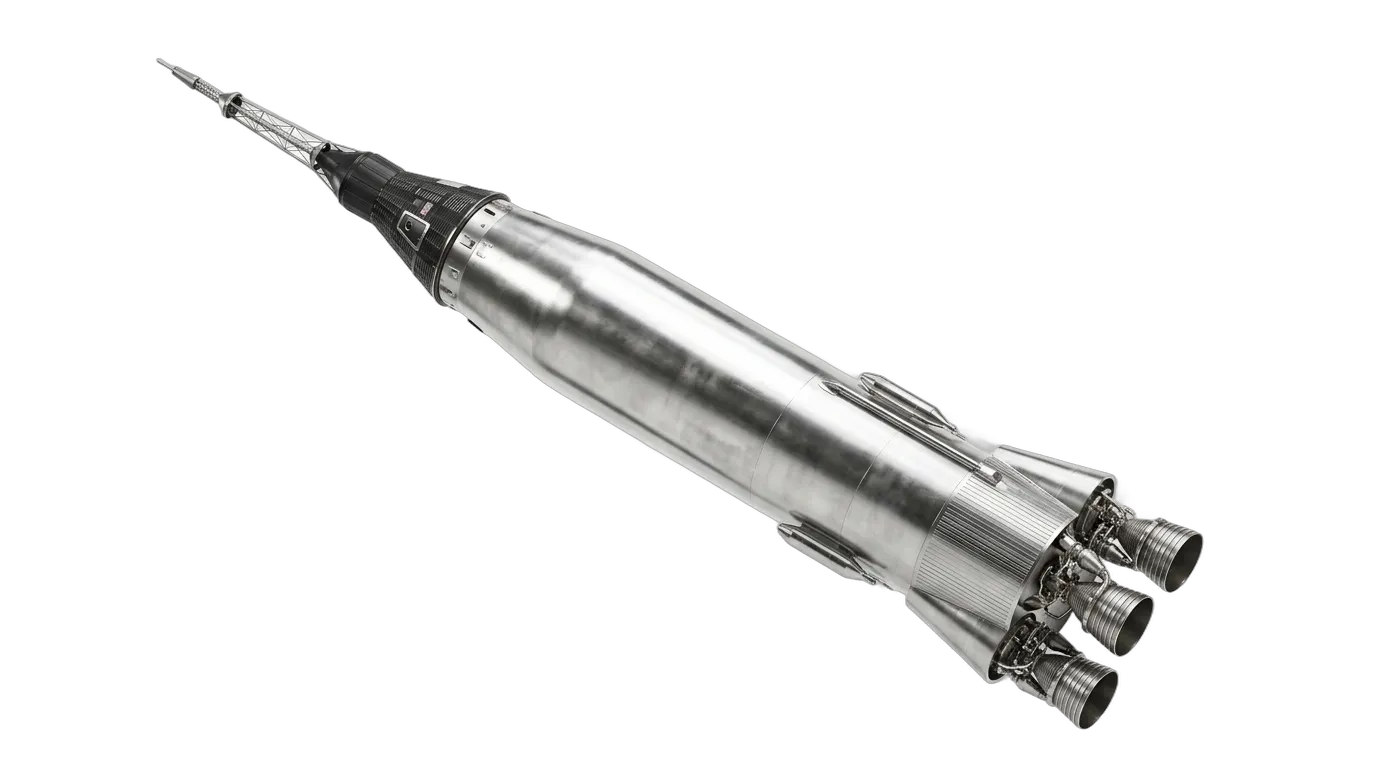
The first American crewed spacecraft. Mercury carried Alan Shepard on a suborbital flight and John Glenn on the first American orbital mission. The capsule proved that humans could function in weightlessness and return safely.
History
Project Mercury was America''s first human spaceflight program, running from 1958 to 1963. The tiny capsule -- just 6 feet 10 inches at its widest -- was designed by Maxime Faget at NASA''s Langley Research Center. It was built by McDonnell Aircraft in St. Louis, a company with no spacecraft experience that won the contract based on its engineering capabilities and security clearances.
The Mercury capsule was so small that astronauts did not so much climb in as put it on. There was no room to move, and the astronaut lay on a custom-molded couch facing upward. Alan Shepard''s Freedom 7 made a 15-minute suborbital flight on May 5, 1961, reaching 116 miles altitude. John Glenn''s Friendship 7 orbited the Earth three times on February 20, 1962, experiencing a tense reentry when controllers feared the heat shield might be loose.
Six crewed Mercury flights were conducted in total. The program proved that humans could survive launch, function in weightlessness, and return safely through the searing heat of atmospheric reentry. These seem like basic questions today, but in 1961, there were serious medical concerns that weightlessness might cause disorientation, vision problems, or even loss of consciousness. Mercury put those fears to rest and opened the path to Gemini and Apollo.
Timeline
Launch Heritage
- Freedom 7 (first American in space, Alan Shepard)
- Friendship 7 (first American in orbit, John Glenn)
- Faith 7 (longest Mercury flight, 34 hours)
Technical Specifications
Propulsion
Performance
Dimensions
Mass
Mission
Power & Systems
Source: NASA History
Tags
Designed by Maxime Faget