Super Heavy Lifters
The most powerful rockets ever built. Saturn V, Energia, Starship, and their peers.
14 vehicles
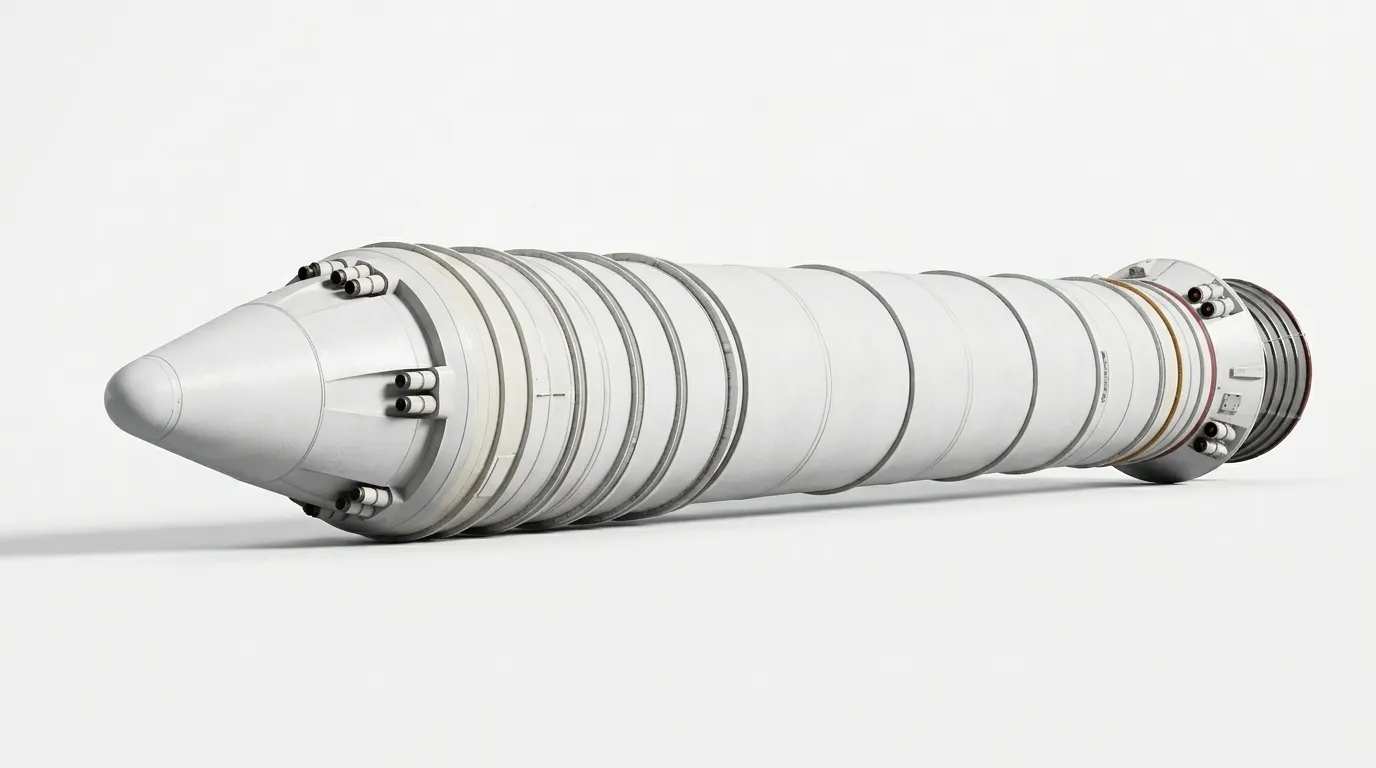
Super heavy-lift rockets exist at the extreme end of engineering. They produce more thrust than any other machines humans have built. Each one was created for a purpose so ambitious that no existing rocket could accomplish it: reaching the Moon, building a space station, or establishing a permanent human presence beyond Earth.
The Apollo Giant
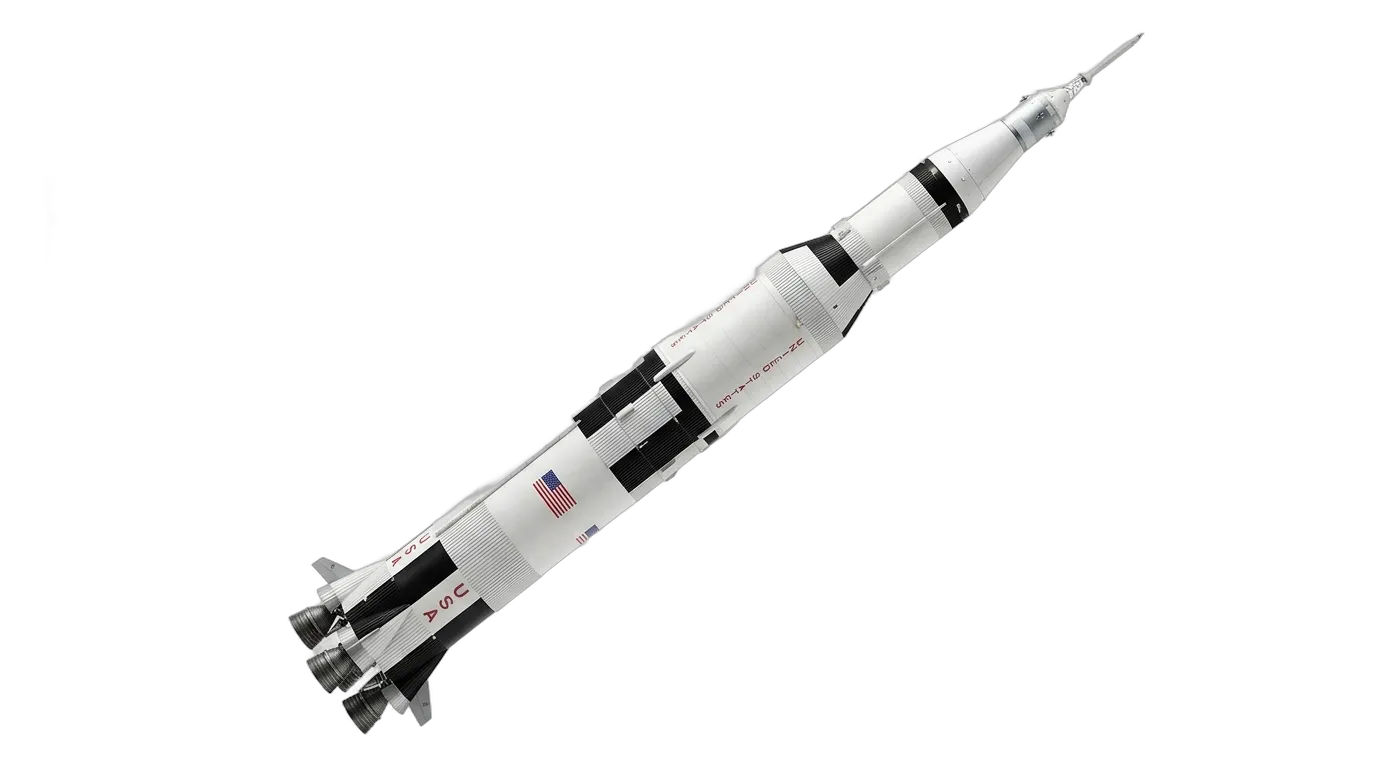
Saturn V remains the benchmark against which all super heavy-lift rockets are measured. Its 7.5 million pounds of first-stage thrust accelerated 6.5 million pounds of vehicle and propellant off the launch pad. It placed 130 tonnes in low Earth orbit and sent 50 tonnes to the Moon. Thirteen were launched between 1967 and 1973. All succeeded. No rocket matched its lifting capacity for over fifty years.
The Soviet Powerhouses
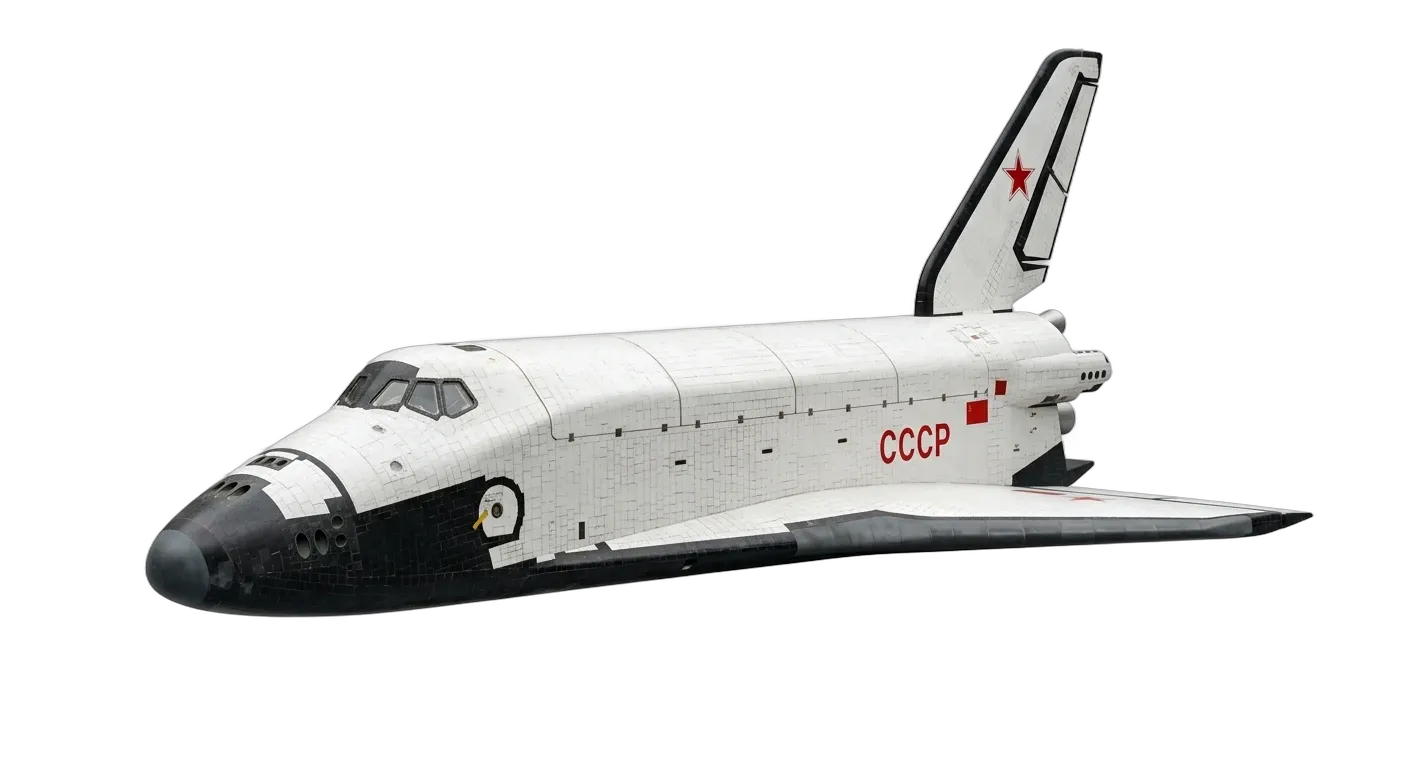
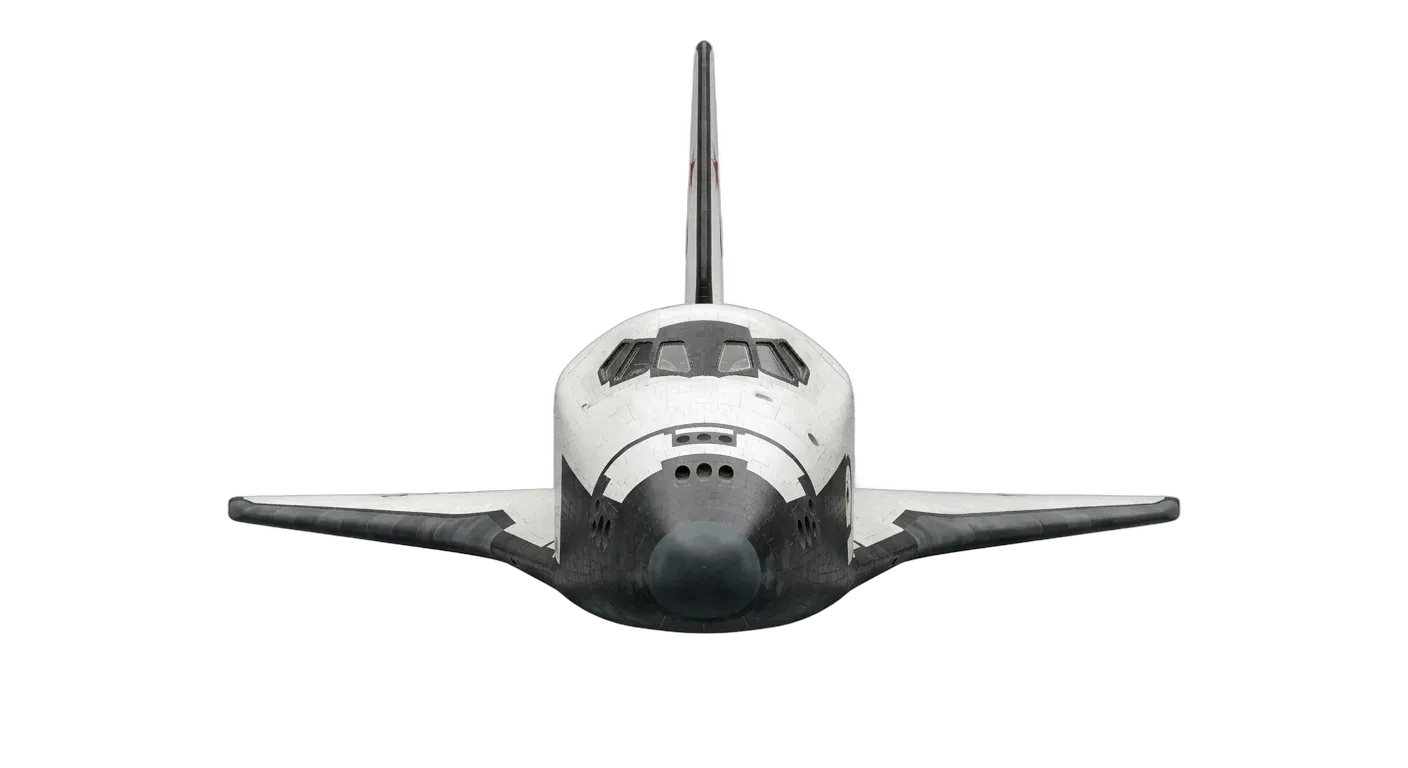
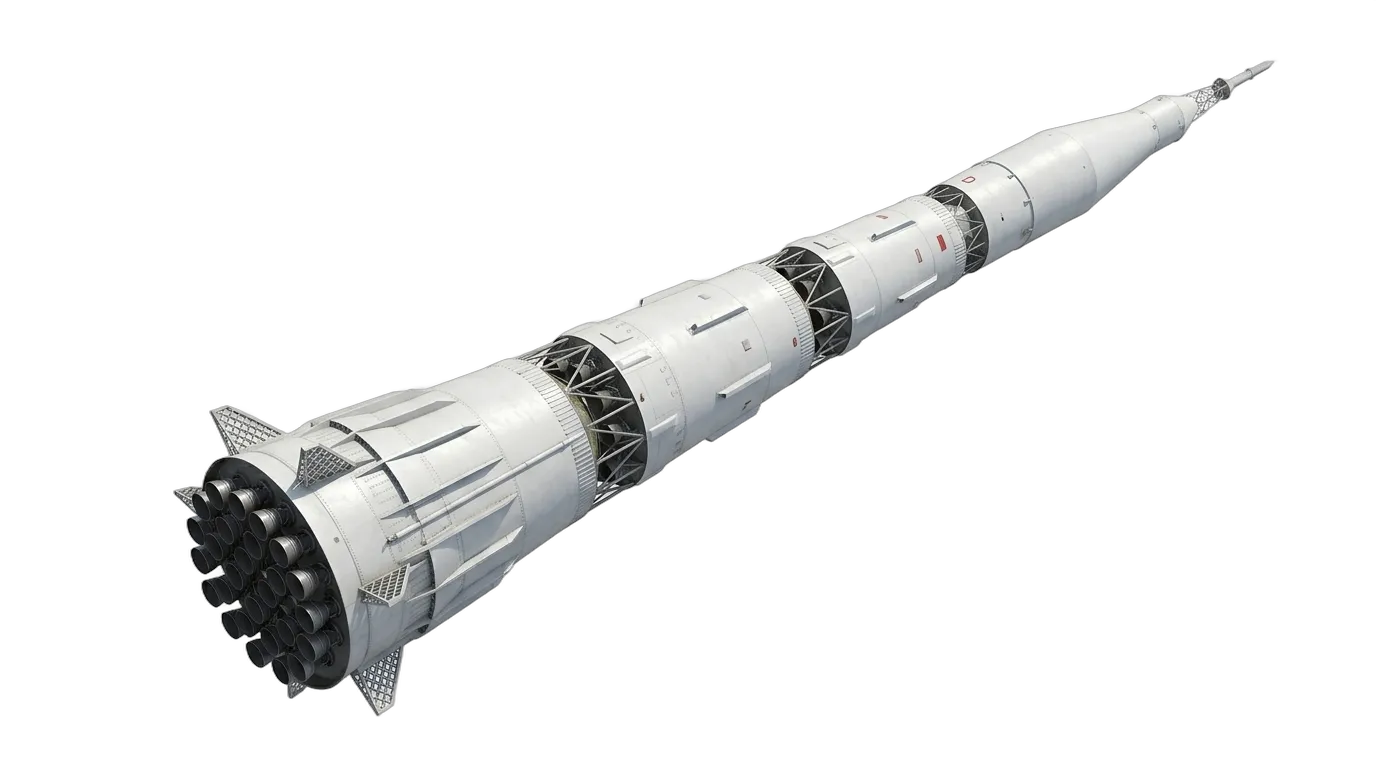
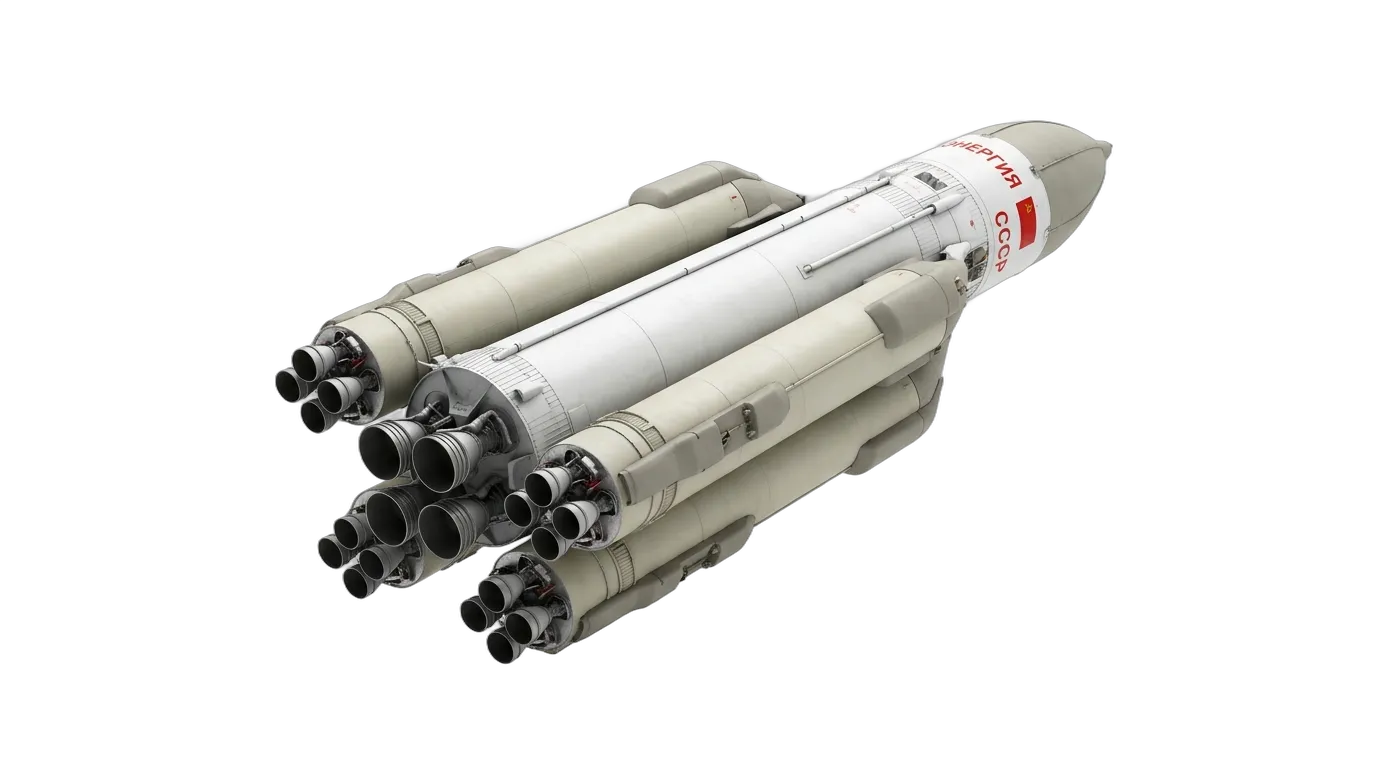
The N1 was designed to match Saturn V but never flew successfully. Energia, which launched only twice in 1987-1988, was the Soviet Union's most capable rocket -- it could lift 100 tonnes to low Earth orbit and was designed to launch the Buran space shuttle. Energia was arguably the most capable rocket of the 20th century, but the collapse of the Soviet Union ended its program after just two flights.
The New Titans
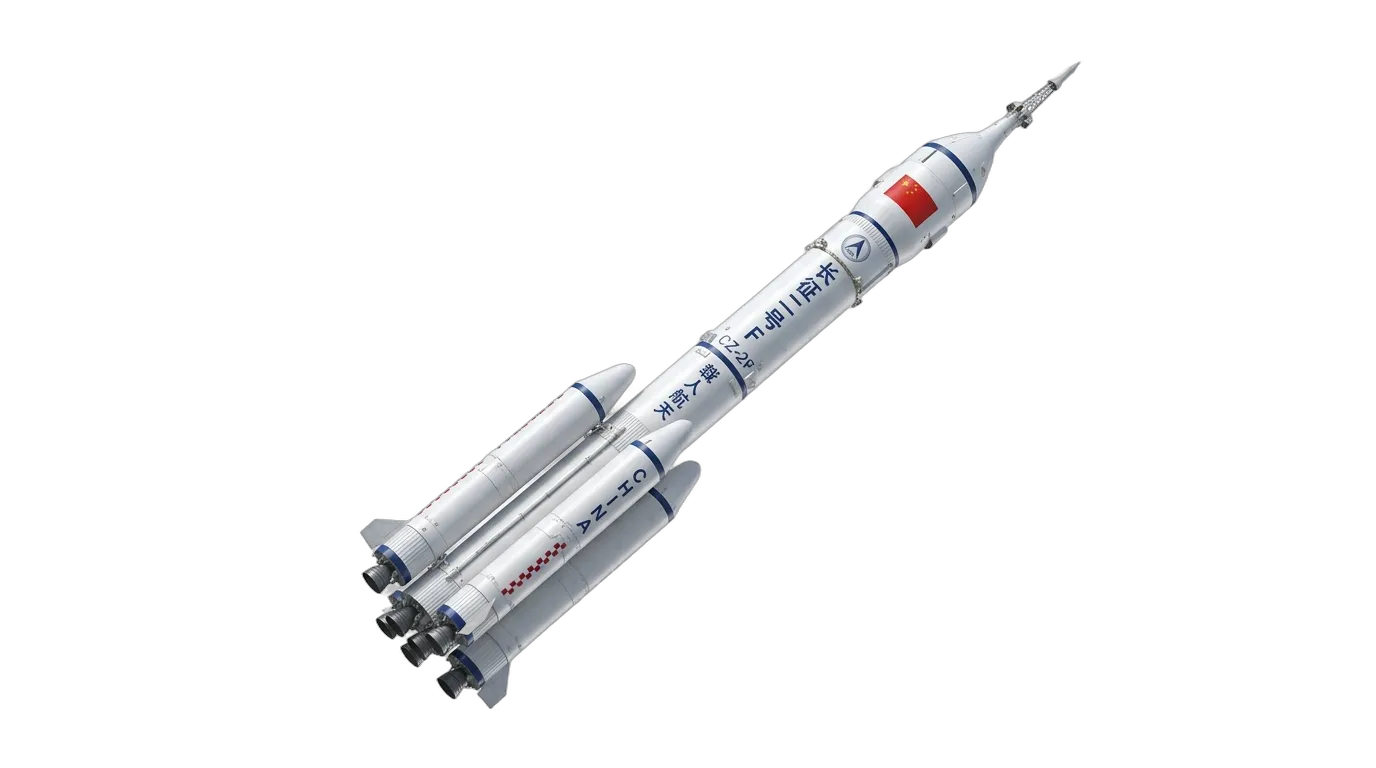
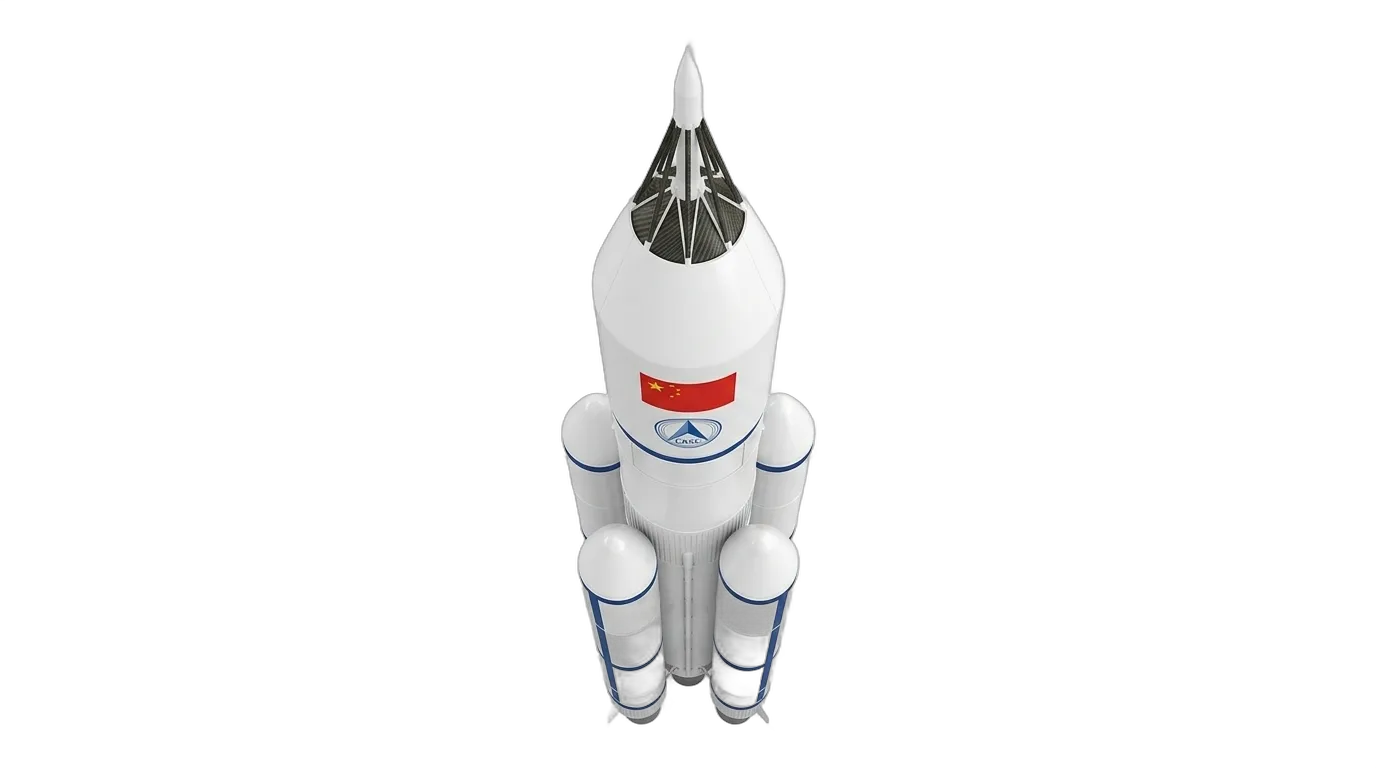
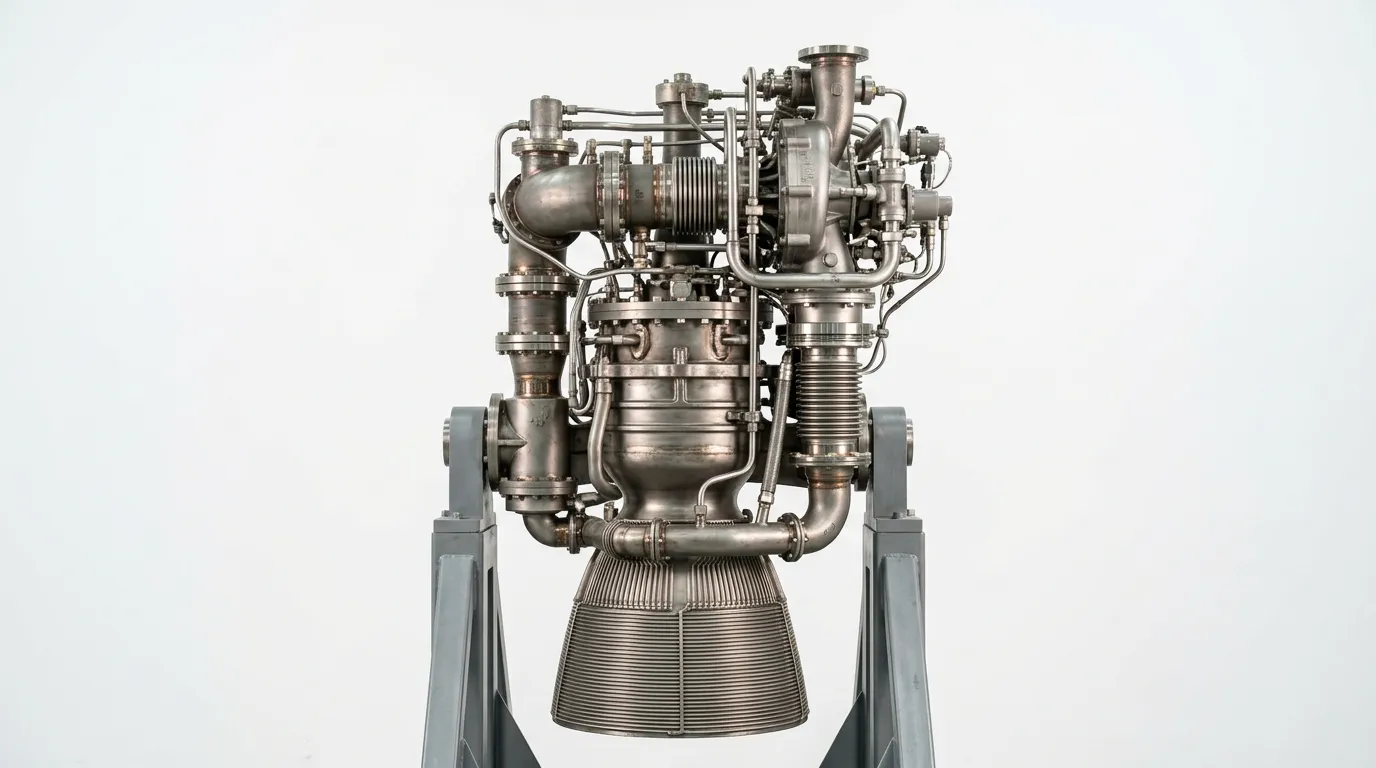
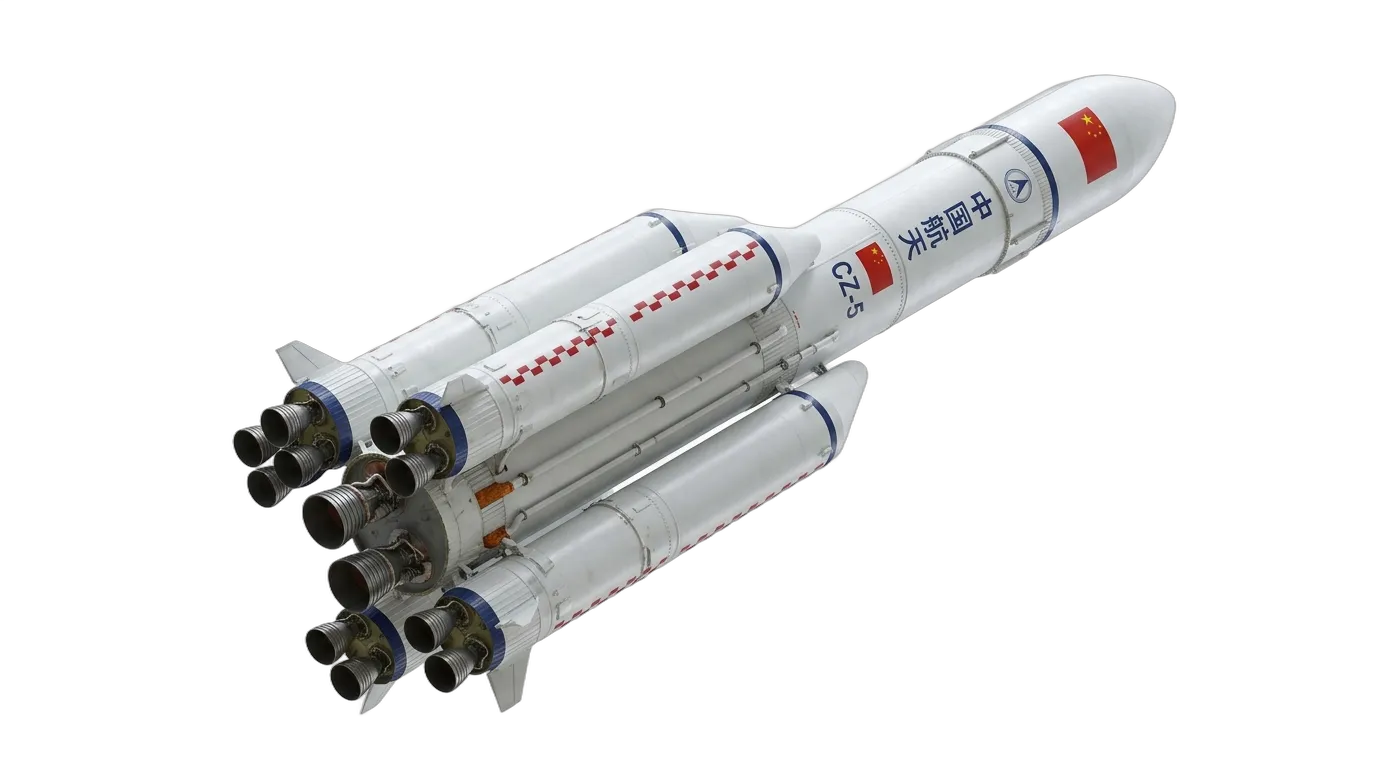
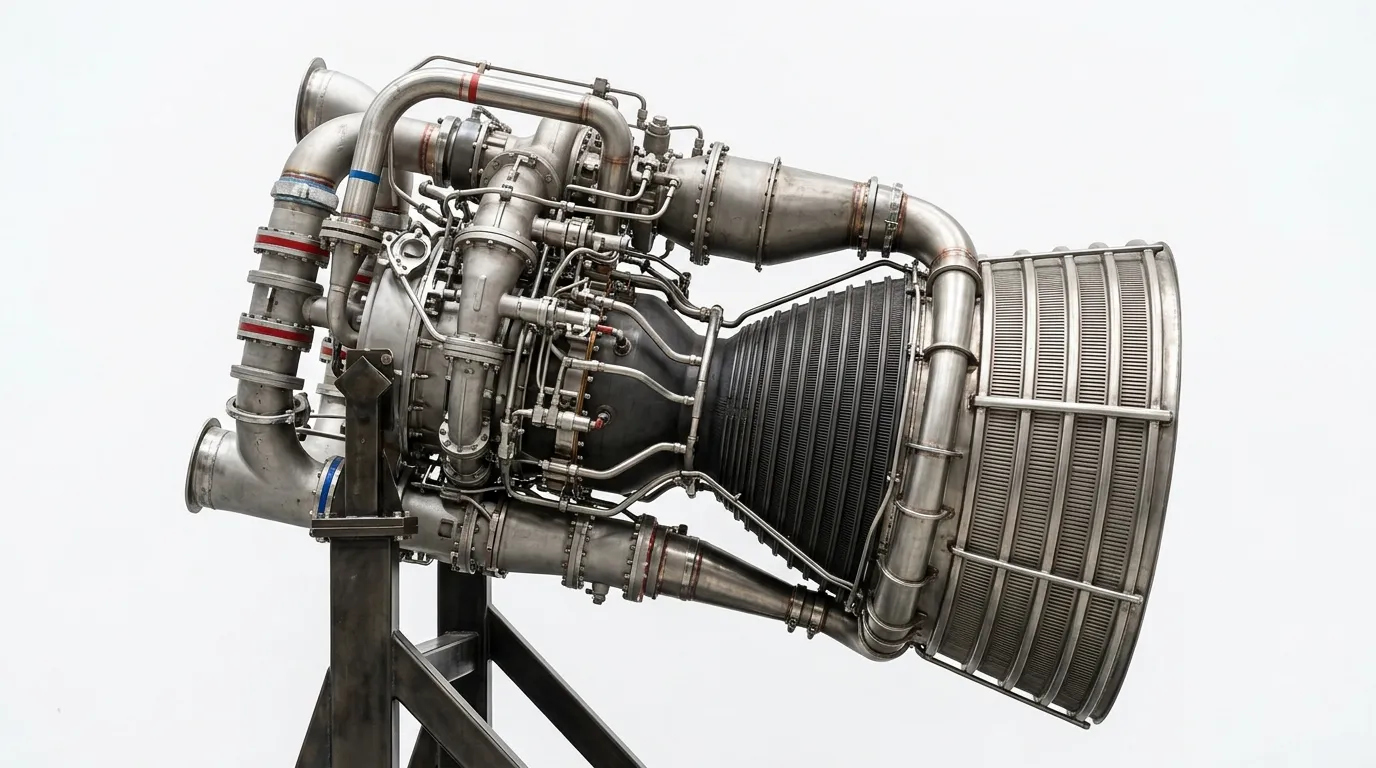
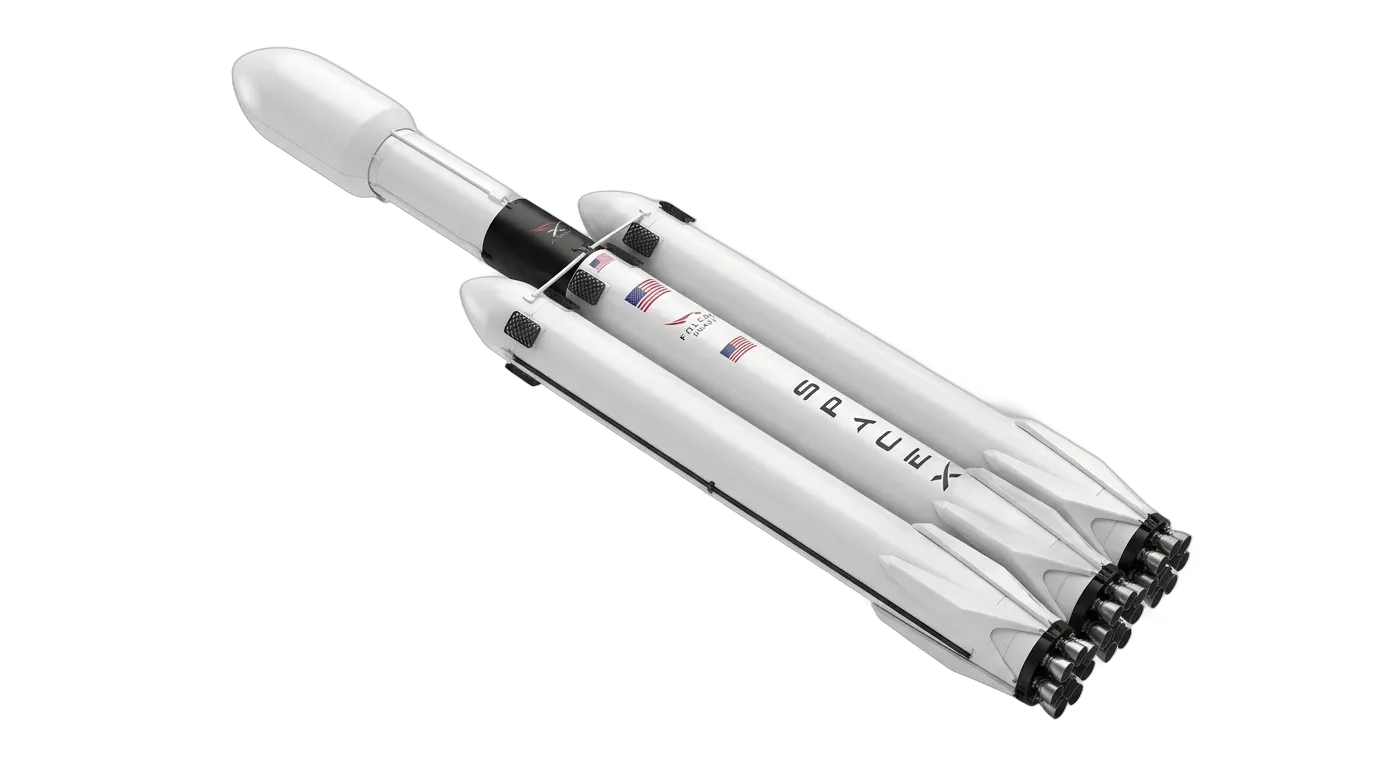
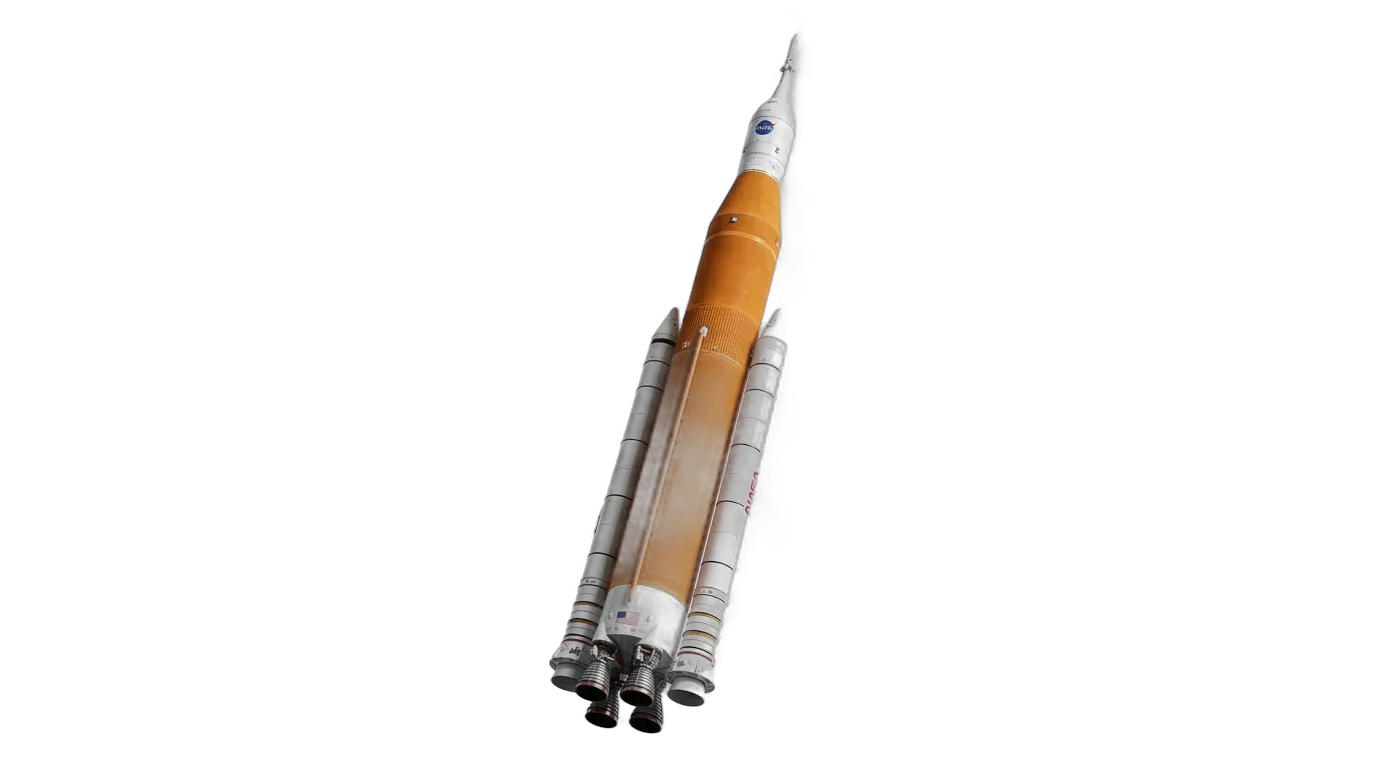
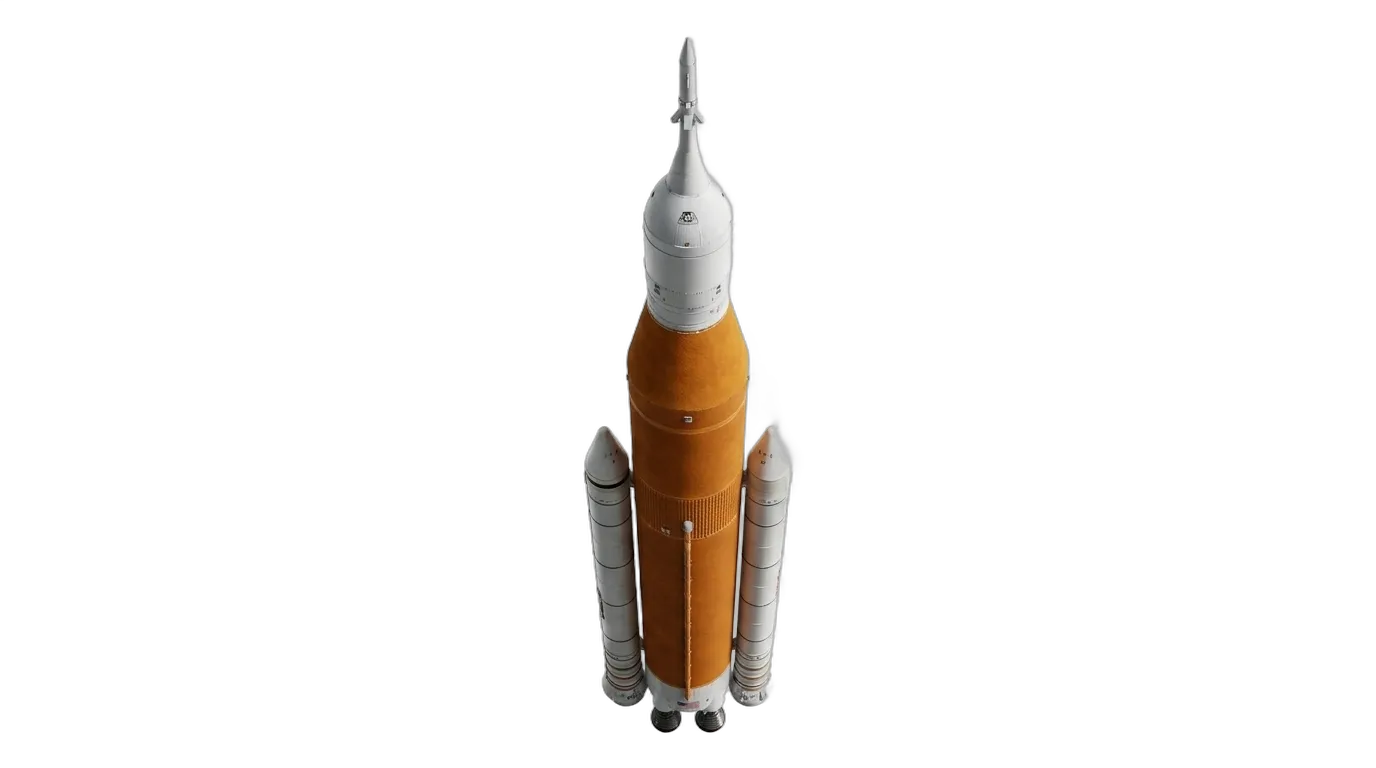
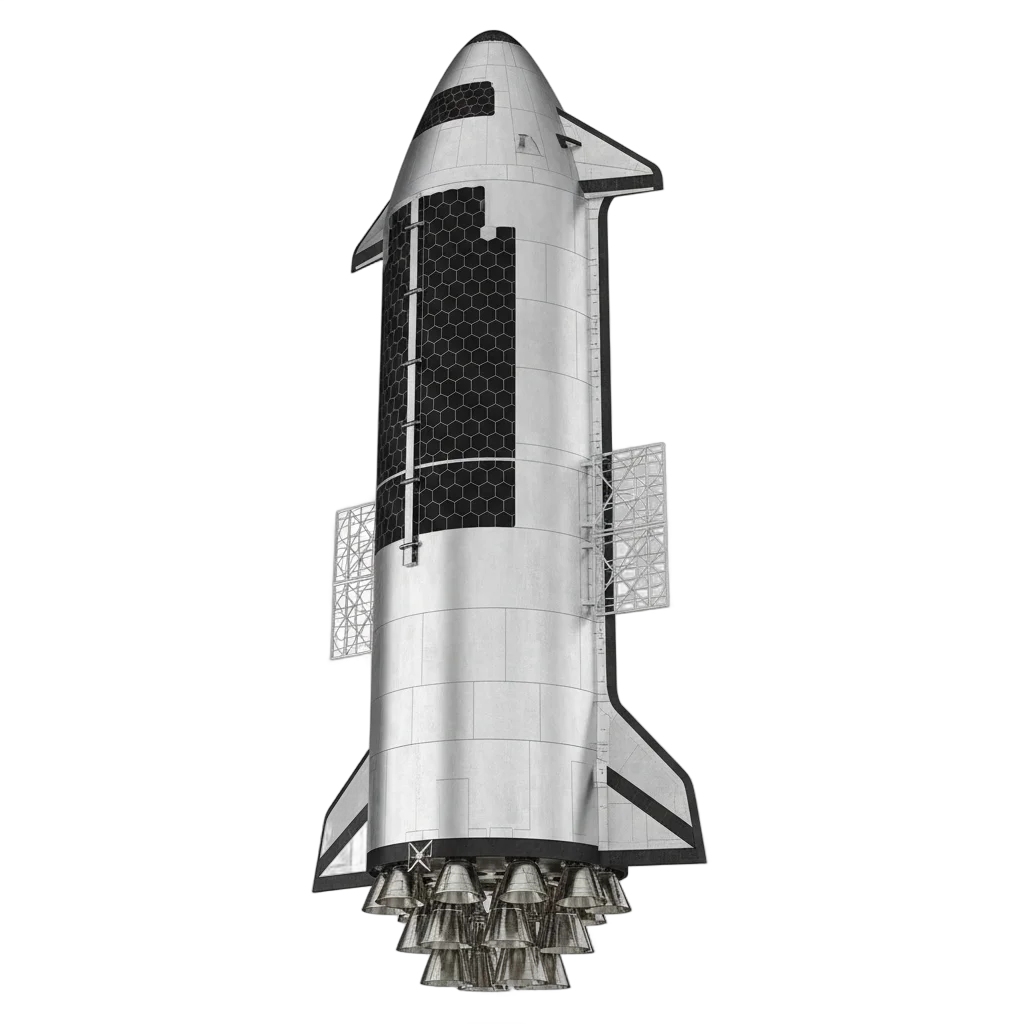
SpaceX's Starship, with 33 Raptor engines producing over 16 million pounds of thrust, is the most powerful rocket ever built. It is designed to carry 150 tonnes to low Earth orbit -- more than Saturn V, fully reusable. NASA's SLS, derived from Shuttle components, launched Artemis I in 2022 with 8.8 million pounds of thrust. China's Long March 9 and Blue Origin's New Glenn represent additional entries in the super-heavy class. The era of disposable heavy lifters is ending.
Super heavy-lift rockets are built when ambitions exceed the capacity of existing vehicles. Saturn V existed because the Moon was beyond the reach of any ICBM derivative. Starship exists because Mars is beyond the reach of any expendable rocket at affordable cost. These vehicles are not incremental improvements. They are engineering responses to destinations that demand capabilities no current rocket possesses.