
Orion MPCV
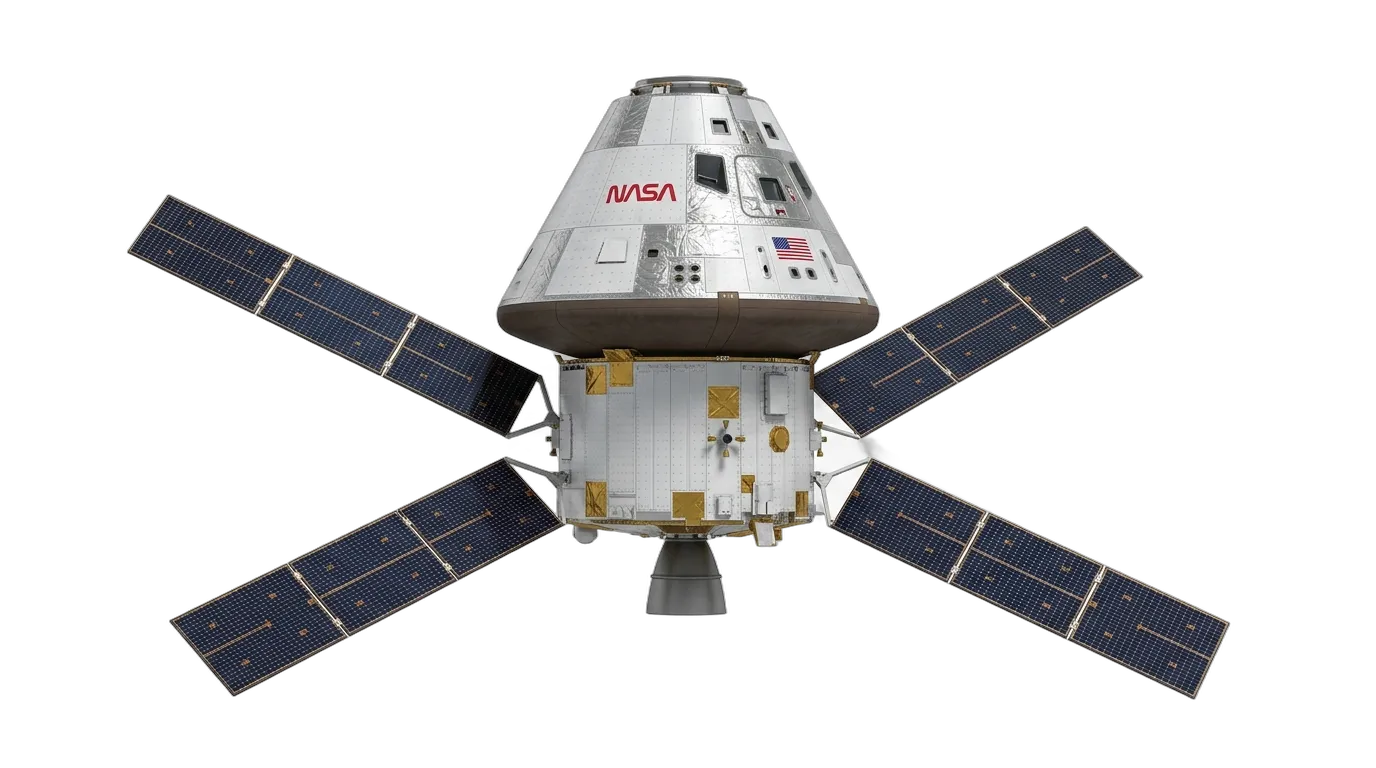
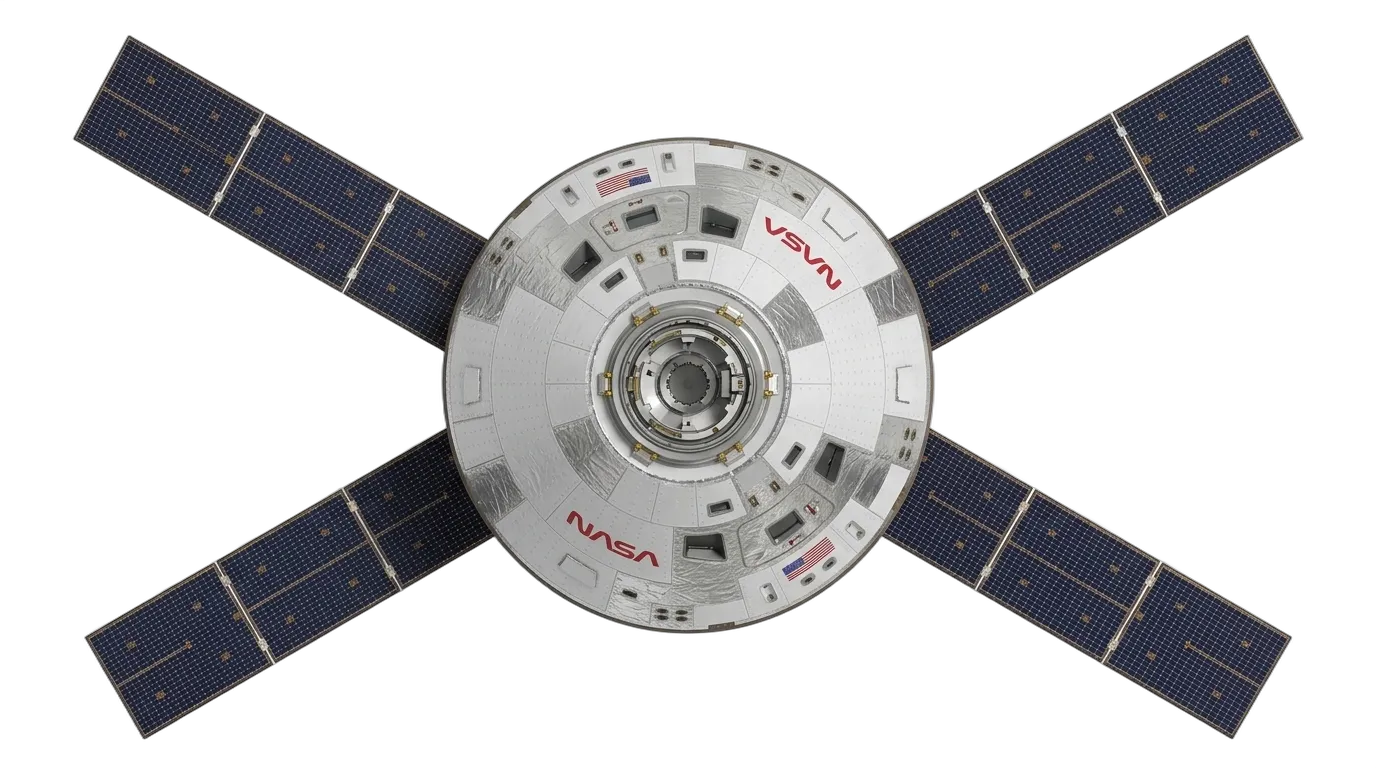
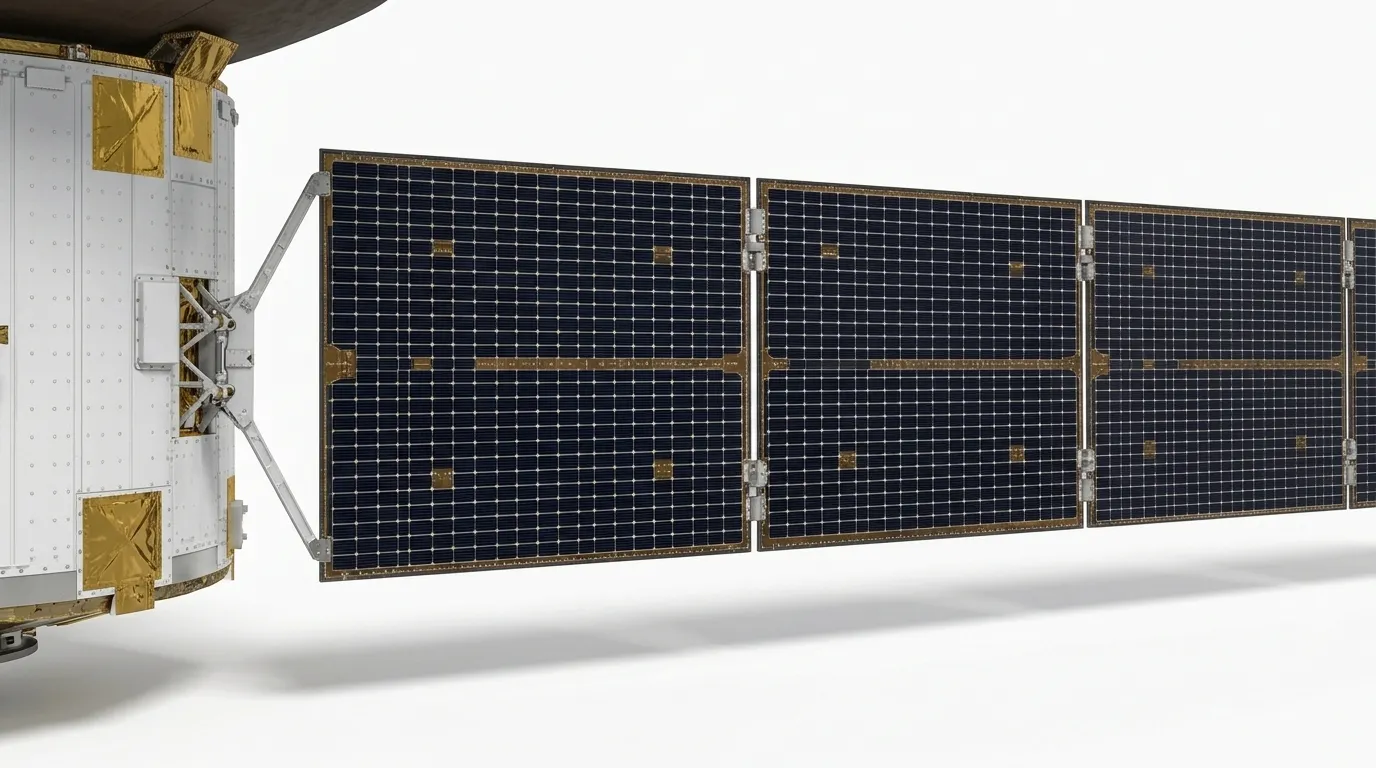
NASA''s deep-space crew vehicle for the Artemis Moon program. Orion flew farther from Earth than any spacecraft designed for humans when it traveled 268,563 miles during Artemis I. It is the only active vehicle designed to return crews from lunar distances.
History
Orion has its roots in the Crew Exploration Vehicle concept from NASA''s Constellation program, first proposed in 2004 as part of the Vision for Space Exploration. When Constellation was cancelled in 2010, Orion survived as the Multi-Purpose Crew Vehicle, retained by Congress for deep-space missions.
The capsule is significantly larger than Apollo''s Command Module, designed to carry four astronauts for missions lasting up to 21 days. Its heat shield, the largest ever built for a human-rated spacecraft, must withstand reentry speeds of 25,000 mph when returning from the Moon -- far more severe than returns from low Earth orbit.
Orion completed its first test flight (EFT-1) in December 2014 aboard a Delta IV Heavy, reaching an altitude of 3,604 miles. The Artemis I mission in late 2022 was the first flight of the complete SLS/Orion system, sending an uncrewed Orion around the Moon. The Artemis II mission will carry four astronauts on a similar trajectory, making them the first humans to travel beyond low Earth orbit since Apollo 17 in 1972.
Timeline
Launch Heritage
- EFT-1
- Artemis I
Technical Specifications
Propulsion
Dimensions
Mass
Mission
Power & Systems
Source: NASA, ESA, Lockheed Martin
Tags
Designed by Lockheed Martin / NASA
Featured in Collections
References & Sources


Keep Exploring
View all vehicles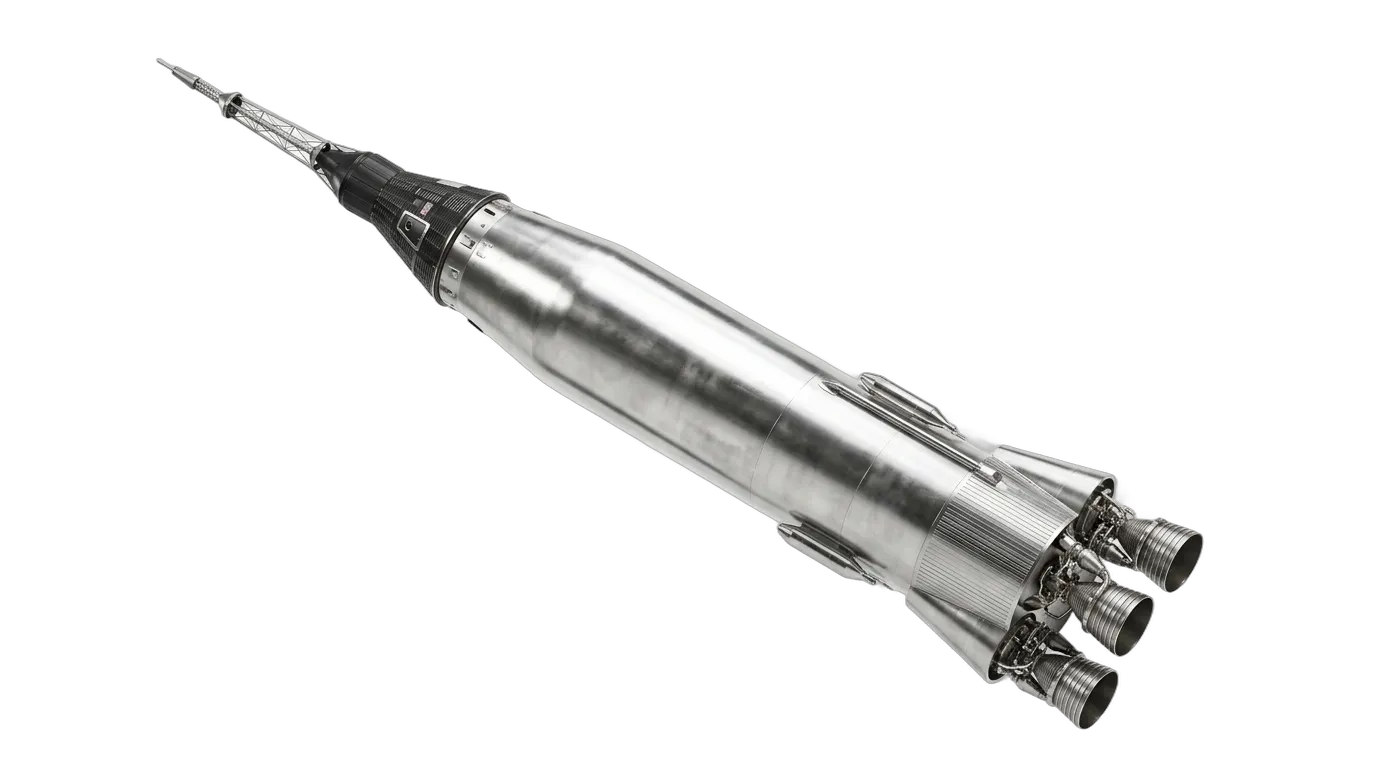
Convair
Atlas
1957 · Launch Vehicle
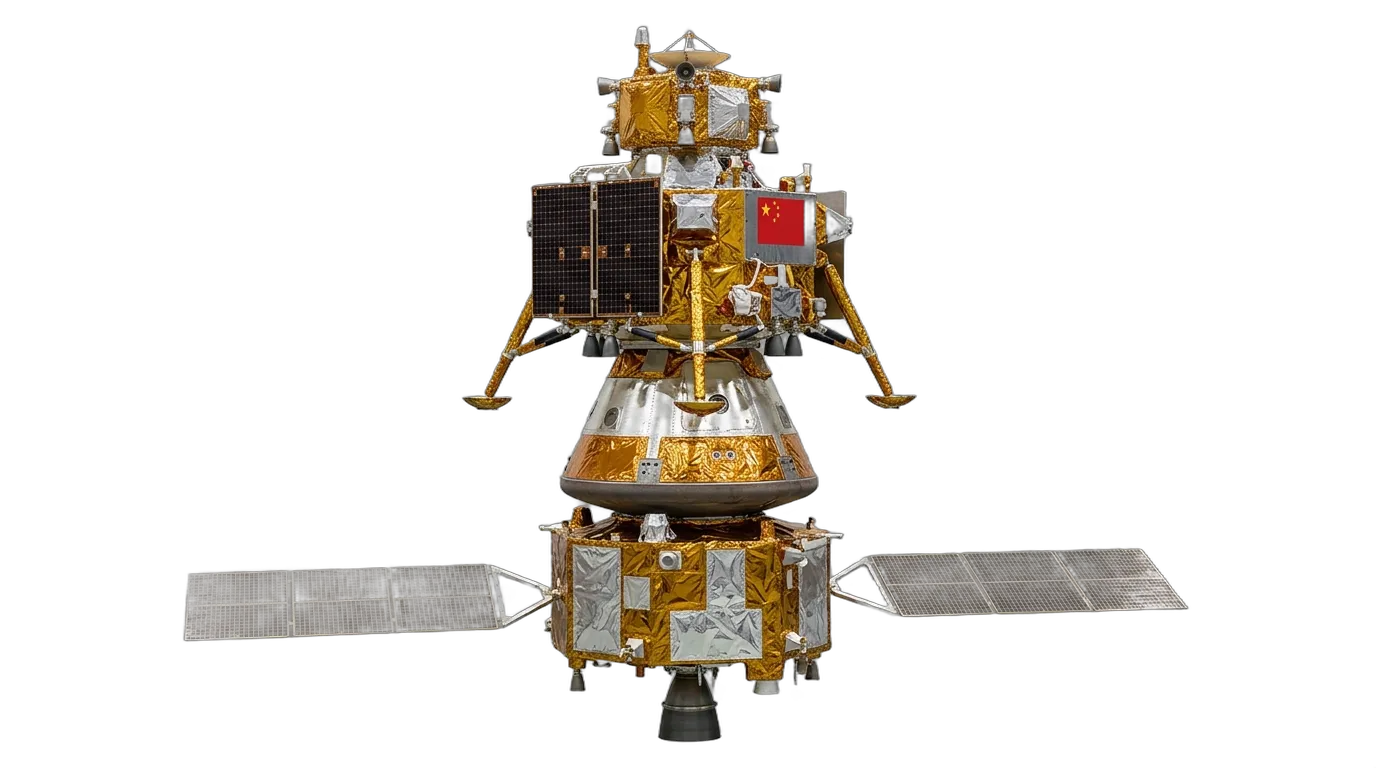
CNSA
Chang''e 5
2020 - 2020 · Lunar Vehicle
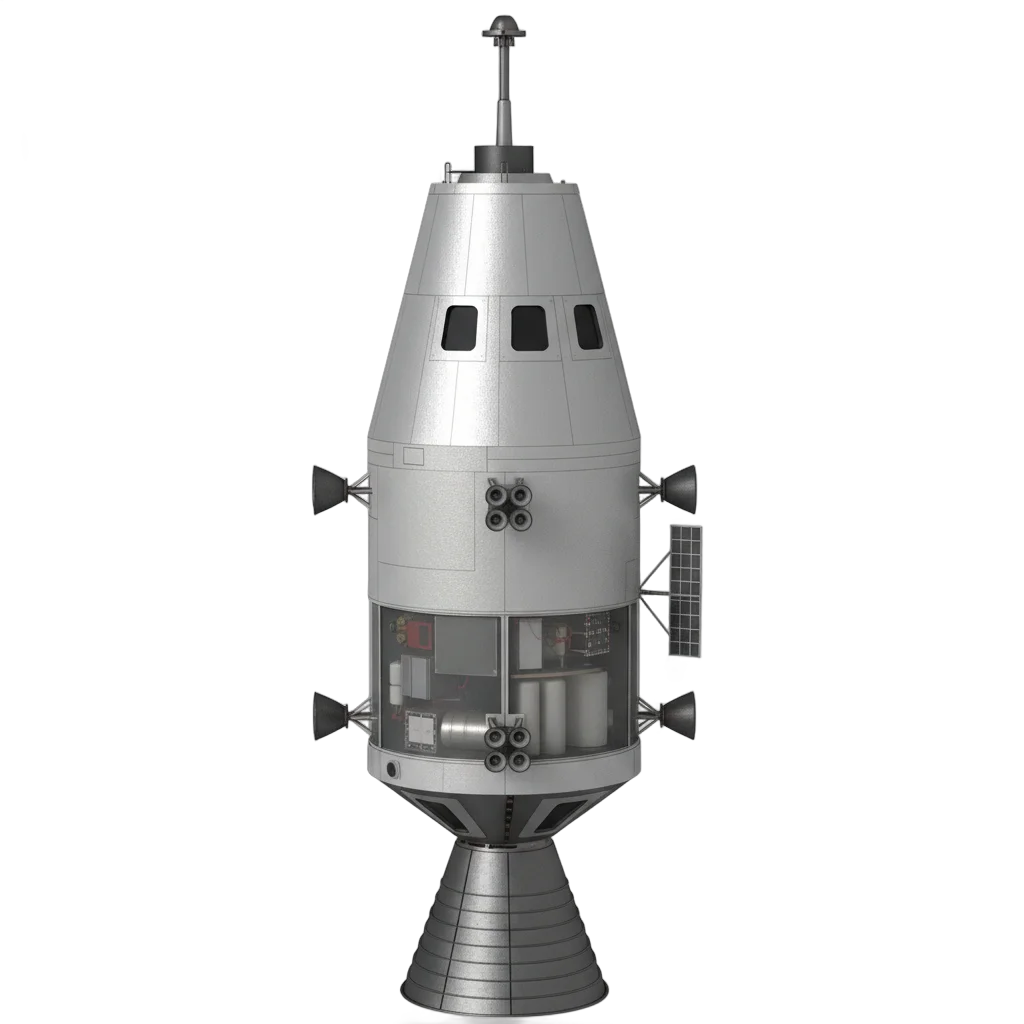
North American Aviation
Apollo Command/Service Module
1966 - 1975 · Crewed Spacecraft
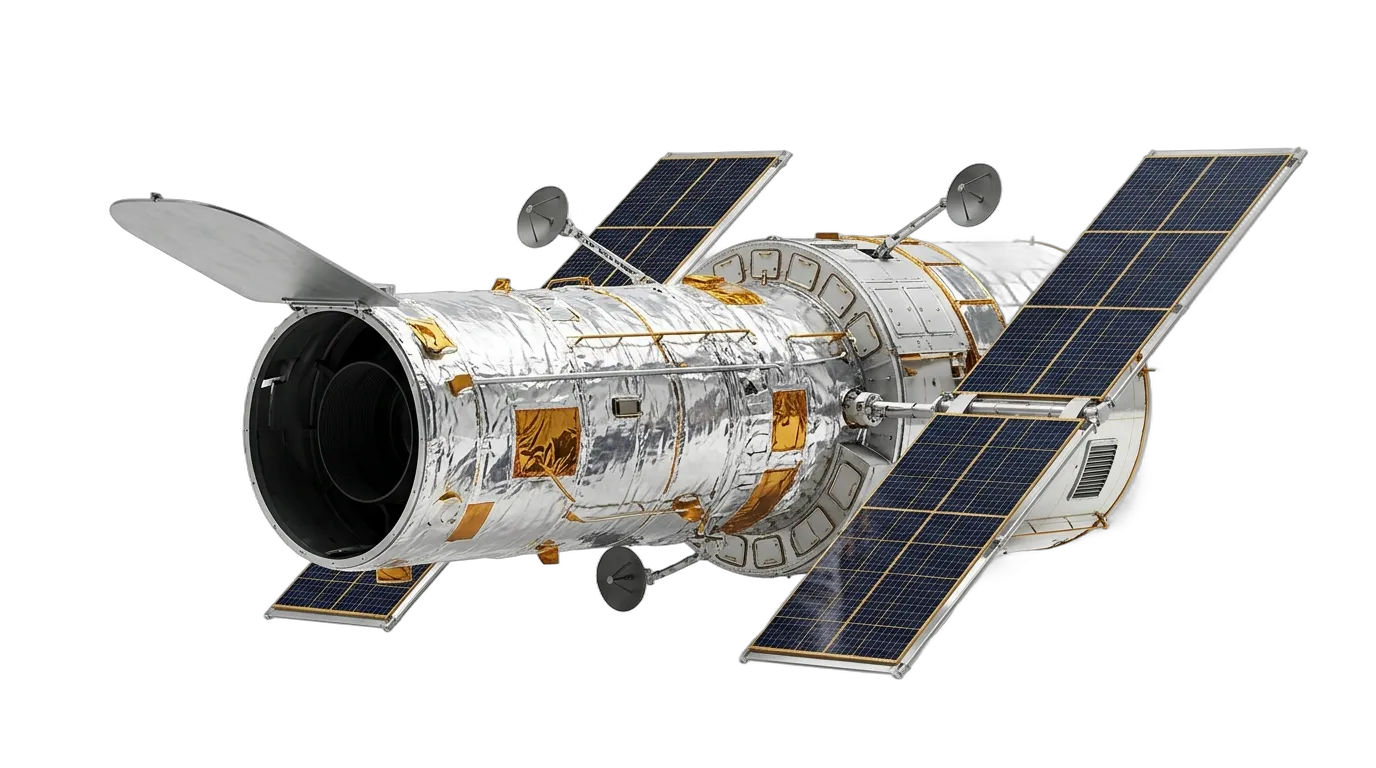
Lockheed Martin
Hubble Space Telescope
1990 · Satellite
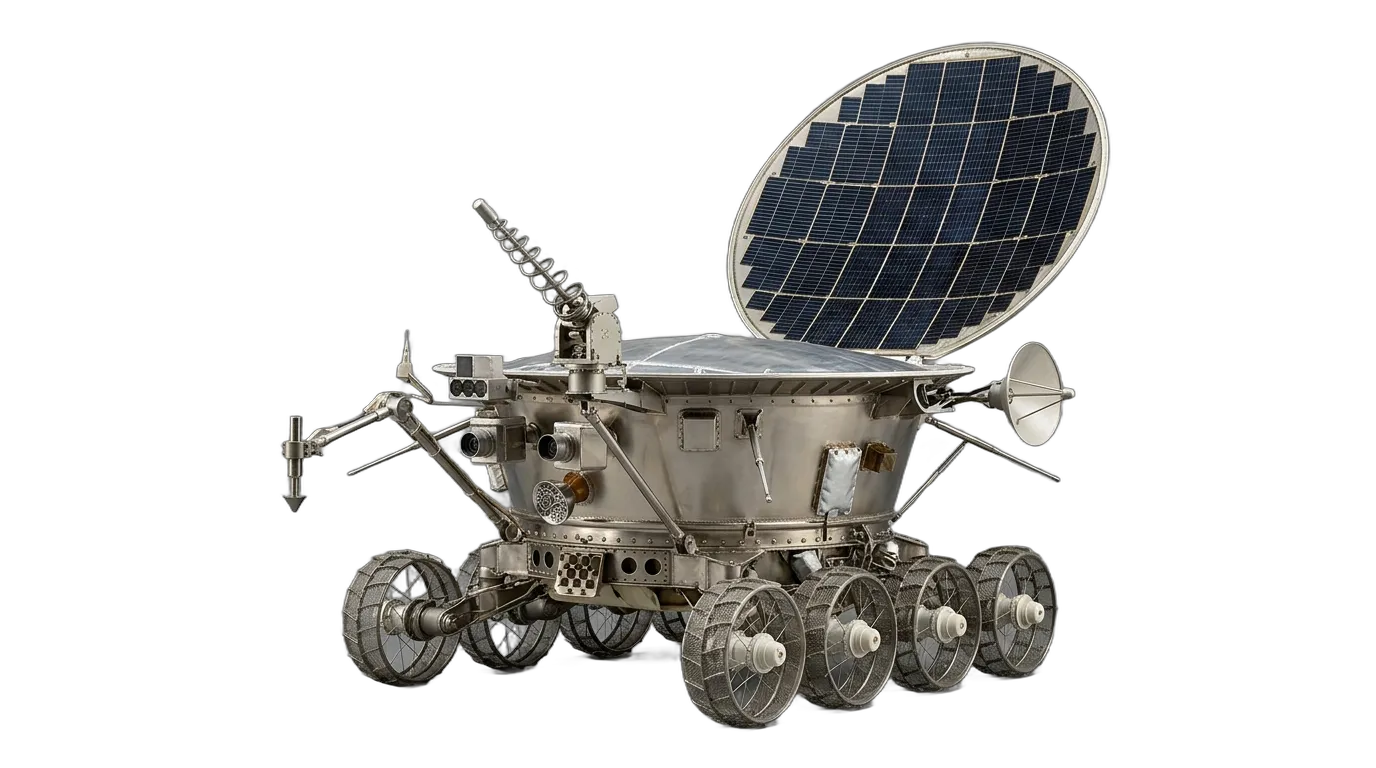
OKB-1
Lunokhod 1
1970 - 1971 · Lunar Vehicle
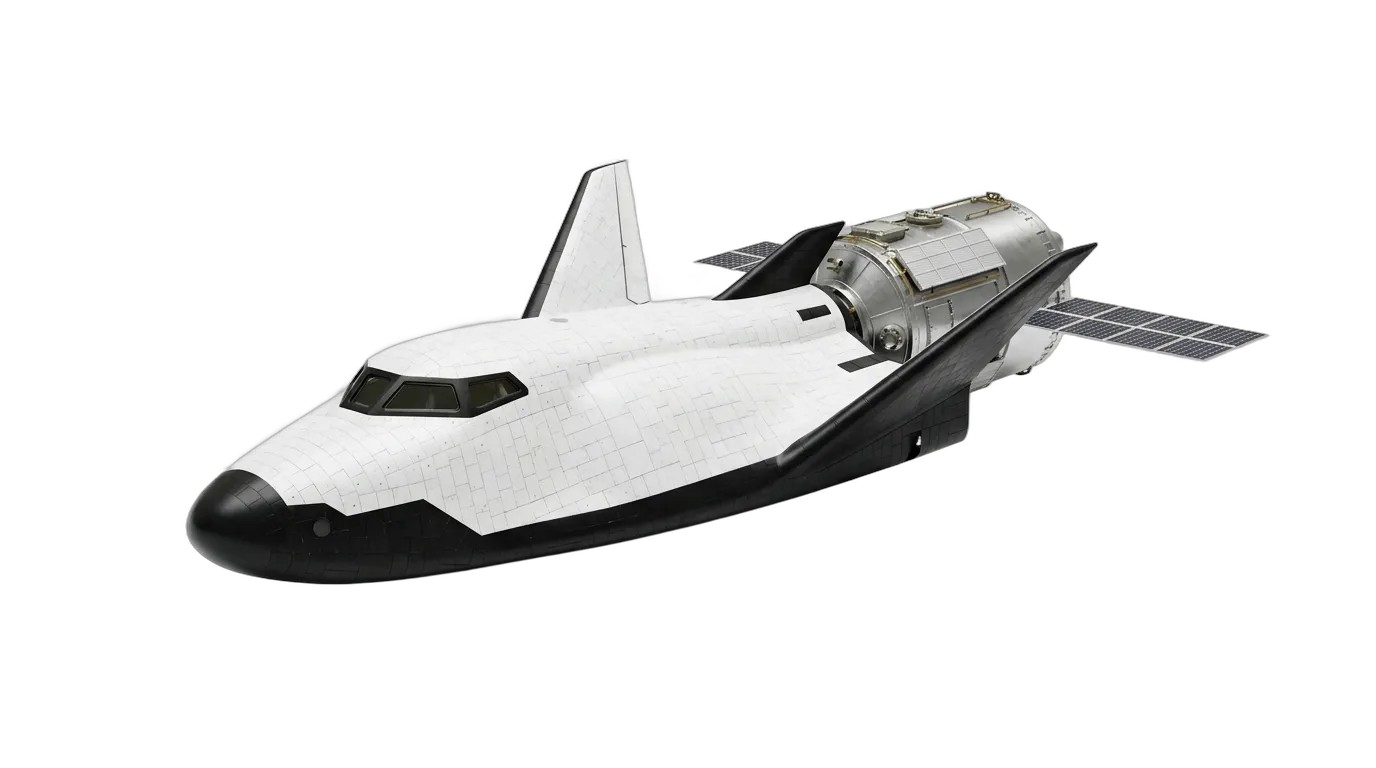
Sierra Space
Dream Chaser
2024 · Crewed Spacecraft