New Space Pioneers
Commercial vehicles reshaping the industry. SpaceX, Blue Origin, Rocket Lab, and the new generation.
9 vehicles
For four decades, space launch was a government monopoly. National agencies built rockets, national budgets paid for them, and national priorities determined what flew. Then a generation of entrepreneurs decided that space access could be a business, not a bureaucracy. The vehicles in this collection represent the result: commercial rockets that have cut launch costs, increased cadence, and opened space to customers who could never have afforded a government launch.
SpaceX: The Disruptor
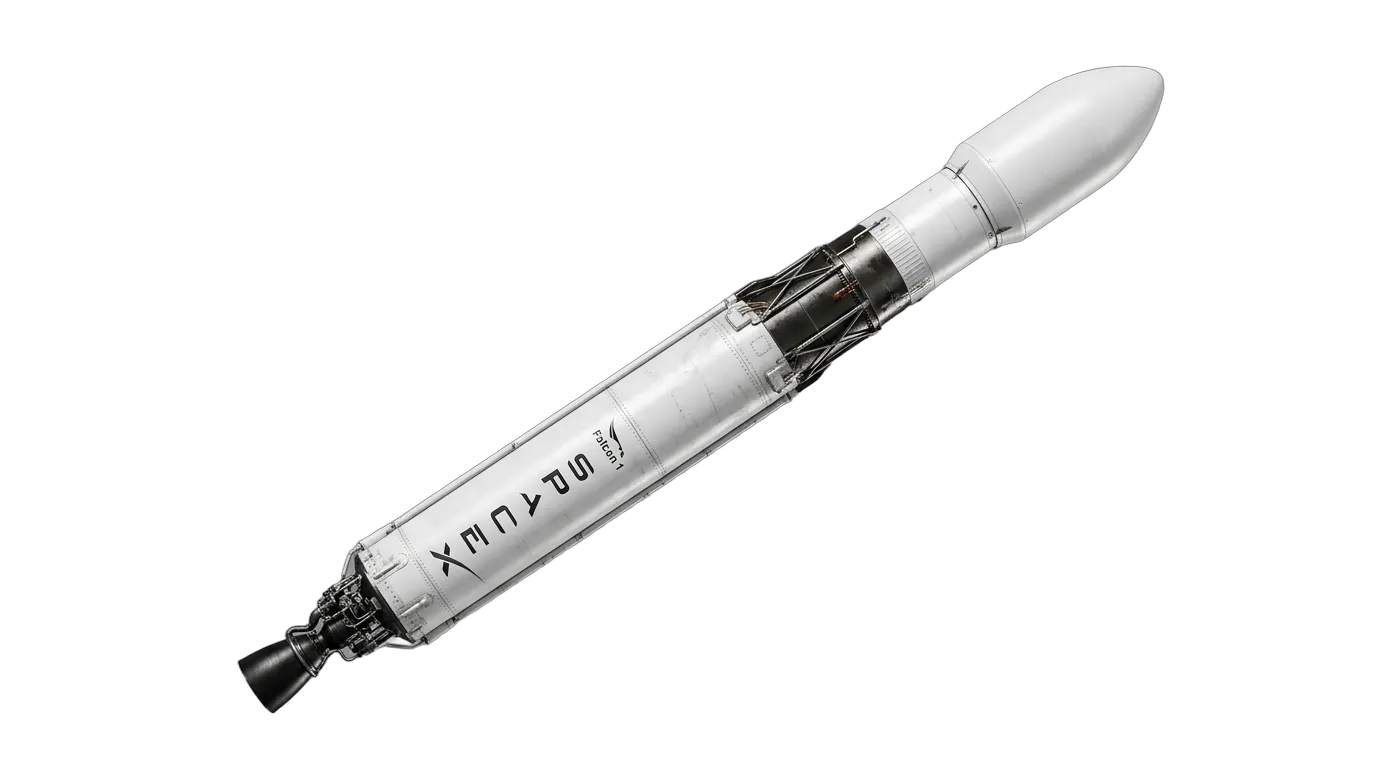
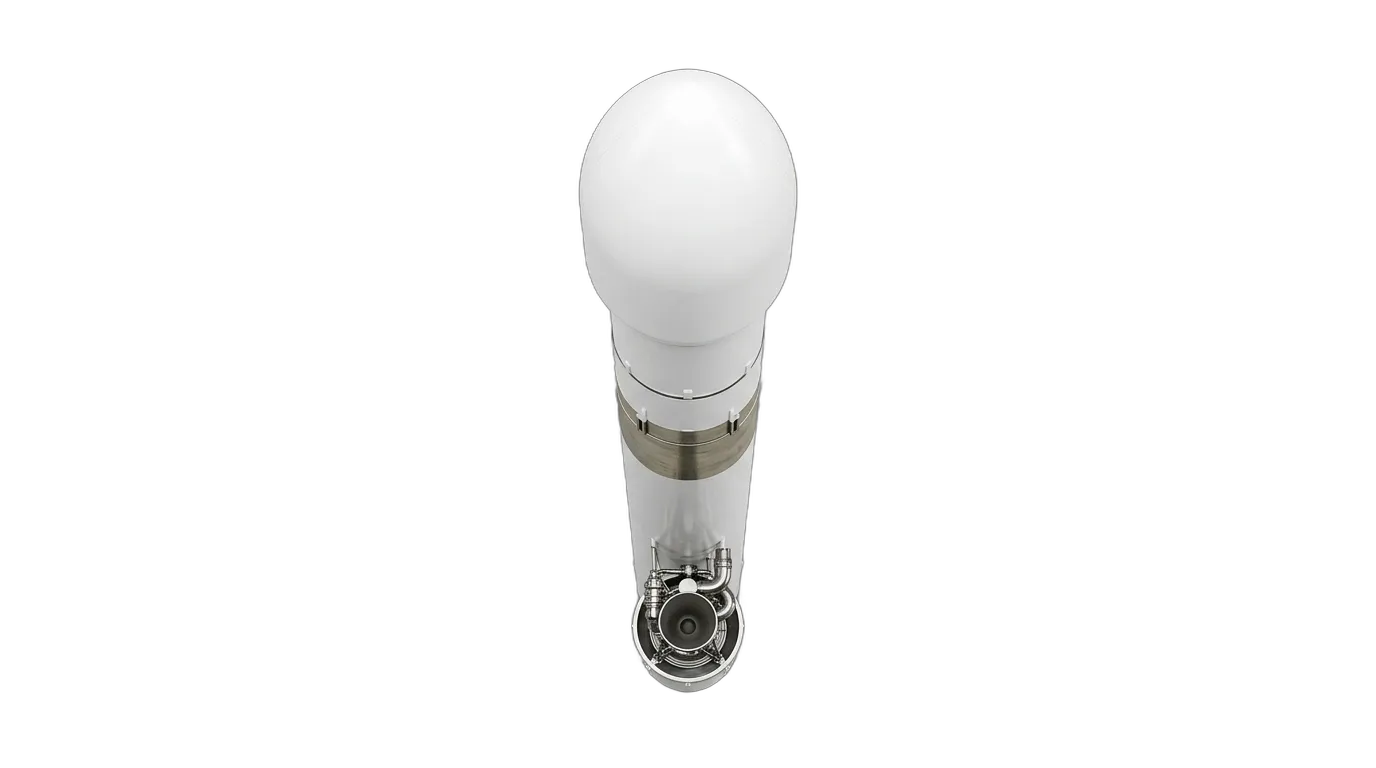
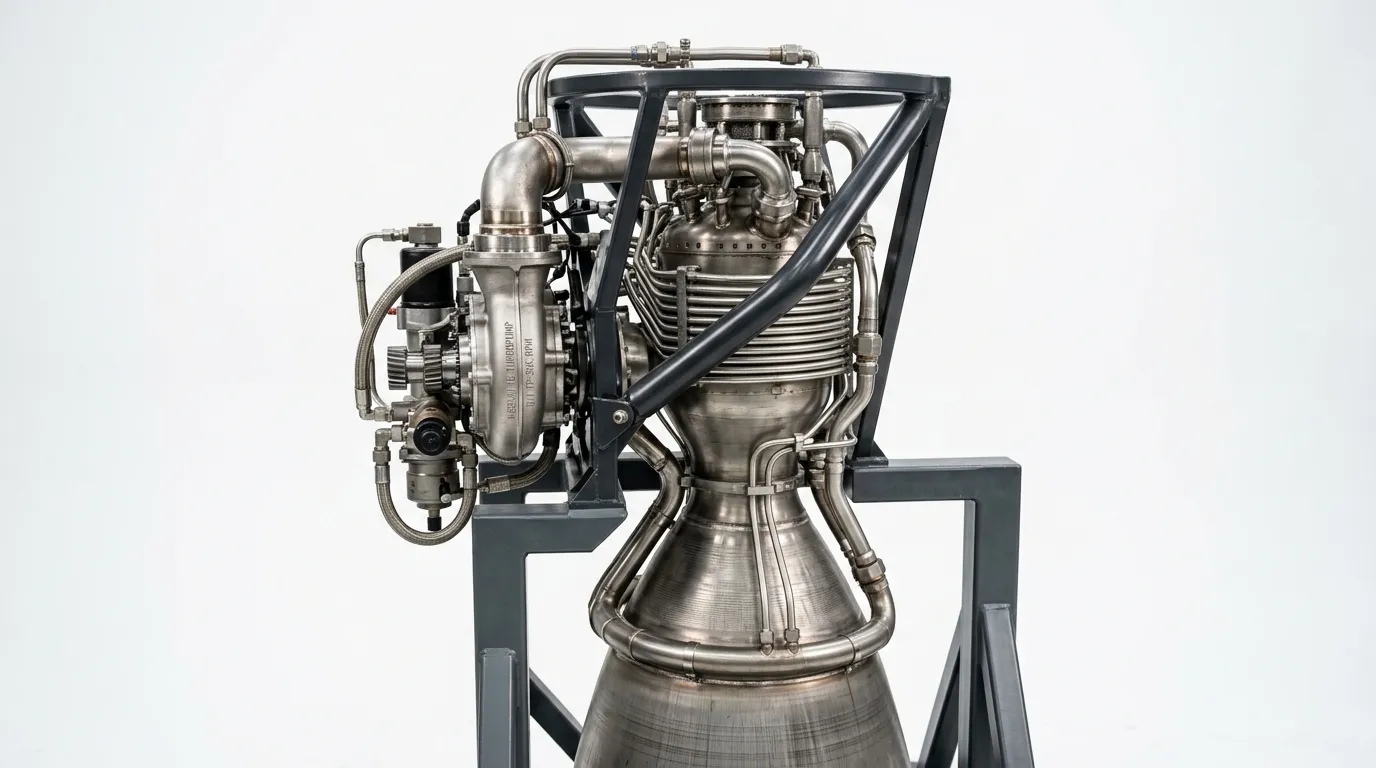
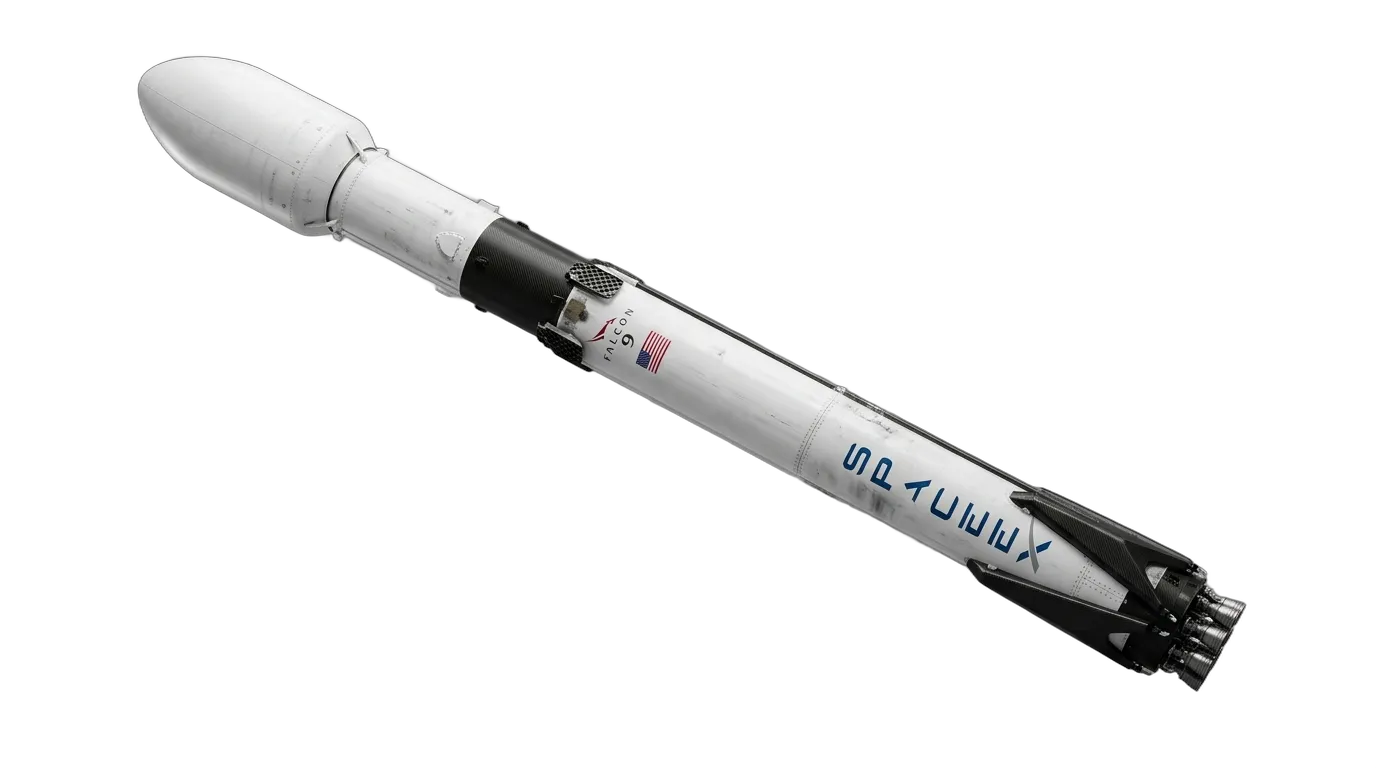
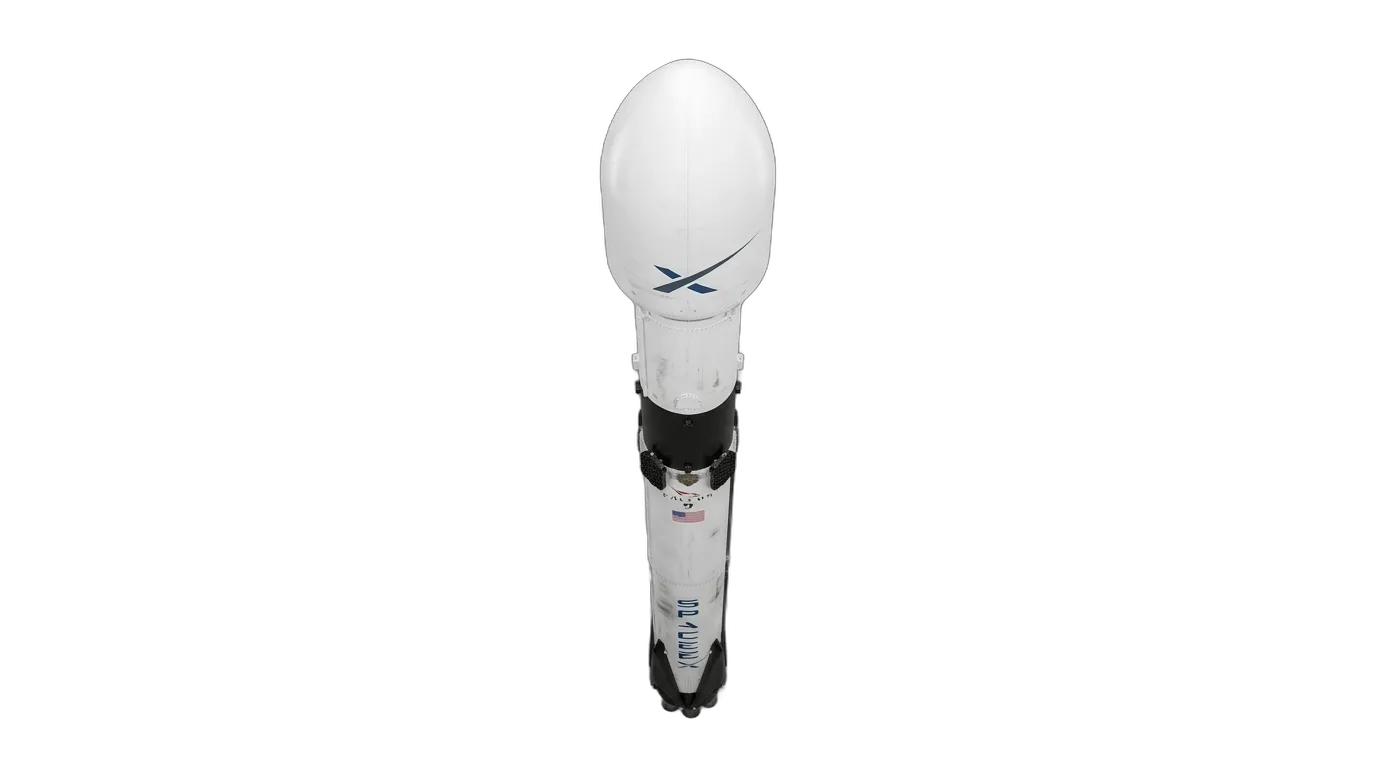
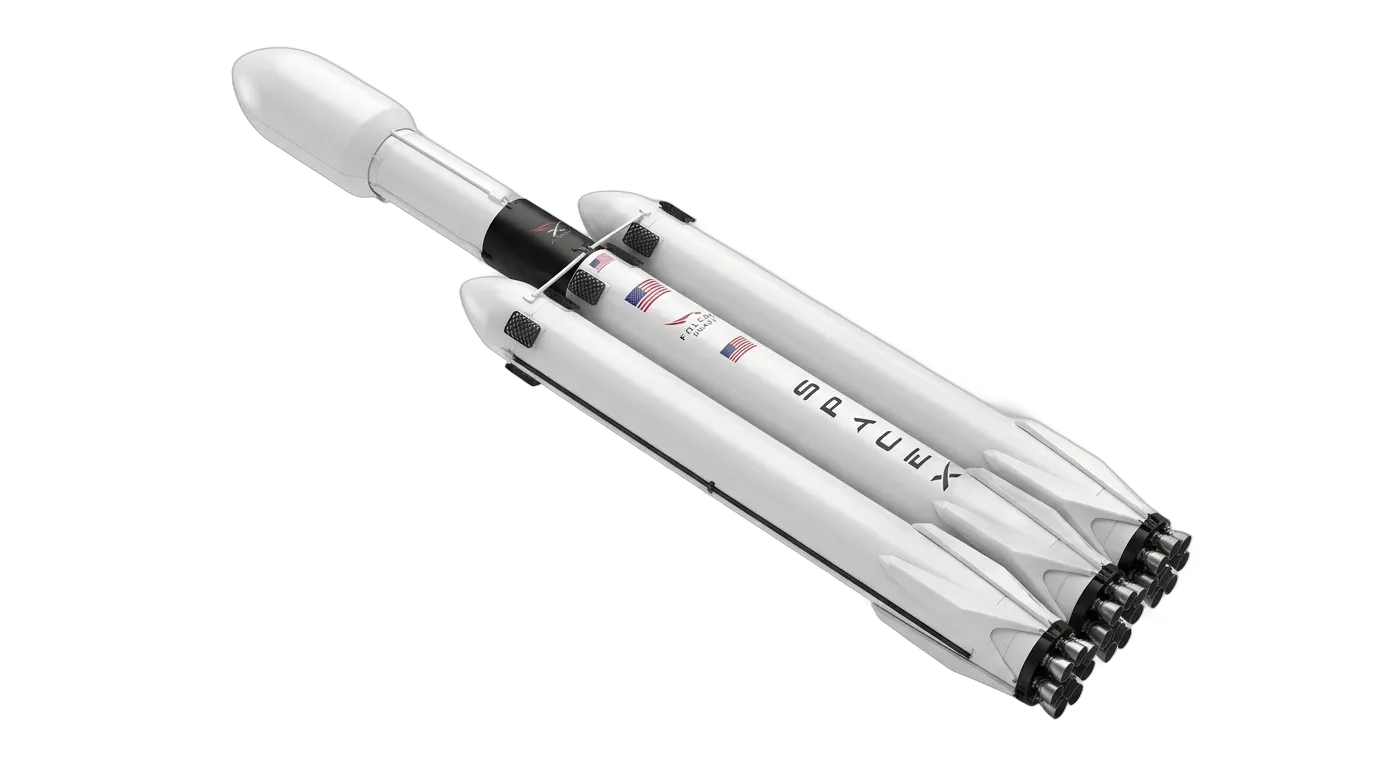
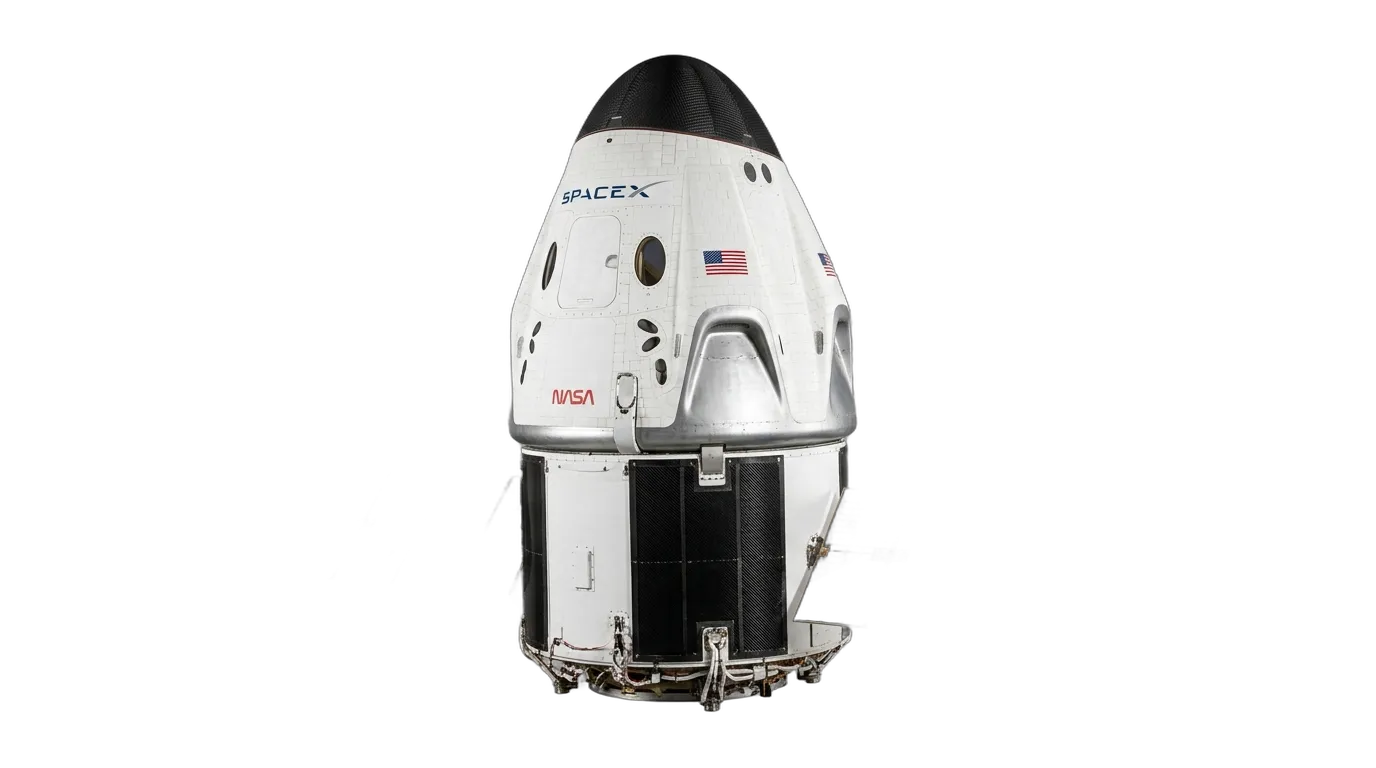
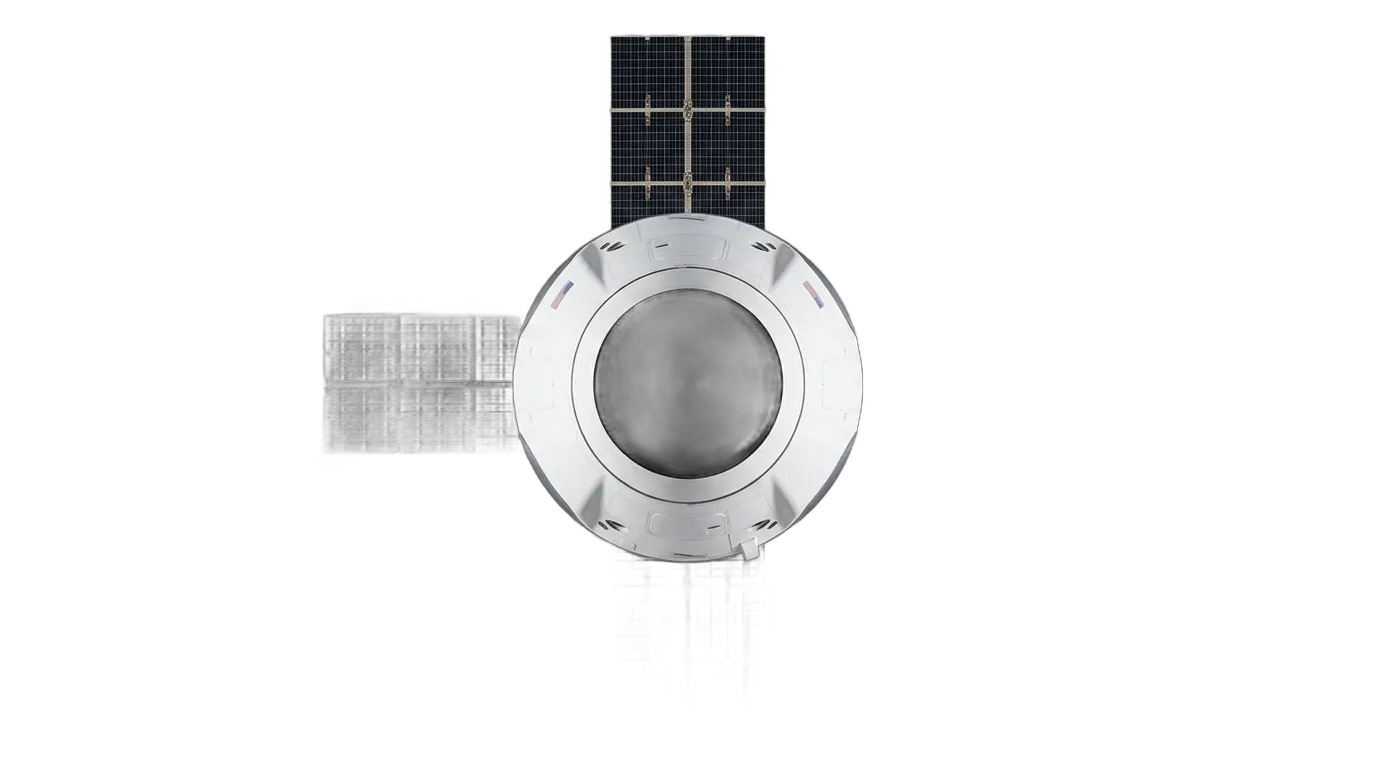
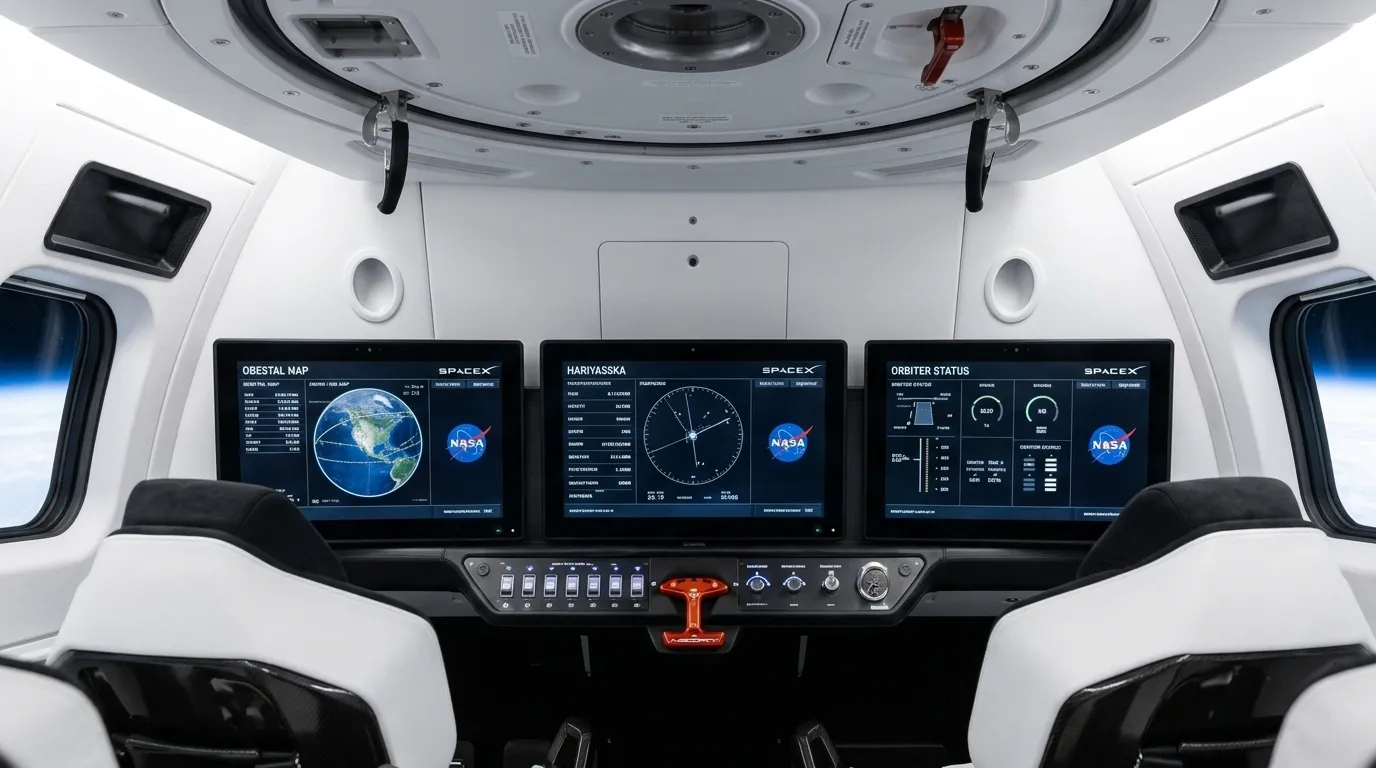
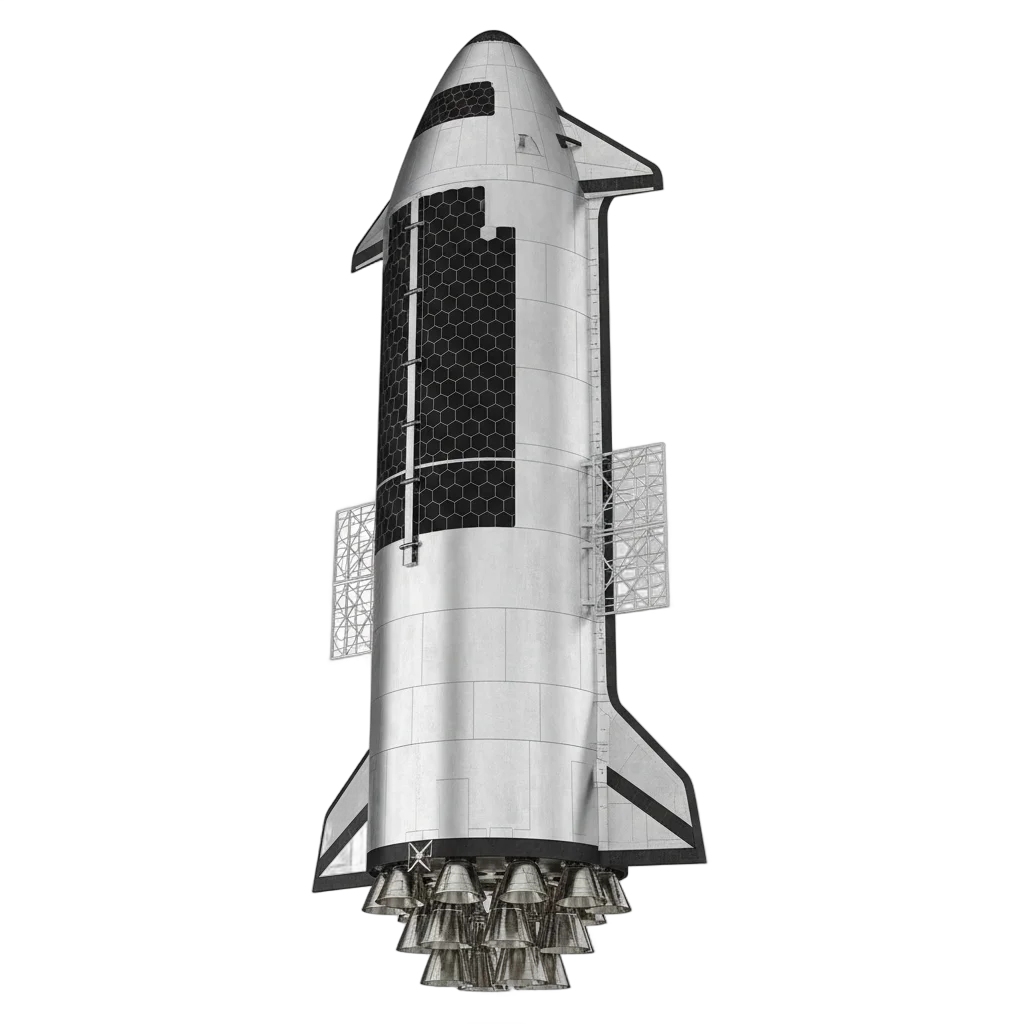
SpaceX was founded in 2002 with the explicit goal of reducing the cost of space access by a factor of ten. Falcon 1 reached orbit in 2008 after three failures. Falcon 9 became the world's most-launched rocket. Crew Dragon ended America's reliance on Russian vehicles. Starship aims to make Mars colonization economically feasible. In two decades, SpaceX went from a startup with no rockets to the dominant launch provider on Earth.
The Second Wave
Rocket Lab's Electron became the first privately developed rocket to reach orbit from a new launch site, delivering small satellites from New Zealand with unprecedented frequency. Blue Origin's New Shepard flew paying passengers to suborbital space. Virgin Orbit launched satellites from a modified 747. Firefly, Relativity, and ABL Space joined the race. The barrier to entry for orbital launch dropped from billions of dollars to hundreds of millions.
The Commercial Future
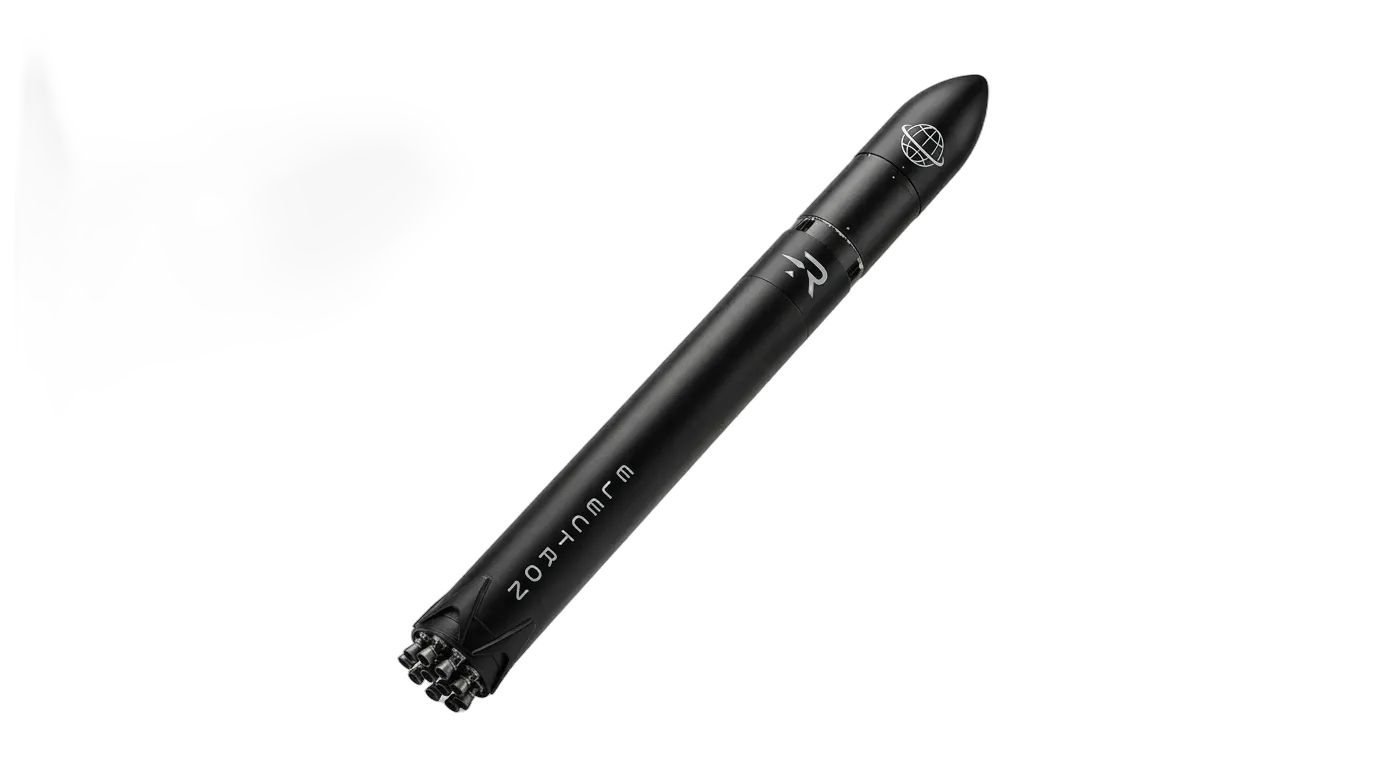
The next generation of commercial vehicles includes Rocket Lab's Neutron, designed for medium-lift reusability. Blue Origin's New Glenn, with a reusable first stage and seven BE-4 engines. Relativity Space's Terran R, built largely by 3D printing. These vehicles are designed from the start for commercial economics: reusability, rapid turnaround, and costs measured per kilogram rather than per mission. The government monopoly on space access is over.
The New Space movement has proven that private companies can build reliable launch vehicles faster and cheaper than government programs. That does not diminish the achievement of NASA, ESA, or Roscosmos -- they blazed the trail. But the trail has been paved, and commercial vehicles now carry the majority of the world's payloads to orbit. The entrepreneurs who bet on space as a business have been vindicated. The question now is how far that business can reach.