Gemini Capsule
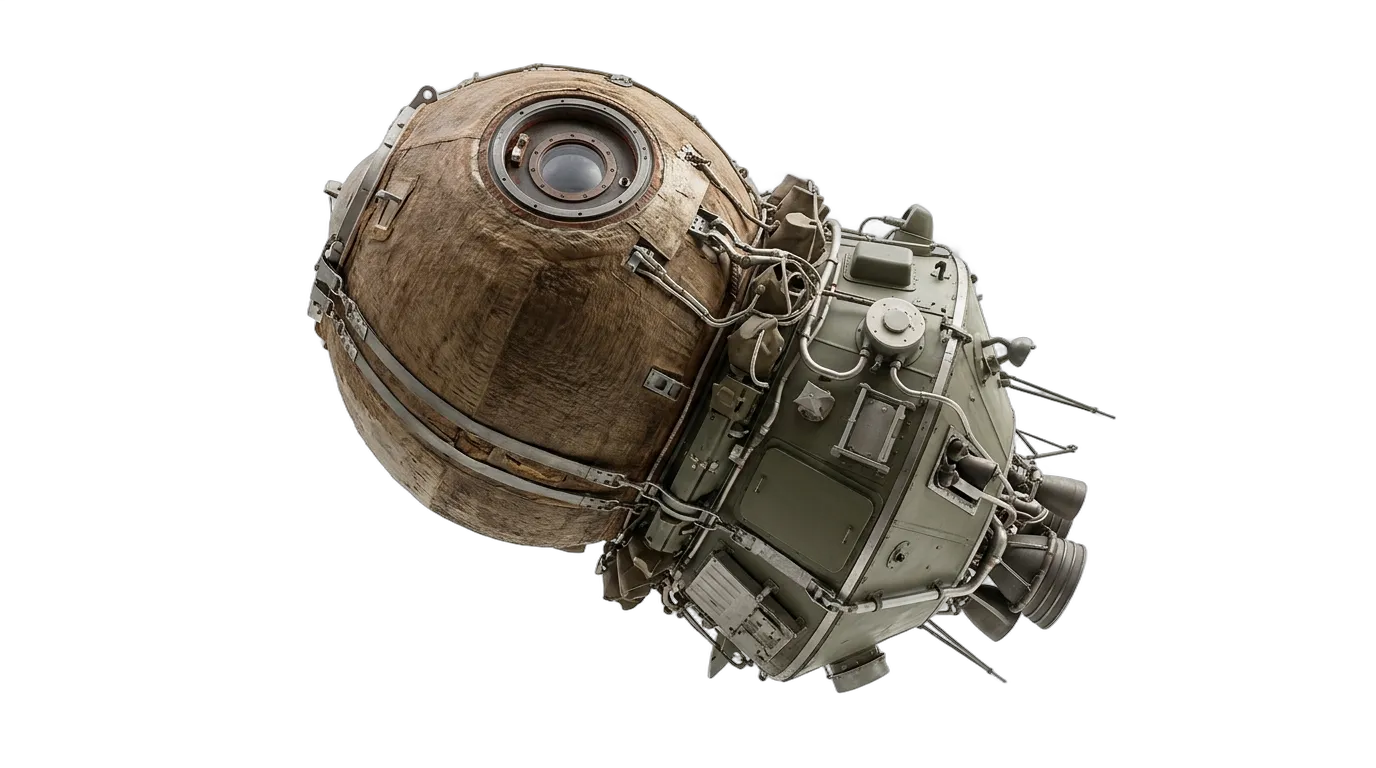
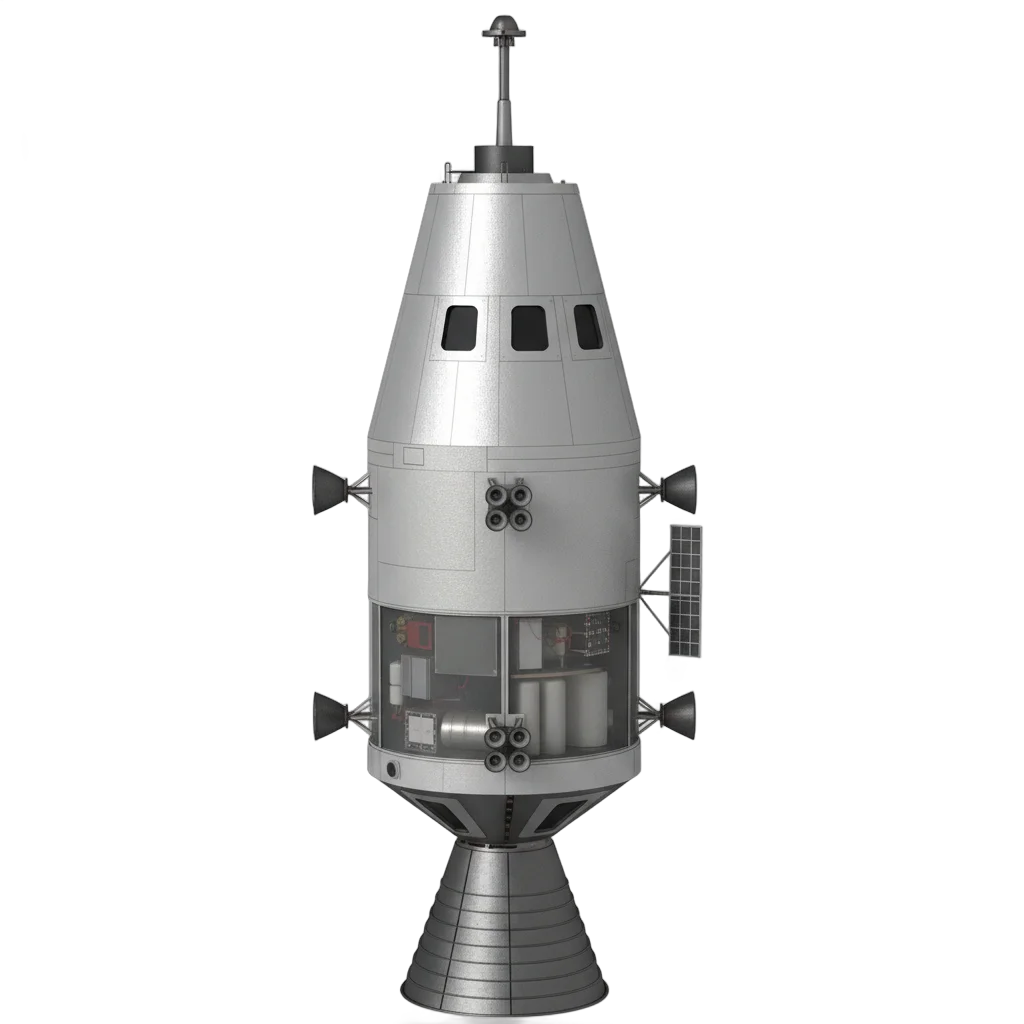
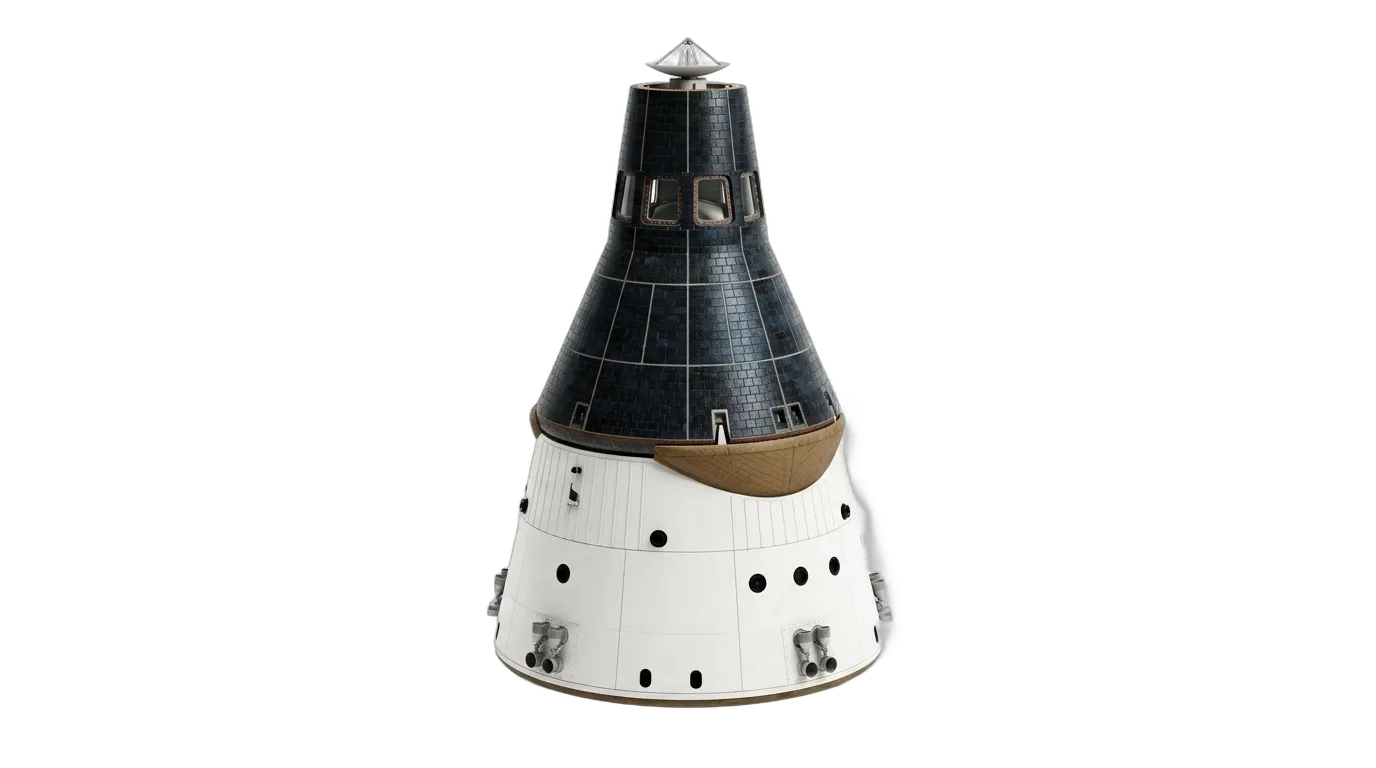
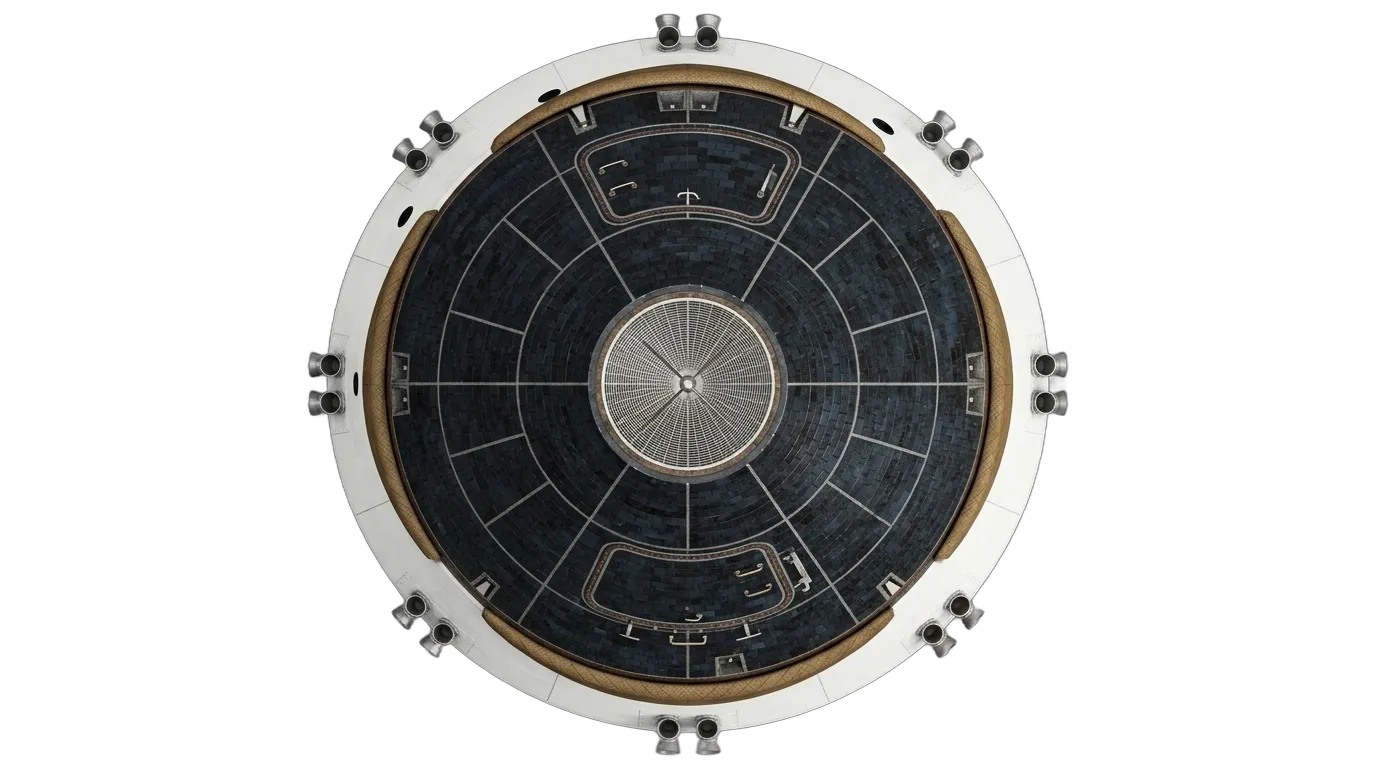
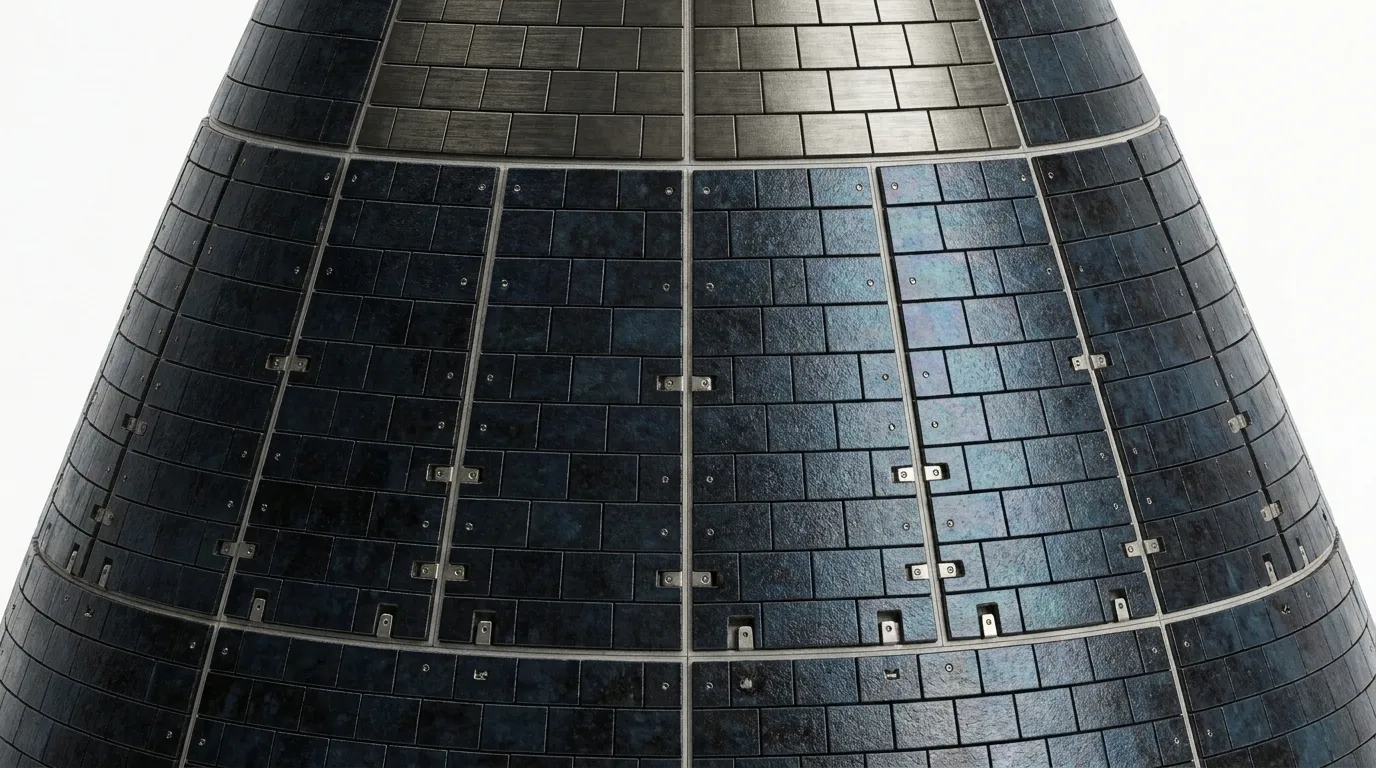
Gemini pioneered every technique needed for Apollo: spacewalks, orbital rendezvous, docking, and long-duration spaceflight up to 14 days. Ten crewed missions in less than two years made it the most intensive crewed program ever.
History
Project Gemini bridged the gap between Mercury''s tentative steps and Apollo''s lunar ambitions. Named after the constellation of the twins (for its two-person crew), Gemini was designed to demonstrate that astronauts could work outside their spacecraft, rendezvous and dock with other vehicles in orbit, and endure flights lasting up to two weeks -- all essential capabilities for a Moon mission.
Ten crewed Gemini missions flew between March 1965 and November 1966, a pace of roughly one mission per month that has never been matched. Gemini 4 saw Ed White perform the first American spacewalk. Gemini 6A and 7 achieved the first orbital rendezvous, with the two spacecraft flying in formation just feet apart. Gemini 8 accomplished the first docking between two spacecraft, though the mission nearly ended in disaster when a stuck thruster sent the docked vehicles into a violent spin.
Gemini 7 set an endurance record of nearly 14 days in a capsule barely larger than the front seat of a Volkswagen Beetle. Astronauts Frank Borman and Jim Lovell endured the cramped conditions to prove that humans could survive in space long enough for a lunar mission. The data from their flight -- including the first evidence of bone density loss in microgravity -- informed medical planning for all subsequent long-duration missions.
Timeline
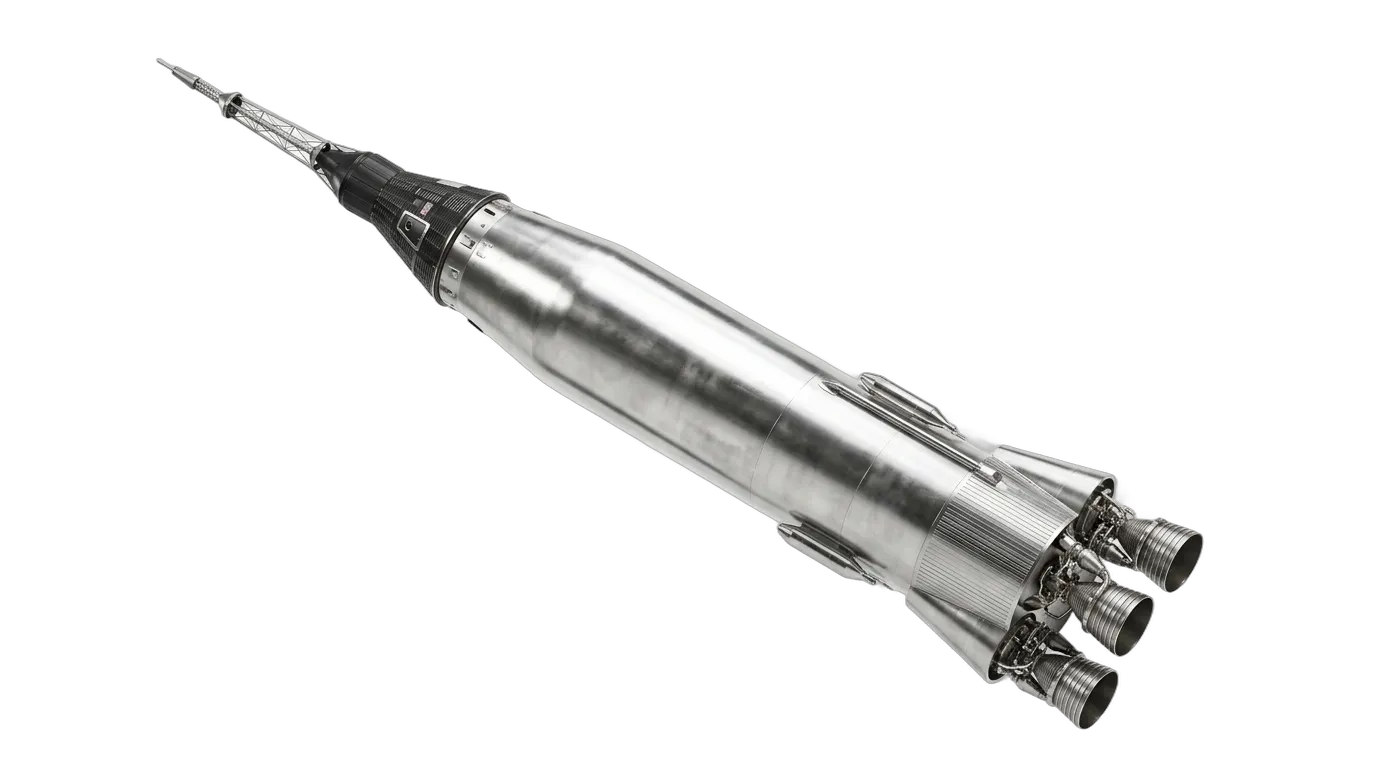
Launch Heritage
- Gemini IV (first American EVA, Ed White)
- Gemini VI-A/VII (first space rendezvous)
- Gemini VIII (first docking, Neil Armstrong)
- Gemini XII (final mission, Buzz Aldrin EVA mastery)
Technical Specifications
Propulsion
Performance
Dimensions
Mass
Mission
Power & Systems
Source: NASA
Tags
Designed by Maxime Faget / Jim Chamberlin