Apollo Command/Service Module
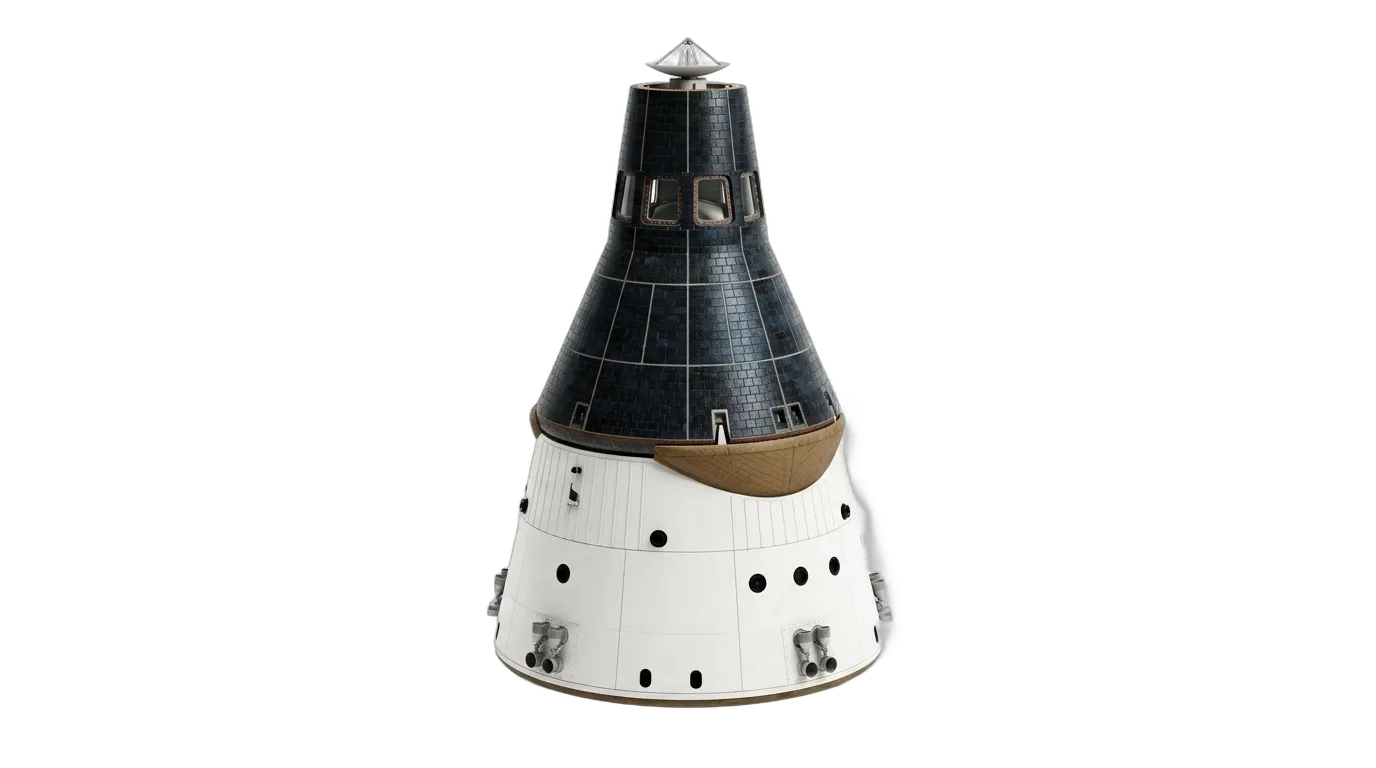
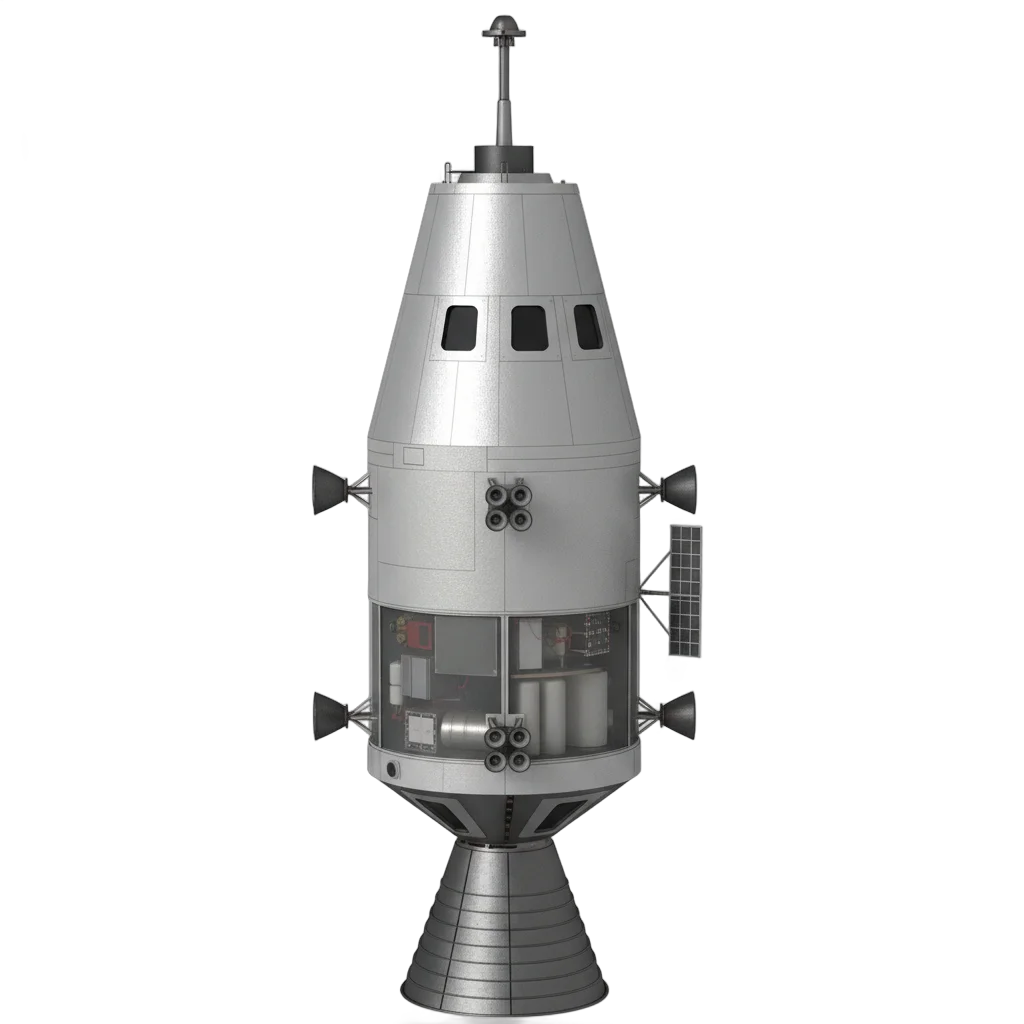
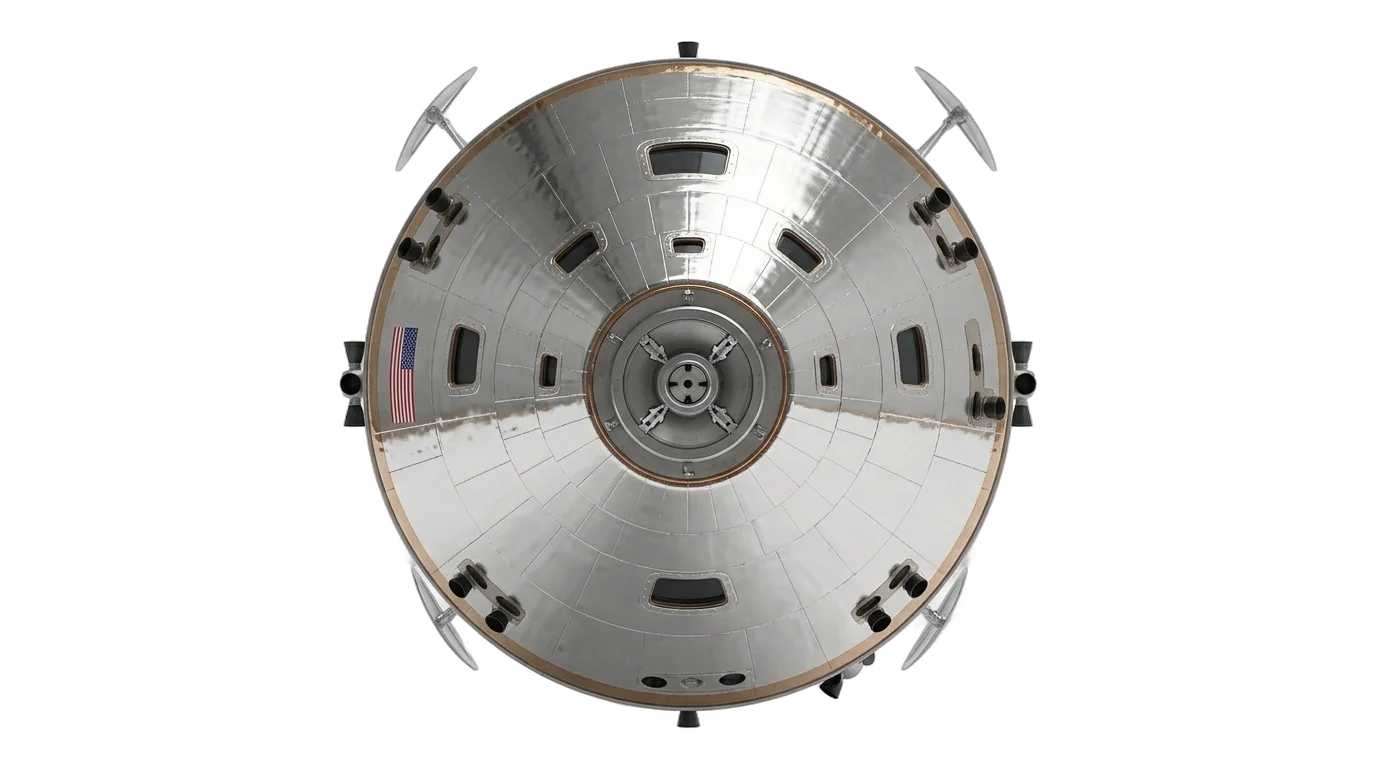
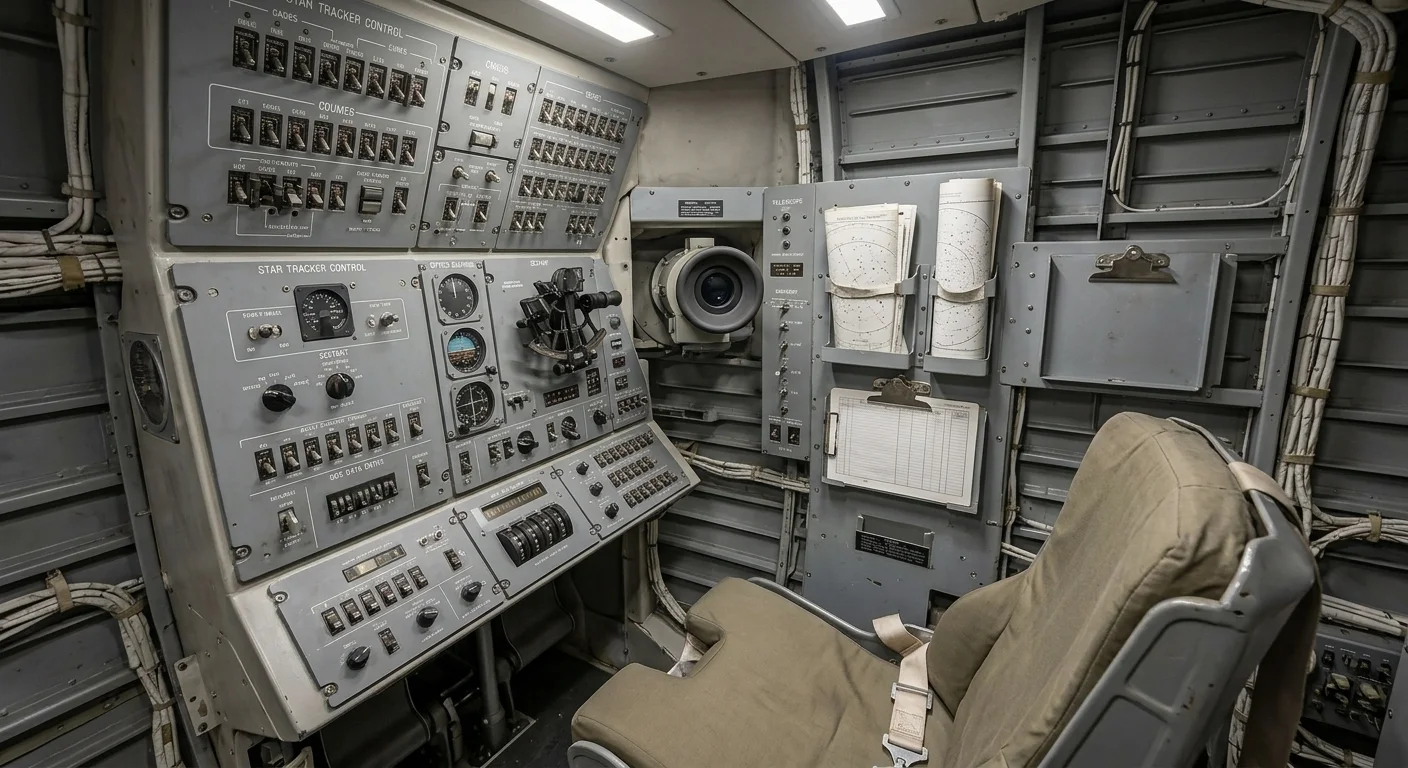
The spacecraft that carried astronauts to the Moon and back. Twelve men walked on the lunar surface and returned safely in this vehicle. Apollo 13''s safe return after an oxygen tank explosion remains the greatest rescue in spaceflight history.
History
North American Aviation won the contract to build the Apollo Command and Service Module in 1961, beginning one of the most consequential engineering programs in history. The Command Module was a cone-shaped capsule designed to protect three astronauts during launch, house them for up to two weeks in space, and shield them during reentry at speeds approaching 25,000 mph -- far faster than any previous crewed vehicle.
The Apollo 1 fire on January 27, 1967, killed astronauts Gus Grissom, Ed White, and Roger Chaffee during a launch pad test. The pure oxygen atmosphere inside the capsule turned a small electrical spark into an inferno that engulfed the cabin in seconds. The tragedy led to a complete redesign of the spacecraft: the atmosphere was changed to a nitrogen-oxygen mix, flammable materials were replaced, and the hatch was redesigned to open outward in seconds rather than inward.
The resulting Block II CSM proved extraordinarily capable. Apollo 7 in October 1968 was the first crewed flight, spending eleven days in Earth orbit and validating the redesigned spacecraft. Just two months later, Apollo 8 carried Frank Borman, Jim Lovell, and Bill Anders to lunar orbit in December 1968, making them the first humans to see the far side of the Moon. Apollo 11 carried Neil Armstrong and Buzz Aldrin to the lunar surface on July 20, 1969. Over the next three years, five more Apollo missions landed on the Moon.
Apollo 13's survival after an oxygen tank explosion in the Service Module on April 13, 1970, demonstrated both the vehicle's vulnerability and the extraordinary ingenuity of the astronauts and Mission Control. With the Service Module crippled, the crew used the Lunar Module as a lifeboat, swinging around the Moon and enduring freezing temperatures, dwindling water, and dangerously high CO2 levels before splashing down safely four days later.
Timeline
Launch Heritage
- Apollo 8 (first humans to orbit the Moon)
- Apollo 11 (first Moon landing, Neil Armstrong)
- Apollo 13 (successful failure, safe crew return)
- Apollo-Soyuz (first international space mission)
Technical Specifications
Propulsion
Performance
Dimensions
Mass
Mission
Power & Systems
Source: NASA Apollo Program
Tags
Designed by Harrison Storms