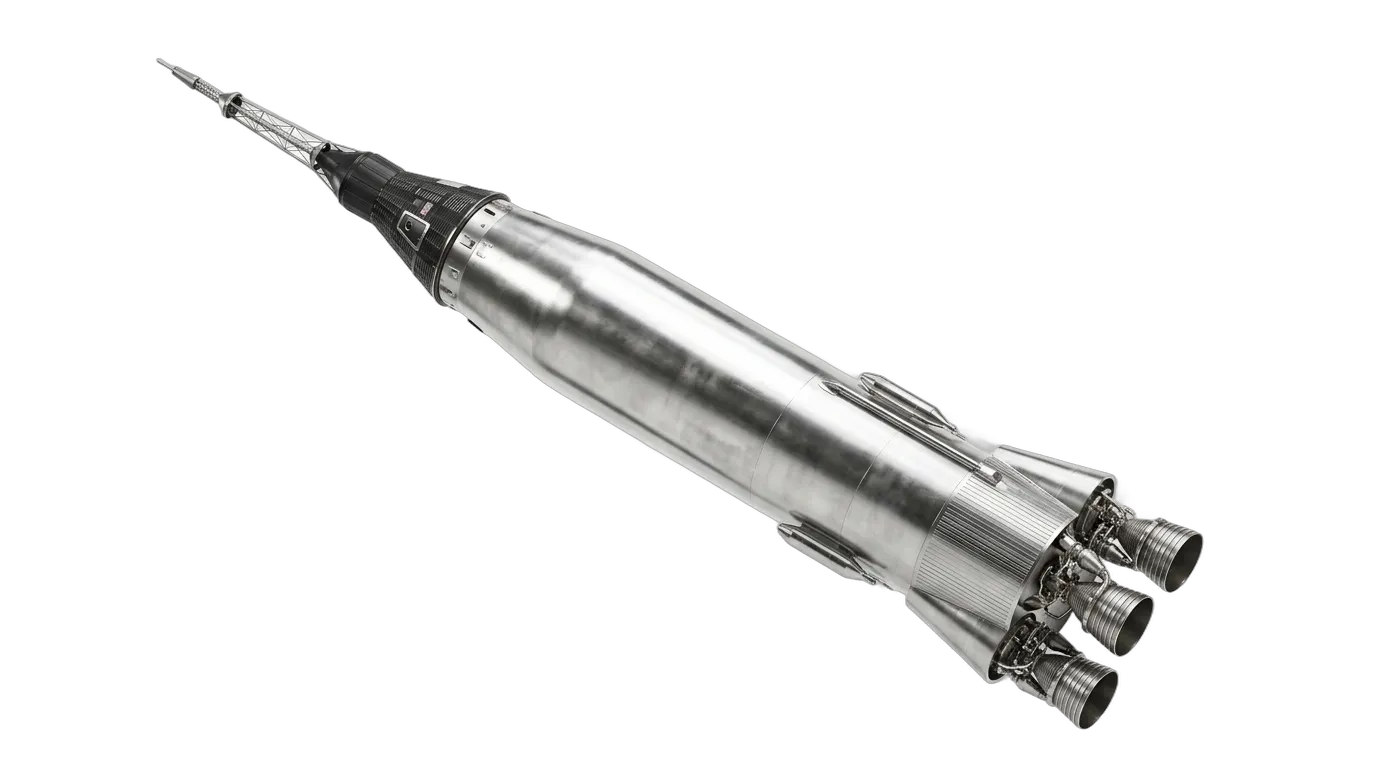
Pioneer 10
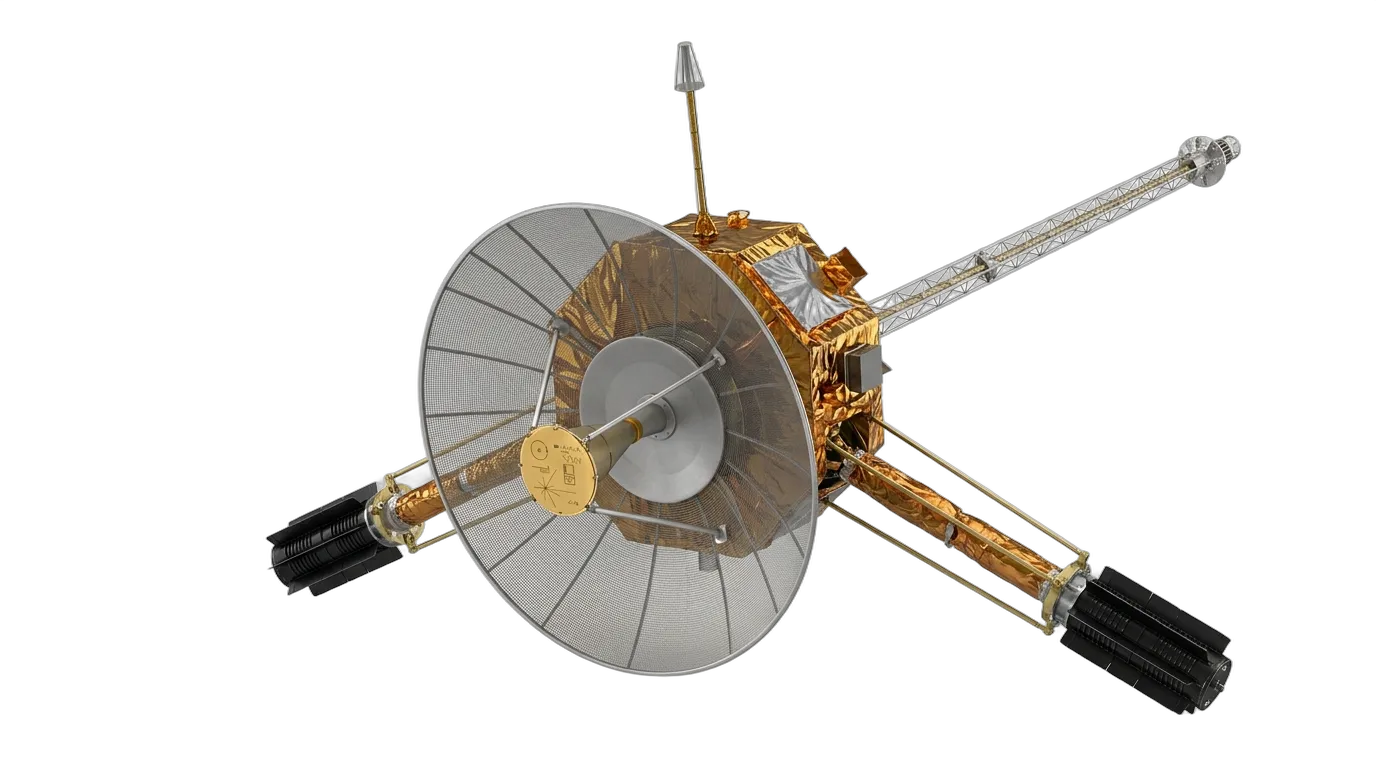
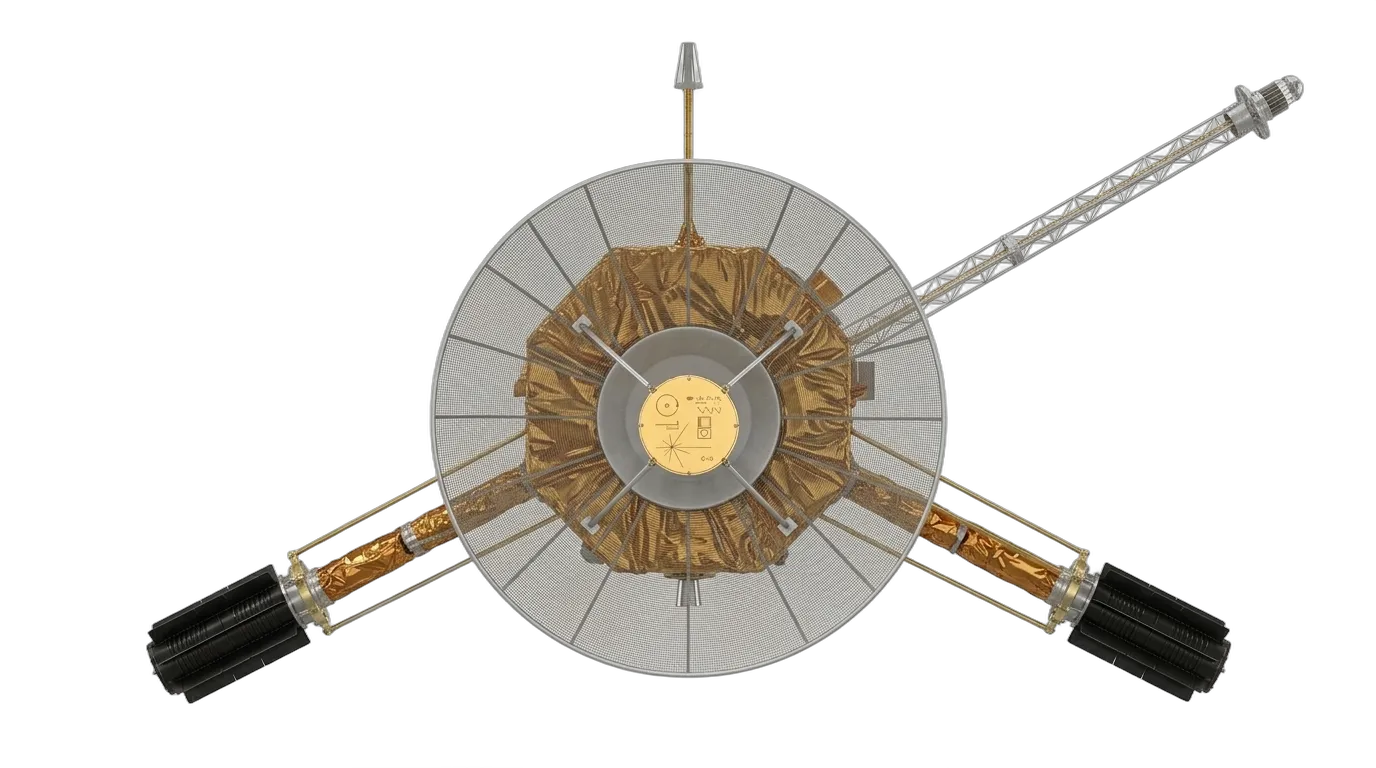
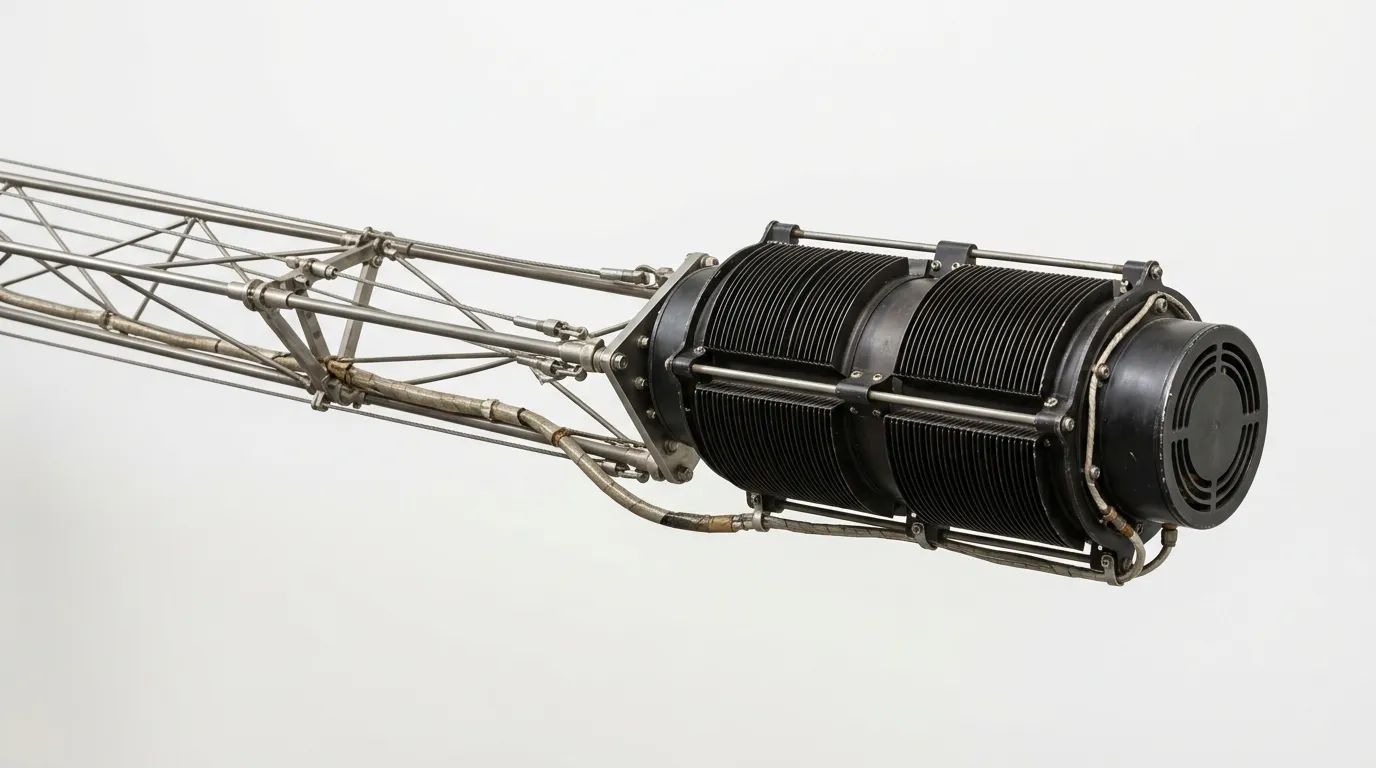
The first spacecraft to traverse the asteroid belt, the first to fly by Jupiter, and the first to achieve escape velocity from the solar system. Pioneer 10 carries a gold-anodized plaque depicting humans and Earth''s location.
History
Pioneer 10 launched on March 2, 1972, on a mission to become the first spacecraft to fly through the asteroid belt and reach Jupiter. At the time, it was unclear whether a spacecraft could survive the asteroid belt -- some models predicted a density of debris that would destroy any vehicle attempting to pass through. Pioneer 10 proved that the belt was far more empty than feared, clearing the path for all subsequent outer solar system missions.
The spacecraft reached Jupiter on December 3, 1973, passing within 81,000 miles of the planet''s cloud tops. It returned the first close-up images of Jupiter, measured the planet''s intense radiation belts (which were strong enough to damage some instruments), and studied its magnetic field and atmosphere. The data Pioneer 10 returned was essential for planning the Voyager missions that followed.
Pioneer 10 carries a gold-anodized aluminum plaque designed by Carl Sagan and Frank Drake, depicting a nude man and woman, a schematic of the solar system, and a pulsar map indicating Earth''s location relative to 14 pulsars. It was humanity''s first deliberate message sent beyond the solar system.
NASA last received a signal from Pioneer 10 on January 23, 2003, from a distance of 7.6 billion miles. The spacecraft''s plutonium power source had decayed to the point where its transmitter could no longer be detected by Earth''s largest radio telescopes. Pioneer 10 continues to coast silently through interstellar space, carrying its message for any civilization that might someday find it.
Timeline
Launch Heritage
- First spacecraft through the asteroid belt
- First Jupiter flyby (Dec 1973)
- First to achieve solar system escape velocity
- Carried the Pioneer plaque (message for extraterrestrials)
Technical Specifications
Performance
Dimensions
Mass
Mission
Power & Systems
Source: NASA Ames
Tags
Designed by TRW / NASA Ames Research Center