
Viking 1
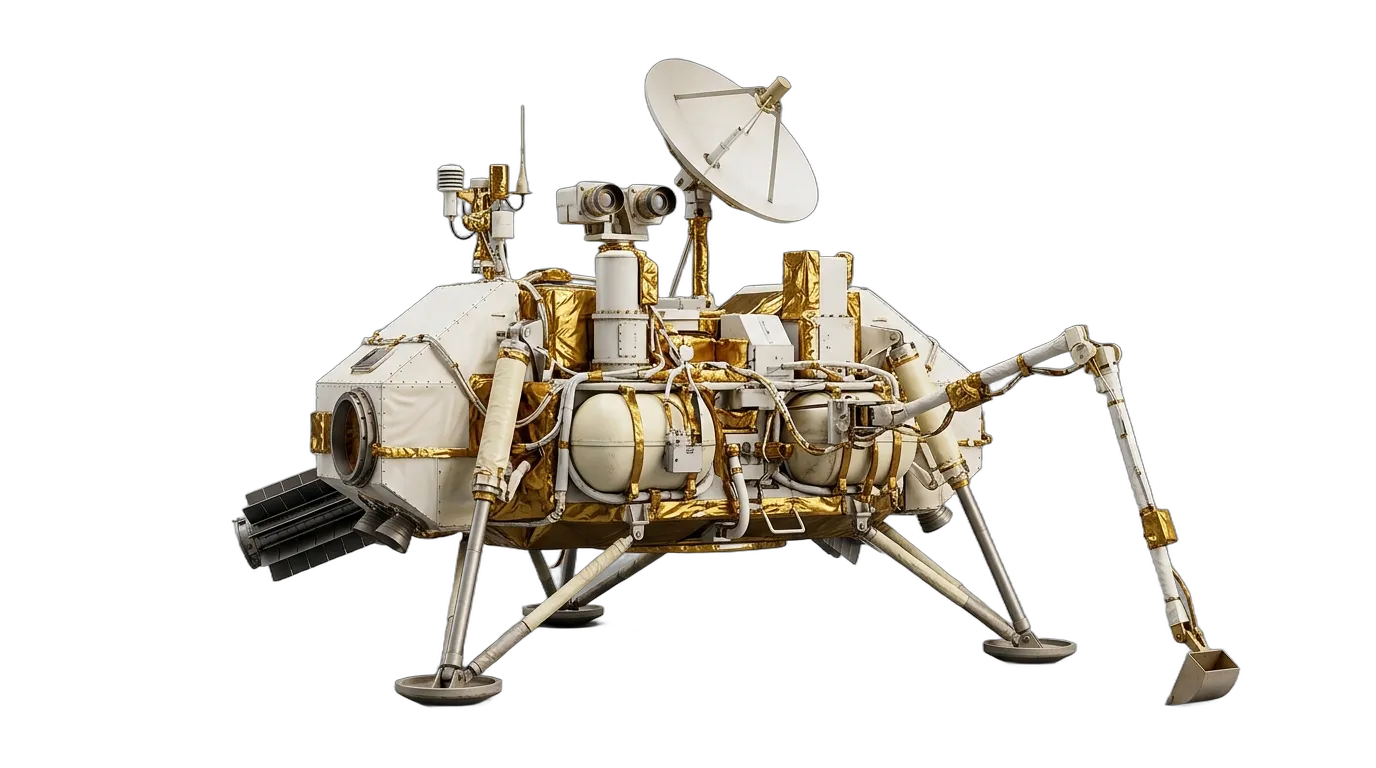
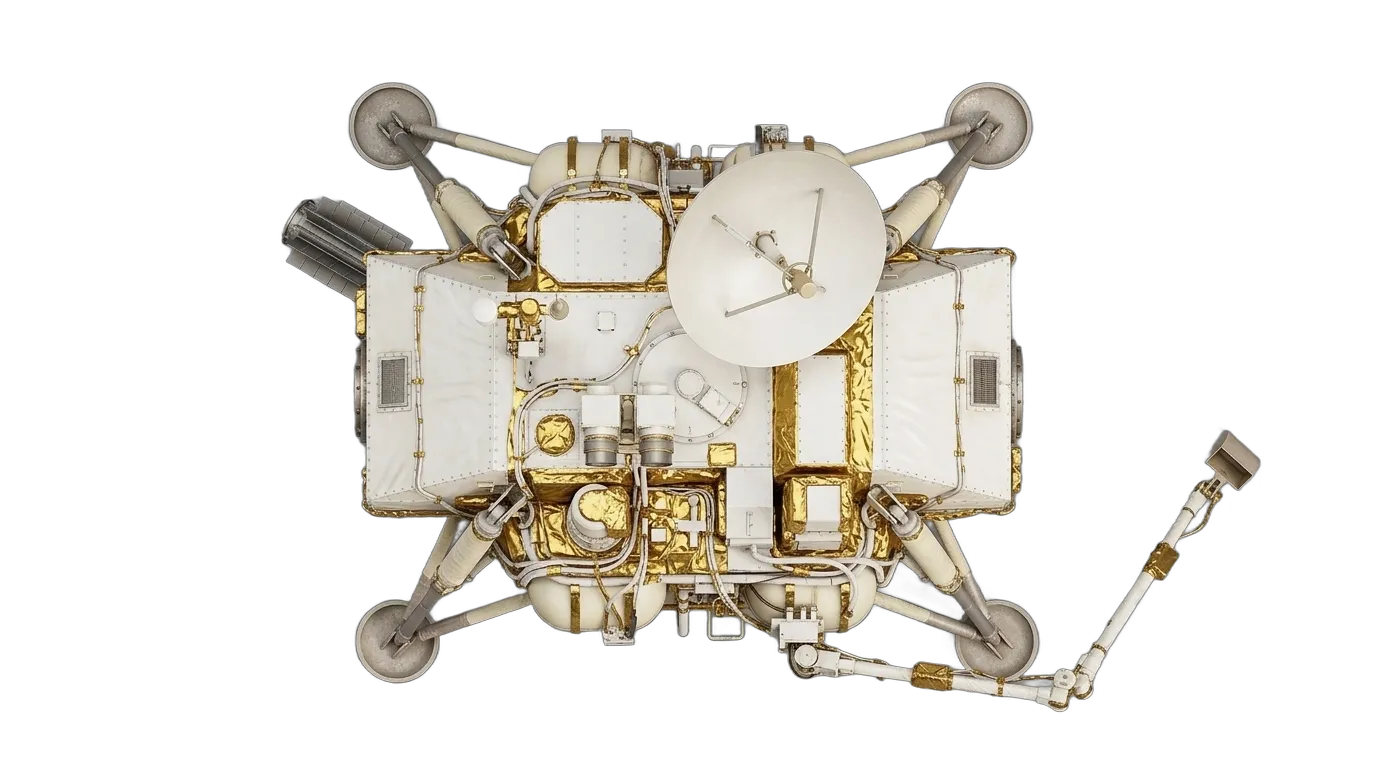
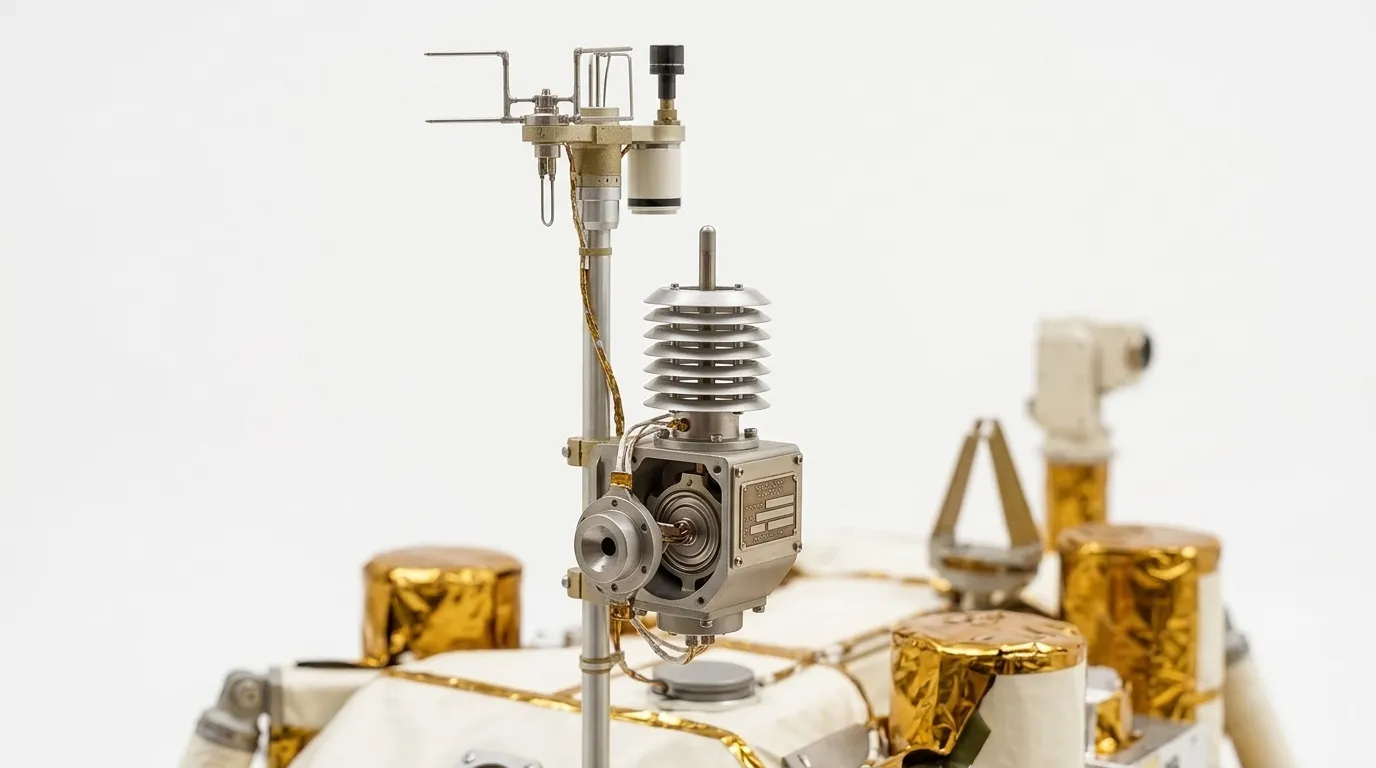
The first spacecraft to successfully land on Mars and return photographs from the surface. Viking 1''s lander operated for over six years on Mars, and its biology experiments -- designed to detect life -- produced results that scientists debated for decades.
History
Viking 1 was one of the most ambitious planetary missions ever attempted. Each Viking spacecraft consisted of an orbiter and a lander, launched together and traveling to Mars as a single unit. Viking 1 entered Mars orbit on June 19, 1976, and spent weeks photographing the surface to identify a safe landing site.
The Viking 1 lander touched down on Chryse Planitia on July 20, 1976, the seventh anniversary of the Apollo 11 Moon landing. Its first photograph from the surface of Mars was a simple image of the lander''s own footpad and the surrounding soil, but it was electrifying: humanity was seeing the surface of another planet through the eyes of a robot for the first time.
Viking''s biology experiments were designed to detect metabolic activity in Martian soil. The results were tantalizing but ambiguous -- one experiment (the Labeled Release experiment) produced results consistent with biological activity, but the others did not, and most scientists attributed the results to reactive soil chemistry rather than life. The debate continues.
The Viking 1 lander operated on Mars until November 1982, when a faulty command sequence accidentally overwrote the antenna pointing software, severing communication permanently. Its orbiter continued until 1980.
Timeline
Launch Heritage
- First successful Mars landing
- Mars surface photos
- Life detection experiments
Technical Specifications
Propulsion
Dimensions
Mass
Mission
Power & Systems
Source: NASA NSSDC
Tags
Designed by NASA/JPL / Martin Marietta
Featured in Collections
References & Sources


Keep Exploring
View all vehicles
Douglas/Boeing
Delta II
1989 - 2018 · Launch Vehicle
NASA/JPL
Voyager 1
1977 · Interplanetary Probe
McDonnell
Mercury Capsule
1961 - 1963 · Crewed Spacecraft
Rockwell/Boeing
Space Shuttle
1981 - 2011 · Space Shuttle
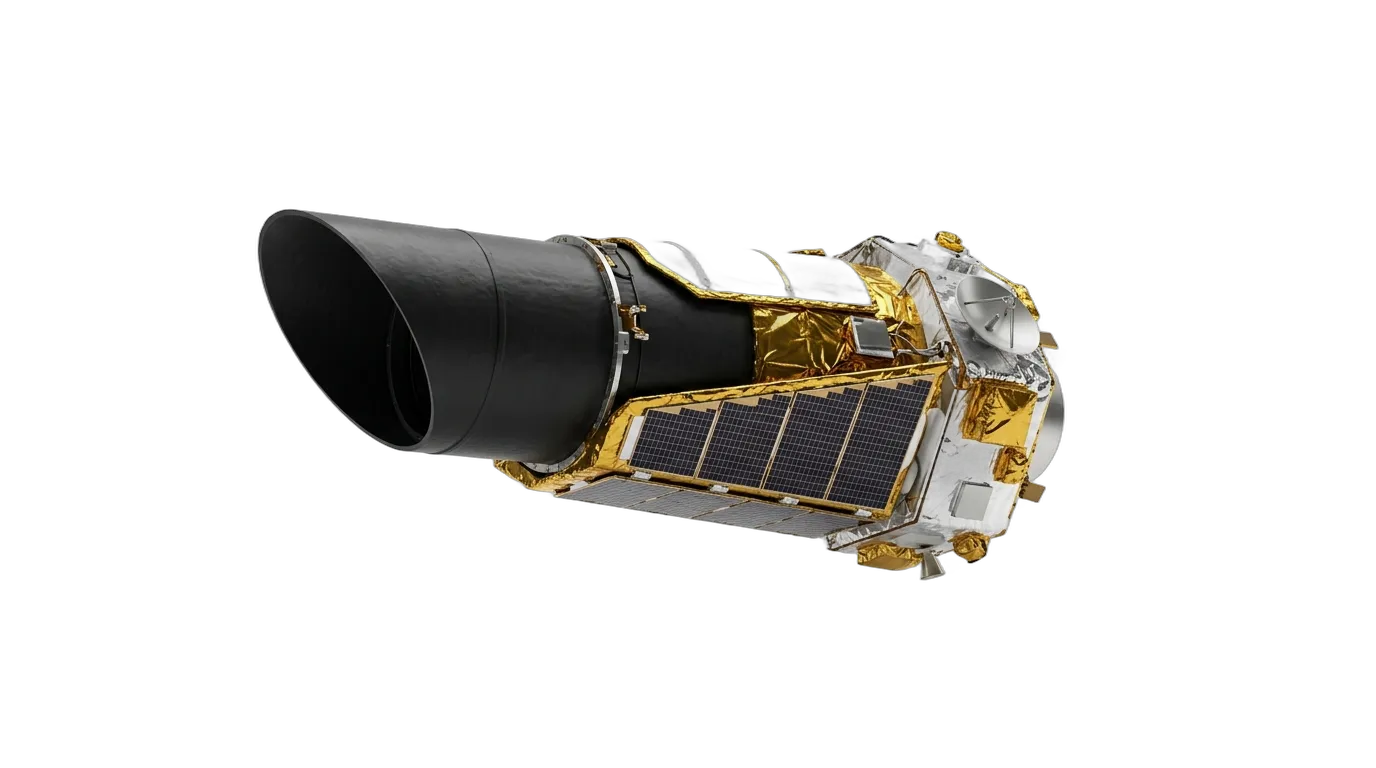
NASA
Kepler Space Telescope
2009 - 2018 · Satellite
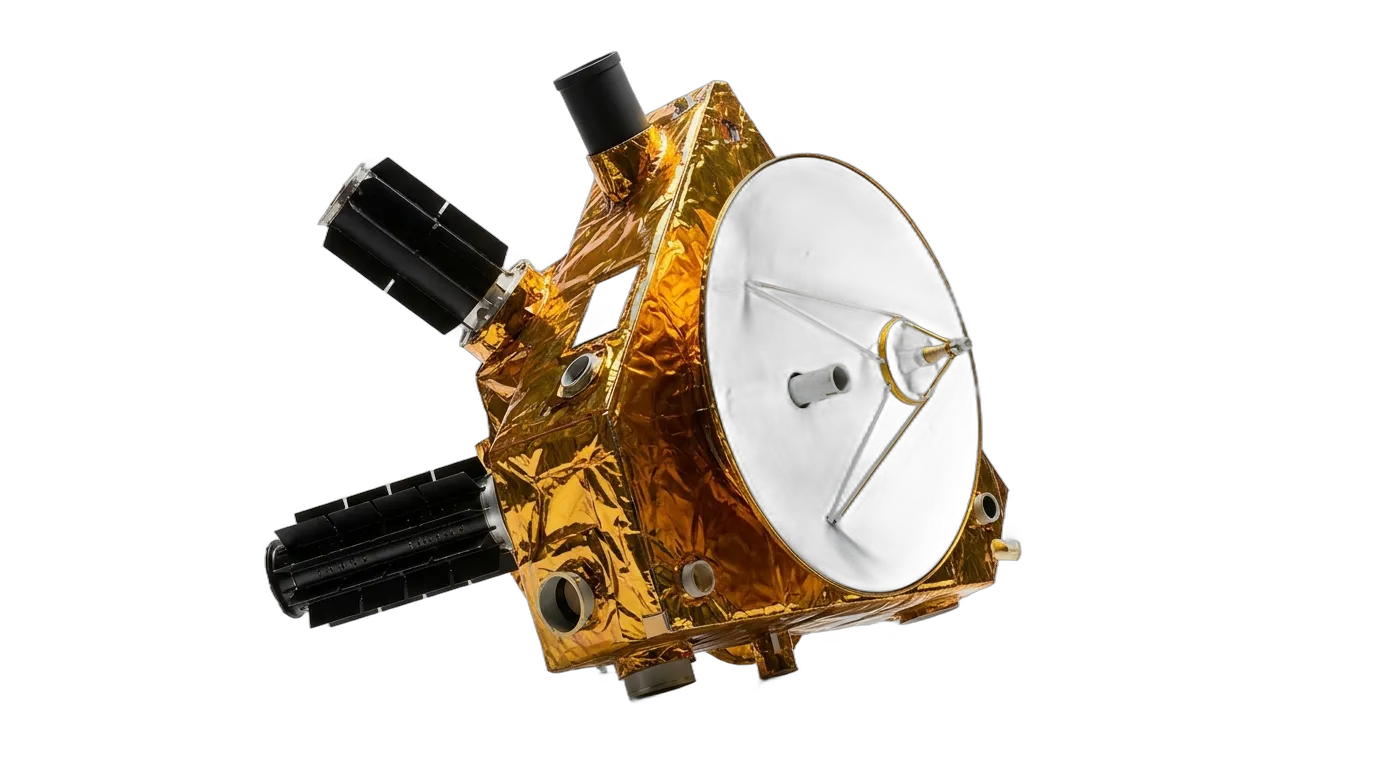
NASA/APL
New Horizons
2006 · Interplanetary Probe