Cold War Rockets
ICBMs turned space launchers. The missiles of mutually assured destruction repurposed to reach the stars.
6 vehicles
The Space Age was born from the Cold War. Every early rocket that reached orbit was derived from a ballistic missile designed to deliver nuclear warheads. The R-7 that launched Sputnik could also reach New York. The Atlas that orbited John Glenn was built to carry a thermonuclear weapon to Moscow. The instruments of annihilation became the instruments of exploration -- the most consequential swords-to-plowshares conversion in history.
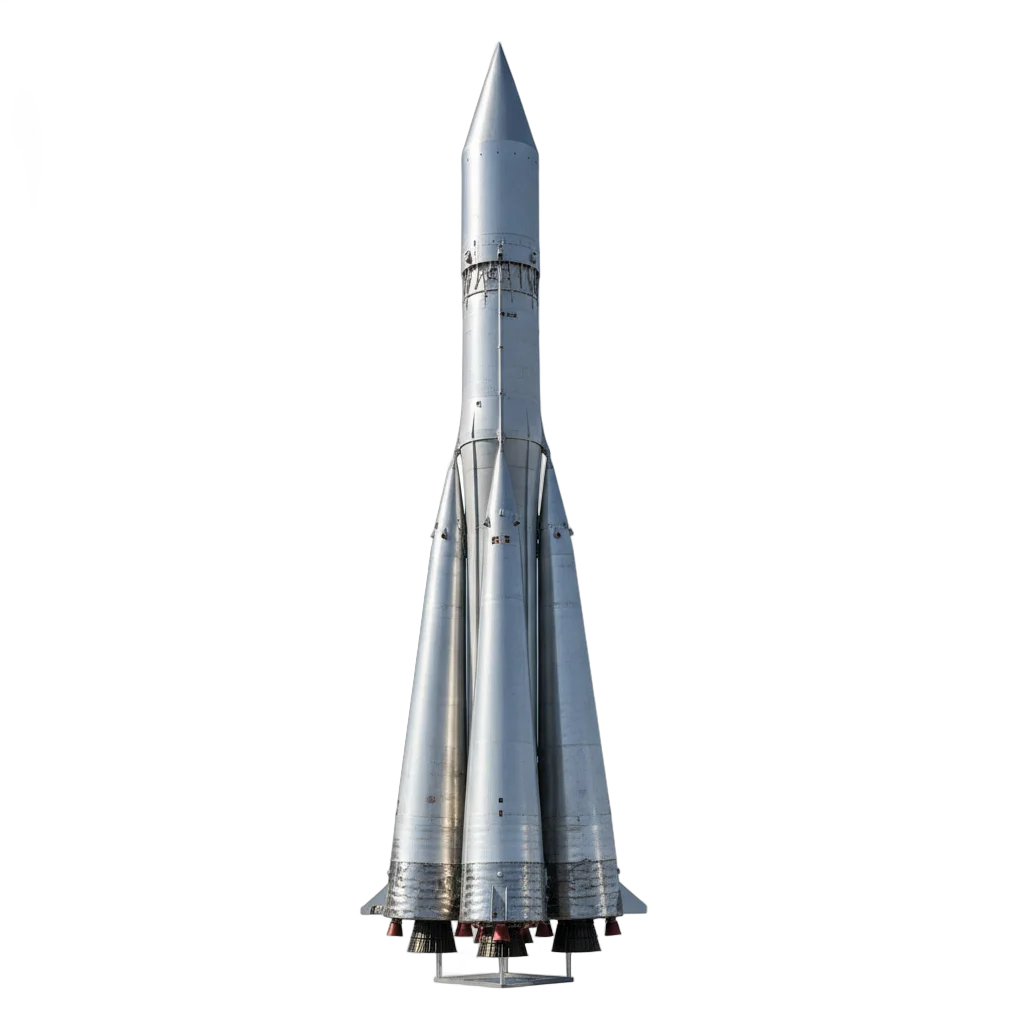
Korolev's R-7
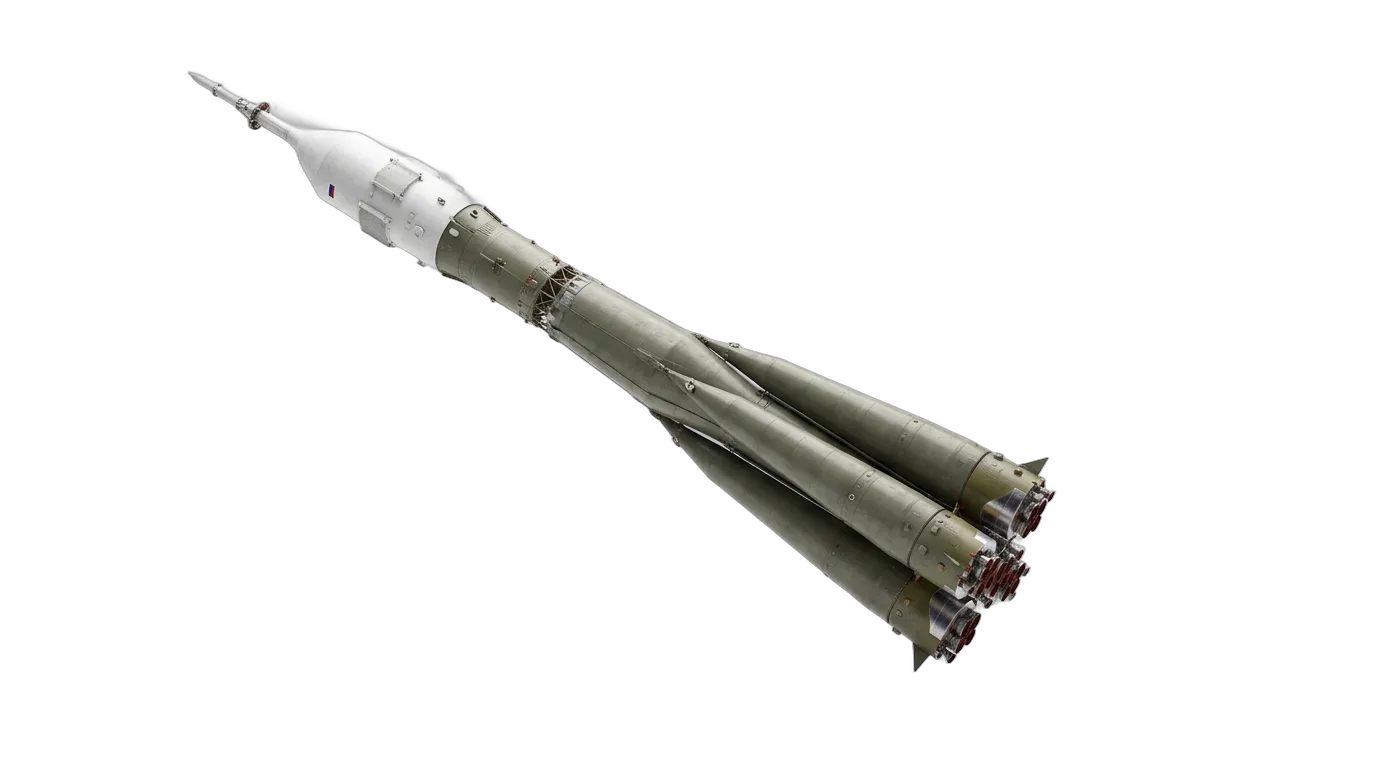
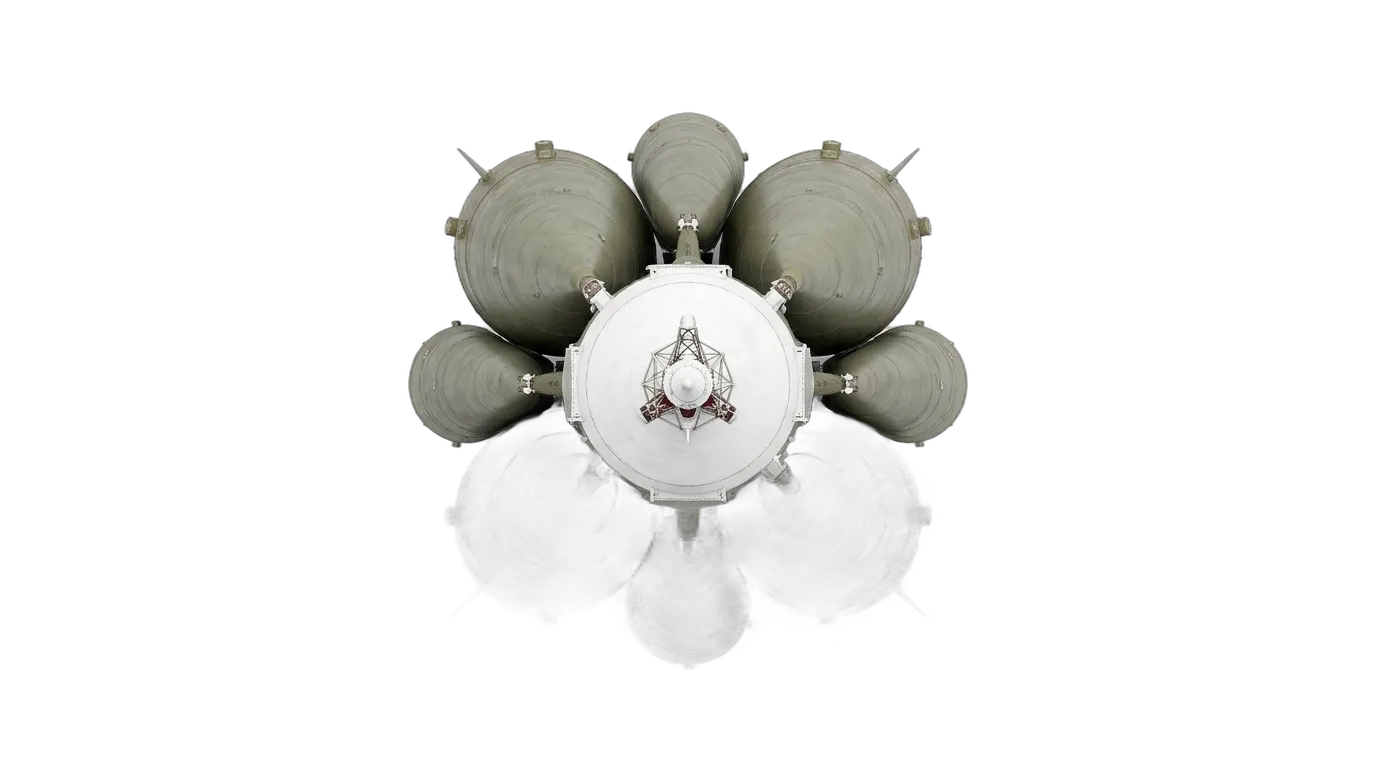
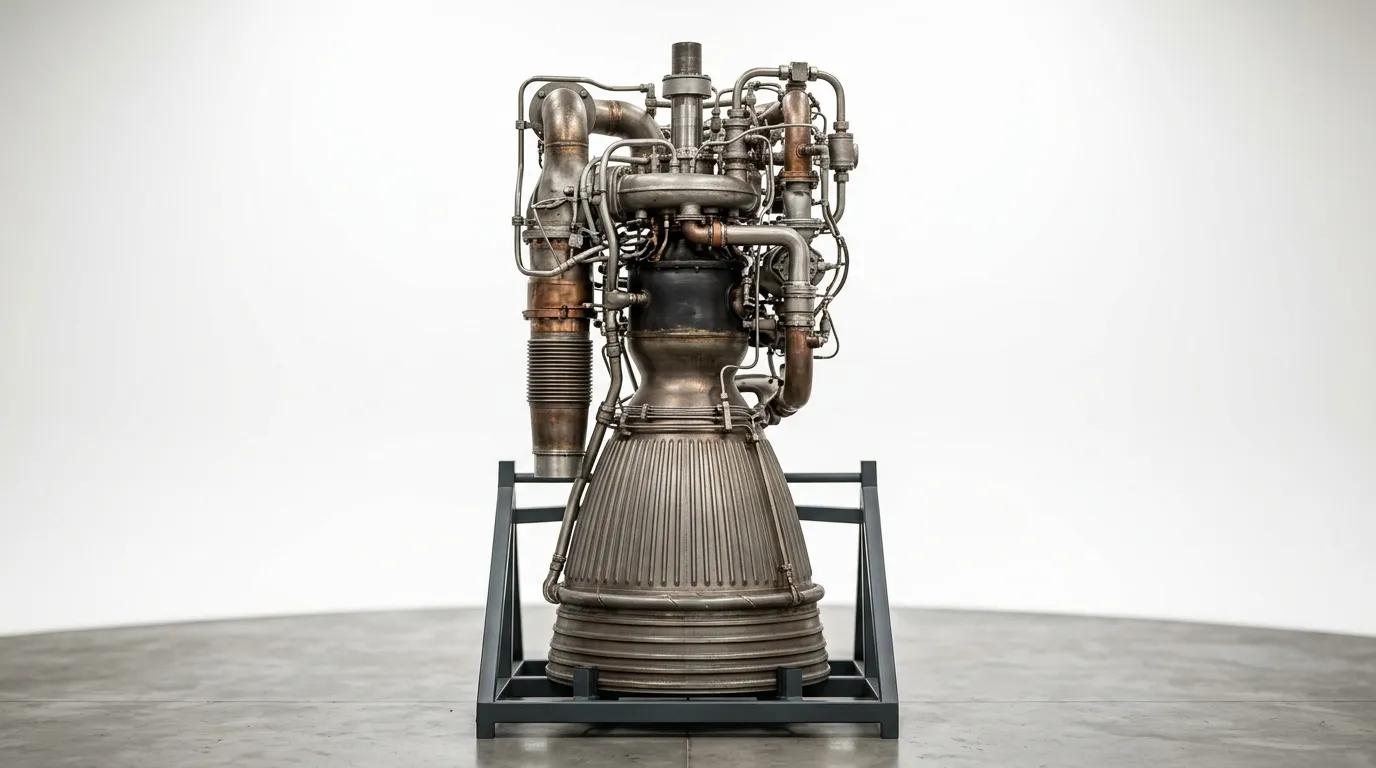
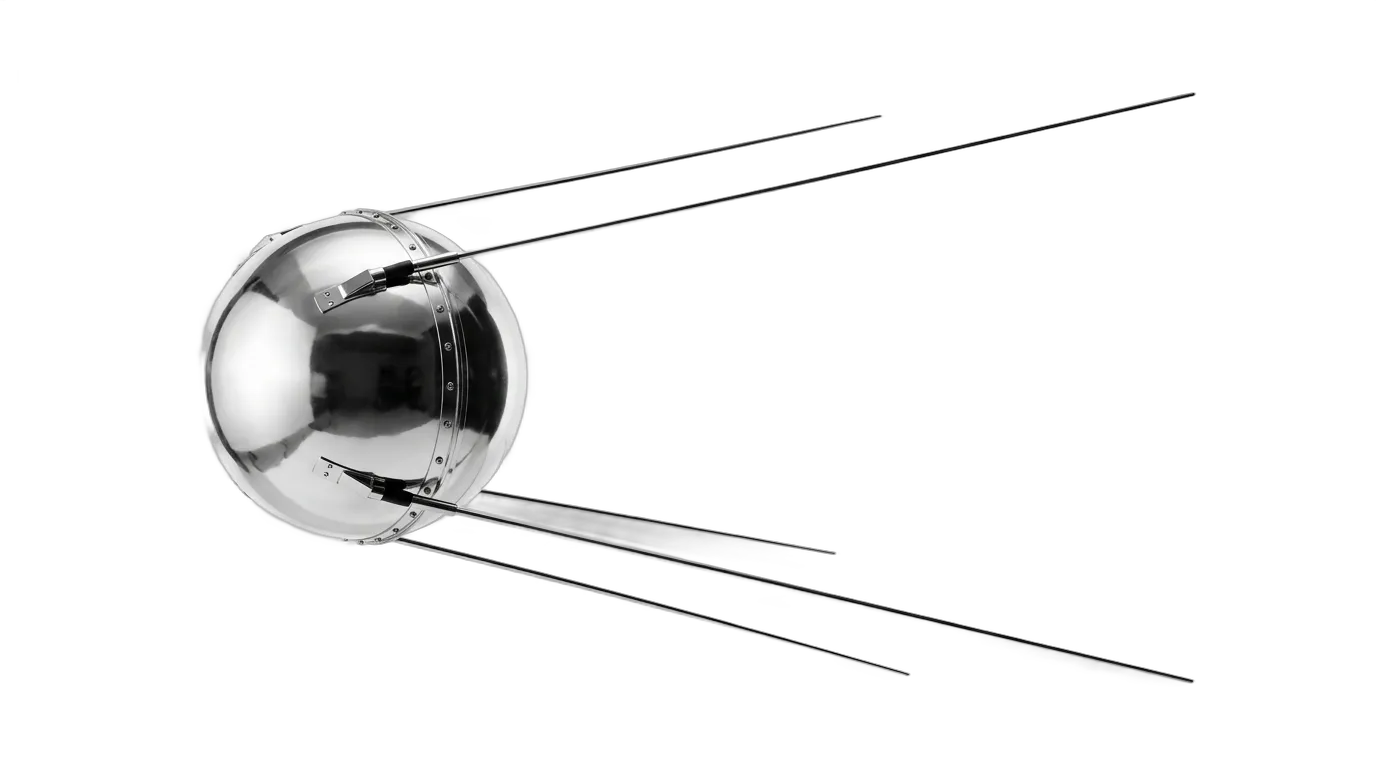
Sergei Korolev's R-7 was the world's first intercontinental ballistic missile and the rocket that launched Sputnik, Laika, and Yuri Gagarin. Its basic design, with four strap-on boosters clustered around a central core, is still flying today as the Soyuz launch vehicle -- the most frequently launched rocket family in history. Korolev built the R-7 to threaten the West; it ended up opening space for all of humanity.
American Arsenals
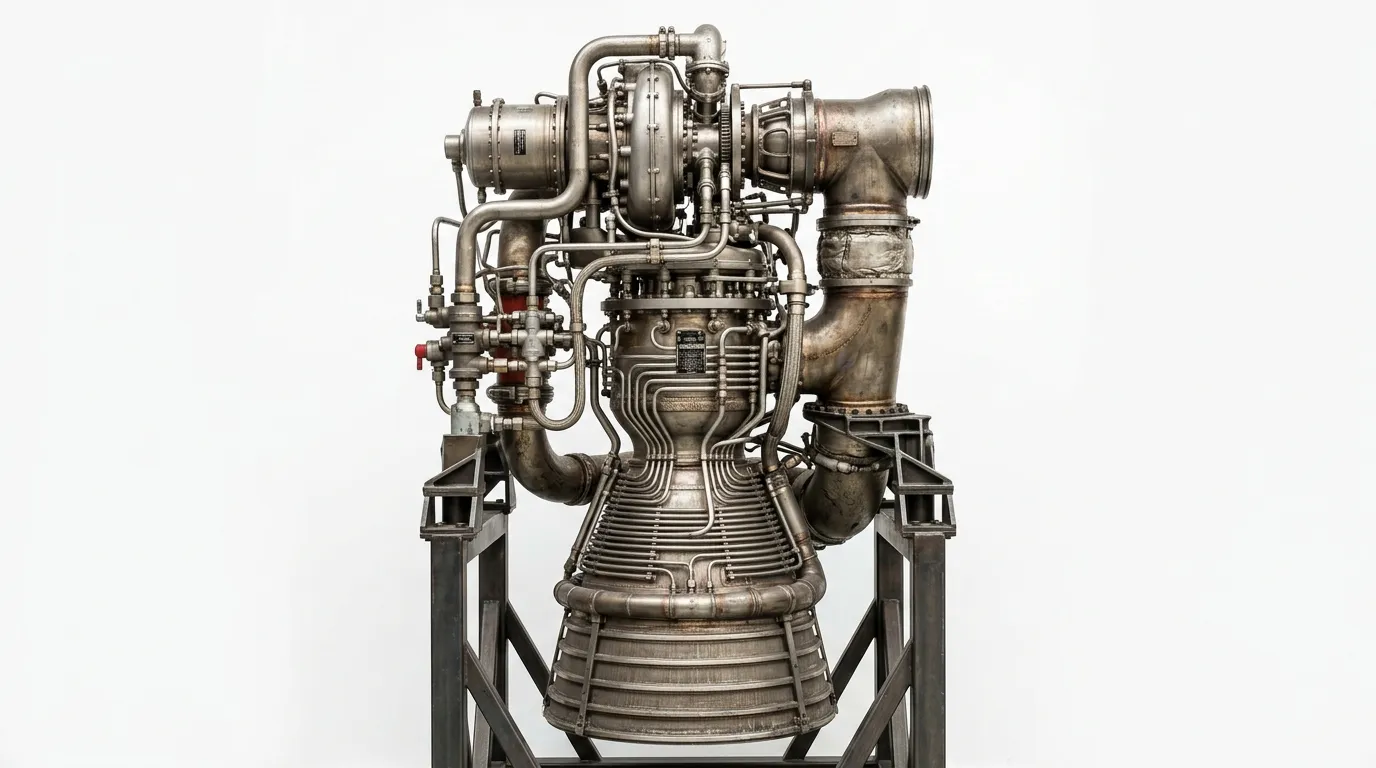
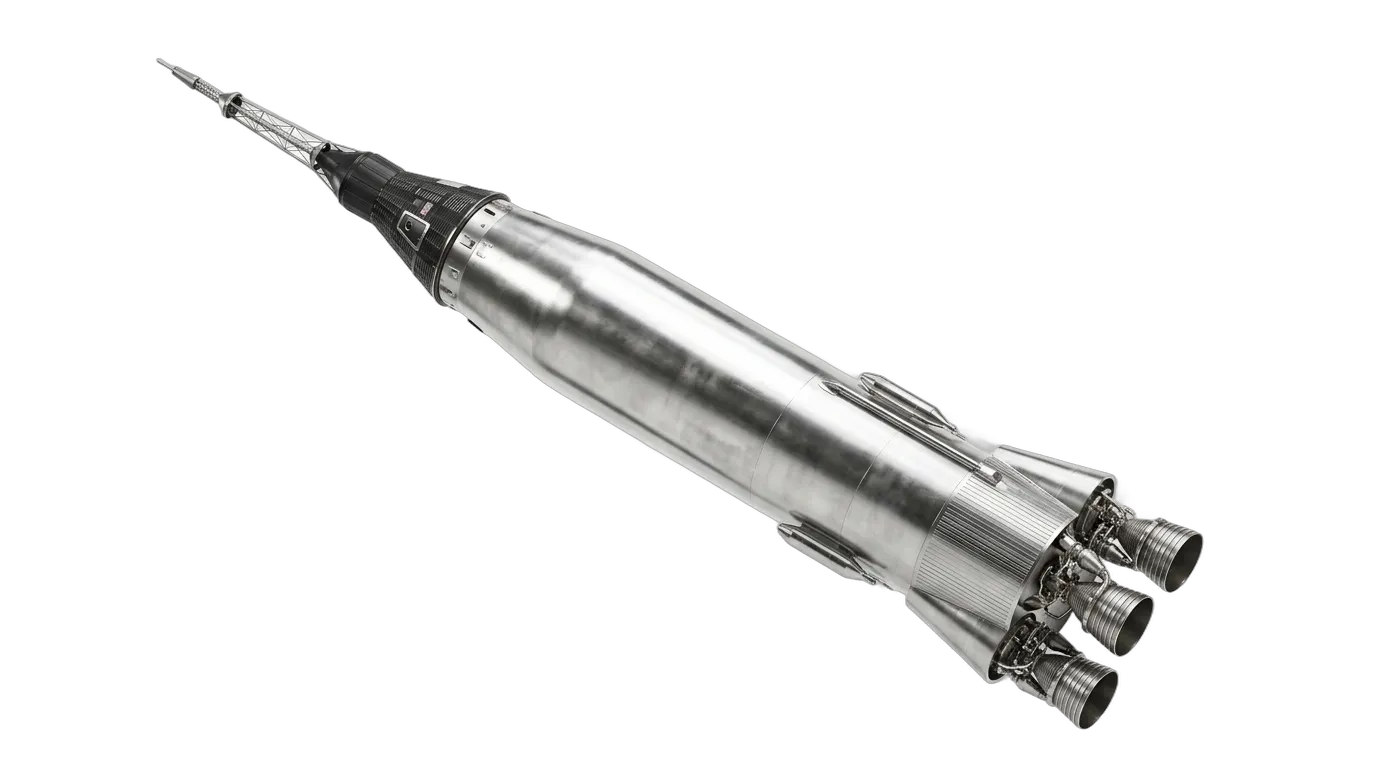
The Atlas ICBM became the launcher for Mercury orbital flights. The Titan II, designed to deliver a 9-megaton warhead, launched all Gemini missions. The Thor intermediate-range missile evolved into the Delta family, which has flown over 400 missions. America's entire early space program was built on hardware designed for nuclear war.
From Destruction to Discovery
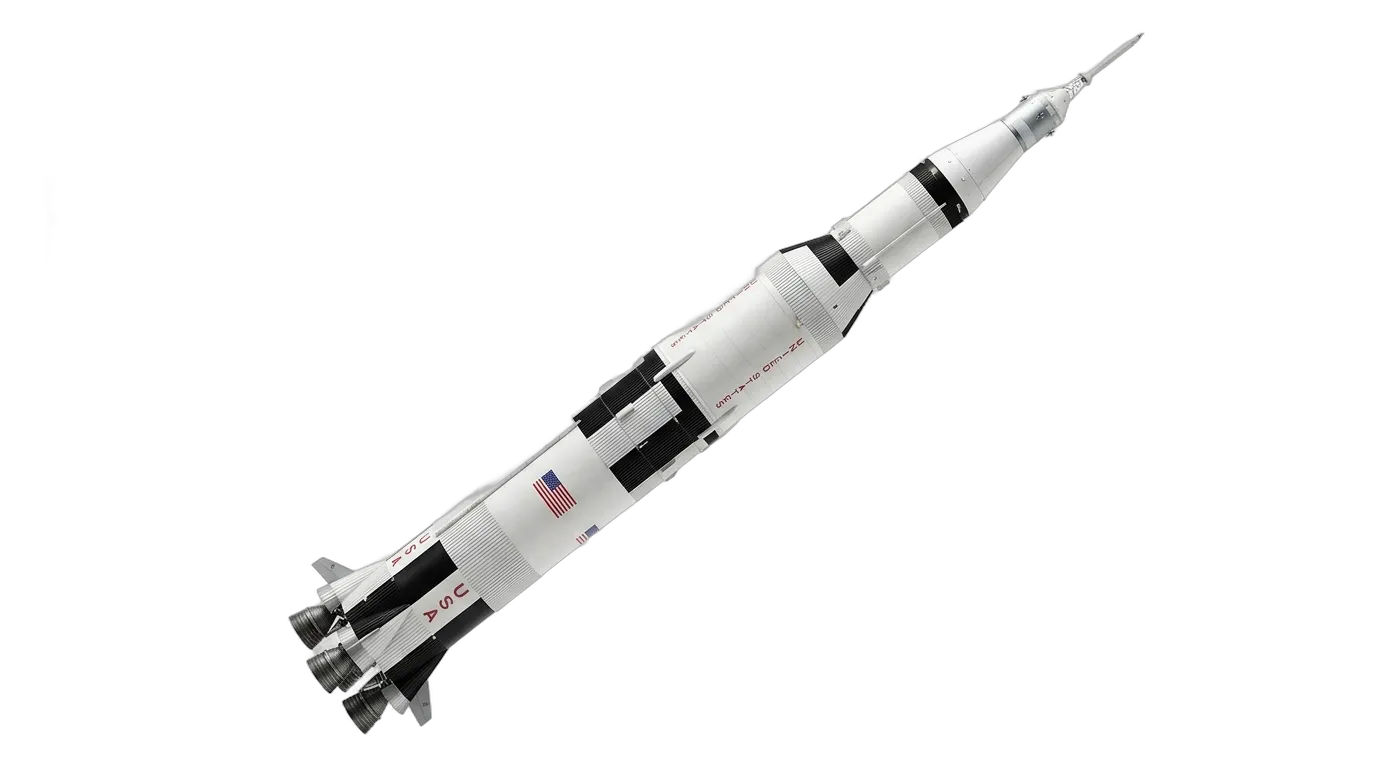
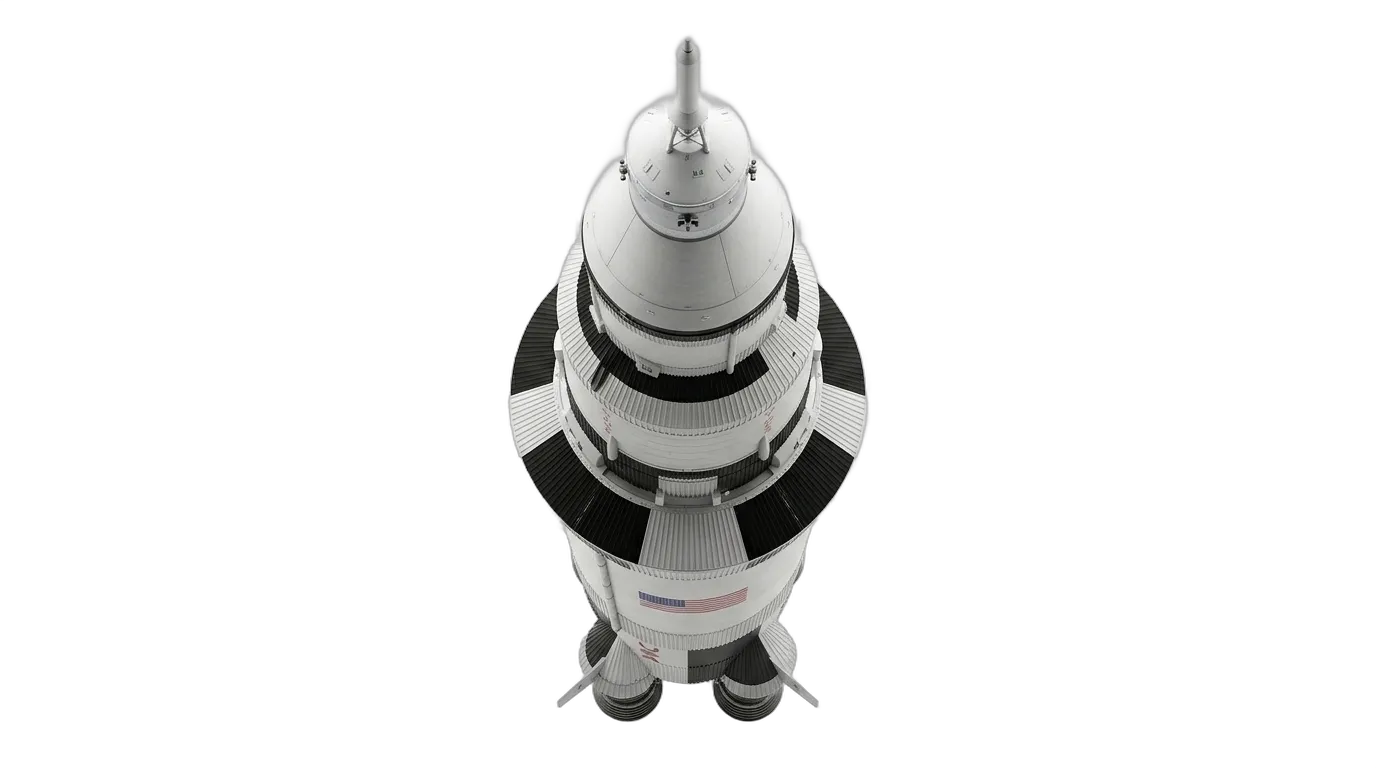
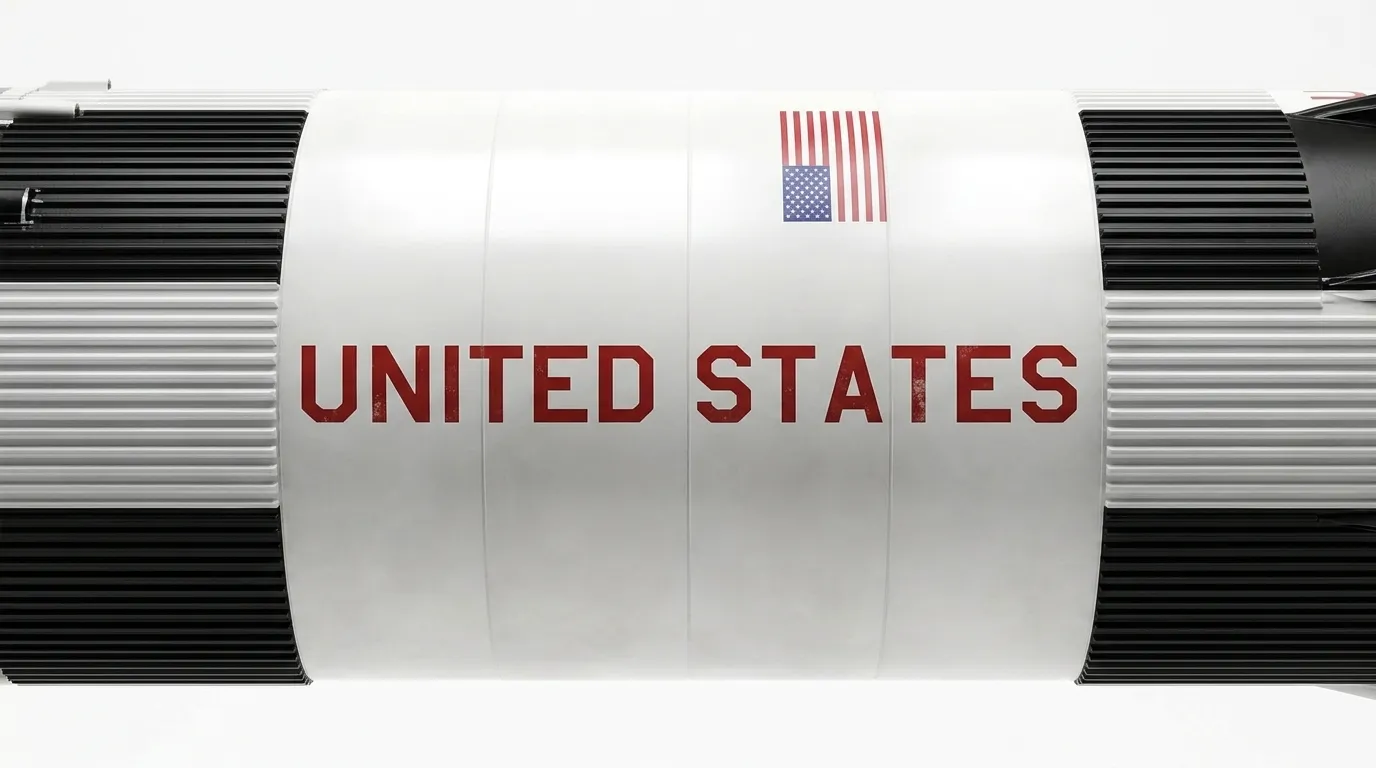
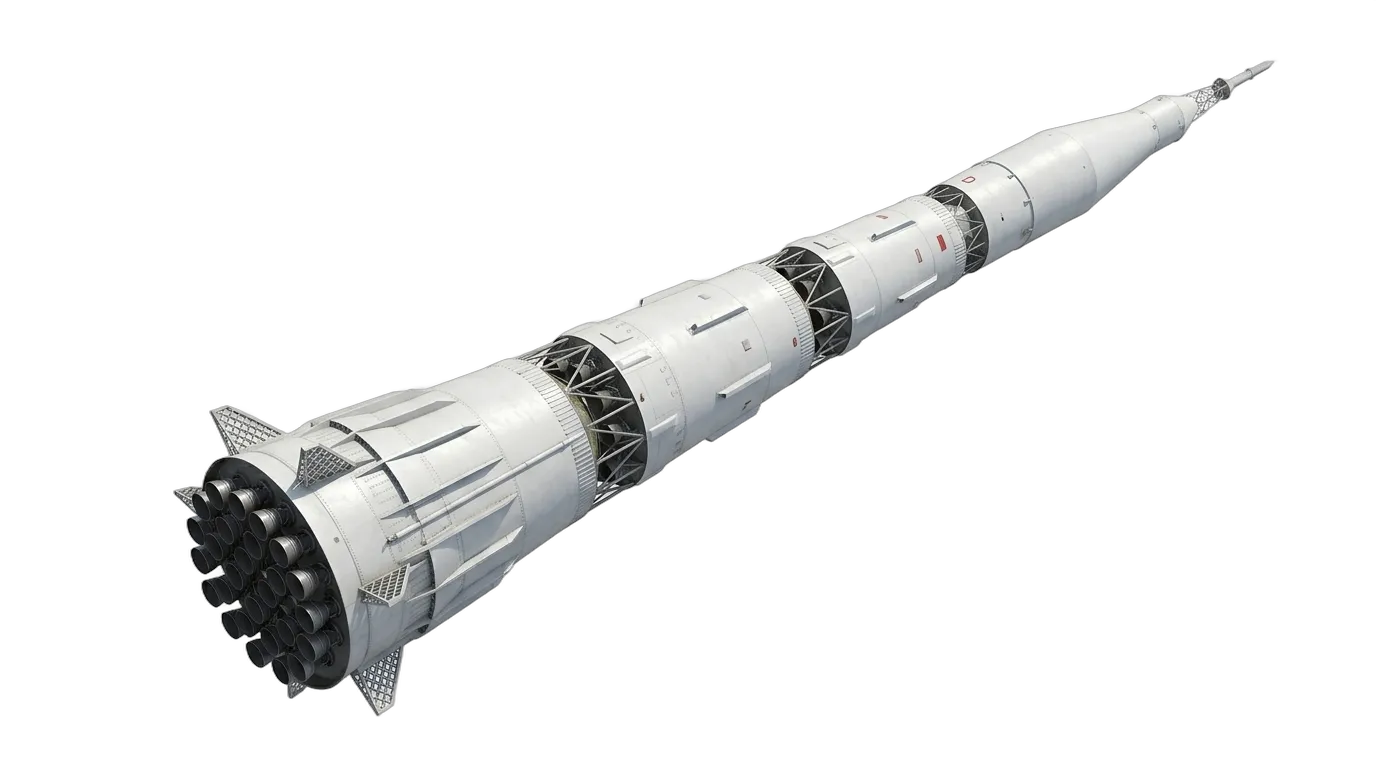
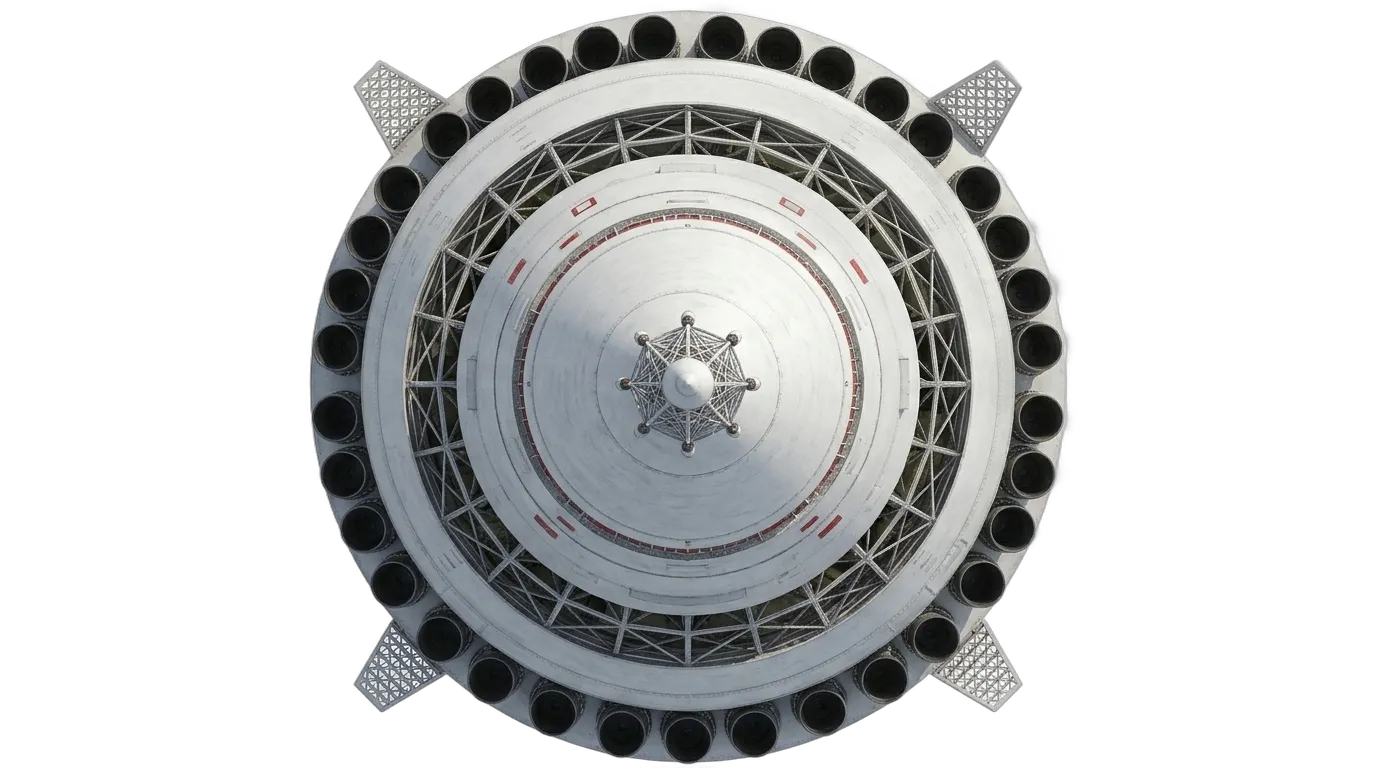
By the late 1960s, purpose-built space launch vehicles began replacing converted missiles. The Saturn family was designed exclusively for space exploration, as was the Soviet N1. But the missile heritage lived on: the Delta, Atlas, and Soyuz families all trace their lineage directly to Cold War ICBMs. The engines, guidance systems, and staging concepts that carry satellites to orbit today were all proven first on weapons of mass destruction.
The Cold War's contribution to space exploration is deeply paradoxical. The threat of nuclear annihilation funded the development of rockets powerful enough to reach orbit. The competition between superpowers drove a pace of innovation that peacetime budgets could never have sustained. The missiles that could have ended civilization instead opened the cosmos. Whether that redemption outweighs the original sin of their creation is a question history has not yet settled.