The Reusable Revolution
Vehicles designed to fly again. From the Shuttle to Falcon 9, the economics of space changed forever.
19 vehicles
For five decades, every rocket that launched to orbit was thrown away. The Space Shuttle attempted partial reusability but ended up costing more per launch than expendable rockets. SpaceX's Falcon 9 finally proved that landing and reflying orbital boosters was not only possible but economically transformative. The reusable revolution is the most significant change in space economics since the invention of the rocket itself.
The Shuttle Experiment
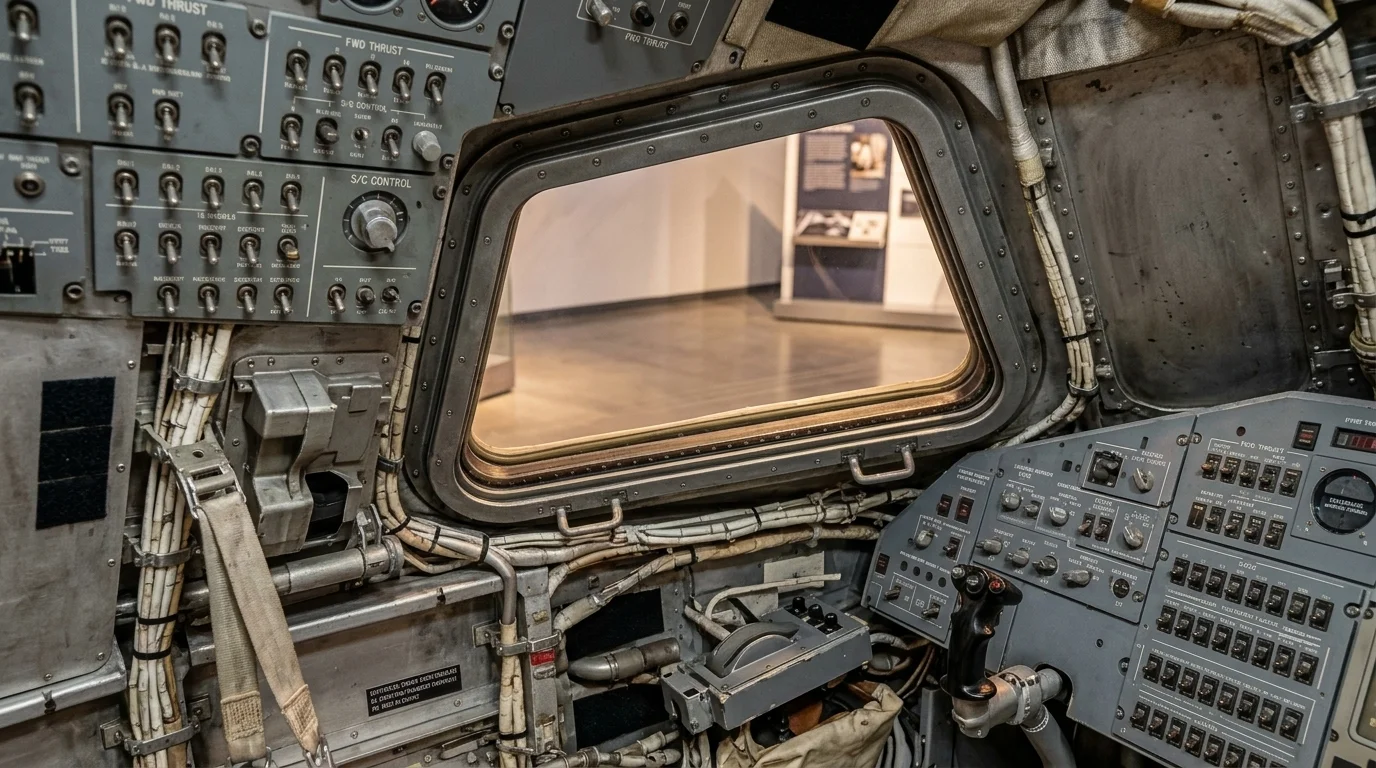
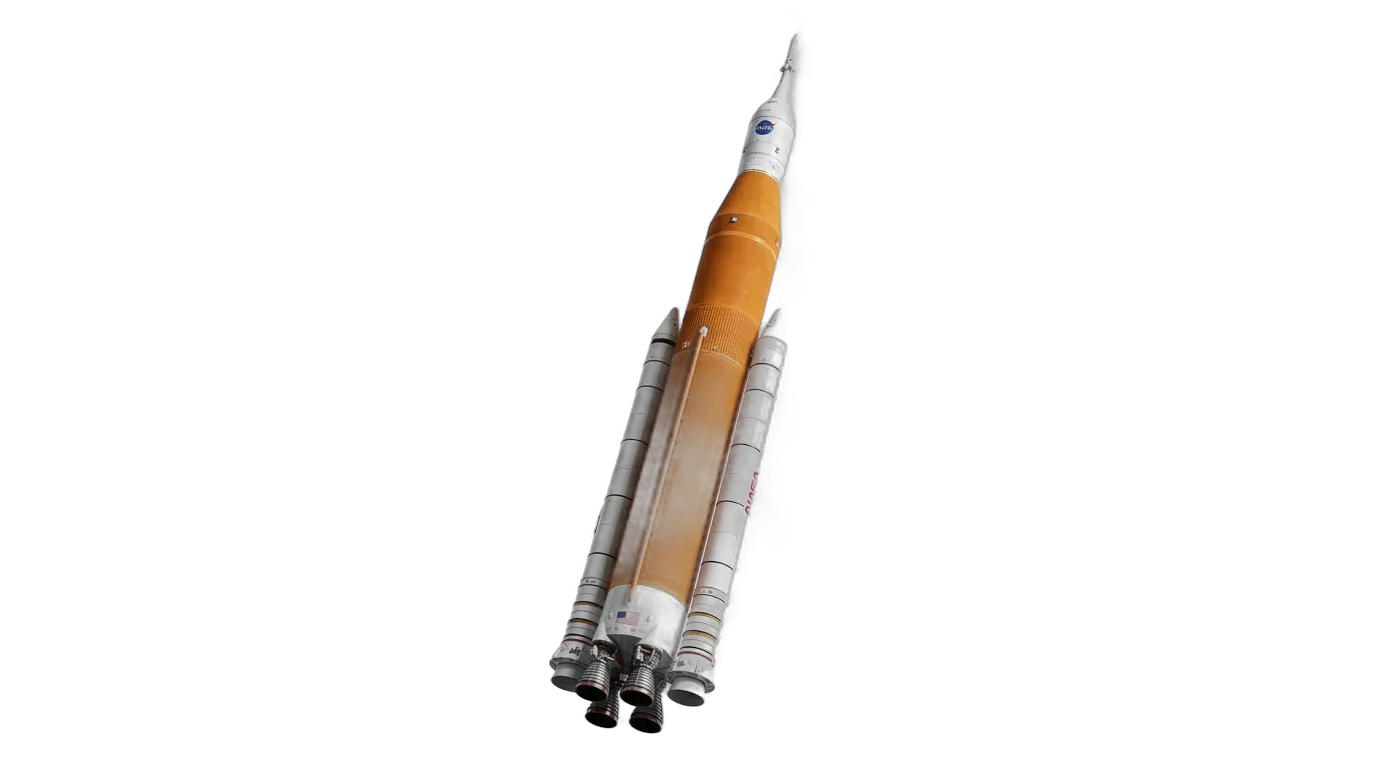
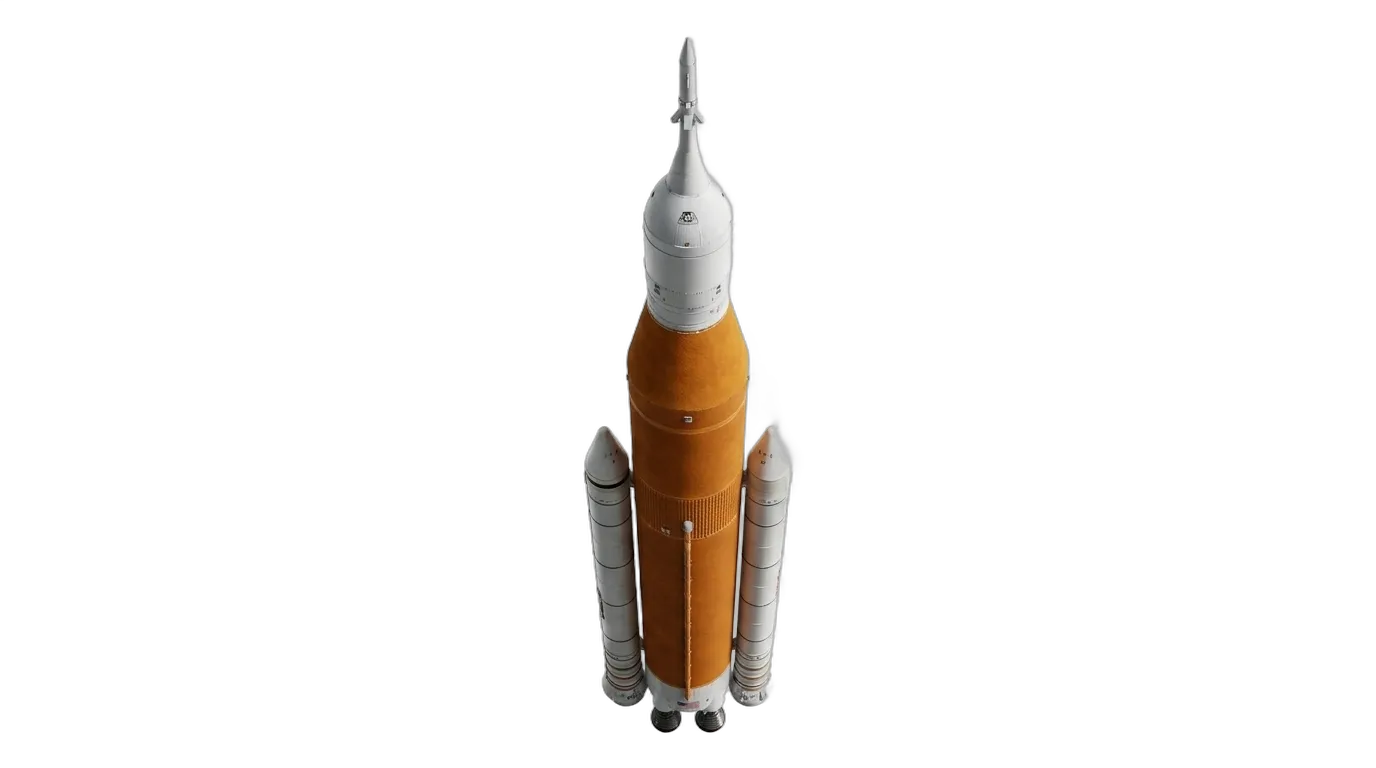
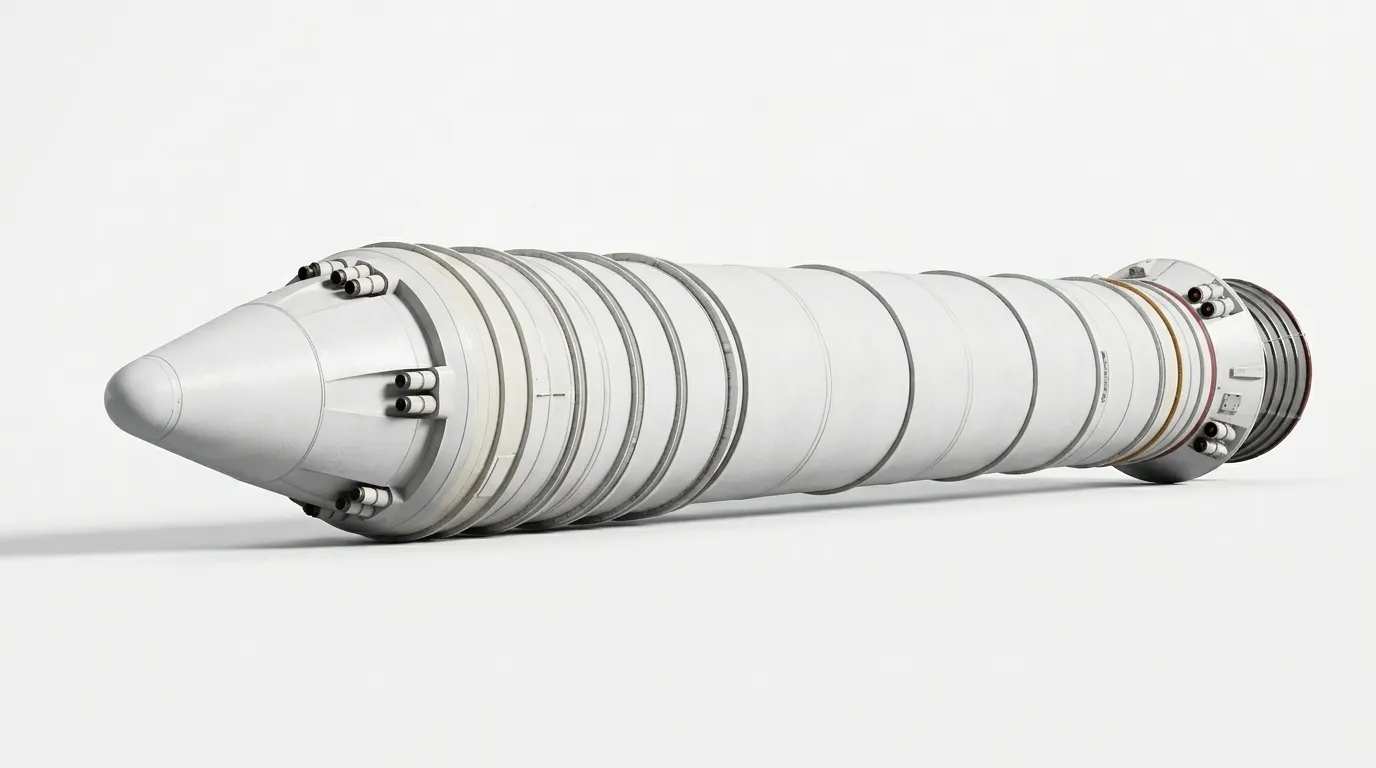
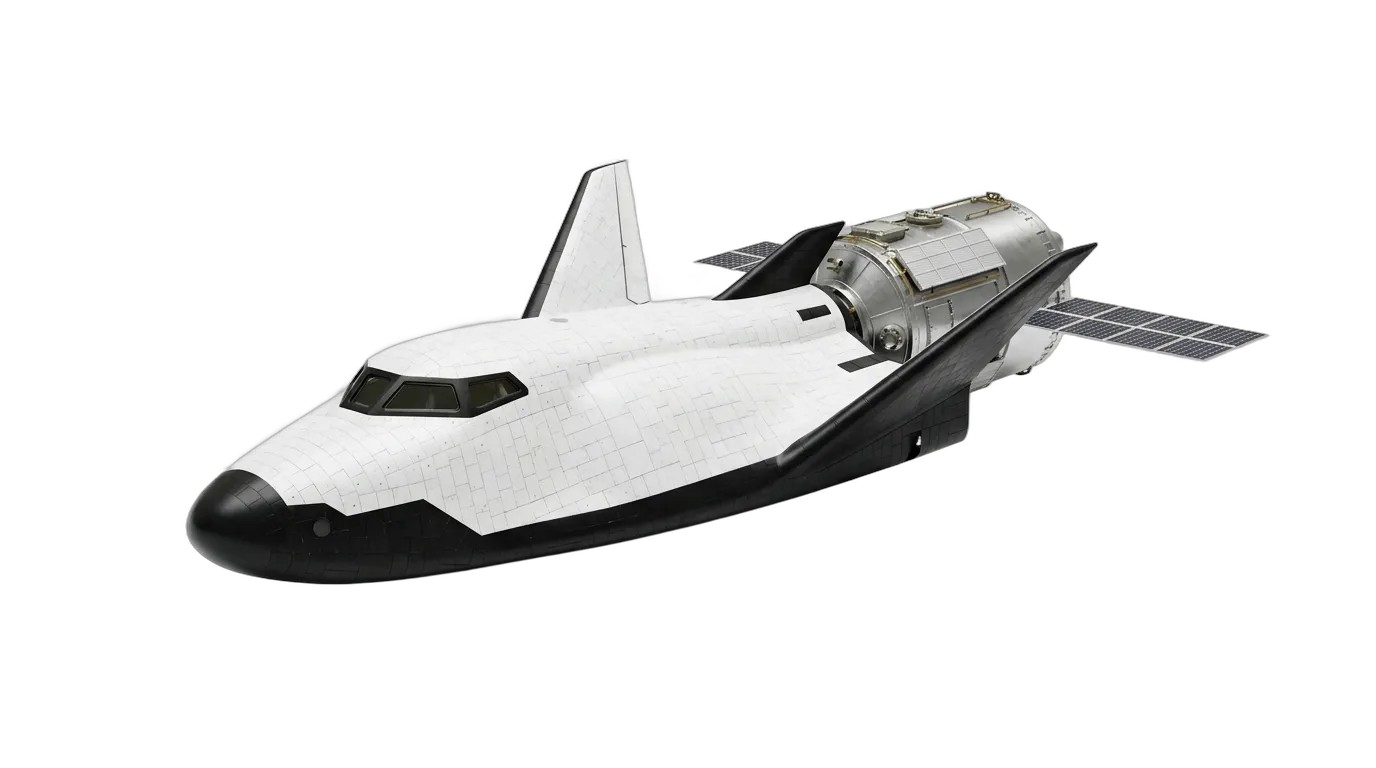
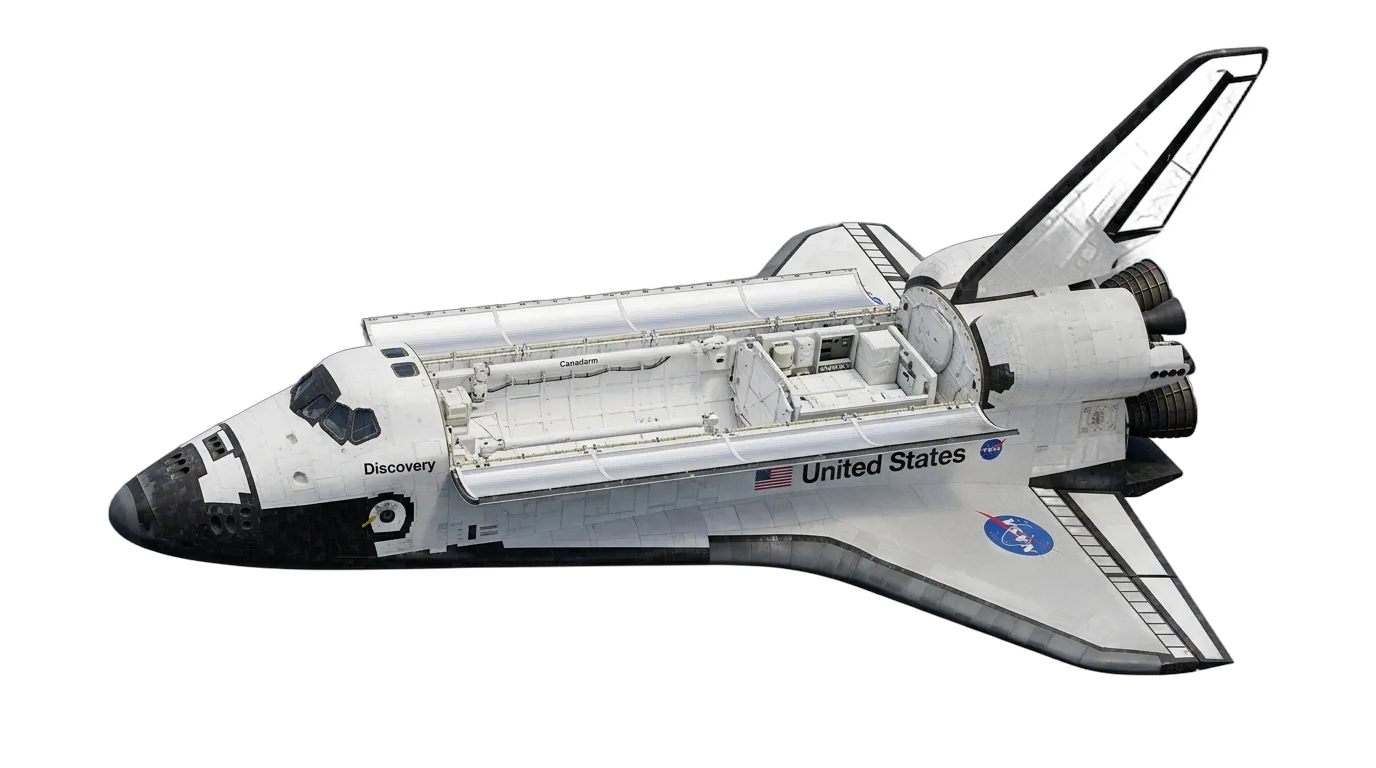
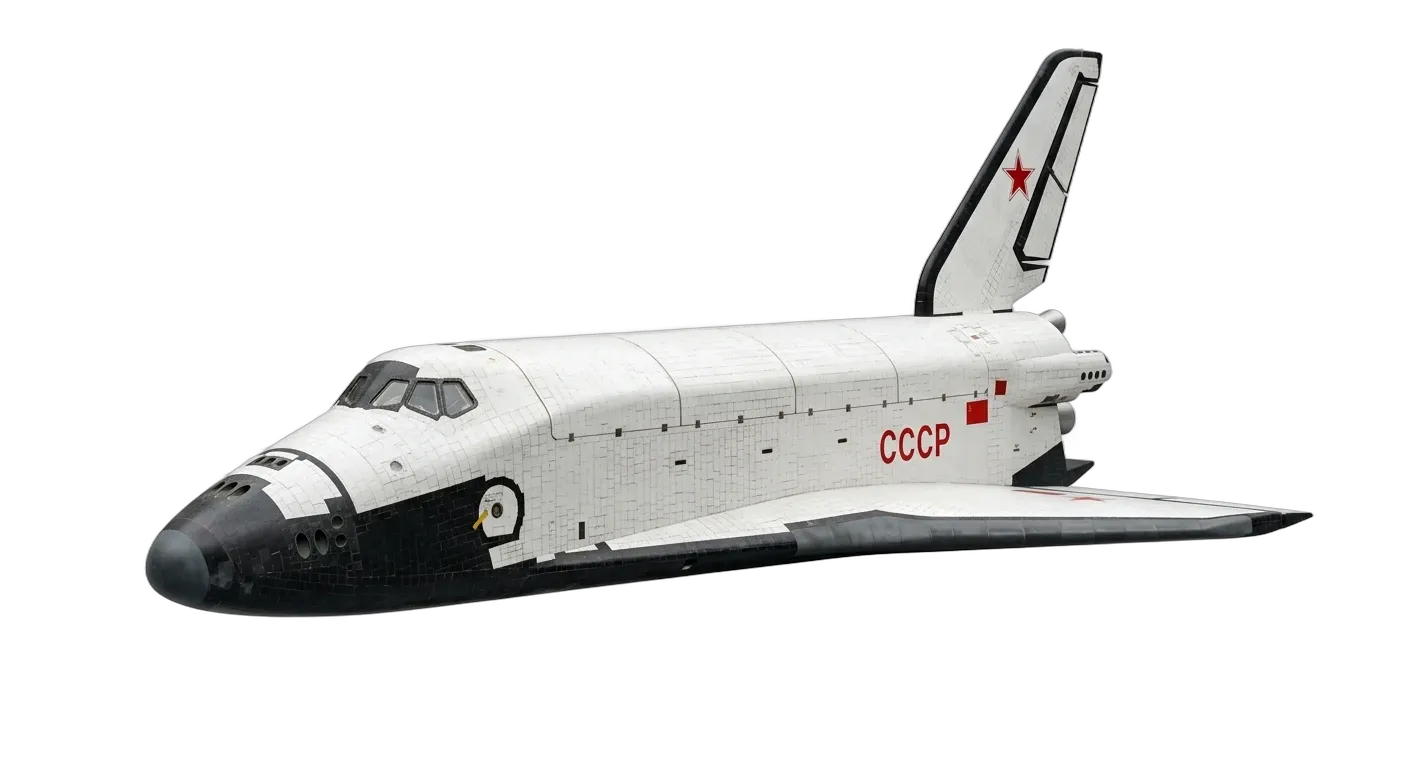
The Space Shuttle was the first reusable crewed spacecraft. Its orbiter flew 135 missions over 30 years. But 'reusable' proved expensive: each orbiter required months of refurbishment between flights, the solid rocket boosters needed rebuilding after ocean recovery, and the external tank was expendable. The Shuttle's per-launch cost of approximately $1.5 billion made it more expensive than the expendable rockets it was designed to replace.
Falcon 9: The Breakthrough
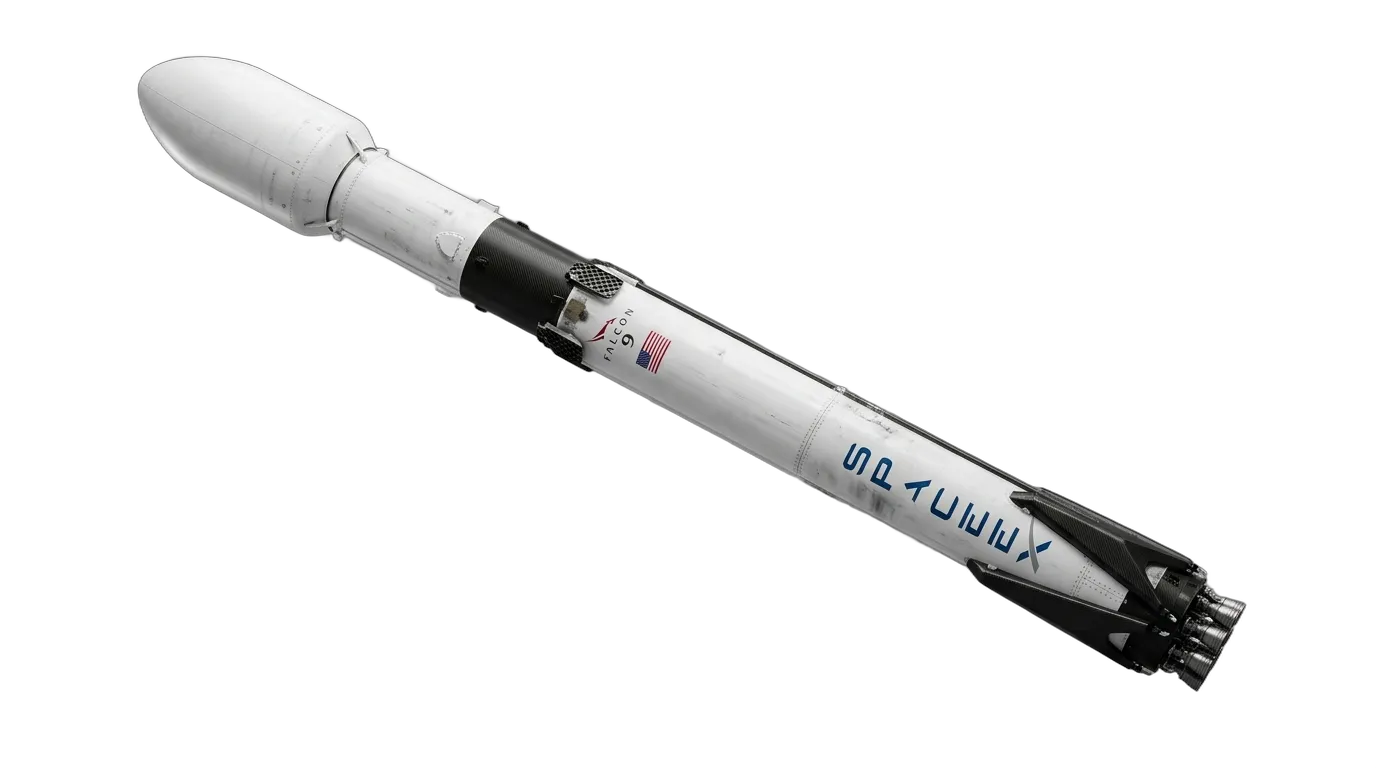
On December 21, 2015, a Falcon 9 first stage landed vertically at Cape Canaveral after delivering satellites to orbit. It was the first time an orbital-class booster had been recovered intact. SpaceX then proved that recovered boosters could fly again -- and again, and again. Individual boosters have now flown over 20 missions. The cost reduction was real and dramatic: Falcon 9 cut launch prices by a factor of five.
The Next Generation
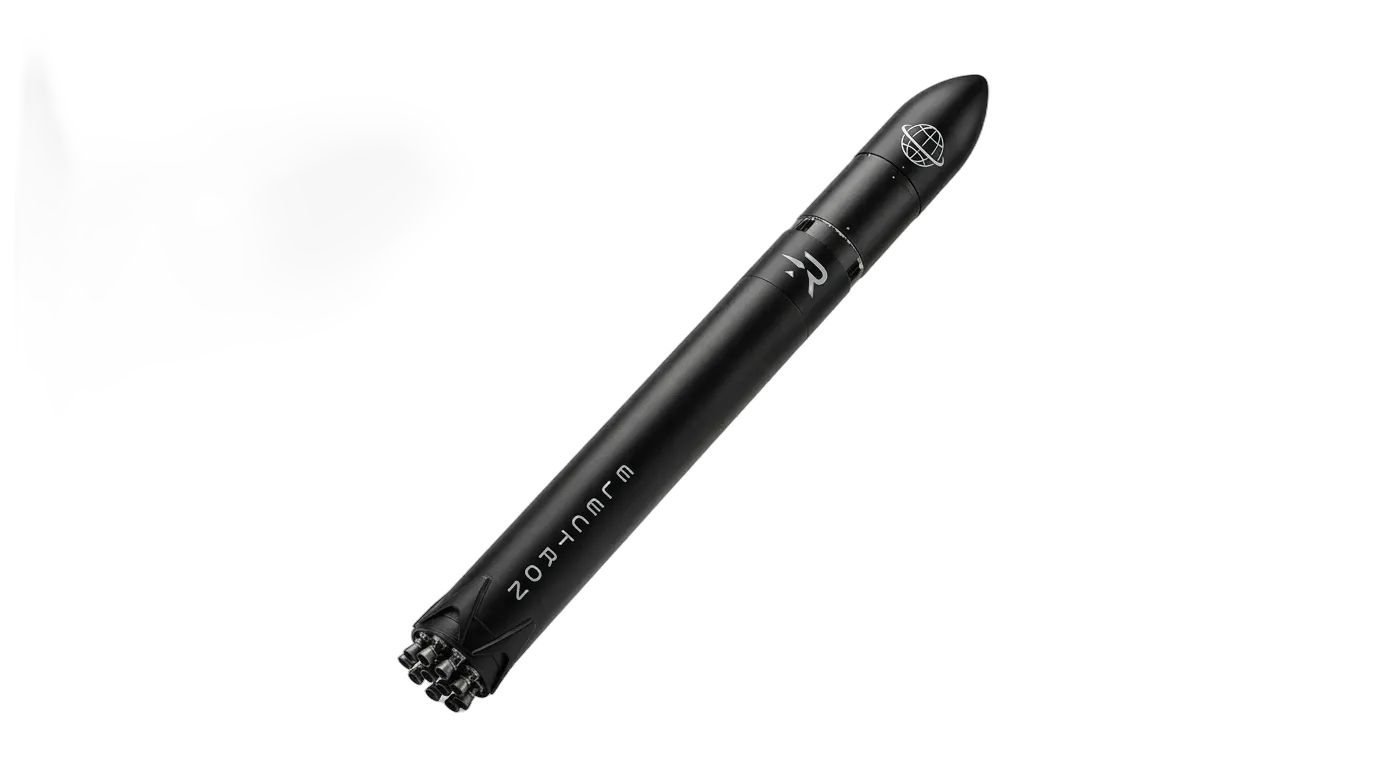
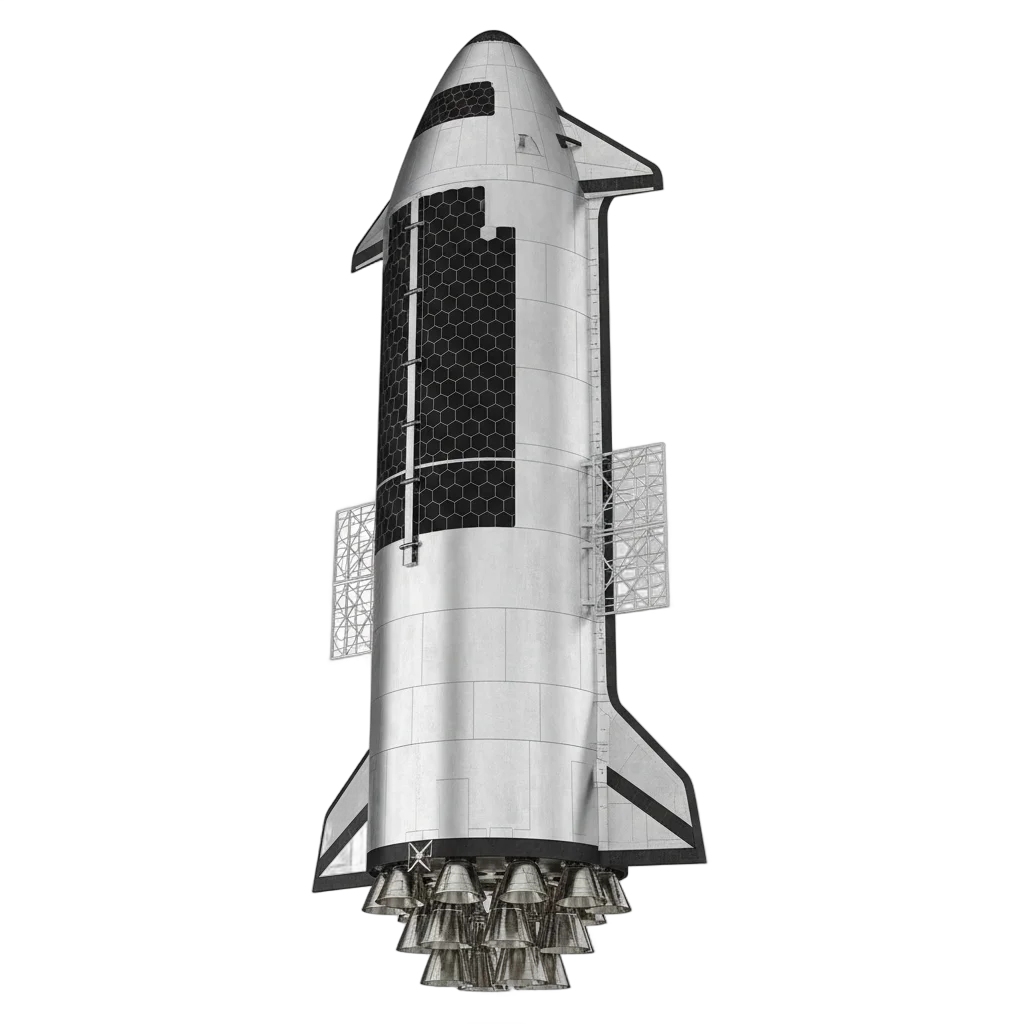
Starship aims for full reusability: both the Super Heavy booster and the Starship upper stage are designed for recovery and reuse. If successful, it will reduce the cost per kilogram to orbit by another order of magnitude. Blue Origin's New Glenn, Rocket Lab's Neutron, and others are pursuing their own reusability strategies. The question is no longer whether rockets should be reusable. It is how quickly the entire industry can transition.
Reusability changes the economics of space the way reusable aircraft changed the economics of air travel. An airplane that flew once and was discarded would make tickets unaffordable. For decades, that was exactly how rockets worked. Falcon 9 proved the alternative was possible. Starship intends to prove it can be routine. When rockets fly like aircraft, the cost of reaching orbit drops to the point where space becomes accessible to everyone.