The Workhorses
The most-launched vehicles in history. Reliable, proven, and responsible for thousands of missions.
2 vehicles
Reliability in rocketry is measured in consecutive successes. These vehicles have achieved launch records that define what 'operational' means in space access. They are not the most powerful or the most innovative -- they are the most trusted. When a satellite must reach orbit, when a crew must reach a station, these are the rockets that get the call.
The Soyuz Legacy
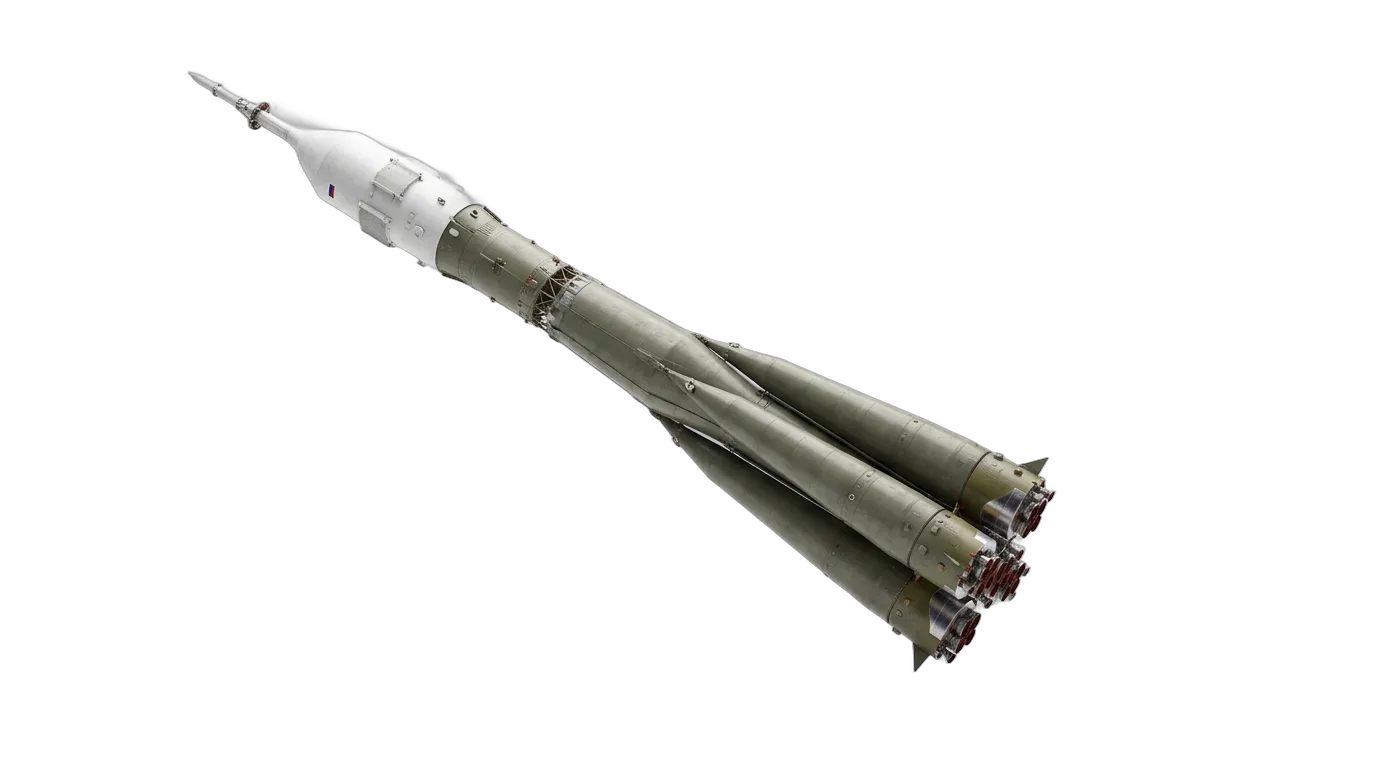
The Soyuz rocket family has launched over 1,900 times since 1966, making it the most-flown launch vehicle in history. Derived from Korolev's R-7 ICBM, it has carried every Soyuz crew capsule, every Progress cargo ship, and hundreds of commercial satellites. For years after the Space Shuttle's retirement, it was the only vehicle carrying humans to the International Space Station. Its basic design has remained fundamentally unchanged for six decades -- because it works.
Falcon 9: The Reusable Workhorse
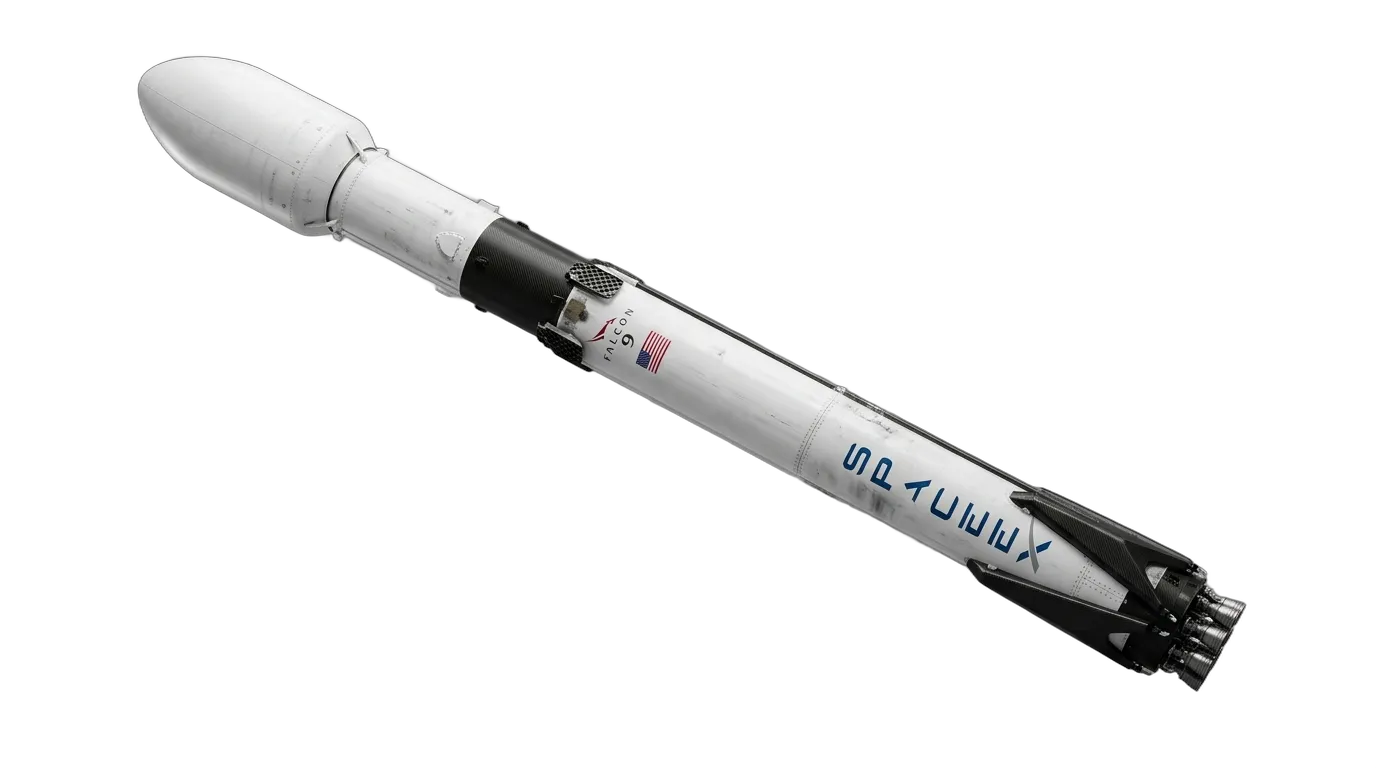
SpaceX's Falcon 9 transformed the launch industry by proving that orbital-class boosters could land and fly again. Individual boosters have flown over 20 times. The vehicle's cadence -- sometimes launching twice in a single day -- was unimaginable a decade ago. Falcon 9 now launches more mass to orbit annually than all other rockets combined, carrying Starlink satellites, Dragon crew capsules, and commercial payloads.
The Heritage Launchers
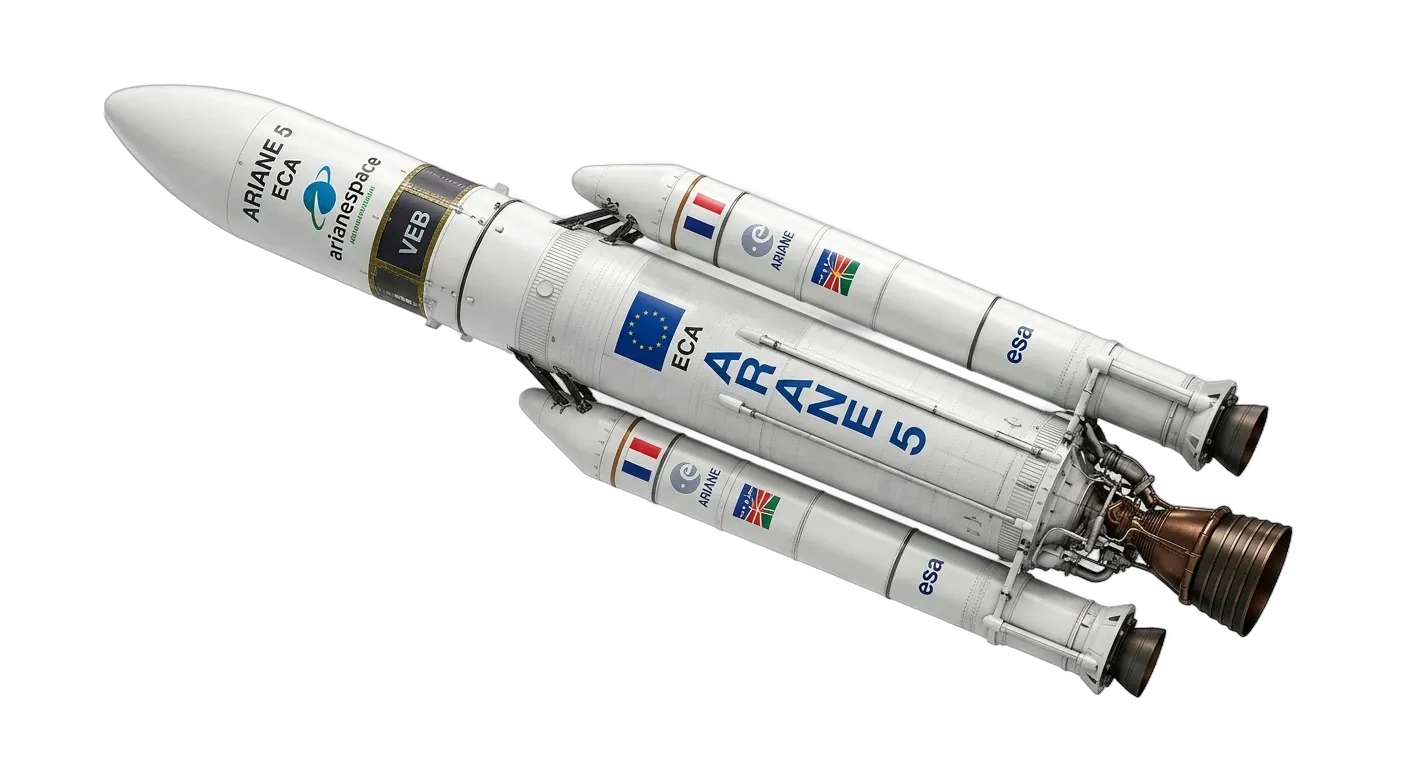
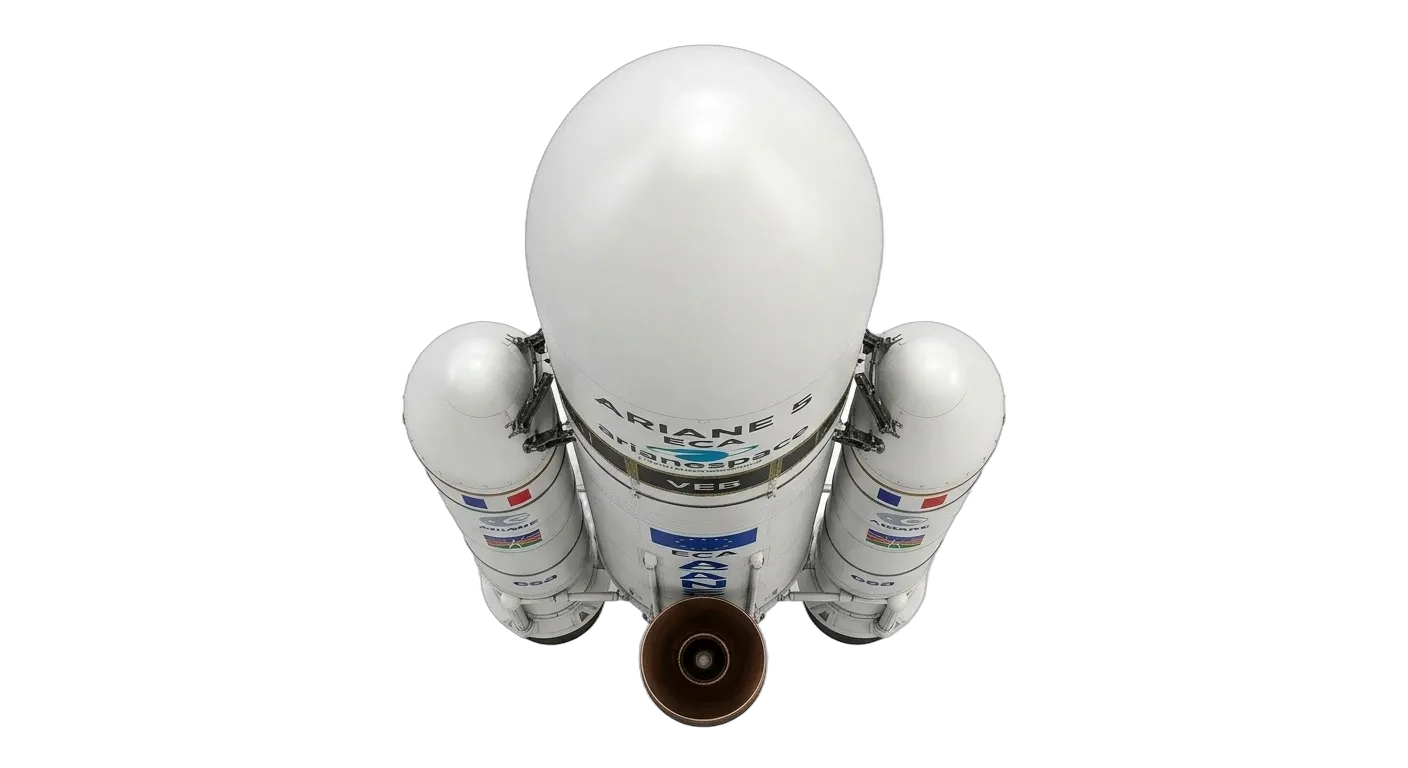
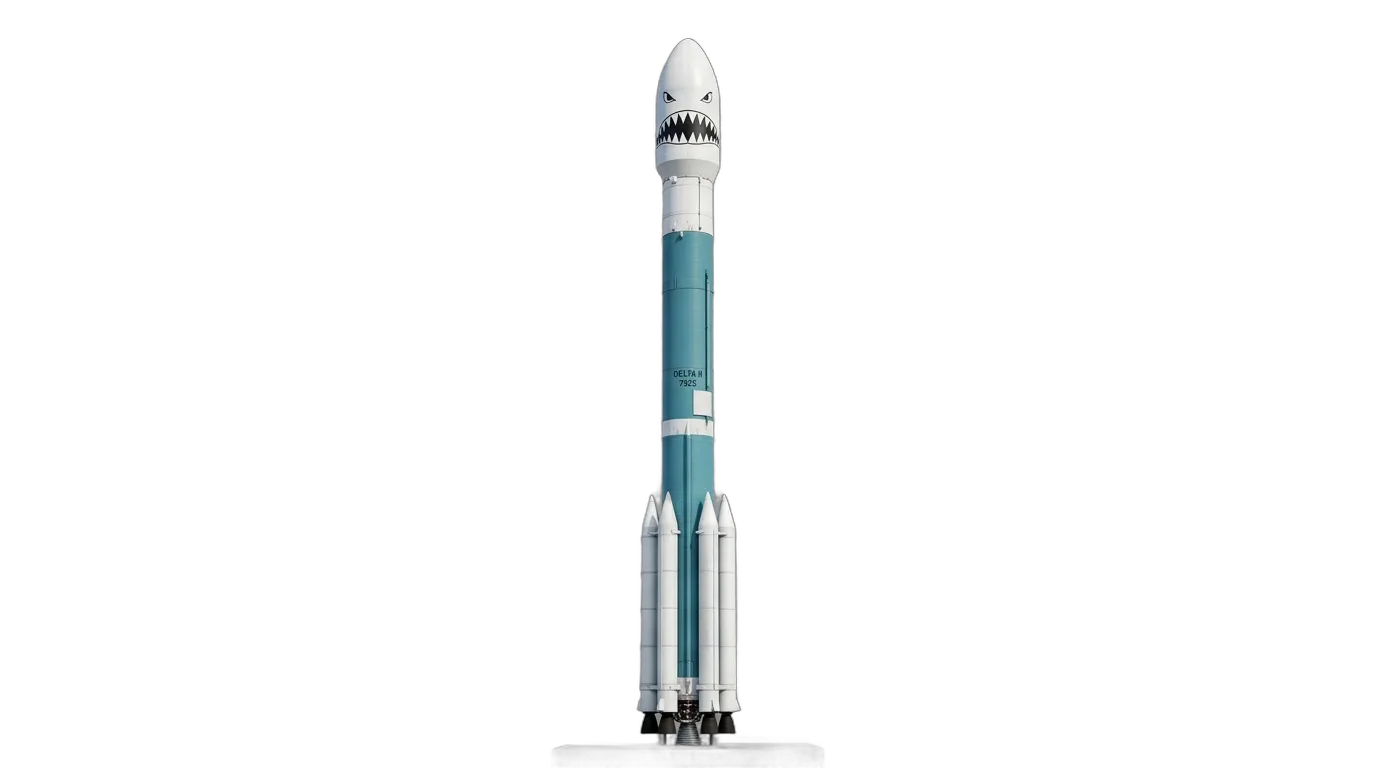
The Delta family accumulated over 400 launches across six decades. The Ariane family gave Europe independent access to space, with Ariane 4 and Ariane 5 becoming the backbone of commercial geostationary launches. China's Long March family has flown over 500 missions. These rockets may lack the glamour of crewed vehicles, but they built the satellite infrastructure the modern world depends on.
Workhorse rockets are the foundation of the space economy. Every GPS signal, every weather forecast, every satellite phone call depends on vehicles that reached orbit reliably, repeatedly, and on schedule. The most important quality in a launch vehicle is not thrust or payload capacity -- it is the confidence that the rocket will work the next time it flies.