Starship / Super Heavy
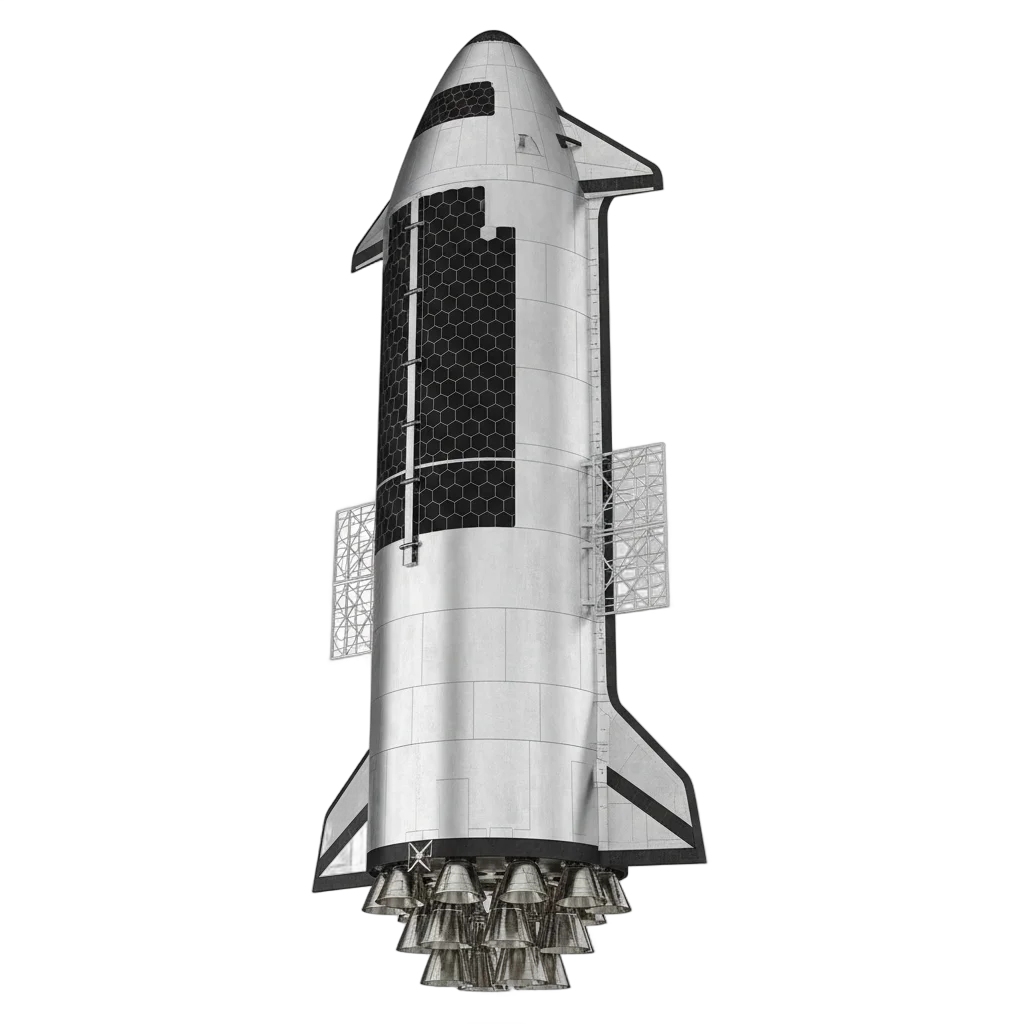
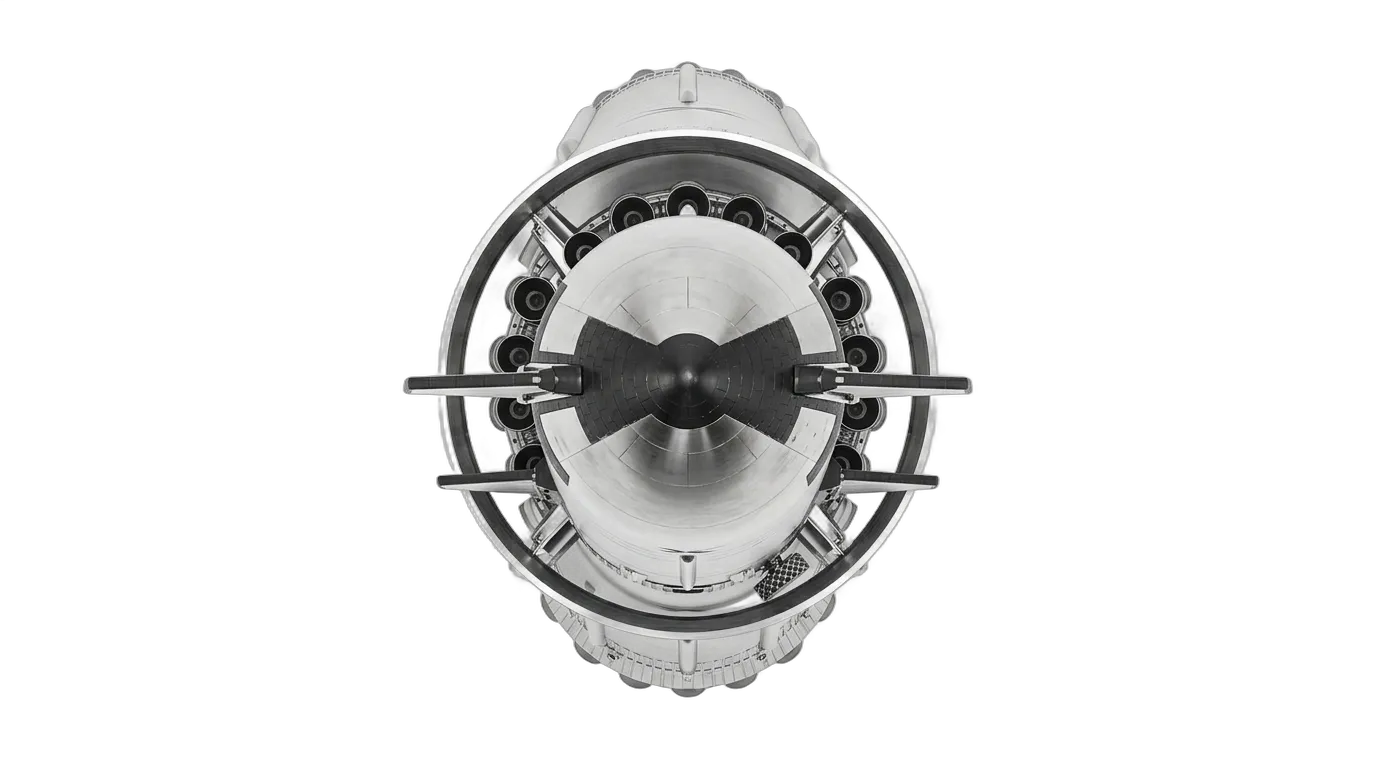
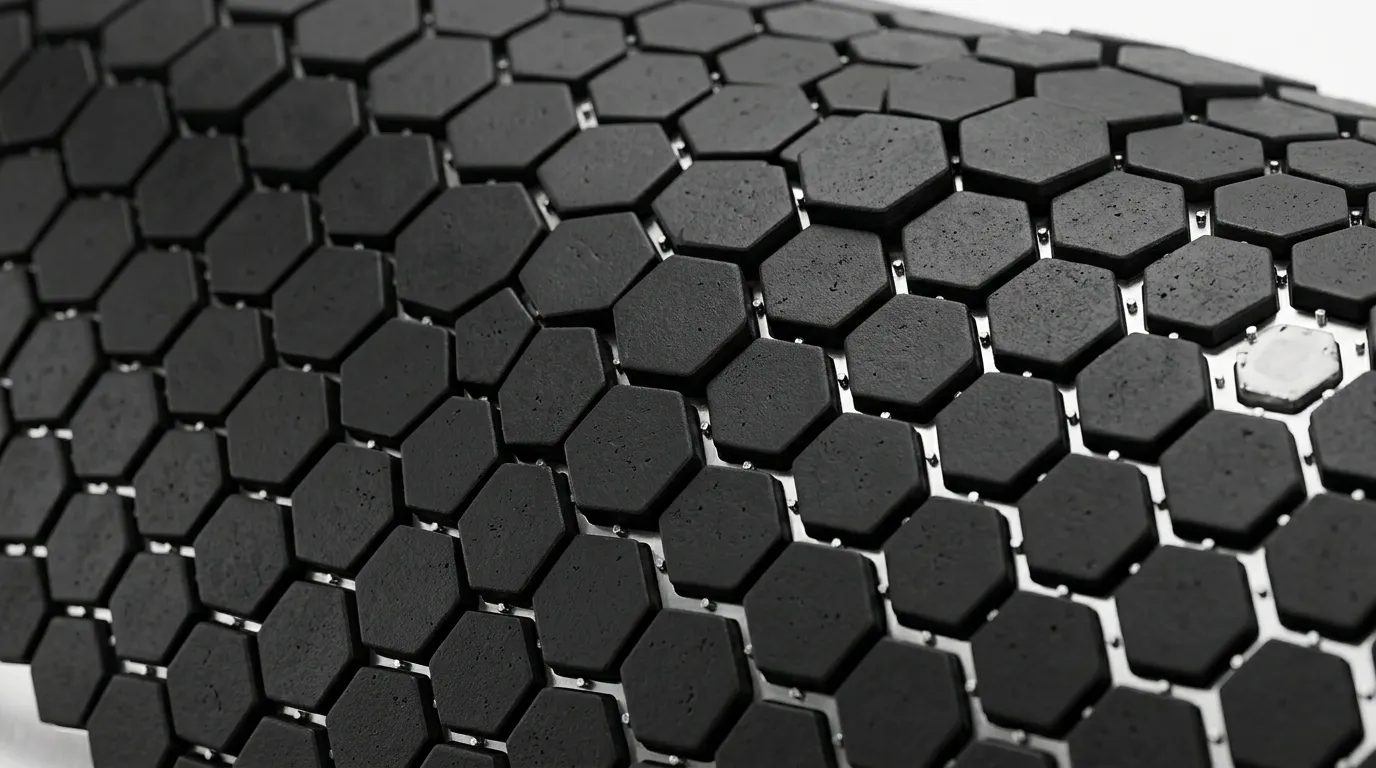
The largest and most powerful rocket ever built, designed for full reusability. Its 33 Raptor engines produce 16.7 million pounds of thrust, more than twice Saturn V. The Super Heavy booster''s mid-air catch by the launch tower''s mechanical arms in October 2024 was a watershed moment in spaceflight history.
History
Starship represents SpaceX''s ultimate ambition: a fully reusable launch system capable of carrying over 100 people to Mars at a cost per flight that could eventually rival long-haul air travel. The vehicle consists of two stages -- the Super Heavy booster and the Starship upper stage -- both powered by SpaceX''s Raptor engine, the first full-flow staged combustion methalox engine to fly.
The Raptor engine is a technological marvel in its own right. Full-flow staged combustion means that all propellant passes through the turbopumps before entering the combustion chamber, extracting maximum energy from every molecule of fuel. Raptor burns liquid methane and liquid oxygen -- propellants that can theoretically be manufactured on Mars from atmospheric CO2 and subsurface water ice, a requirement for Musk''s vision of a self-sustaining Mars colony.
The first orbital test flight in April 2023 ended in a rapid unscheduled disassembly, but subsequent flights progressed rapidly. The fourth test flight in June 2024 achieved a controlled splashdown of the Starship upper stage in the Indian Ocean. Then, on October 13, 2024, the Super Heavy booster returned to the launch site and was caught mid-air by the launch tower''s massive mechanical arms -- nicknamed chopsticks. The sight of a 23-story rocket being plucked from the sky by a giant tower was a feat of engineering audacity that had never been attempted before.
With 150 tonnes of payload capacity to low Earth orbit when fully reusable, Starship promises to reduce the cost of reaching orbit by orders of magnitude. NASA has selected a modified Starship as the Human Landing System for Artemis lunar missions. If Starship achieves its design goals of rapid reuse, it will transform not just launch economics but the entire scope of what humanity can accomplish in space.
Timeline
Launch Heritage
- IFT-1
- IFT-4 booster catch
- IFT-6
Technical Specifications
Propulsion
Performance
Dimensions
Mass
Mission
Power & Systems
Source: SpaceX
Tags
Designed by Elon Musk