Lunokhod 1

OKB-1 Lunokhod 1 1970 - Hero viewOKB-1 Lunokhod 1 1970 - Top View viewOKB-1 Lunokhod 1 1970 - Profile viewOKB-1 Lunokhod 1 1970 - Engine Cluster viewOKB-1 Lunokhod 1 1970 - Camera System viewOKB-1 Lunokhod 1 1970 - Compartment viewOKB-1 Lunokhod 1 1970 - Rifma viewOKB-1 Lunokhod 1 1970 - Wheel Motor viewOKB-1 Lunokhod 1 1970 - Antennas viewOKB-1 Lunokhod 1 1970 - Lid viewOKB-1 Lunokhod 1 1970 - Retroreflector viewOKB-1 Lunokhod 1 1970 - Wheels view
Hero
First of its kind

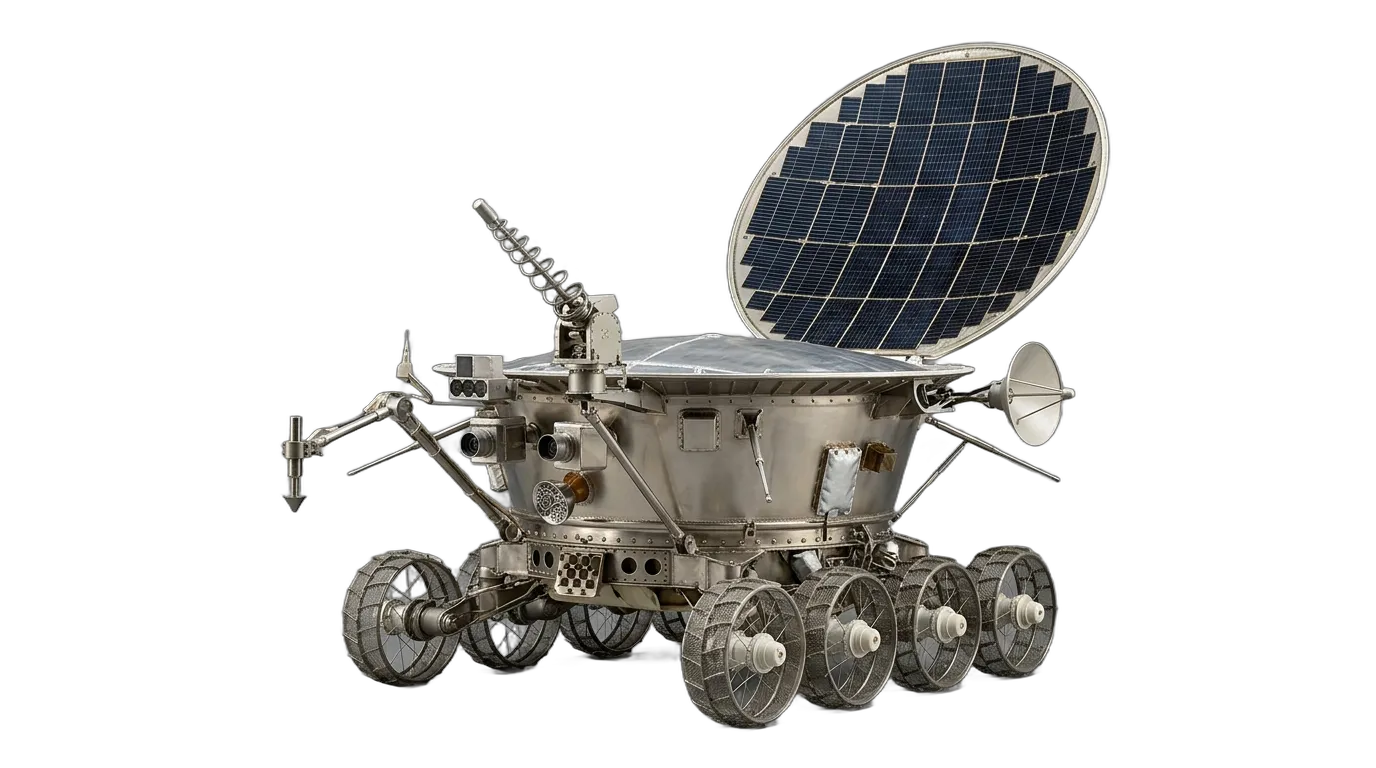
The first remote-controlled rover on another world. Lunokhod 1 operated on the Moon for 11 months, traveling 6.5 miles across the surface and returning over 20,000 television images and 200 panoramas.

History

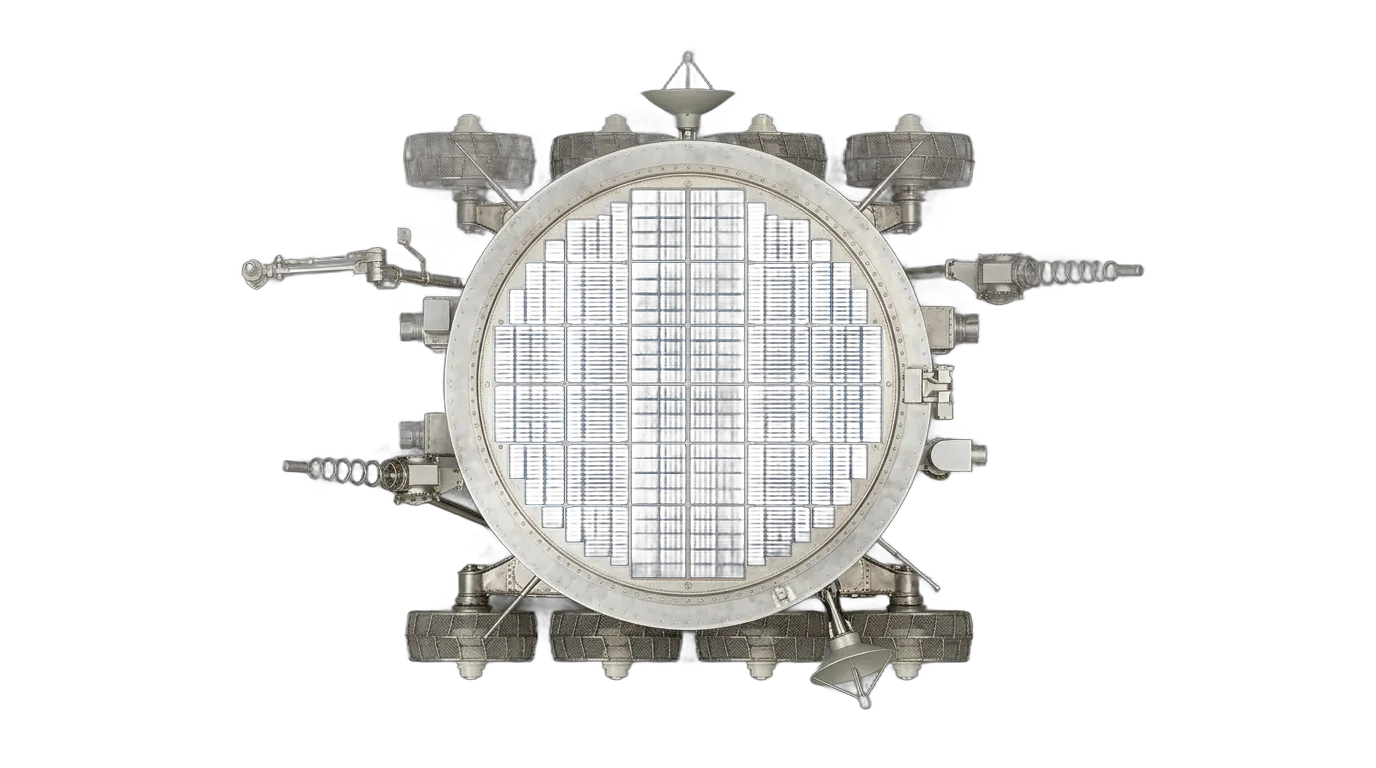
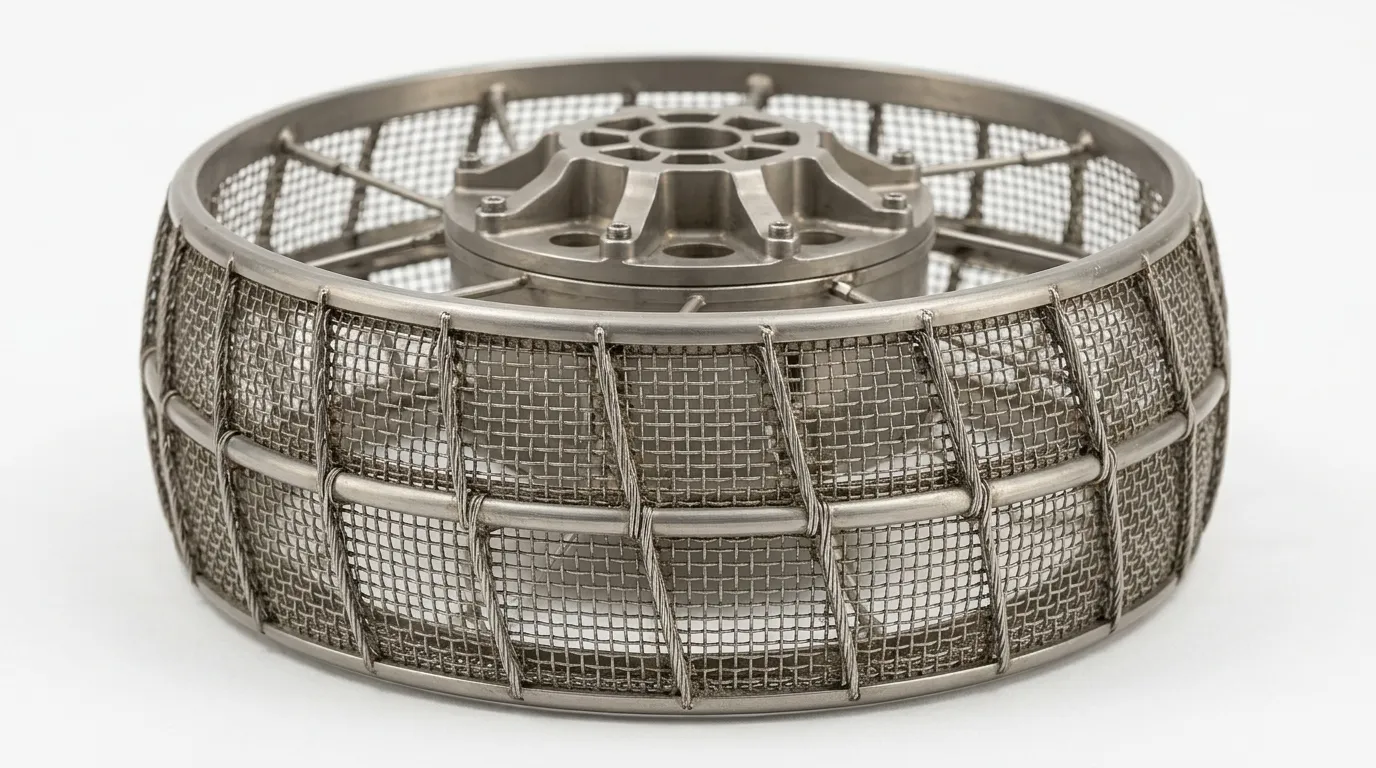
Lunokhod 1 landed on the Moon on November 17, 1970, delivered by the Luna 17 spacecraft. It was a bathtub-shaped vehicle mounted on eight independently powered wheels, carrying television cameras, scientific instruments, and a laser retroreflector.

The rover was remotely driven by a five-person team at a control center near Simferopol in Crimea, using television images from the rover''s cameras to navigate the lunar terrain. The four-second communication delay between Earth and Moon made driving challenging -- operators had to anticipate the rover''s position and issue commands accordingly.

Lunokhod 1 operated for 322 Earth days, far exceeding its 90-day design life. It traveled 10.54 kilometers across the Sea of Rains, transmitted over 20,000 television images and 206 panoramic photographs, and conducted hundreds of soil mechanics tests. The rover''s laser retroreflector, placed by Lunokhod on the lunar surface, was used for decades to precisely measure the Earth-Moon distance.

Timeline

1970First flight
1971Retired from service

Launch Heritage

Operational StatusRetired
Total Launches1/1 (100%)
Service Period1970-1970
DesignerAlexander Kemurdzhian
Mission Typerover
ReusabilityExpendable
Orbit Typelunar
Target BodyMoon
Production Total1
Notable Missions
  • First lunar rover
  • 11 months of operation
  • 10.5 km traveled

Technical Specifications

PropulsionSolar + Battery
Height7.5 ft
Length7.5 ft
Diameter/Wingspan7.1 ft
Gross Mass12,566 lbs
Empty Mass1,667 lbs

Performance

Max Speed2 km/h

Dimensions

Height (m)1.35 m
Diameter (m)2.15 m
Length (m)2.15 m

Mass

Empty Mass (kg)756 kg
Gross Mass (kg)756 kg

Mission

Mission Duration322 Earth days (Nov 1970 - Oct 1971), 10.54 km driven
Missions Flown1
Success Rate1/1
ReusableNo

Power & Systems

Power Output180 W
Battery TypePolonium-210 RTG heater + solar panel charging
Instruments2 TV cameras (telephotometers), 4 panoramic cameras, RIFMA X-ray fluorescence spectrometer, PrOP odometer/penetrometer, radiation detectors, French laser retroreflector
AvionicsRemote-controlled from Earth via 5-person crew (driver, navigator, commander, engineer, antenna operator)
Communication BandVHF, directional antenna

Tags

Designed by Alexander Kemurdzhian

Featured in Collections

Keep Exploring

View all vehicles
Space HeritageCookie Preferences

We use only essential cookies to make this archive work. No tracking or advertising cookies.

Learn more