
Luna 2
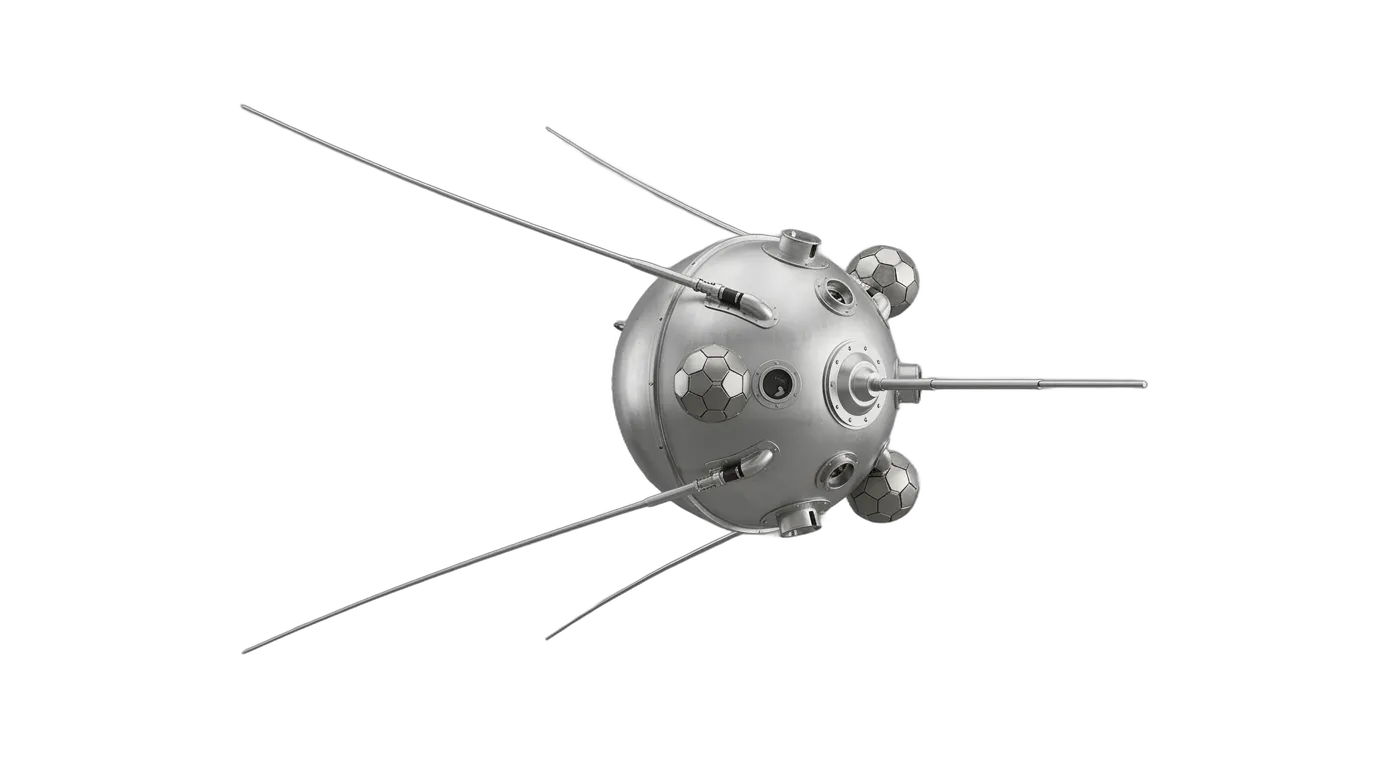
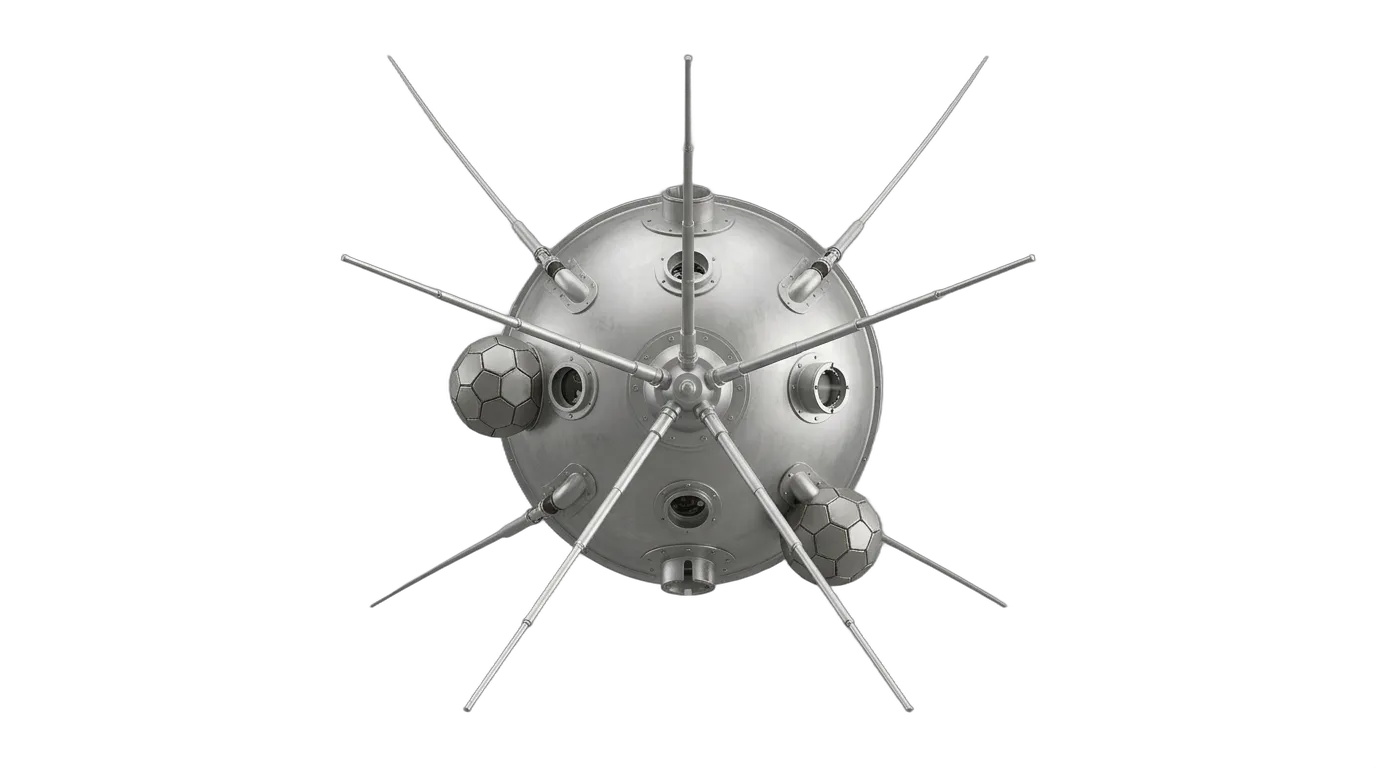
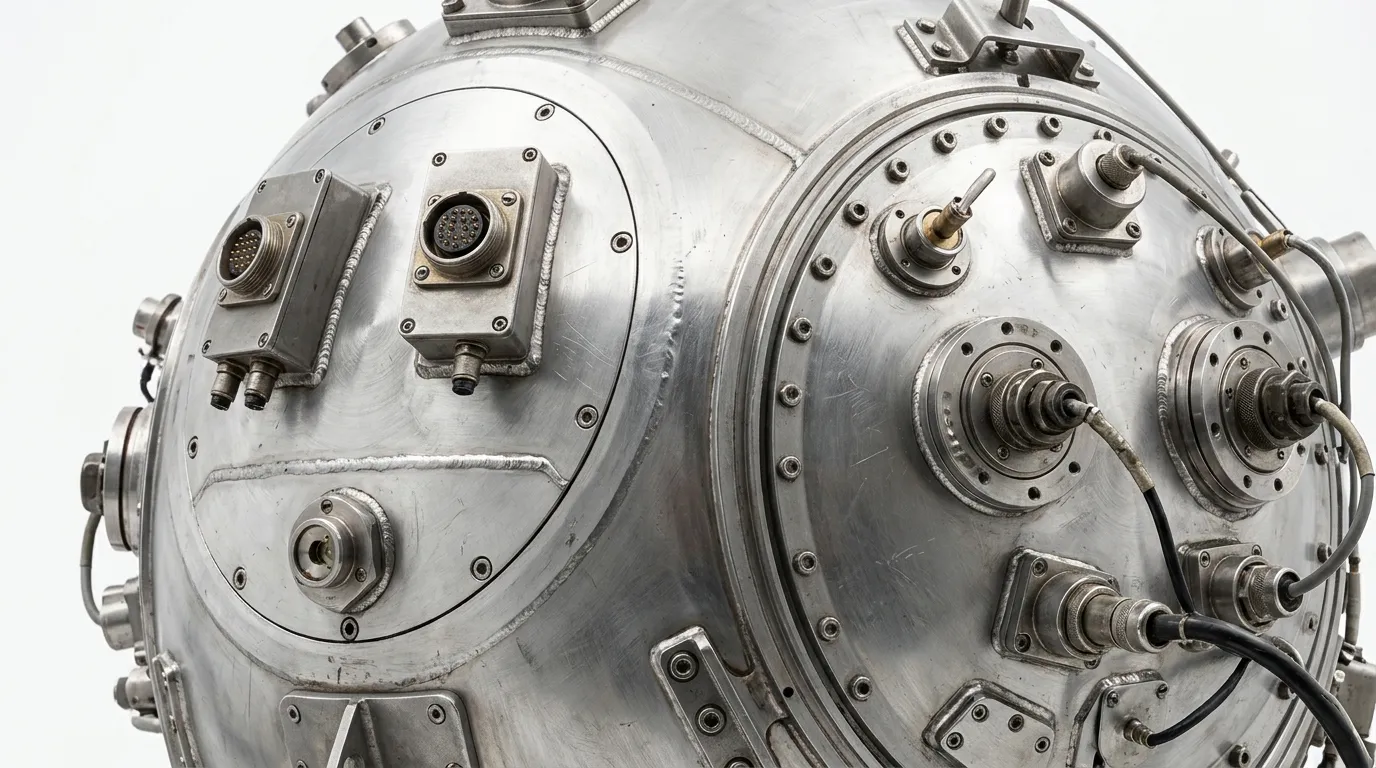
The first human-made object to reach another celestial body, impacting the Moon on September 14, 1959. Luna 2 confirmed that the Moon had no significant magnetic field and detected no radiation belts, clearing the way for future lunar missions.
History
Luna 2 was launched on September 12, 1959, on a direct ascent trajectory to the Moon. Thirty-three and a half hours later, it struck the lunar surface in the Palus Putredinis region near the craters Aristides, Archimedes, and Autolycus. It was the first time a human-made object had reached another world.
The spacecraft carried Soviet pennants -- small metallic shields bearing the coat of arms of the USSR and the date of launch -- designed to survive the impact and mark the achievement on the lunar surface. Whether any survived intact is unknown, but the symbolic gesture underscored the Space Race''s blend of science and propaganda.
Luna 2''s instruments confirmed that the Moon had no significant magnetic field and no Van Allen-type radiation belts, information critical for planning future missions. The successful impact demonstrated that a spacecraft could be accurately targeted at the Moon from Earth, a navigational achievement that was far from trivial given the technology of 1959.
Launch Heritage
- First object to reach Moon
- First lunar impact
Technical Specifications
Dimensions
Mass
Mission
Power & Systems
Source: NASA NSSDC, Roscosmos
Tags
Designed by Sergei Korolev
Featured in Collections
References & Sources


Keep Exploring
View all vehicles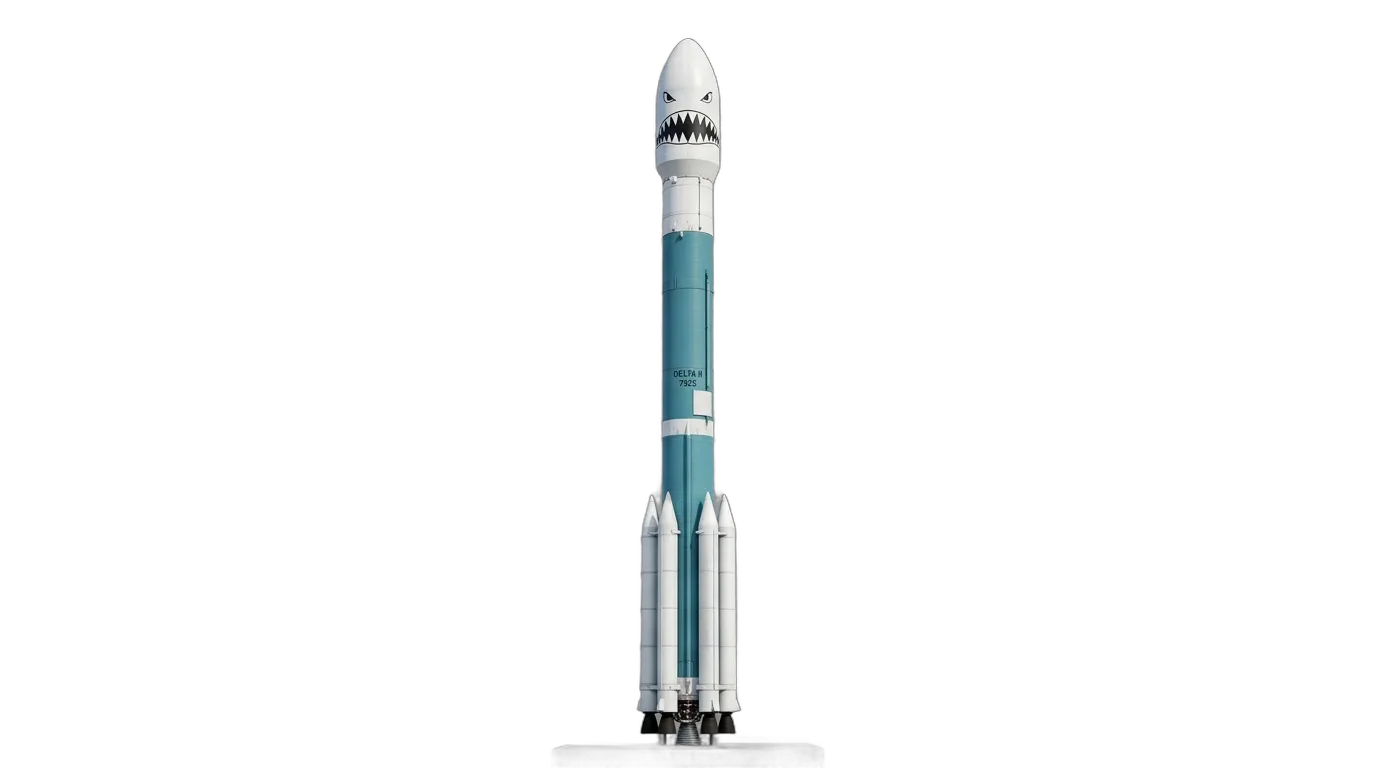
Douglas/Boeing
Delta II
1989 - 2018 · Launch Vehicle
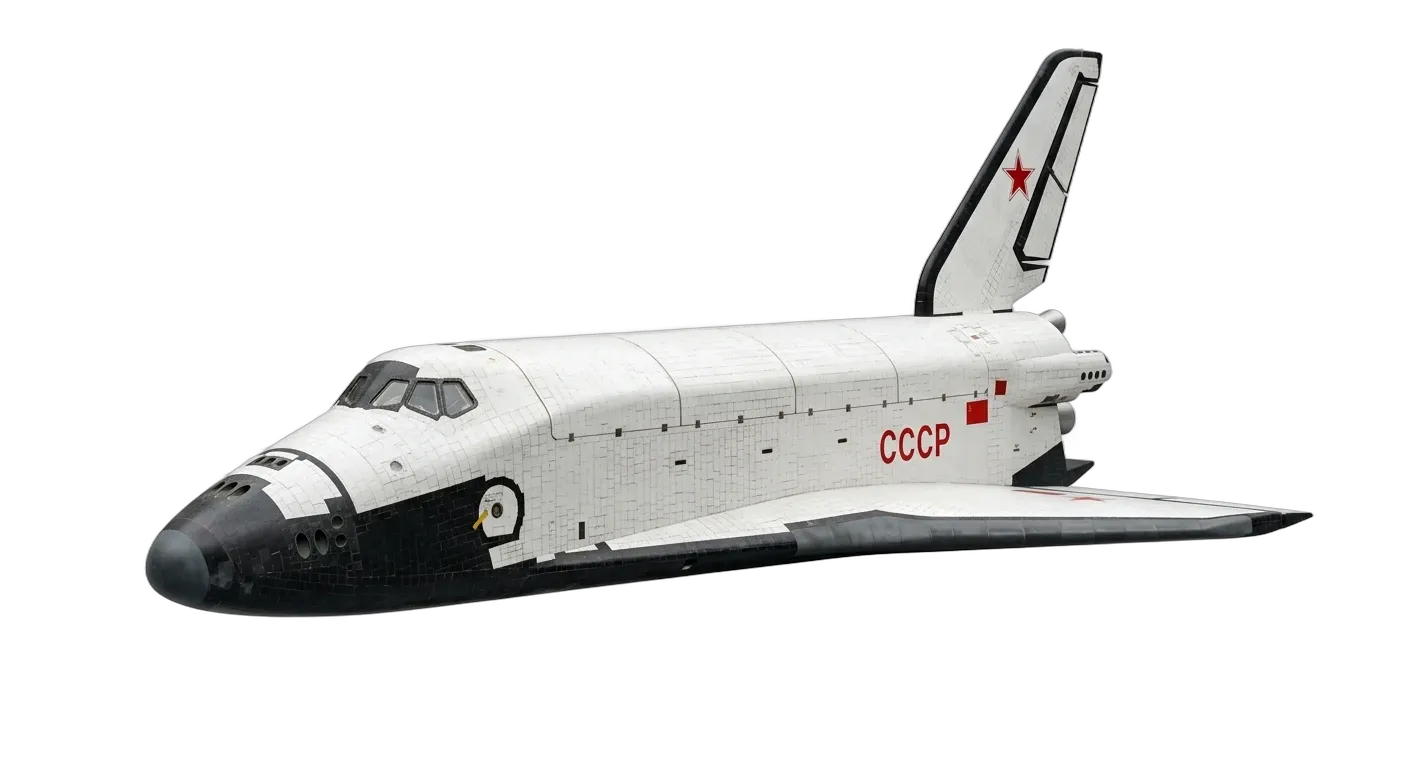
NPO Energia
Buran
1988 - 1988 · Space Shuttle
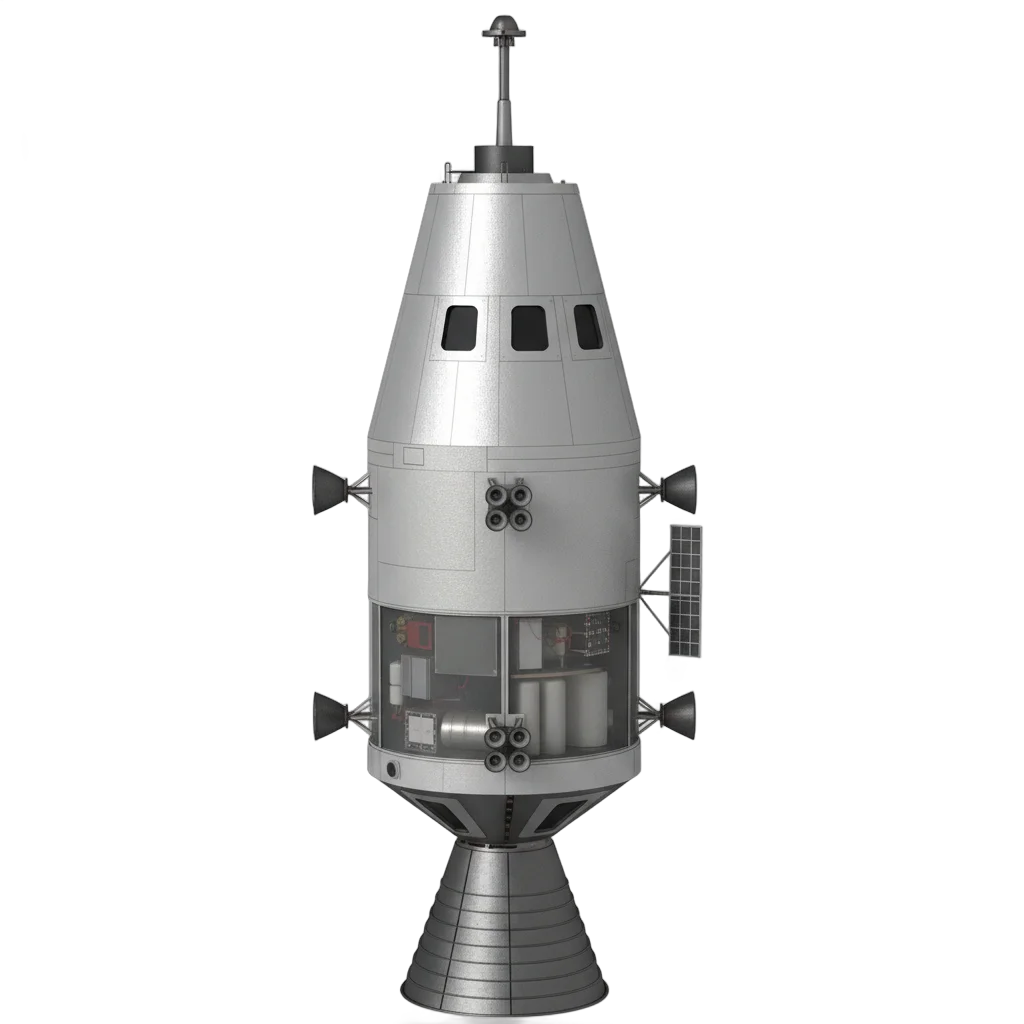
North American Aviation
Apollo Command/Service Module
1966 - 1975 · Crewed Spacecraft
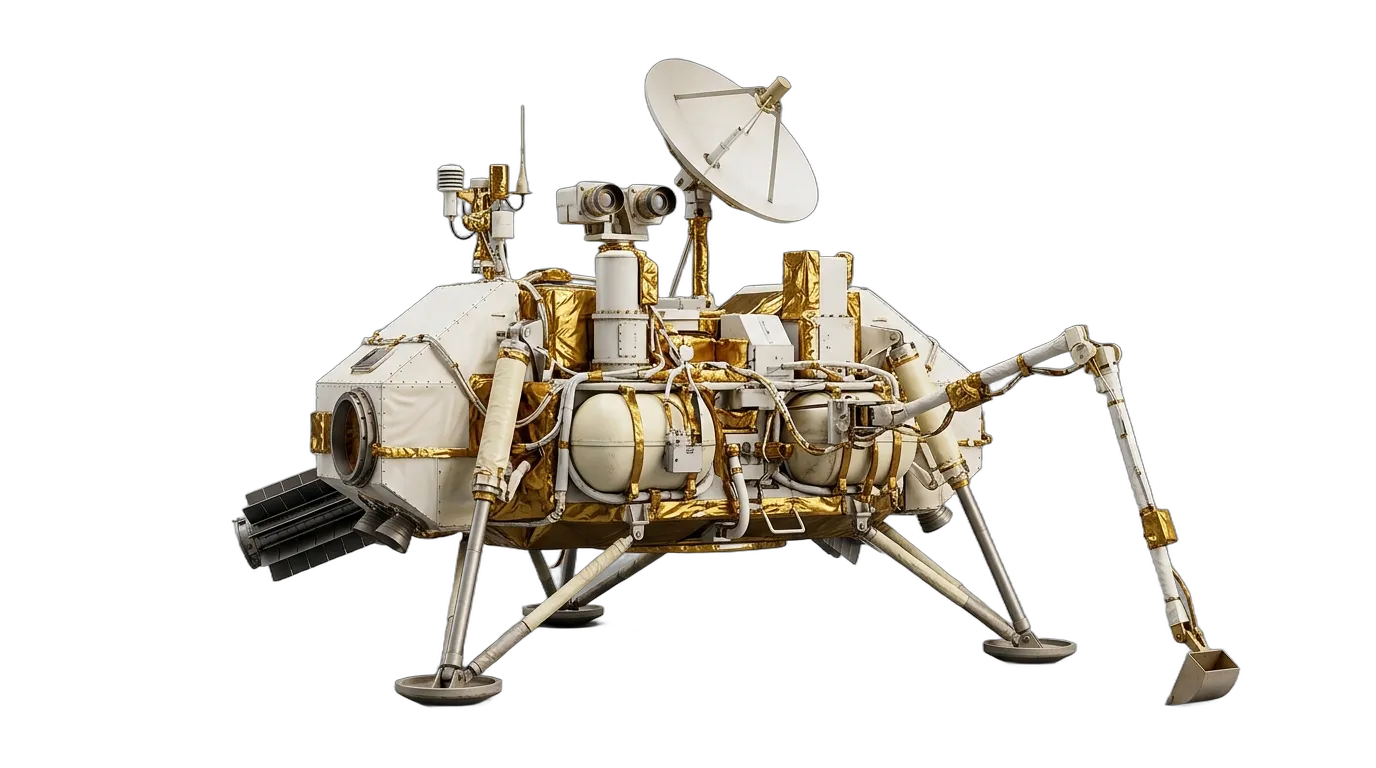
NASA/JPL
Viking 1
1975 - 1982 · Mars Vehicle
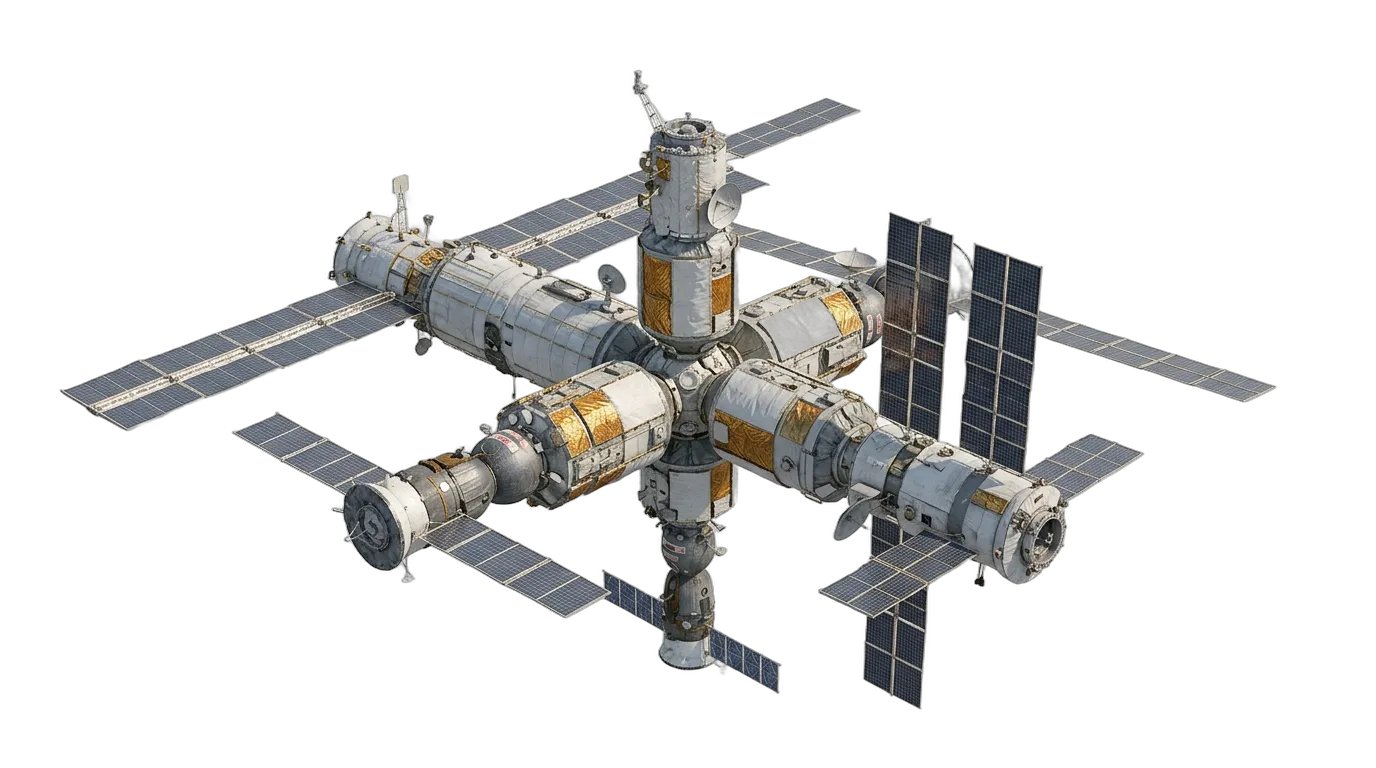
Roscosmos
Mir
1986 - 2001 · Space Station
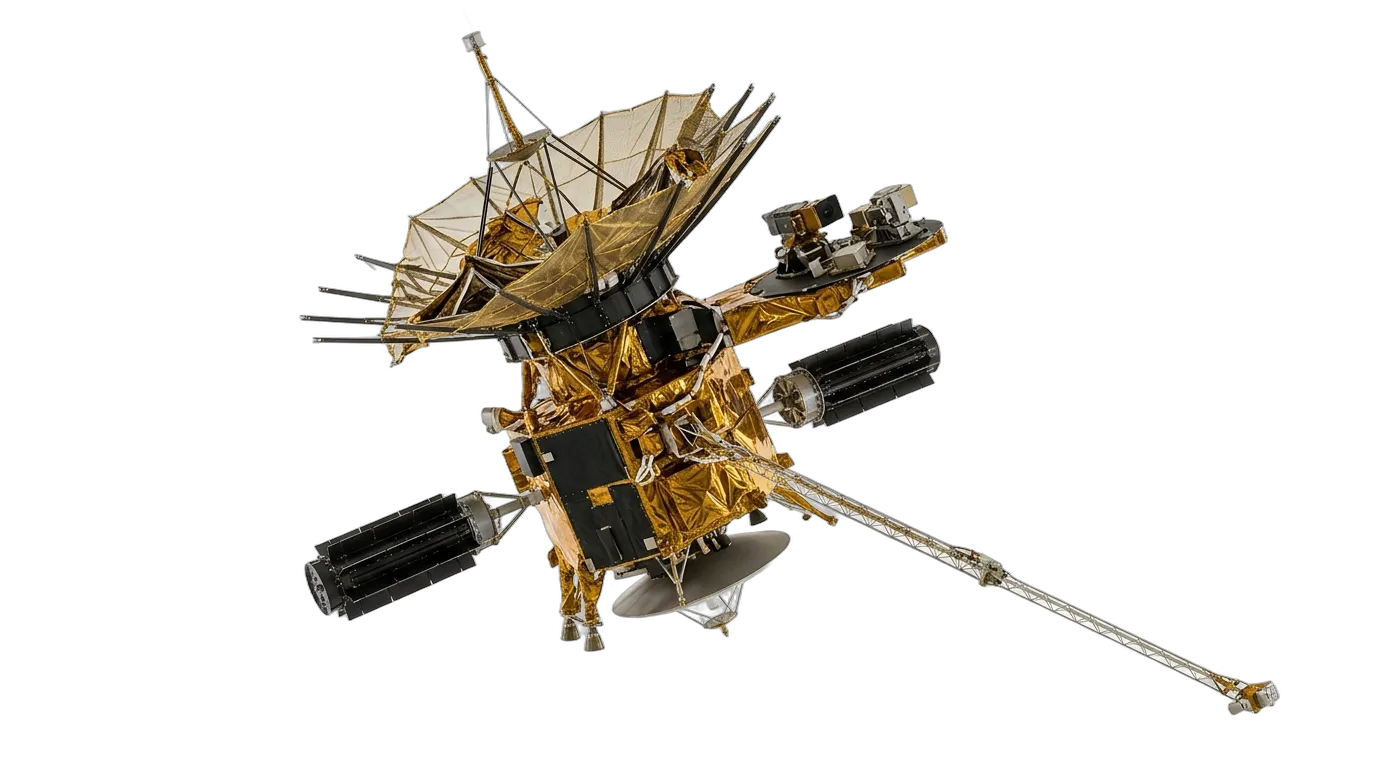
NASA/JPL
Galileo
1989 - 2003 · Interplanetary Probe