Luna 9
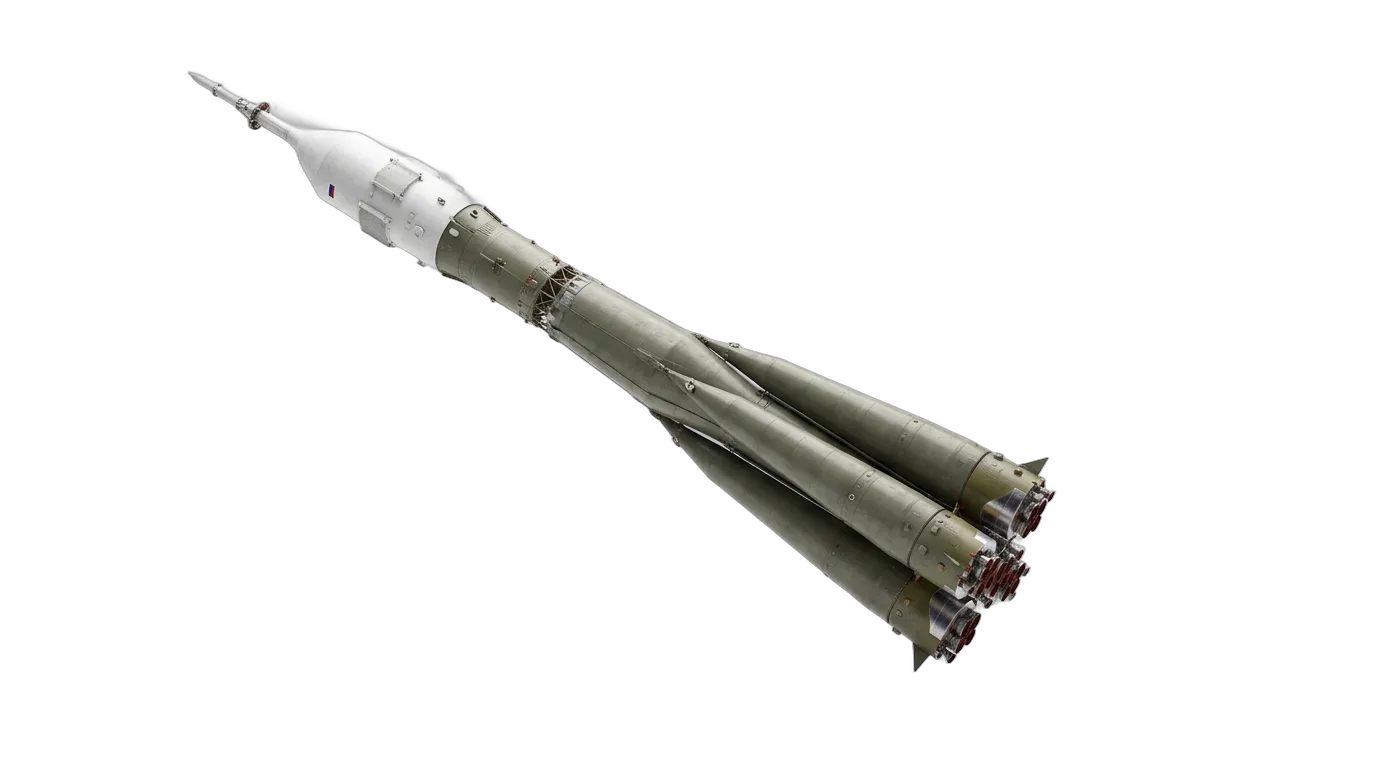
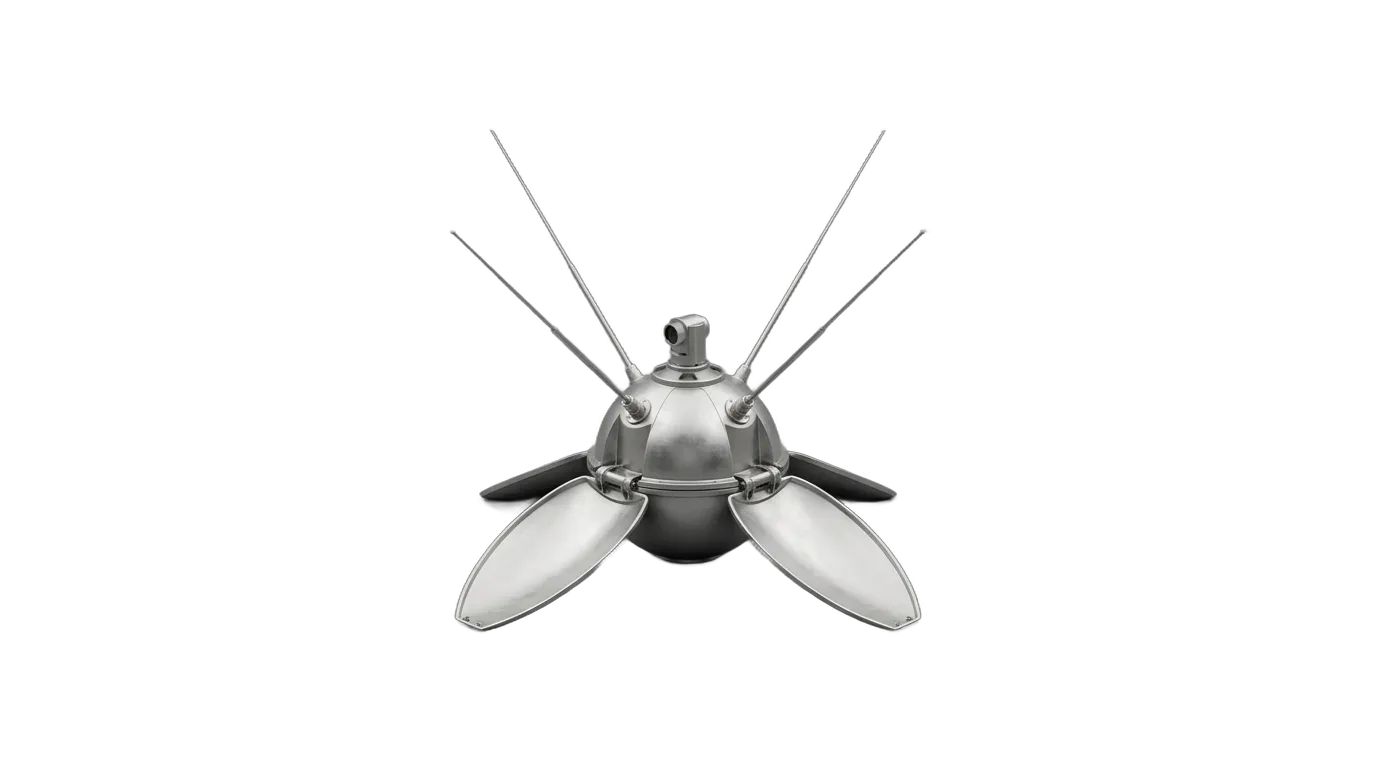
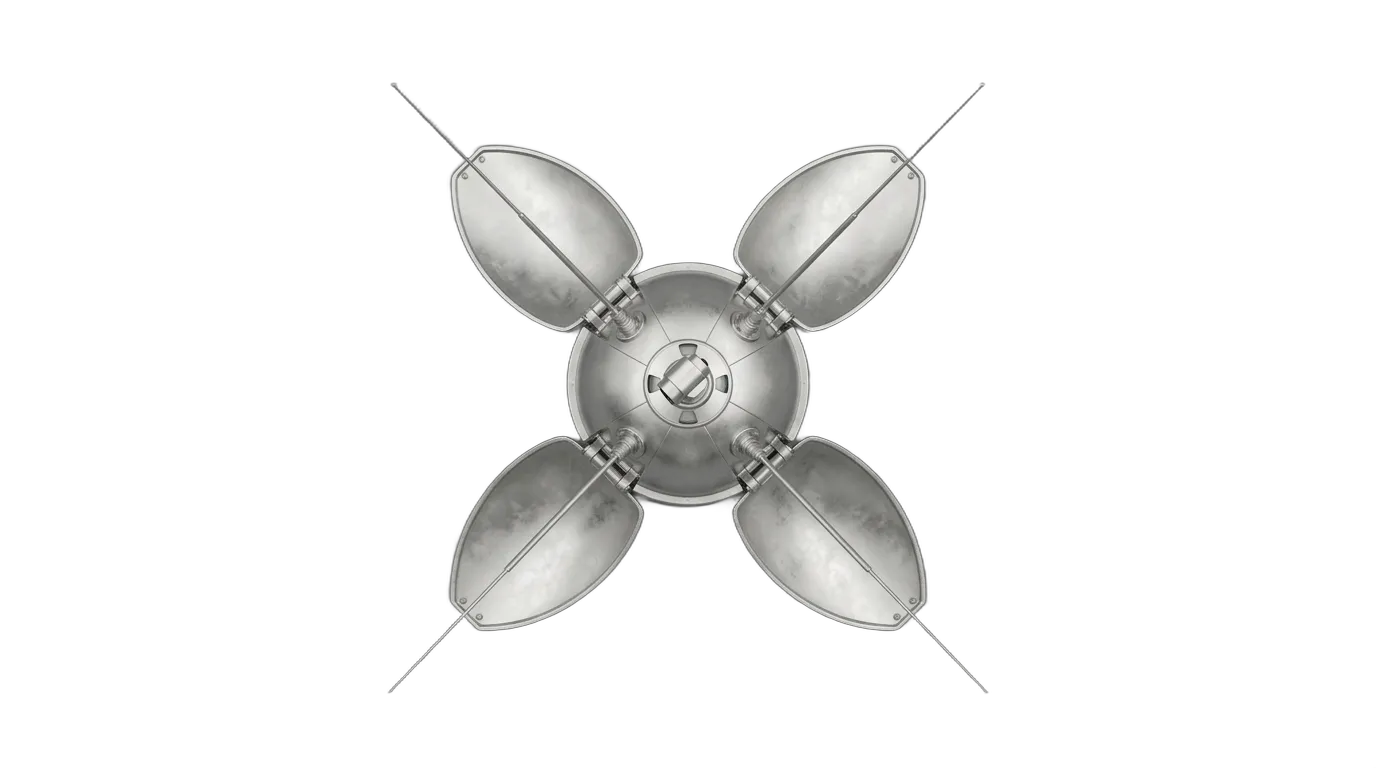
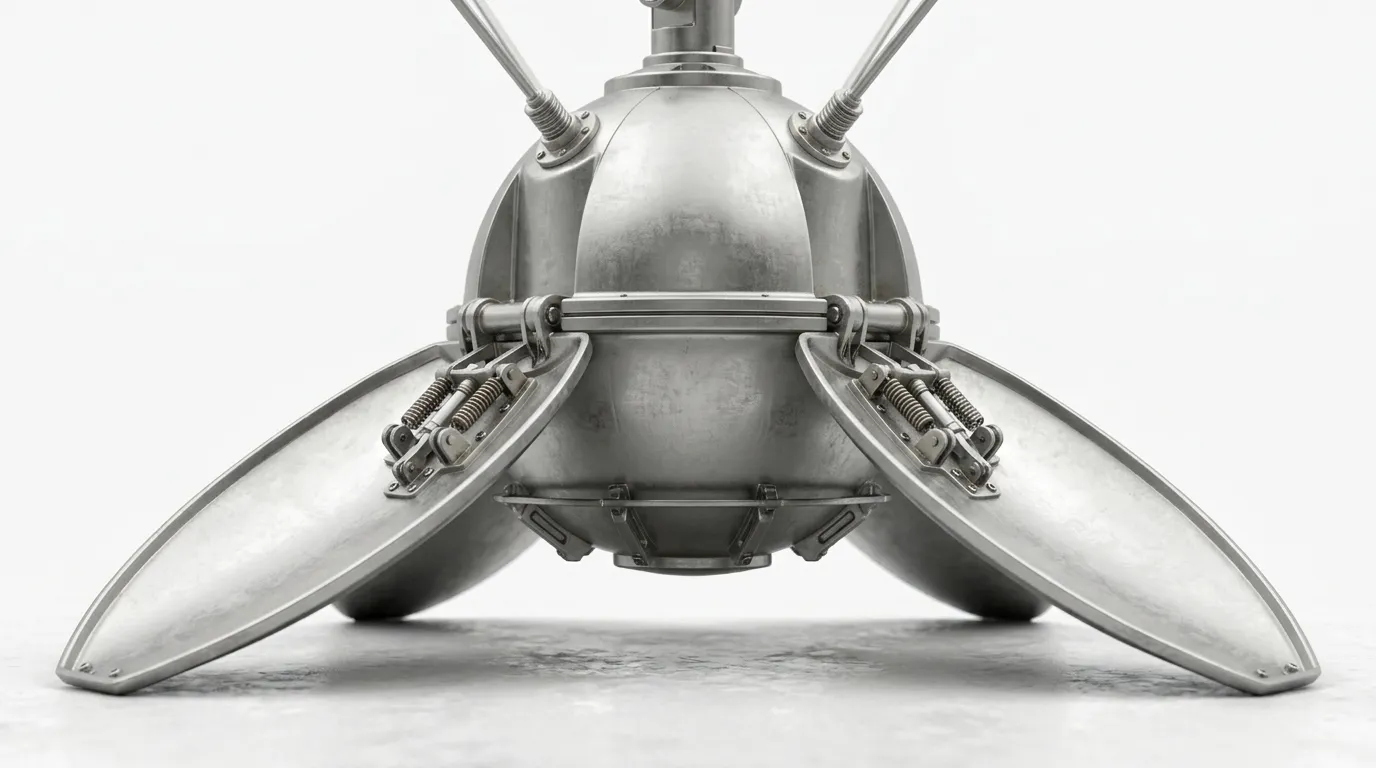
The first spacecraft to achieve a soft landing on the Moon and transmit photographs from the lunar surface. Luna 9 resolved a critical question: whether the Moon''s surface was solid enough to support a lander.
History
Before Luna 9, there was genuine uncertainty about whether the lunar surface could support a spacecraft. Some scientists theorized that the Moon was covered in a deep layer of fine dust that would swallow any object that landed on it. Luna 9 proved the surface was solid.
The spacecraft landed in Oceanus Procellarum on February 3, 1966, after a series of retrorockets and an airbag system cushioned its final descent. The 220-pound landing capsule opened four petal-shaped covers and began transmitting panoramic photographs of the lunar surface, showing a rocky, firm terrain with a gently rolling horizon.
The images were intercepted and decoded by the Jodrell Bank Observatory in England before the Soviet Union officially released them, creating a minor diplomatic incident but confirming the achievement to the world. Luna 9''s success paved the way for the Apollo Moon landings three years later, proving that a spacecraft could touch down safely on the lunar surface.
Launch Heritage
- First soft landing on Moon
- First photos from lunar surface
Technical Specifications
Propulsion
Dimensions
Mass
Mission
Power & Systems
Source: NASA NSSDC
Tags
Designed by Sergei Korolev