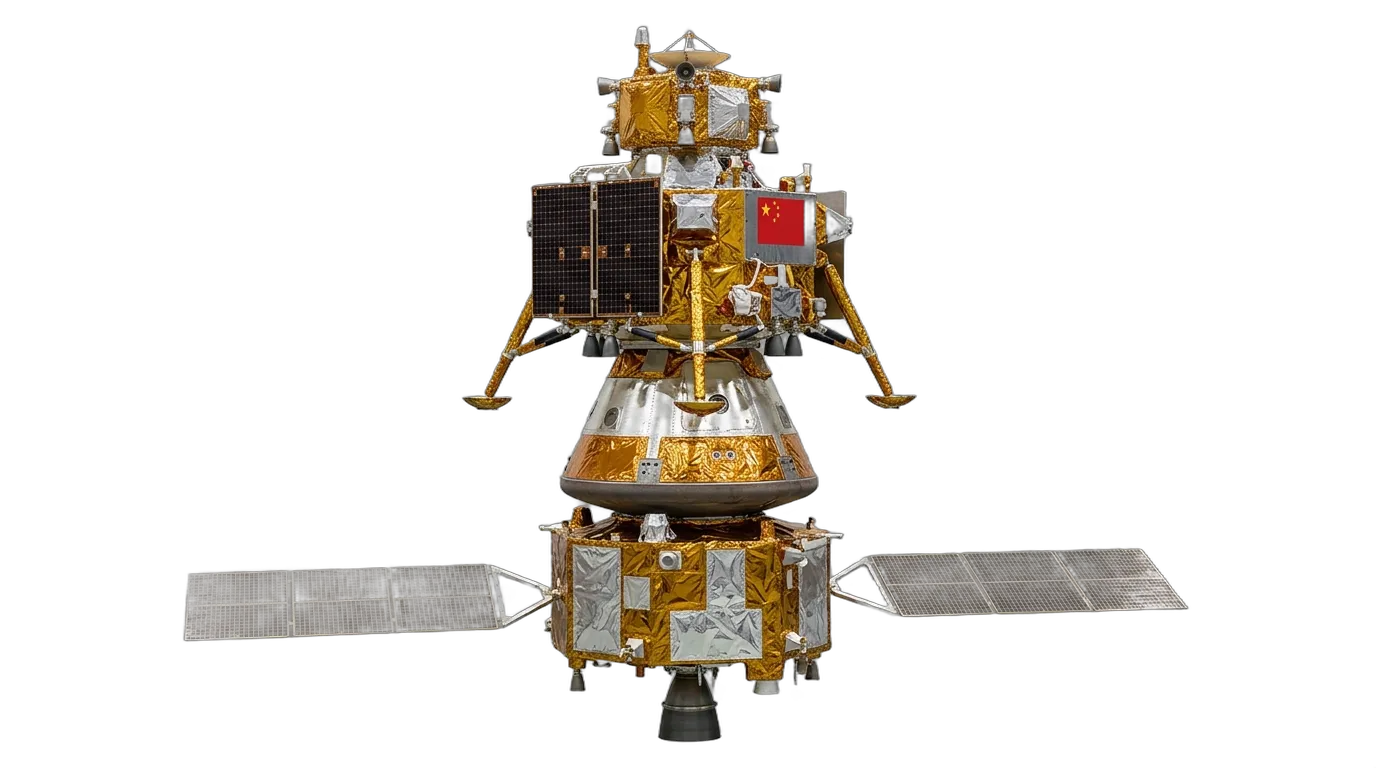
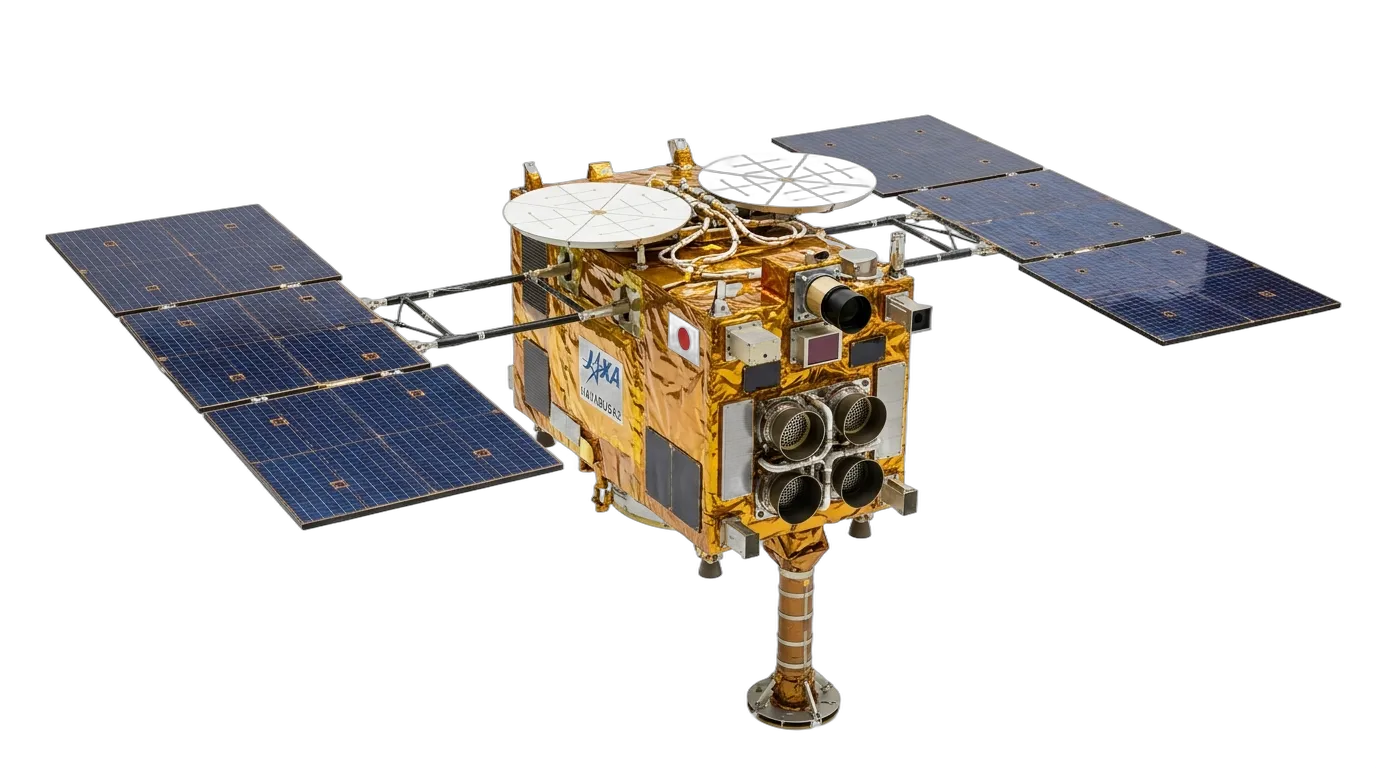
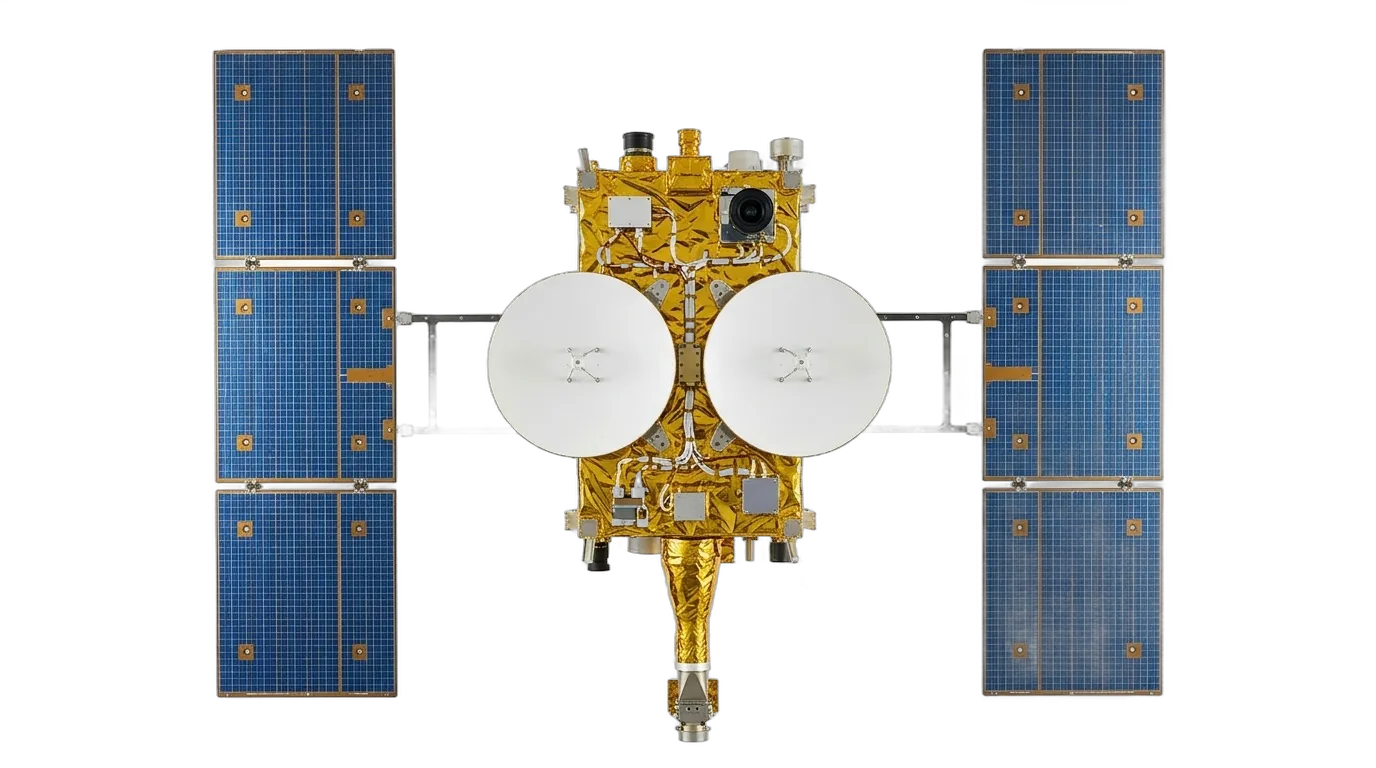
JAXA Hayabusa2 2014 - Hero viewJAXA Hayabusa2 2014 - Top View viewJAXA Hayabusa2 2014 - Profile viewJAXA Hayabusa2 2014 - Bottom View viewJAXA Hayabusa2 2014 - Spacecraft Bus viewJAXA Hayabusa2 2014 - Capsule viewJAXA Hayabusa2 2014 - Ion Engine viewJAXA Hayabusa2 2014 - Sampler viewJAXA Hayabusa2 2014 - Communications Antenna viewJAXA Hayabusa2 2014 - Ion Engines viewJAXA Hayabusa2 2014 - Minerva viewJAXA Hayabusa2 2014 - Sci view
Hero
First of its kind

JAXA''s asteroid sample return mission that collected material from asteroid Ryugu, including subsurface samples obtained by firing a copper projectile to create an artificial crater. Returned 5.4 grams of pristine asteroid material to Earth in December 2020.

History

Hayabusa2 built on the lessons of the original Hayabusa mission, which returned the first asteroid samples to Earth in 2010 despite numerous technical failures. The successor spacecraft was designed with improved reliability and more ambitious sampling capabilities.

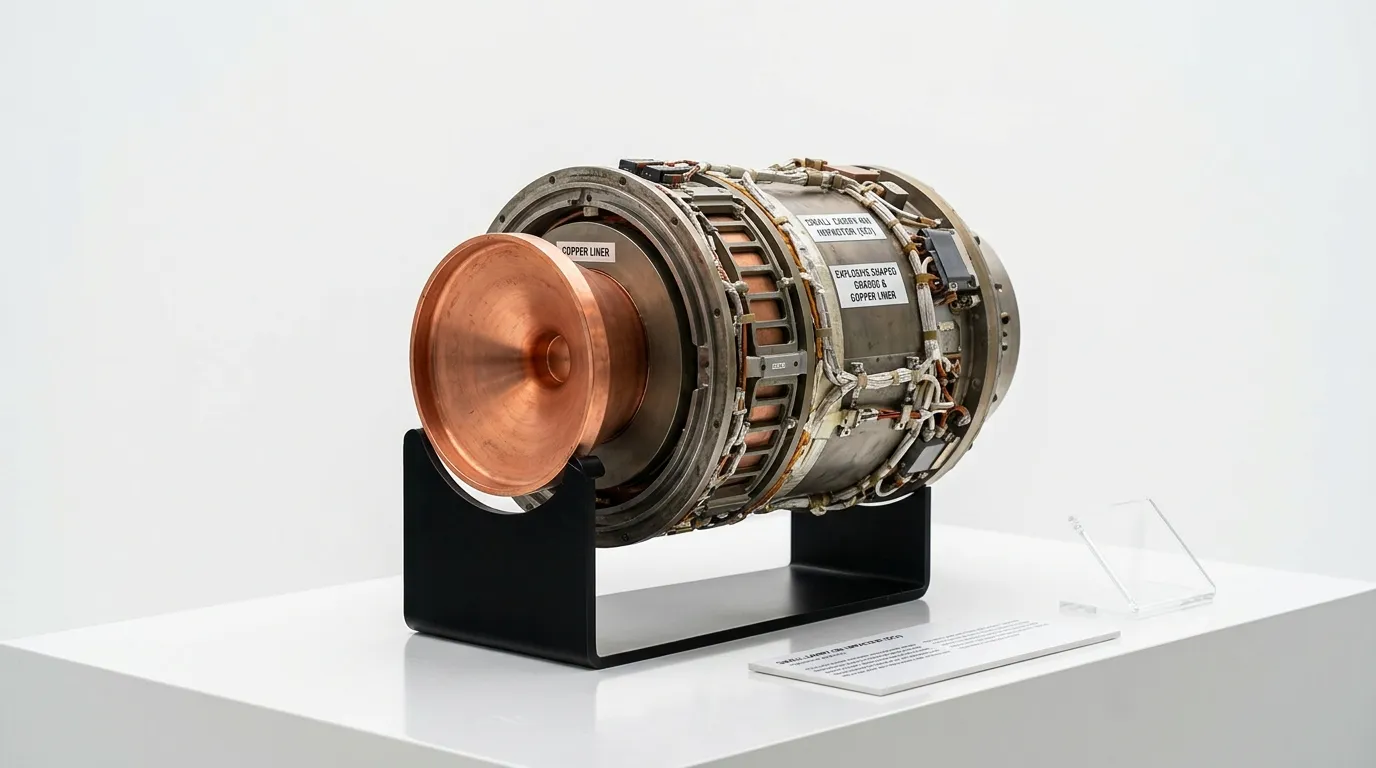
The spacecraft arrived at the 900-meter-wide asteroid 162173 Ryugu in June 2018. Over the following year and a half, it deployed multiple small rovers and landers onto the asteroid''s surface, collected surface samples, and executed a unique experiment: it fired a 2-kilogram copper projectile at the asteroid at 2 km/s to create an artificial crater, then collected subsurface material exposed by the impact.

Hayabusa2 departed Ryugu in November 2019 and returned its sample capsule to Earth on December 6, 2020, landing in the Australian outback. The capsule contained 5.4 grams of material, far exceeding the mission''s 0.1-gram requirement. Analysis revealed amino acids, water-bearing minerals, and organic compounds, supporting the hypothesis that asteroids delivered the building blocks of life to early Earth.

The spacecraft itself continued on an extended mission to flyby asteroid 2001 CC21 and eventually rendezvous with asteroid 1998 KY26 in 2031.

Timeline

2010Which returned the first asteroid samples to Earth in 2010 despite numerous technical failures
2014First flight
2018The spacecraft arrived at the 900-meter-wide asteroid 162173 Ryugu in June 2018
2019Hayabusa2 departed Ryugu in November 2019 and returned its sample capsule to Earth on December 6

Launch Heritage

Operational StatusOperational
Total Launches1/1 (100%)
Service Period2014-2014
DesignerJAXA
Mission Typesample_return
ReusabilityExpendable
Orbit Typeheliocentric
Target Bodyasteroid_bennu
Production Total1
Notable Missions
  • Ryugu rendezvous
  • Crater creation on Ryugu
  • Sample return to Earth (2020)
  • Extended mission to 1998 KY26

Technical Specifications

PropulsionIon Drive
Height5.2 ft
Length5.2 ft
Diameter/Wingspan3.3 ft
Gross Mass1,343 lbs
Empty Mass1,080 lbs

Propulsion

Thrust0.00003 kN
Specific Impulse3000 s
PropellantXenon (ion engines)

Dimensions

Height (m)1.25 m
Diameter (m)1.6 m
Length (m)1 m

Mass

Empty Mass (kg)490 kg
Gross Mass (kg)609 kg
Propellant Mass66 kg

Mission

Mission Duration6 years (Dec 2014 - Dec 2020, sample return); extended mission ongoing
Missions Flown1
Success Rate1/1
ReusableNo

Power & Systems

Power Output2,600 W
Battery TypeSolar panels + Li-ion
InstrumentsONC cameras (telescopic + wide), NIRS3 near-infrared spectrometer, TIR thermal infrared, LIDAR altimeter, SCI impactor, MINERVA-II rovers (3), MASCOT lander, sampler horn
AvionicsOnboard autonomous navigation, LIDAR altimeter, ONC cameras for optical navigation
Communication BandX-band (8 GHz) via 1.6m HGA, Ka-band

Source: JAXA

Tags

Designed by JAXA
Featured in Collections

Keep Exploring

View all vehicles
Space HeritageCookie Preferences

We use only essential cookies to make this archive work. No tracking or advertising cookies.

Learn more