Long March 2F
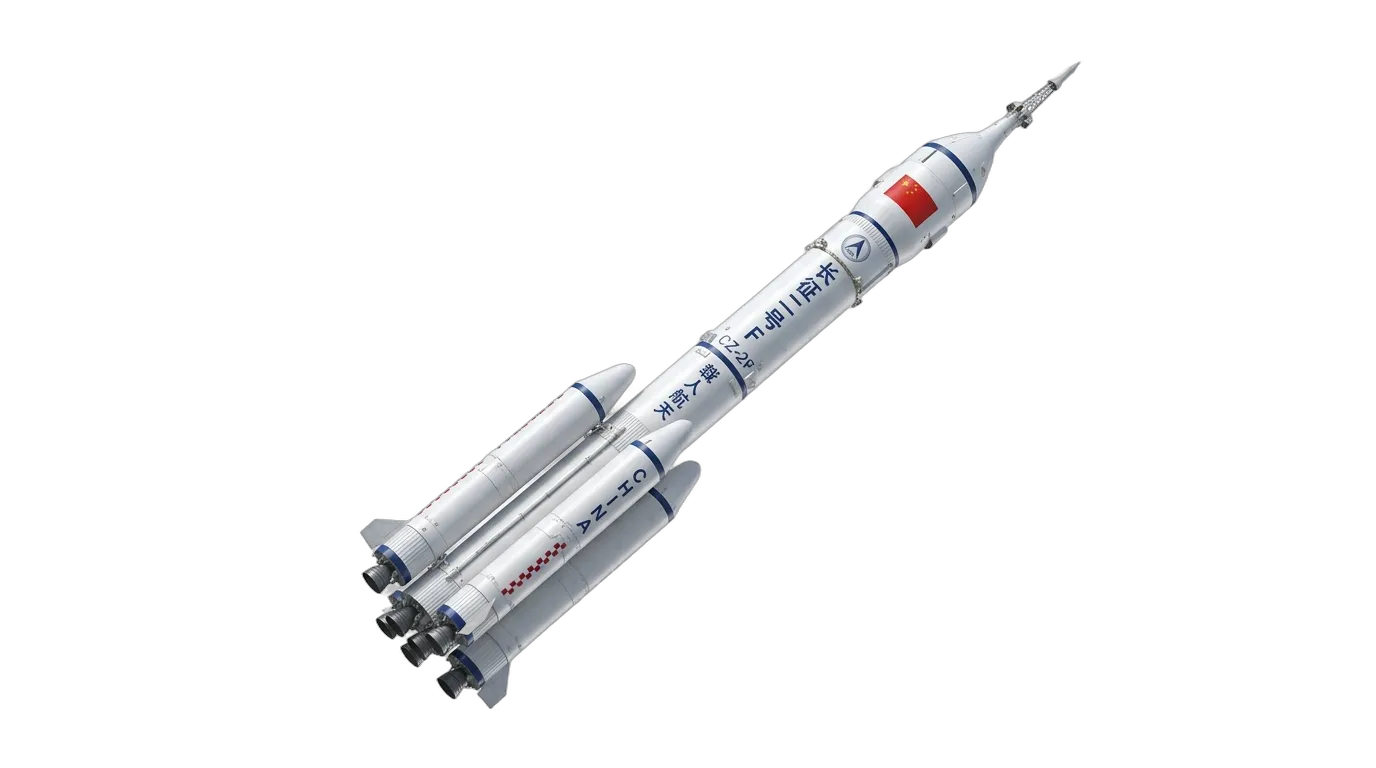
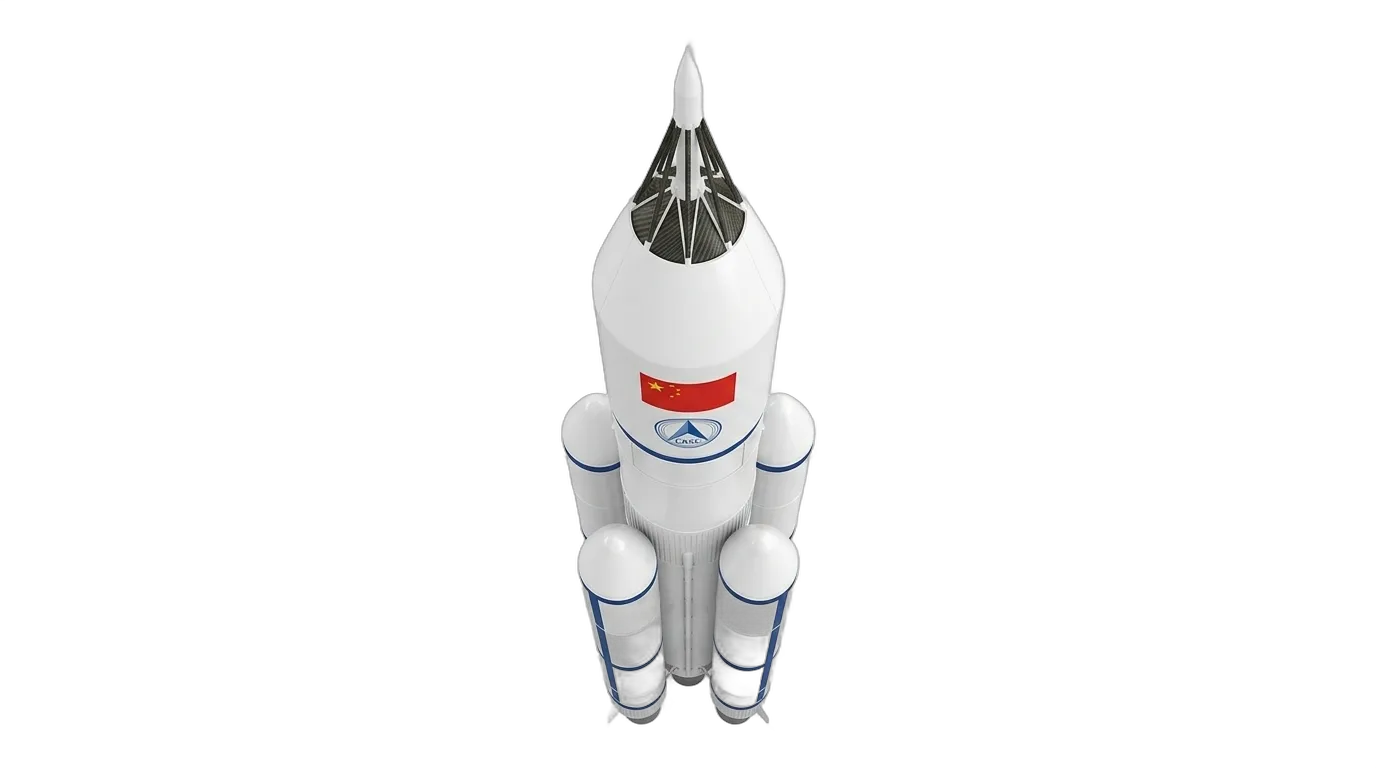
China''s human-rated launch vehicle for all Shenzhou crewed missions. Long March 2F has carried every Chinese astronaut to orbit and to the Tiangong space station, maintaining a perfect crewed-flight safety record.
History
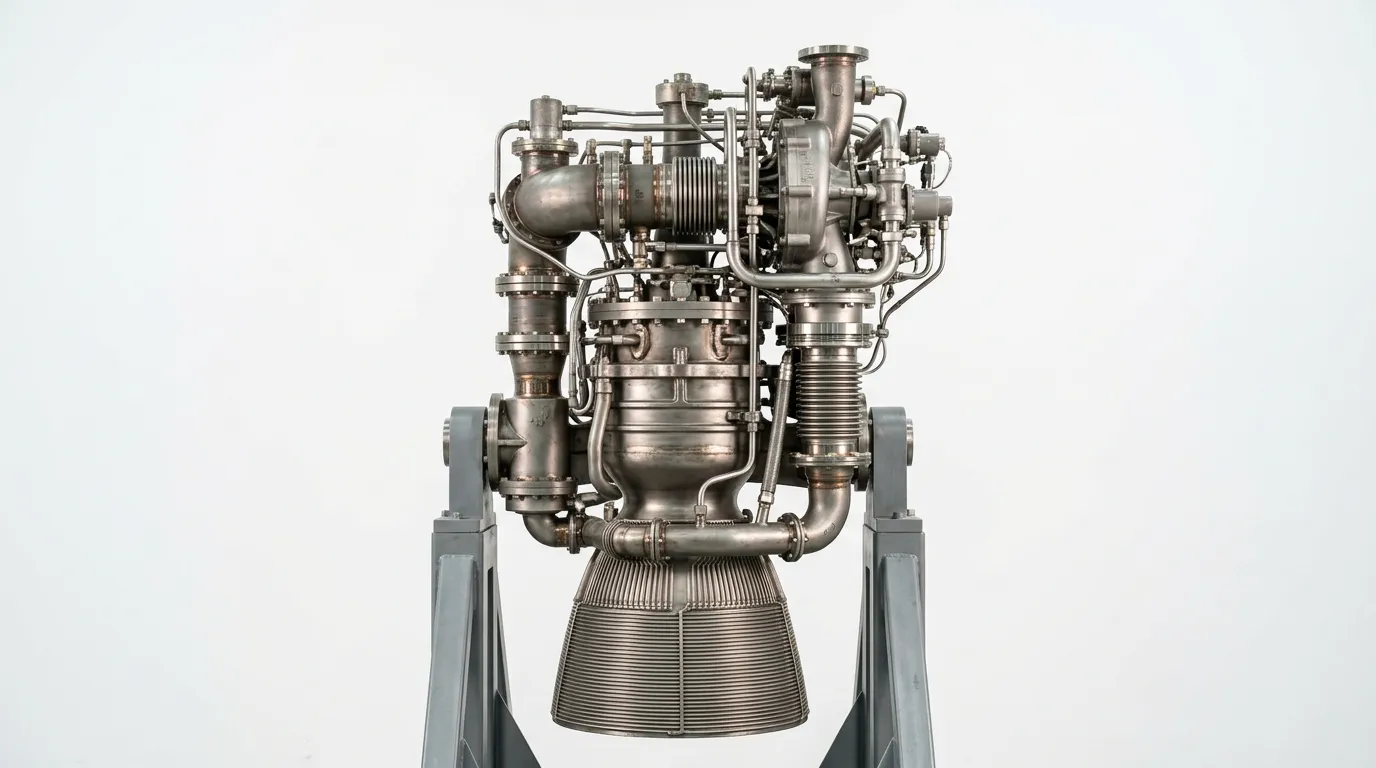
The Long March 2F is a variant of the Long March 2E enhanced with a launch escape system and additional redundancy required for human spaceflight. It uses hypergolic propellants (unsymmetrical dimethylhydrazine and nitrogen tetroxide) in a two-stage configuration with four strap-on liquid boosters.
The rocket first flew in 1999, launching the uncrewed Shenzhou 1 test flight. It has since carried every Chinese crewed mission, beginning with Shenzhou 5 and Yang Liwei''s historic flight in 2003. The vehicle has maintained a perfect safety record across all crewed flights.
Long March 2F serves a role analogous to Russia''s Soyuz rocket -- a proven, reliable crew launcher that prioritizes safety over performance. While not China''s most powerful rocket (that distinction belongs to the Long March 5), it is the only Chinese rocket certified to carry humans, and it will continue in this role until a next-generation crew launch vehicle is developed.
Timeline
Launch Heritage
- Shenzhou 5
- Shenzhou 7
- Tiangong-1
- Shenzhou 18
Technical Specifications
Propulsion
Performance
Dimensions
Mass
Mission
Power & Systems
Source: CNSA/CASC
Tags
Designed by CALT