The Reusable Revolution: How Landing Rockets Changed Everything
When Falcon 9's first stage landed upright on a drone ship in 2015, it was dismissed as a stunt. A decade later, rocket reusability has become the industry standard.
The idea of reusing rockets is as old as rocketry itself. The Space Shuttle was sold to Congress in the 1970s on the promise that reusability would slash the cost of reaching orbit to a fraction of expendable rockets. It didn't work out that way. The Shuttle's thermal protection system required thousands of individual tiles to be inspected and replaced after every flight. The solid rocket boosters were fished out of the ocean, disassembled, and rebuilt. Turnaround time stretched from the promised two weeks to months. Each flight cost roughly $1.5 billion.
In the 1990s, NASA's DC-X demonstrated vertical takeoff and landing with a small experimental vehicle, proving the concept was physically possible. But the program was canceled before it could lead to an orbital vehicle. The aerospace industry consensus hardened: reusability was a nice idea that didn't pencil out.
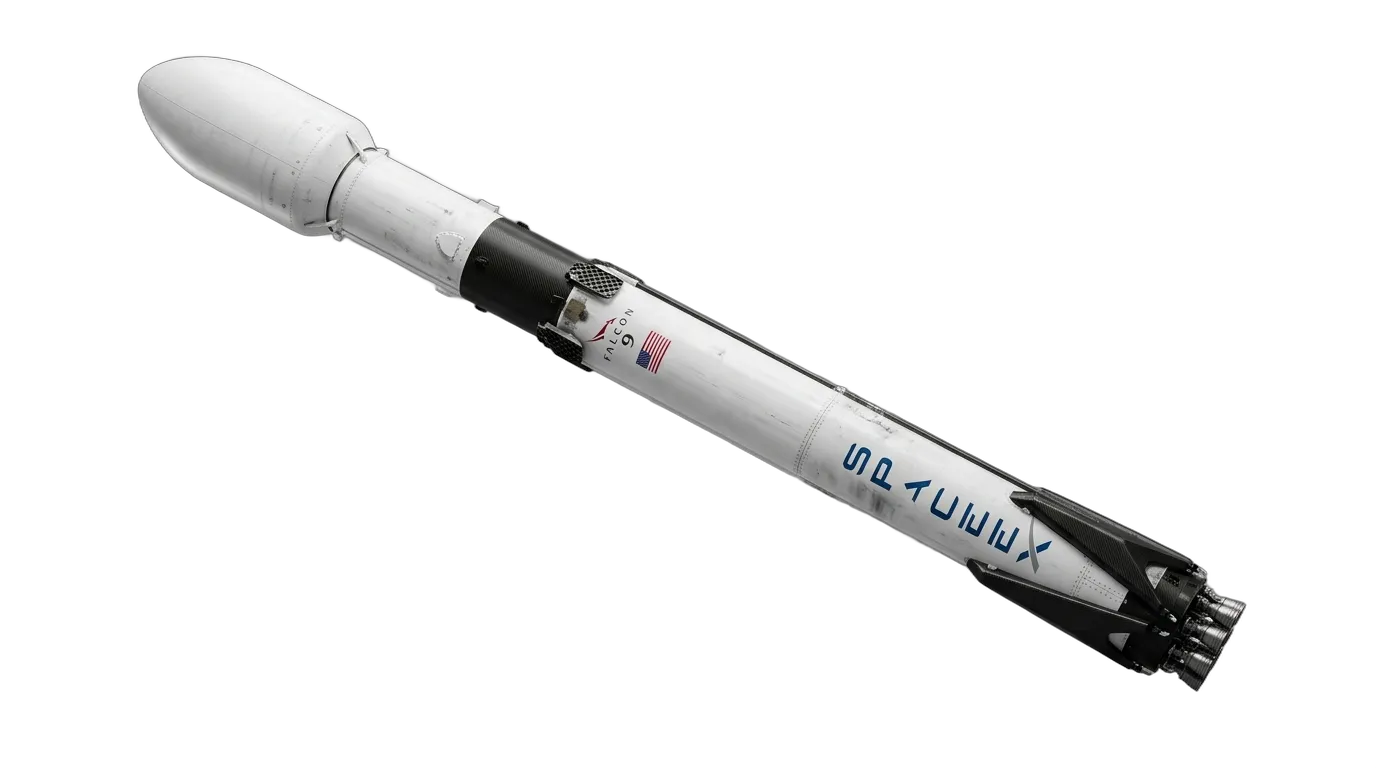
SpaceX disagreed. After founding the company in 2002, Elon Musk made reusability a core design requirement for Falcon 9. The first attempted booster landing in 2013 was a controlled descent into the ocean. Subsequent attempts on drone ships produced spectacular explosions that became viral videos. Then, in December 2015, a Falcon 9 first stage landed upright at Cape Canaveral. In April 2016, another landed on a drone ship at sea. Most of the industry still called it a stunt -- interesting, but not economically viable.
They were wrong. SpaceX began reflying boosters in 2017 and steadily increased the flight rate per booster. By the mid-2020s, individual first stages had flown over 20 times each. The cost per launch dropped below $30 million, compared to $150 million or more for expendable competitors. Falcon 9 began launching more frequently than all other rockets combined. Customers stopped caring whether their payload flew on a new or used booster.
The revolution spread. Rocket Lab began catching Electron boosters with helicopters. Blue Origin designed New Glenn for reusability from the start. SpaceX pushed further with Starship, designed for both stages to be fully reusable -- and in 2024, Super Heavy's catch by the launch tower's mechanical arms showed that the ceiling for what reusability could achieve had not yet been reached. The expendable rocket, dominant for seven decades, was becoming an artifact.