Mangalyaan (Mars Orbiter Mission)
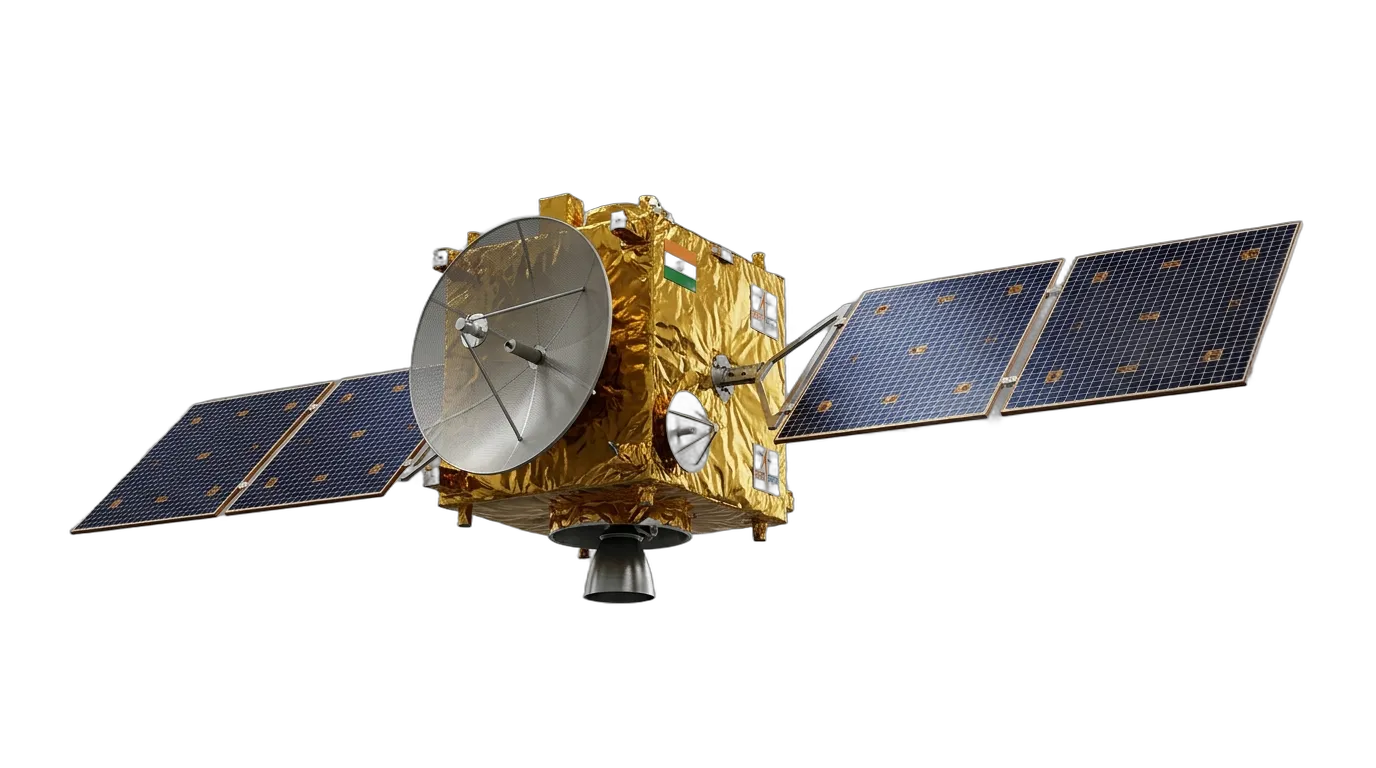
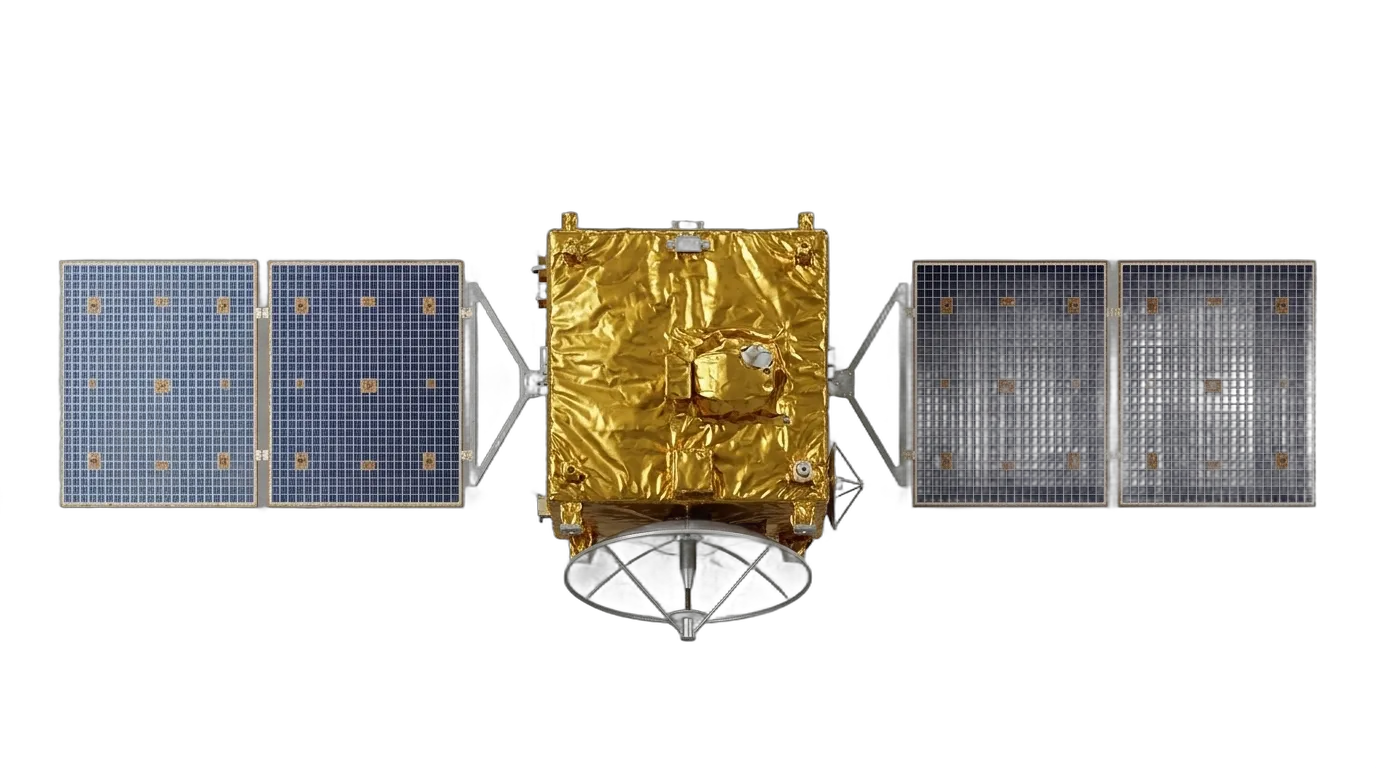
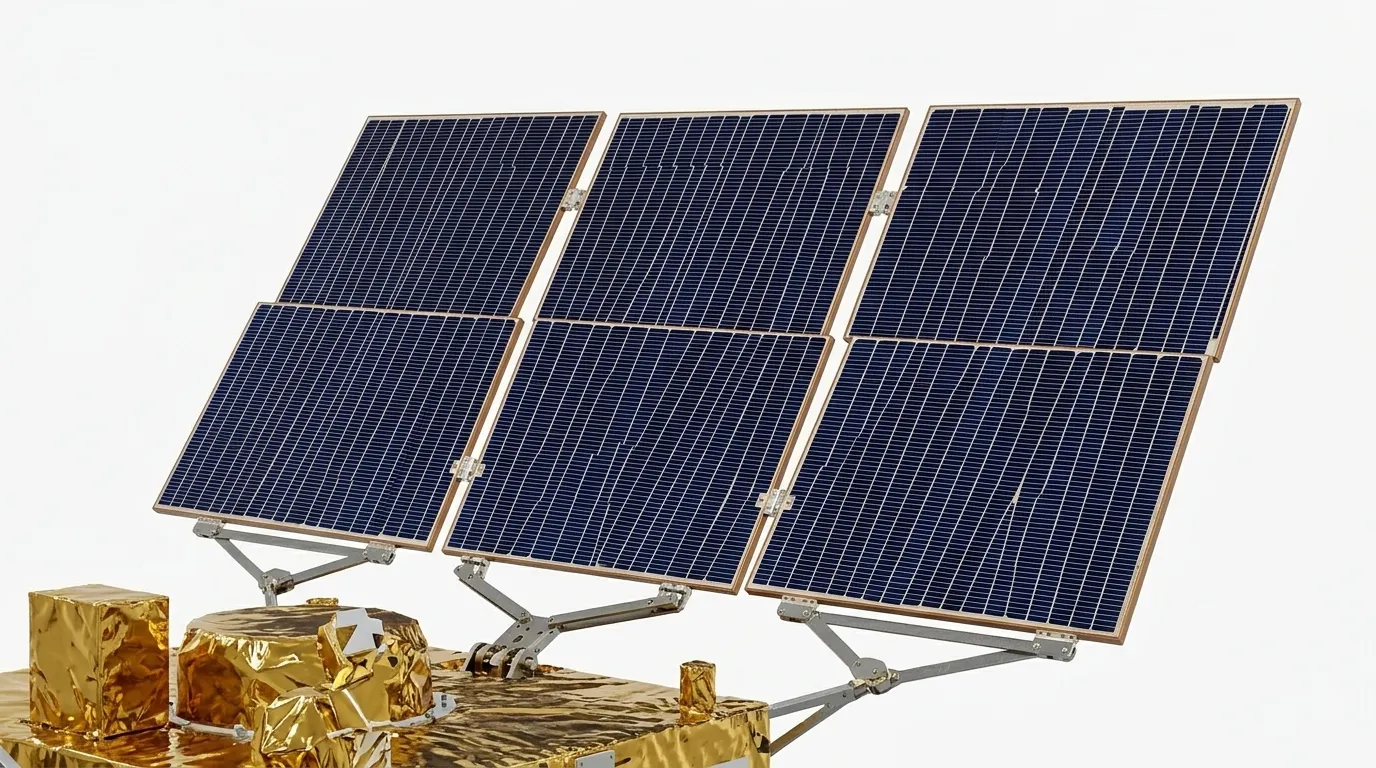
India''s first interplanetary mission, reaching Mars orbit on its first attempt in September 2014. Mangalyaan cost approximately $74 million -- less than the production budget of the movie Gravity -- making it the most cost-effective Mars mission in history.
History
The Mars Orbiter Mission, popularly known as Mangalyaan (Mars Craft), was announced by the Indian Prime Minister in August 2012 and launched just 15 months later in November 2013, an extraordinarily compressed development timeline. ISRO kept costs low by using a modified version of the existing PSLV rocket and limiting the spacecraft''s mass to what the PSLV could deliver to Mars.
Because the PSLV lacked the power to send Mangalyaan directly to Mars, the spacecraft spent a month in increasingly elliptical Earth orbits, using its onboard engine to gradually build up the velocity needed for a trans-Mars injection. This fuel-efficient but time-consuming approach was a creative engineering solution to a budget-constrained mission.
Mangalyaan entered Mars orbit on September 24, 2014, making India the first Asian nation to reach Mars and the first nation to succeed on its first attempt. The mission''s total cost of approximately $74 million stunned the space community -- it was cheaper than most individual instruments on other Mars missions.
The orbiter operated for eight years, studying the Martian atmosphere, surface, and morphology. Its methane sensor searched for signs of geological or biological activity. Mangalyaan demonstrated that world-class planetary science could be done at a fraction of the cost of Western missions, inspiring a new approach to affordable deep-space exploration.
Timeline
Launch Heritage
- India's first Mars mission
- Cheapest Mars mission
- Mars orbit insertion on first attempt
Technical Specifications
Propulsion
Performance
Dimensions
Mass
Mission
Power & Systems
Source: ISRO
Tags
Designed by ISRO