Saturn I
The first rocket of the Saturn family, proving the clustered-engine concept that would make Saturn V possible. All ten flights were successful, establishing the pattern of reliability that defined the program.
History
Saturn I was the vehicle that proved Wernher von Braun''s concept of clustering multiple engines together could work at orbital scale. Its first stage used eight H-1 engines, and the entire rocket was designed to test manufacturing and launch techniques that would be applied to the much larger Saturn V.
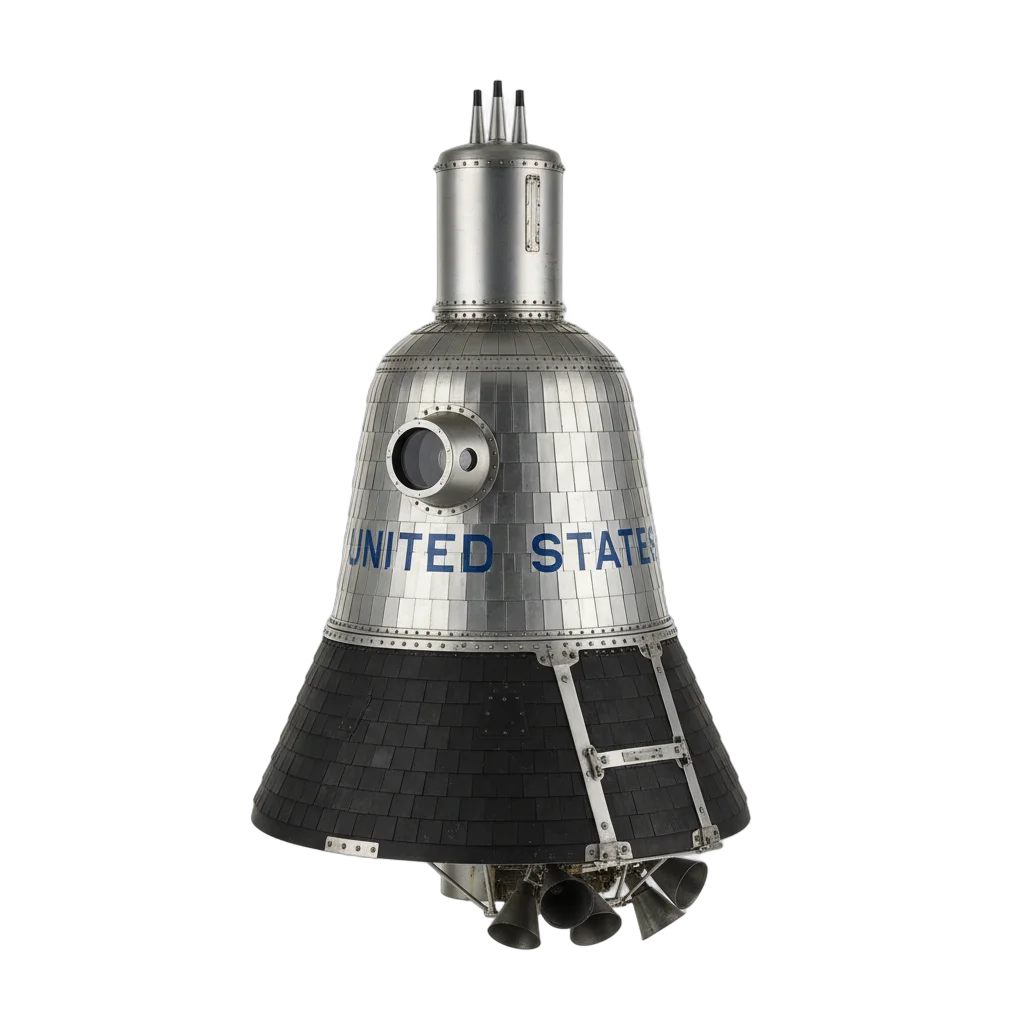
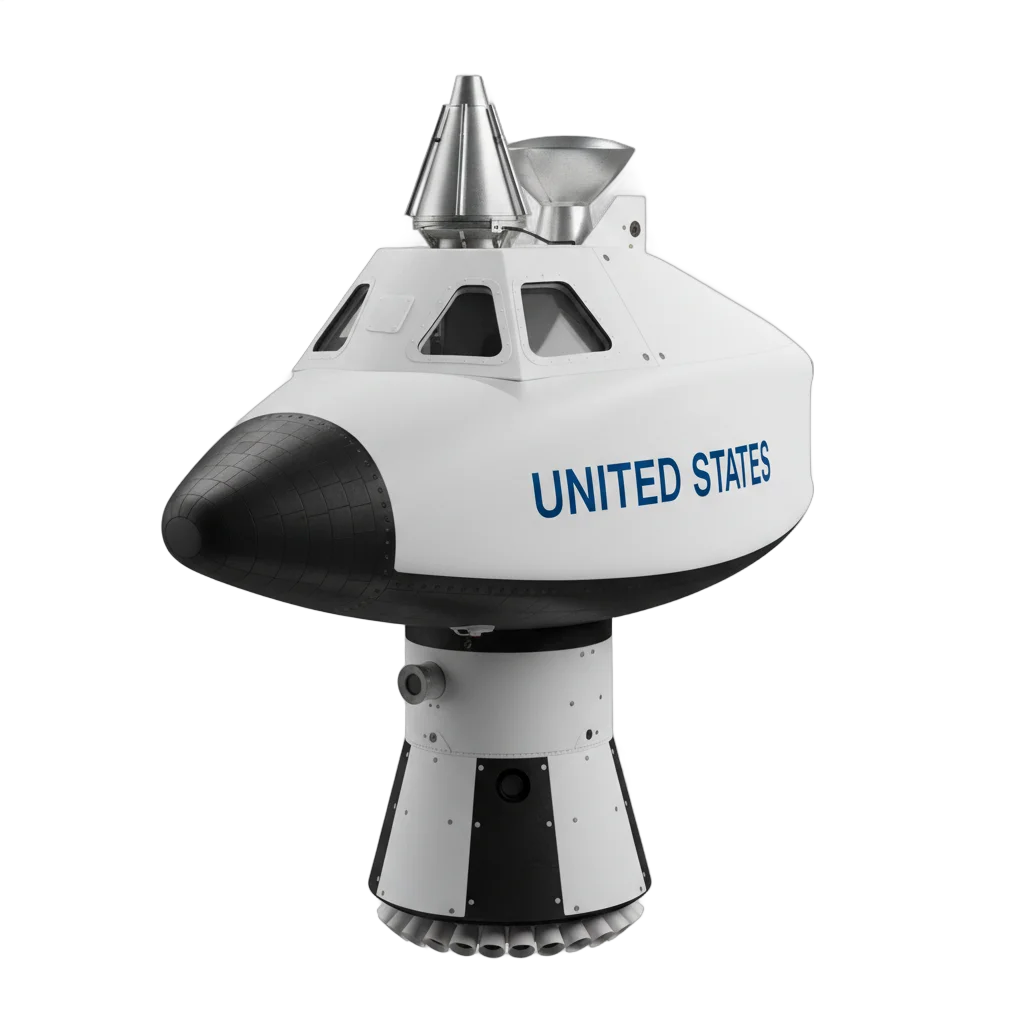
The first four flights tested only the first stage (the second stage was a dummy filled with water). Saturn I flew ten times between October 1961 and July 1965, all successfully. Its later flights carried boilerplate Apollo spacecraft and Pegasus micrometeoroid detection satellites. Though it was a stepping stone rather than an end in itself, Saturn I''s perfect flight record gave NASA confidence that the bold engineering approach required for the Moon program could succeed.
Timeline
Production & Heritage
Technical Specifications
Tags
Designed by Wernher von Braun