Falcon 1
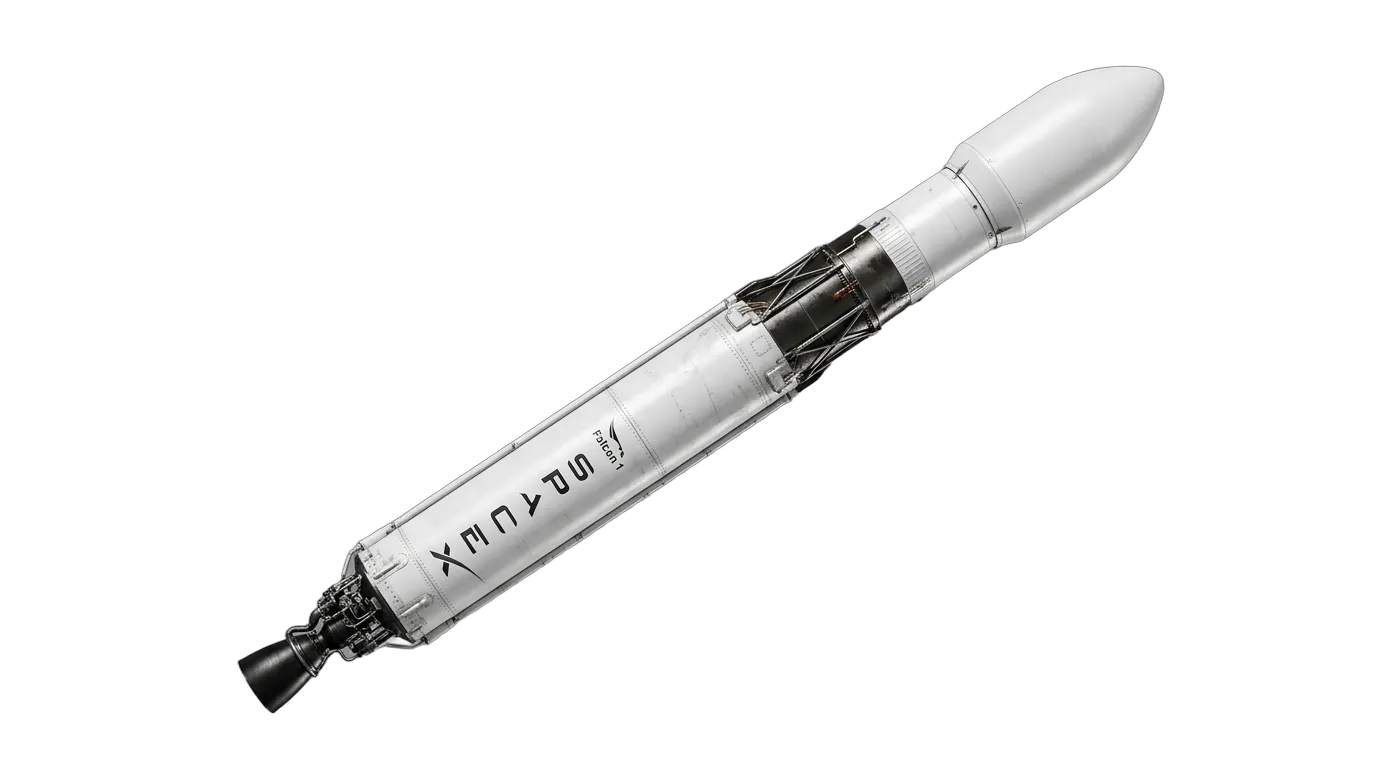
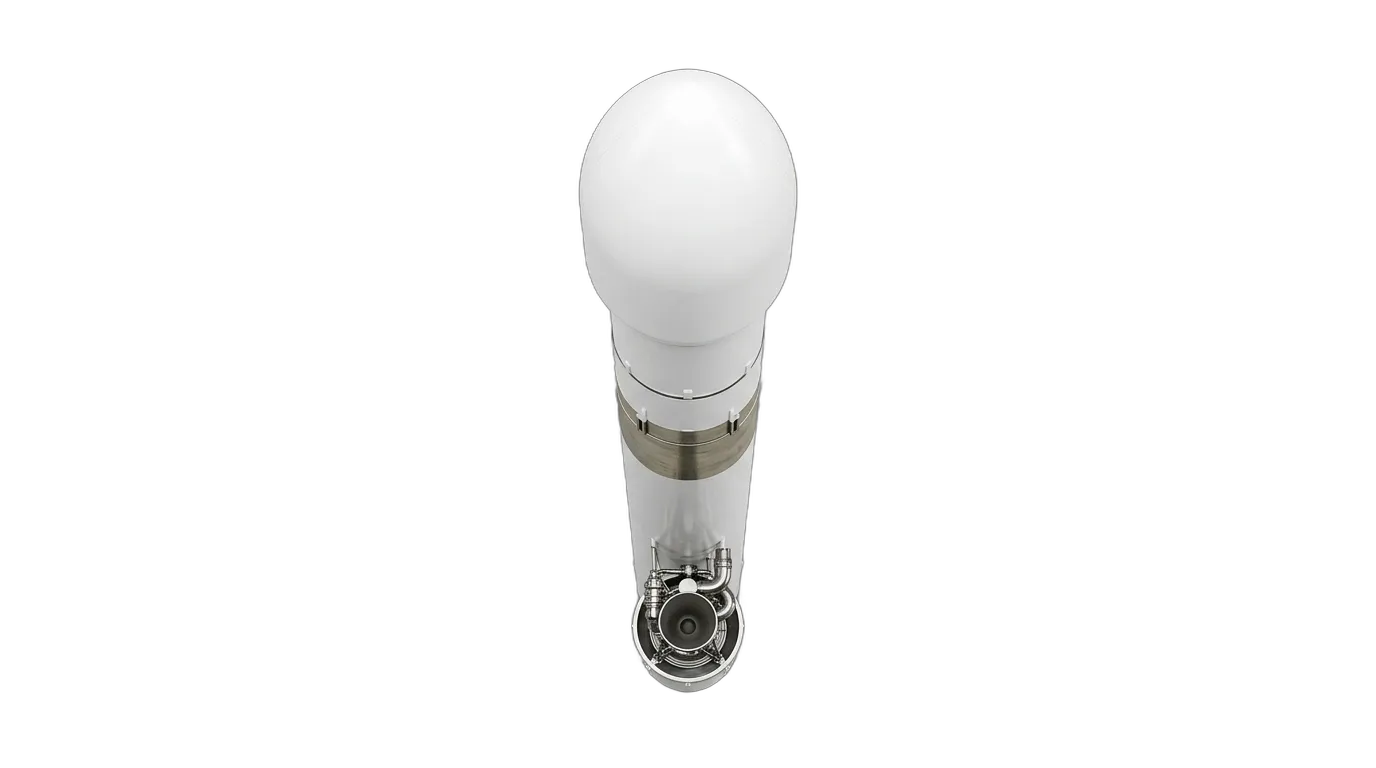
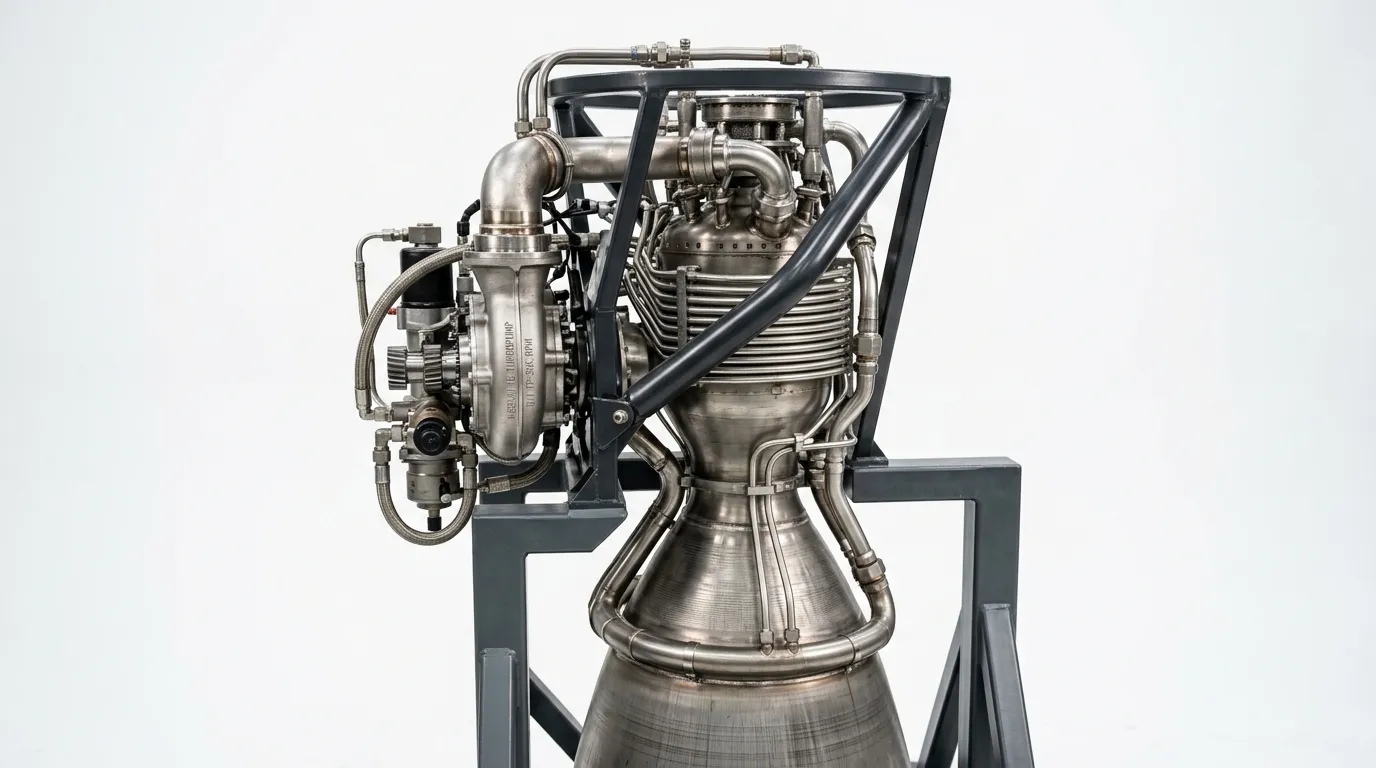
The first privately developed liquid-fuel rocket to reach orbit. After three consecutive failures, Falcon 1''s fourth flight on September 28, 2008, validated SpaceX''s existence and the commercial space model.
History
Falcon 1 was SpaceX''s proof of concept -- a small, two-stage rocket designed to demonstrate that a private company could build an orbital launch vehicle at a fraction of the cost of government programs. The company nearly died before it succeeded.
The first launch attempt in March 2006 from Kwajalein Atoll in the Pacific Ocean failed 25 seconds after liftoff due to a corroded fuel line. The second attempt in March 2007 reached space but the second stage failed due to fuel sloshing. The third attempt in August 2008 failed when the first and second stages collided during separation.
SpaceX was nearly out of money. Elon Musk had invested most of his personal fortune. If the fourth flight failed, the company would likely have ceased to exist. On September 28, 2008, Falcon 1 reached orbit successfully, making it the first privately developed liquid-fuel rocket to do so. The achievement secured a $1.6 billion NASA contract for Falcon 9 cargo missions to the International Space Station, saving the company and launching the commercial space revolution.
Timeline
Launch Heritage
- RazakSAT
- Flight 4 (first private orbital)
Technical Specifications
Propulsion
Performance
Dimensions
Mass
Mission
Power & Systems
Source: SpaceX
Tags
Designed by Tom Mueller